Acting
No description available.
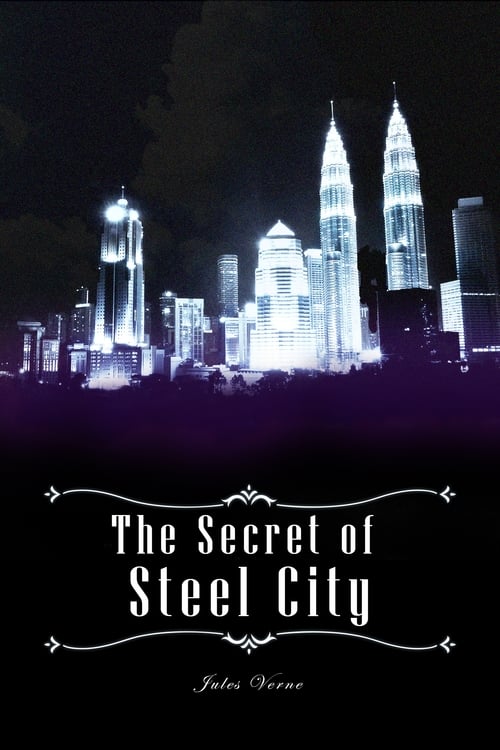
The film is a metaphor for the Cold War. It depicts two neighbouring nations: peace loving Fortuna and the not so peaceful land of the Steel City.
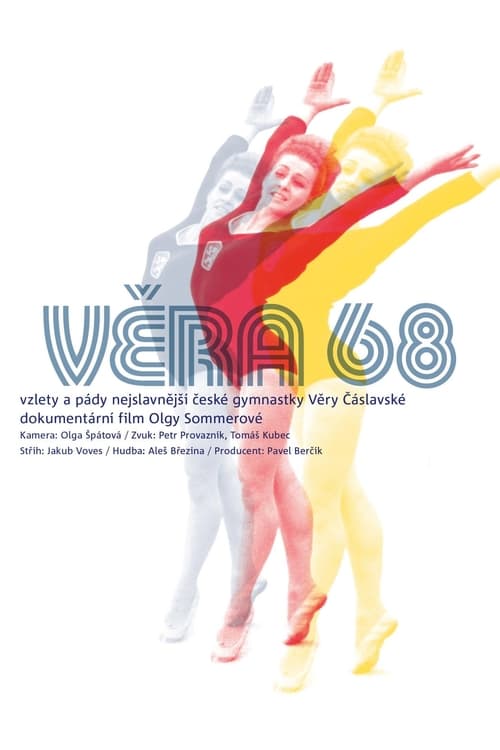
Vera Cáslavská, the most successful Czechoslovak sportswoman and the fourth most successful Olympic sportswoman globally, won seven gold and four silver medals. After her 1968 Mexico City Olympics victory, she became the second most popular woman after Jacqueline Kennedy. In 1968, she signed the 2000 Words Manifesto, which she never retracted. Despite her fame, she faced a troubled life due to political issues, marriage, and family tragedy. Her story reflects Czech society during both communist and democratic regimes, where she was active in the civil sphere. She views her sports career as fleeting fame compared to her challenging life. Now 68, 42 years after her sports career, she remains admired in the Czech Republic and Japan. Her life is a unique chapter in Czech history.
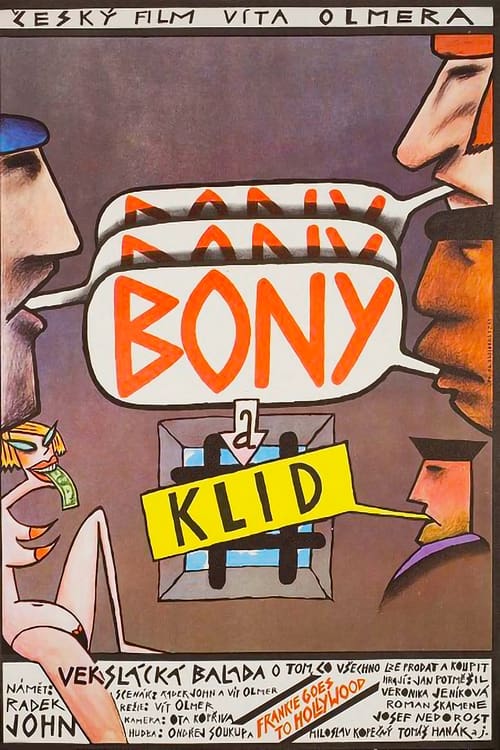
Martin is an innocent lad from small-town Mlada Boleslav who comes to big-city Prague, hoping to exchange his krona for deutschemarks so that he can visit Germany. A local spiv named Robert obliges Martin, but at an unfair exchange rate. When Martin finds out he was rooked, he plans revenge on Robert ... but then decides to join Robert's gang instead.
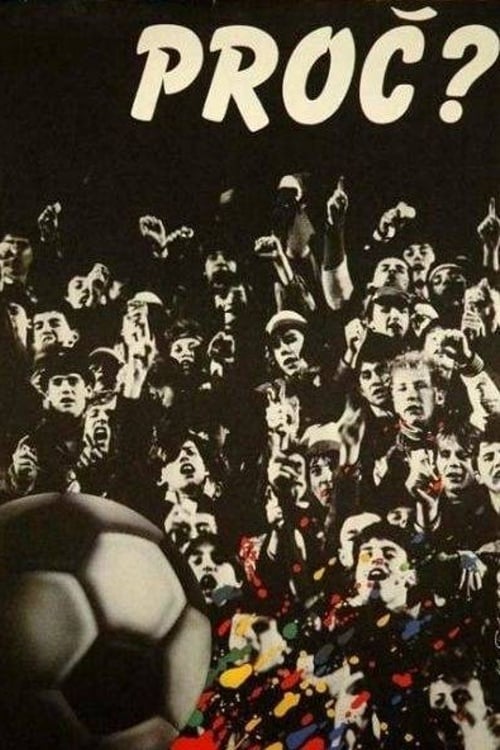
Why? (Czech: Proč?) is a 1987 Czechoslovak drama film directed by Karel Smyczek. It was screened in the Un Certain Regard section at the 1988 Cannes Film Festival. The film deals with the hooliganism in Czechoslovakia, particularly with the fans of football club Sparta from Prague, whose supporters were the pioneers of the football fan riots in Czechoslovakia, starting with hooligan actions already in the 1960s, like breaking the trains in which they travelled when they went on Sparta's away games. The film deals with one of such episodes
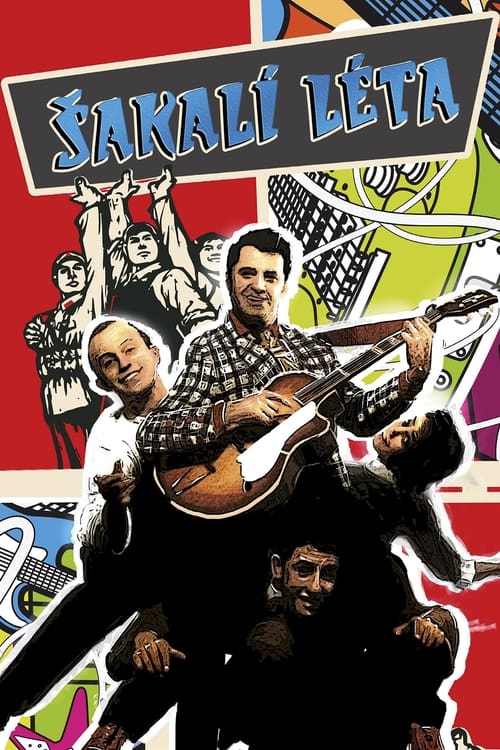
A period musical comedy set in a quiet Prague quarter at the end of the fifties. Using the western plot device of the "man from nowhere" a generation gap story unfolds of changing social climate. The action is driven by the character of a young man named Baby who causes a local rebellion by bringing rock'n'roll to a Communist neighborhood raised on swing.
How it will end? Let's just tell you that on one side of the mountain, the stream that had run before it dries up, and on the other side of the mountain, the creek starts to breathe.
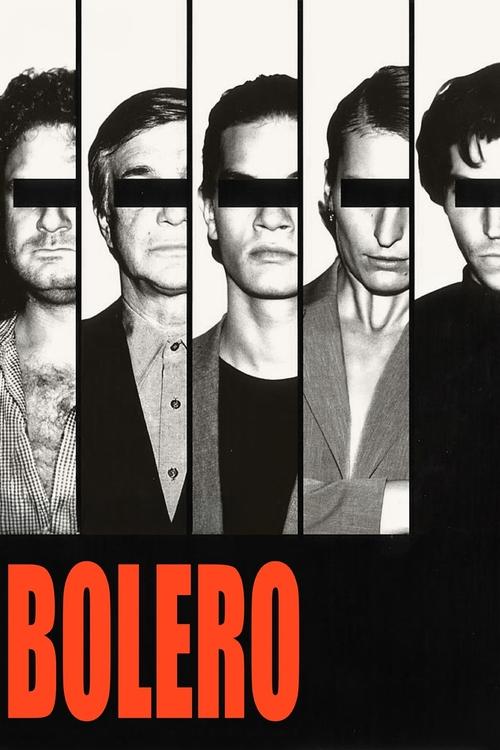
Based on real event, Bolero is an excellent story of progressive recovery of a crime. The story surprises all the time, shows new connections, new possibilities, exposes new ideas and facts. It's possible to understand the film on more levels. It describes the position and all the feelings of victim's family, the police work as well as the impact of the crime on it's malefactors. It also touches the topic of moral decay of the descendants of rich, high-posted families. In addition to this, the power of the storyline is accentuated by the quality of the artistic treatment of the whole piece.
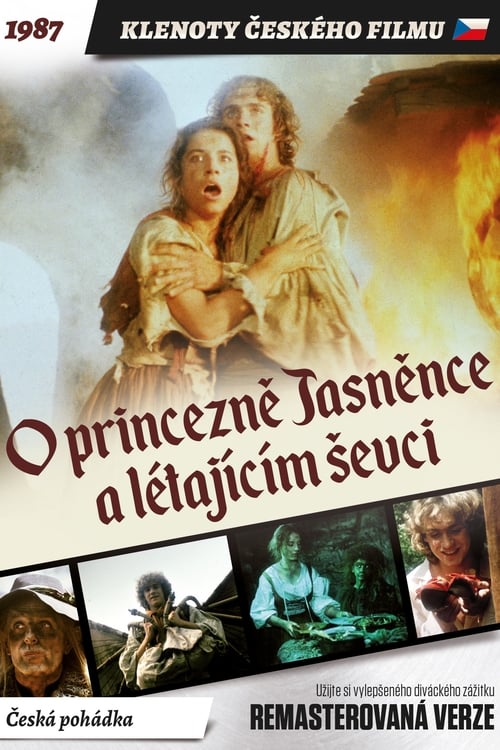
Fairy tale about young cobbler Jíra, who had fashioned wings from leather in order to rescue princess Jasnenka from the tower of the royal castle, where her father had closed her to to save her from the evil witch and her daughter Cernava.
Tonda is a sixteen-year-old boy who has a talent for sports. His father, who is also a coach, would like Tonda to focus on javelin, but his son is drawn to football. Despite his father's reluctance, he moves to Prague so that he can practice his dream football in top conditions. He lives with his uncle, a footballer, and also gets a glimpse behind the scenes of sports, where the road is not always straight. But this apple didn't fall far from the tree...