Acting
The series follows the adventures of lighthearted Jean-Paul Moulin, a police Commissaire, and his team as they solve crimes.
Les Cinq Dernieres Minutes is a crime based French television series
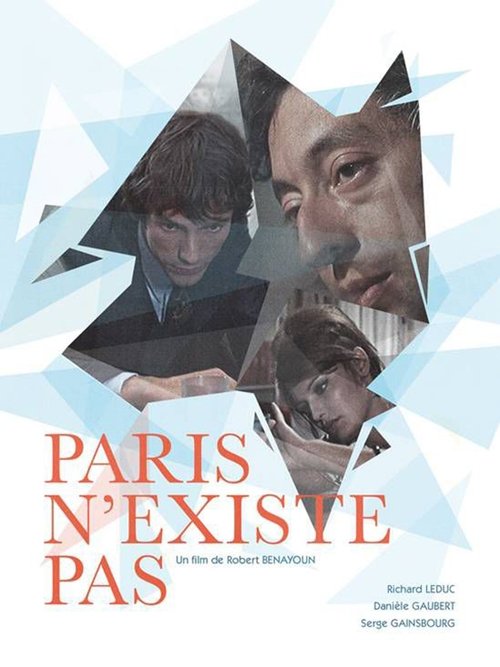
Salomé Lerner just finished writing an autobiography. She goes to a TV show called "Apostrophes", hosted by French TV showman Bernard Pivot. Pivot then imagines a film that could be created from her gripping story. A film entirely made of music because after seeing the young pianist Erik Berchot, Salomé believes seeing her long lost brother, who was a musician as well. A brother she had lost along with her parents in 1943. However, the Lerners did in fact escape the gestapo and might have based themselves in Paris...
Two men, fortyish, worn out by their wives, abandon everything to go and live in the back of beyond. There they meet a truculent priest, a boozer, Émile who recalls them to life's simple pleasures. Calm is what they want. But soon their example inspires thousands of disorientated males...
In czarist Russia, a neurotic soldier and his distant cousin formulate a plot to assassinate Napoleon.
Architect Mark Wallace and his wife, Joanna, travel to France to meet with an affluent client. While there, they reflect on their first decade of marriage -- memories of when they first met, of courtship, and of road trips through the French countryside. As flirtation and playful quarreling turn to boredom with the banality of married life, the Wallaces struggle to rekindle their passion, while mutual infidelity threatens to tear them apart.
Lamiel is a poor orphan girl who climbs to the social elite in this 19th-century costume drama. Sansfin, provincial doctor, lives vicariously through her, as he oversees the progress of his female protégé. Defiant and rebellious, Lamiel goes to Paris to escape boredom and to know love.
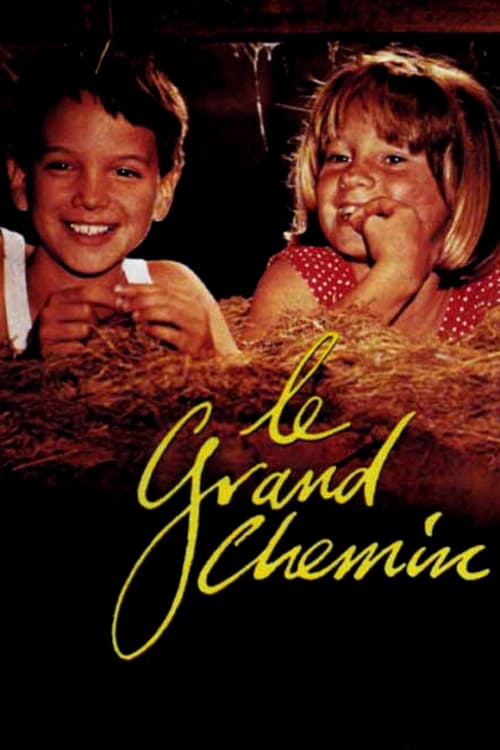
Louis, a nine-year-old boy from Paris, spends his summer vacation in a small town in Brittany. His mother Claire has lodged him with her girlfriend Marcelle and her husband Pelo while she's having her second baby. There Louis makes friends with Martine, the ten-year- old girl next door, and learns from her about life.
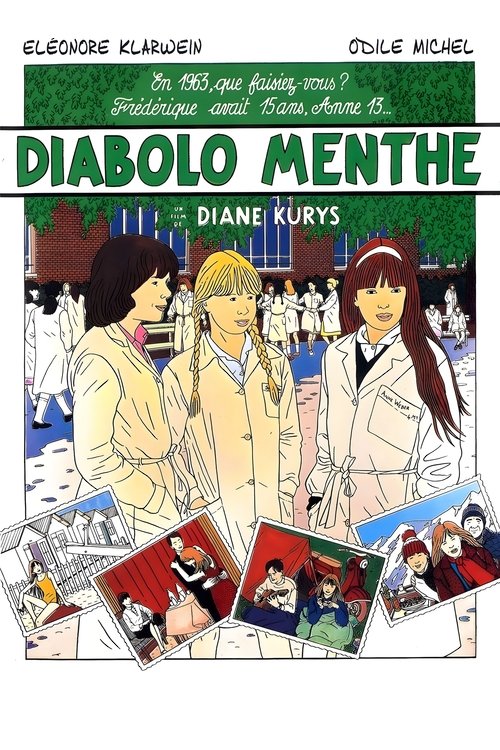
In the fall of 1963, Anne is becoming a teenager. She lives in Paris with her mother and her older sister, Frédérique. They're just back from summer at the beach with their father. School starts. A turbulent year awaits them both.
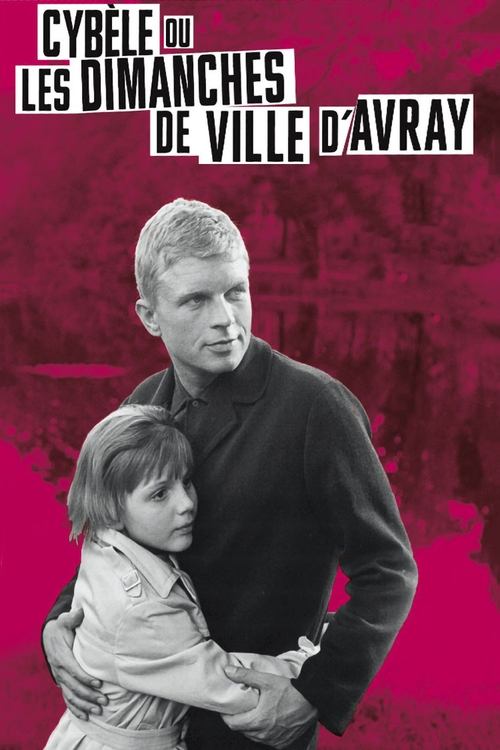
The tragic story of a young orphan girl who is befriended by an innocent but emotionally disabled veteran of the French Indochina War.
A character, directly addressing the viewer, attempts, through his or her knowledge, a historical reflection on the Paris Commune of 1871. A series of five tableaux retraces the major phases of the events. First comes the analysis of the Second Empire. Then comes the fall of the Empire and the proclamation of the Republic on September 4, 1870. Based on texts by Jules Vallès, several actors evoke the event in the contemporary setting of the large housing estates of Bobigny. The third part deals with the period October-March 1871, during which the people of Paris felt, little by little, betrayed by the government. Finally, March 18 is the revolutionary day. Inspired by Bertold Brecht's "Days of the Commune," actors perform the episode "Madame Cabet's Canon." The fifth part, entitled "Two or Three Things I Know About Her," directly evokes the work of the Commune, building and imagining a better world...
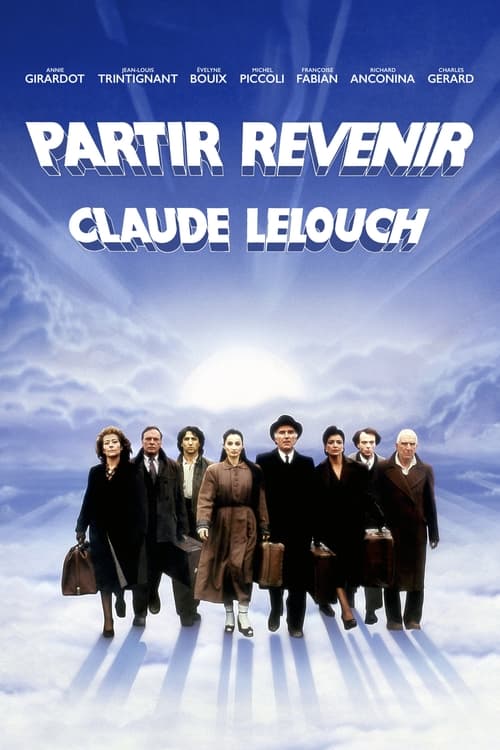
Five people in one city, different ways of loving and living, different views on how to experience or suppress the past.
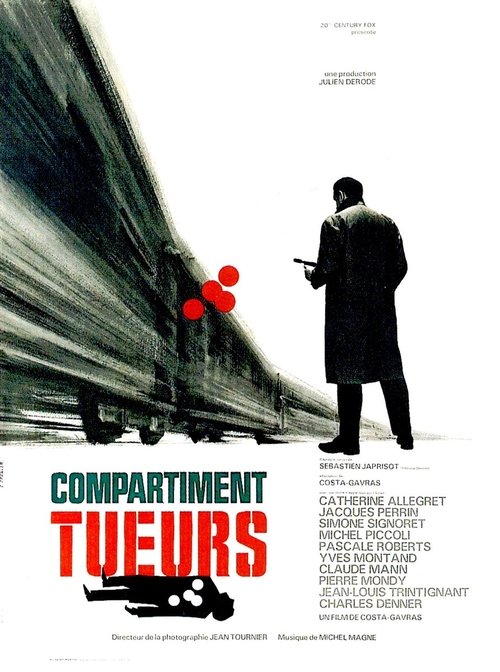
Six people travel by overnight train from Marseilles to Paris. When they arrive, one of them, a young woman, is found dead in a sleeping berth. The police, led by Inspector Grazzi, investigate the other five passengers, suspecting that one among them was responsible. However, as the investigation is stepped up, the others start turning up dead. It's up to the remaining two to solve the case, lest they become the next victims.
The young and charming Mandoline, accountant of the advertising agency Publi-Pub, has stolen documents proving that the company kept double accounts. Remorseful when she wanted to pass this evidence to a tax inspector, she decides to put the documents back in the agency's safe, but does not really know how to go about it. Her friend Marie-Charlotte, a transvestite, helps him find a young safe-drilling man in his condition, who will help him open the safe - but of course, the matter is not so simple.
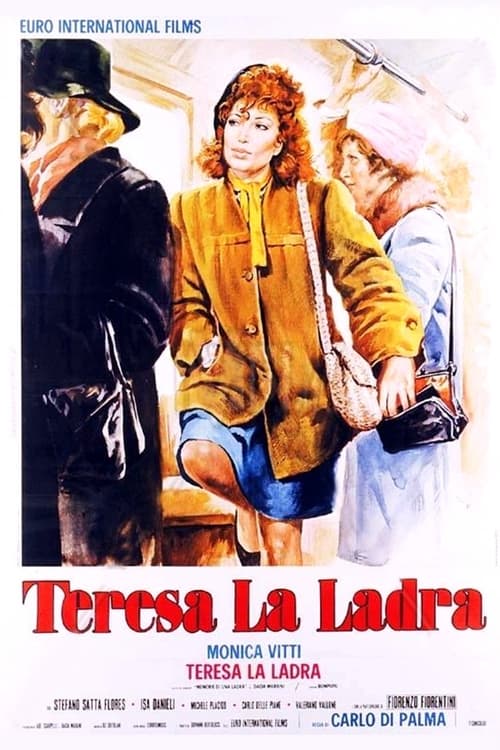
Teresa gets her first taste of crime -- and its consequences -- when, during World War II, she is nabbed for robbing an apartment. But being poor and perpetually starving, the pretty petty thief doesn't give up her quest for ill-gotten gains and soon turns to pick-pocketing. Despite her questionable thieving skills, the bumbling crook tries scheme after scheme, pilfering from strangers and dodging the law as she searches for a way to fund an adequate meal.
A Swiss nun falls in love with a Japanese engineer.
Emile Magis, a modest employee, more or less ostracized by the others, would like only one thing, to be happy. Little by little he realizes that life in society is a matter of convention, lies and deception. When he has understood that cynicism rules the world, he decides to play by its untold rules and to take his revenge.
Paul is married, a successful engineer, and a conservative candidate in an upcoming local election. He falls in love with Adriana, a café waitress from Italy. Paul's party is very critical of foreign labour and wants to keep Switzerland to the Swiss. Where Paul falls deeper and deeper into the relationship and is ready to leave his wife, Adriana feels the social pressure growing and has to make her own decision.
In this complex chronicle of the evolution of a provincial family's life, the story follows three generations of at least two neighboring families from the 1890s to the 1970s. In one of many related tales, a man who was engaged to the older daughter of a farmer elopes with the younger one. After many years and the birth of five children, the man leaves his wife and family for the bright lights of the city but continues turning up from time to time, until he is finally taken into the home of one of his sons when he is a quite old man. The complex interactions of the legitimate and illegitimate children of a womanizing miner give rise to yet another set of related stories.
The young historian Elisabeth is traveling to Lyon on her own in order to explore the city tracing the life of Flora Tristan. Tristan, whose diary Elisabeth is carrying, was a 19th century socialist and feminist who influenced many contemporary activists and intellectuals yet fell into oblivion herself. Elisabeth tries to put together the clues she can find in Lyon wanting to reconstruct Tristan's life in the most sensual way.