Ivan Mosjoukine
Acting
Biography
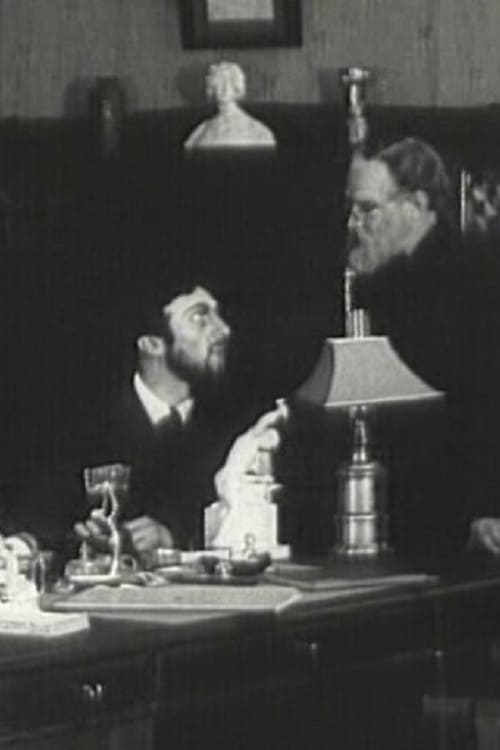
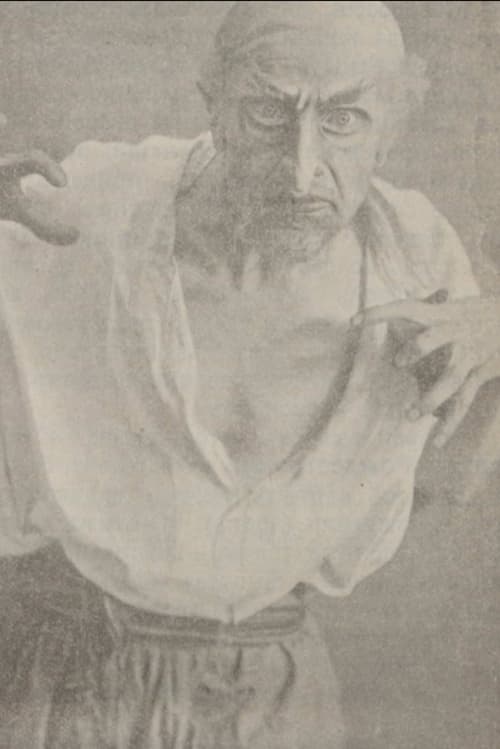
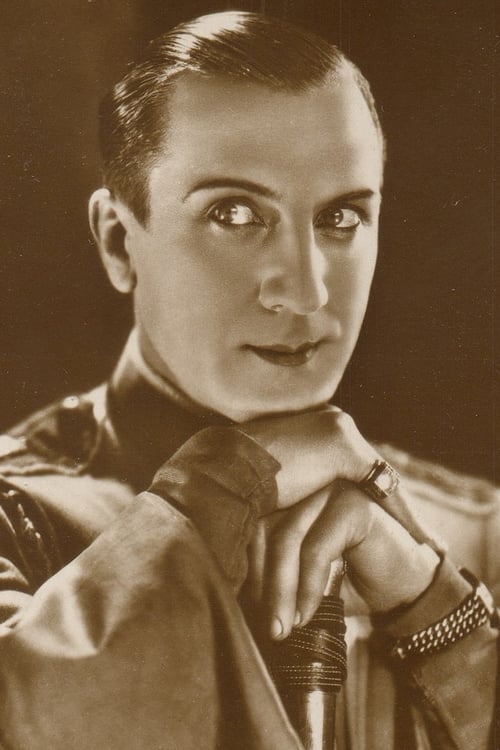
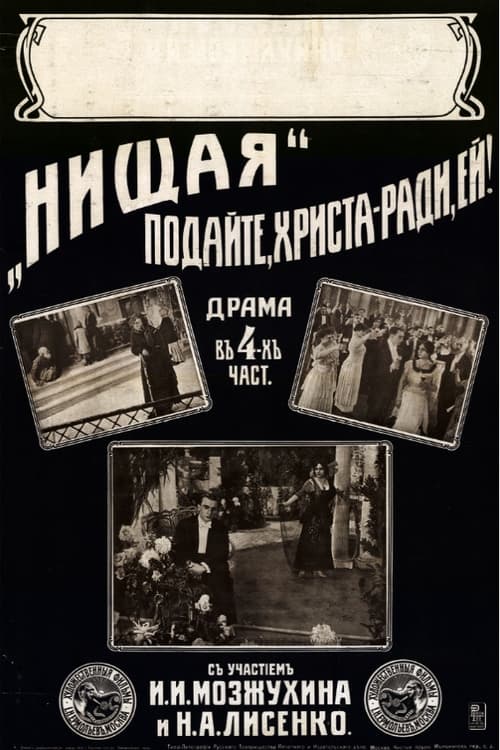
Ivan Ilyich Mozzhukhin, usually billed using the French transliteration Ivan Mosjoukine, was a Russian silent film actor, writer and director. Born in Kondol, in the Saratov Governorate of the Russian Empire (present-day Penza Oblast in Russia), Ivan Mozzhukhin was the youngest of four brothers. His mother Rachel Ivanovna Mozzhukhina (née Lastochkina) was the daughter of a Russian Orthodox priest, while his father Ilya Ivanovich Mozzhukhin came from peasants and served as an estate manager for the noble Obolensky family. While all three elder brothers finished seminary, Ivan was sent to the Penza gymnasium for boys and later studied law at the Moscow State University. In 1910, he left academic life to join a troupe of traveling actors from Kiev, with which he toured for a year, gaining experience and a reputation for dynamic stage presence. Upon returning to Moscow, he launched his screen career with the 1911 adaptation of Tolstoy's The Kreutzer Sonata. Mosjoukine's most lasting contribution to the theoretical concept of film as image is the legacy of his own face in recurring representation of illusory reactions seen in Lev Kuleshov's psychological montage experiment which demonstrated the Kuleshov Effect. In 1918, the first full year of the Russian Revolution, Kuleshov assembled his revolutionary illustration of the application of the principles of film editing out of footage from one of Mosjoukine's Tsarist-era films which had been left behind when he, along with his entire film production company, departed for the relative safety of Crimea in 1917. At the end of 1919, Mosjoukine arrived in Paris and quickly established himself as one of the top stars of the French silent cinema, starring in one successful film after another. Handsome, tall, and possessing a powerful screen presence, he won a considerable following as a mysterious and exotic romantic figure. Mosjoukine's film stardom was assured and during the 1920s, his face with the trademark hypnotic stare appeared on covers of film magazines all over Europe. He wrote the screenplays for most of his starring vehicles and directed two of them, L'Enfant du carnaval (Child of the Carnival), released on 29 August 1921 and Le Brasier ardent (The Blazing Inferno), released on 2 November 1923. The leading lady in both films was the then-"Madame Mosjoukine", Nathalie Lissenko. Brasier, in particular, was highly praised for its innovative and inventive concepts, but ultimately proved too surreal and bizarre to become financially successful. Ivan Mosjoukine died of tuberculosis in a Neuilly-sur-Seine clinic. All available sources give his age as 49 and year of birth as 1889. However, his gravestone at the Russian cemetery in the Parisian suburb of Sainte-Genevieve-des-Bois is inscribed with the year 1887.
Known For

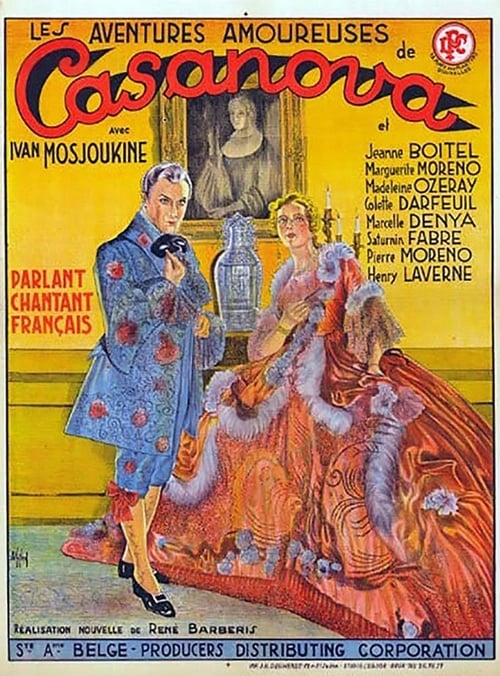
Talkie remake of a 1927 silent about the adventures of the notorious womaniser and venetian adventurer Chevalier Giacomo Casanova. Action starts in Venice and then the plot takes Casanova to France and Russia.
Casanova

No description available.
Sin

Lea Lyon, the daughter of a rabbi, lives happily with her father in their Gulicinu village, but there are rumblings of war. Soon, the village is overrun with the Imperial troops of the Russian Czar, with Constantine in Imperial command. He is attracted by the beauty of Lea and commands her to come to his quarters. She refuses and he is outraged. He orders the townspeople barred behind their doors and the village burned. Though she loves her honor above everything else, she can not bear to see the villagers suffer, and makes the lonely walk through the village to the Inn.
Surrender

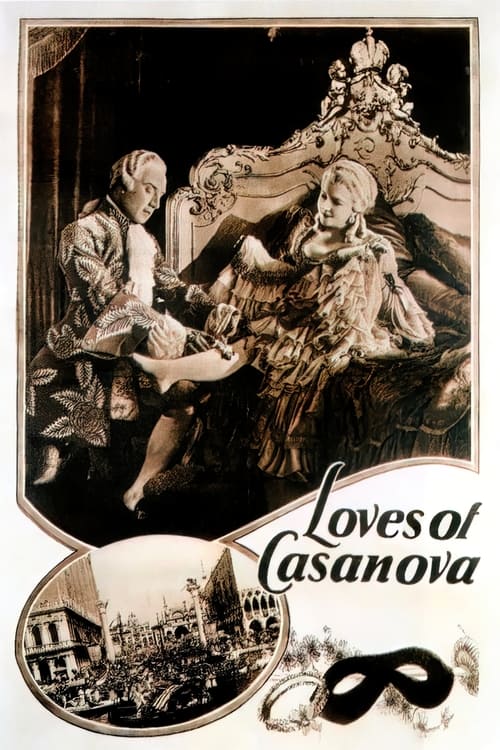
Republic of Venice, 1760. Pursued by a vengeful husband, the intrepid womanizer Casanova, who symbolizes the decline of the city and its fall into debauchery, manages to escape and, by a circuitous route, arrives in Saint Petersburg, where he will be involved in the many plots that threaten the throne of Czar Peter III…
Loves of Casanova

A multimedia sex-ed video about life and love in a world where humans have corkscrew penises and corkscrew vaginas.
What Is Sex?

An experiment in editing. This entry refers to both the initial, likely lost 1919 experiment, created using footage of Ivan Mosjoukine, and the later surviving recreation featuring two unknown actors.
Kuleshov Effect

No description available.
Me And My Conscience

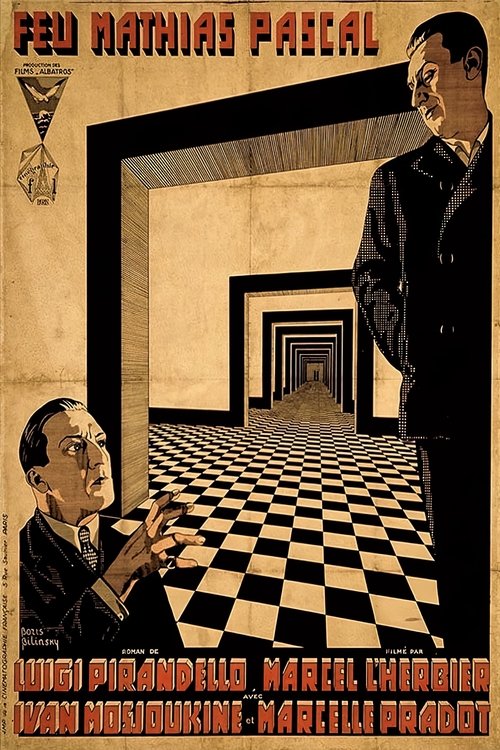
Julien Villandrit is the owner of the estate of Les Basses-Bruyères and its textile factory, where the manager is his childhood friend Corradin. Julien marries his neighbour Régine, unaware that Corradin also loves her. Julien is sent to gaol for a murder actually committed by Corradin. The only witness to the truth is the woodsman Rudeberg and Corradin buys his silence by paying for the education of his son Pascal. Julien's struggle to clear his name and to rescue Régine and their daughter Christiane from Corradin's scheming extends over many years and faces many setbacks.
The House of Mystery

The marquis de Granier would like his son Charles to end his current relationship for a respectable marriage. His younger brother Octave tries to help but Yvonne Lelys tricks him and he nearly leaves his family for the dancer. He even follows her to Constantinople. He falls asleep while writing to his father and dreams that he is a movie actor who, driven by poverty, sneaks into his father's home to rob him. As his father catches him, he kills him. Thankfully, it was all a dream.
A Narrow Escape

Adapted from Jules Verne's 1876 novel Michael Strogoff, the film tells the tale of a Russian courier named Michael Strogoff who has to dash across Russia with a vital message for the tsar's brother, wrestling with bears and fighting off ferocious Tatar rebels along the way. Captured by the Tatars, he is brought before their leader and blinded with a red hot sword by the executioner.
Michel Strogoff

Five-episode adaptation of the eponymous Russian novel, directed by Pyotr Chardynin et al.
Petersburg Slums

Prosecutor Olsen's lover, the singer-songwriter Betsy, leaves him for a new passion. And he, speaking in court as a prosecutor, remains deaf to the dictates of feelings, a ruthless servant of the harsh Law. Some time later, Betsy kills her new lover in a fit of jealousy; Olsen, who retained his feelings, nevertheless becomes her accuser at the trial. He seeks the condemnation of Betsy, but comes to the realization that he lived unrighteously, allowing himself to be judged, becoming a servant of Themis. Exit in the classic tradition of the great mute: Olsen commits suicide.
The Prosecutor
Based on the novel of the same name by Ivan Goncharov. Raisky falls in love with his second cousin Vera, but she coldly rejects his advances. He soon learns that Vera is having an affair with exiled official Mark Volokhov, with whom She is secretly dating. One day, Vera, in a fit of passion, gives herself to Volokhov, which she immediately regrets doing. Raisky and Tatyana Markovna suffer along with her having learned about Vera’s situation. Volokhov invites Vera to marry him but she refuses his proposal. After all these passions, calm comes and in the final frames of the picture, Raisky draws a portrait of Vera, and then sits down to write a long-planned novel.
The Precipice

Famous Russian screen actors play themselves in this drama about the lives of actors. Thirteen minutes of the film survive.
Behind the Screen

An Arabian prince falls in with a group of downtrodden rebels and faces the wrath of an unsympathetic sultan whose wife he is also romancing.
The 1002nd Night

No description available.
The Tale of the Sleeping Princess and the Seven Knights

While hosting a game of cards one night, Narumov tells his friends a story about his grandmother, a Countess. As a young woman, she had once incurred an enormous gambling debt, which she was able to erase by learning a secret that guaranteed that she could win by playing her cards in a certain order. One of Narumov's friends, German, has never gambled, but he is intrigued by the story about the Countess and her secret. He soon becomes obsessed with learning this secret from her, and he starts by courting her young ward Lizaveta, hoping to use her to gain access to the Countess.
The Queen of Spades

Documentary film about early years of Russian cinema: its first directors, cameramen, producers and actors. Includes rare fragments of pre-revolutionary feature films, newsreels and Starewicz's animation.
Cinema in Russia

No description available.
Idols

Two peasants in feudal Russia wish to marry but tragedy strikes. A grim if familiar depiction of the precarious condition of the rural life.