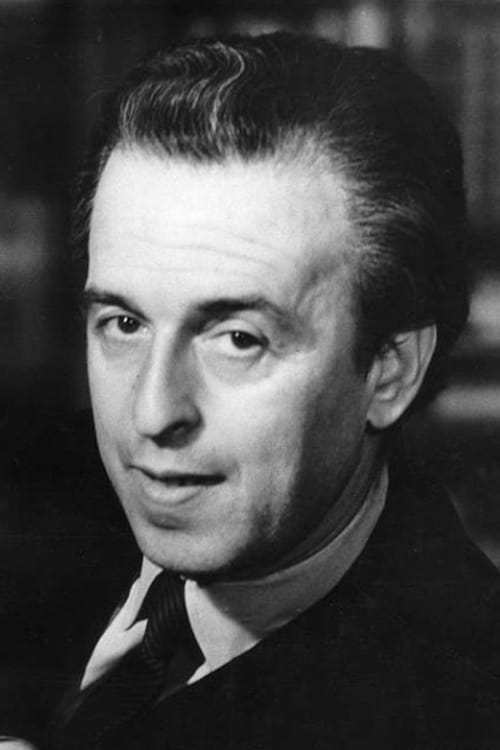
Ján Kadár
Directing
Biography
Ján Kadár (1 April 1918 – 1 June 1979) was a Czechoslovak filmmaker.
Known For
Television series Golden Sixties examines new insights into Czech and Slovak cinema of the 1960s and the role of the Czechoslovak New Wave. Each episode focuses on a different filmmaker.
Golden Sixties
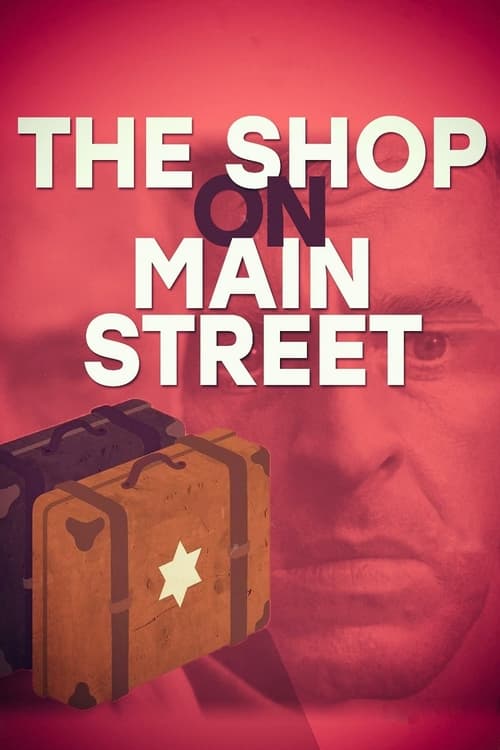
In a small town in Nazi-occupied Slovakia during World War II, decent but timid carpenter Tono is named "Aryan comptroller" of a button store owned by an old Jewish widow, Rozalie. Since the post comes with a salary and standing in the town's corrupt hierarchy, Tono wrestles with greed and guilt as he and Rozalie gradually befriend each other. When the authorities order all Jews in town to be rounded up, Tono faces a moral dilemma unlike any he's known before.
The Shop on Main Street
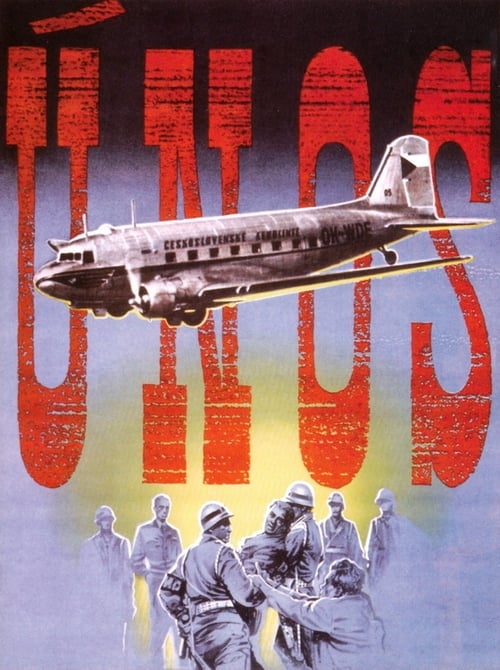
American agents hijack a plane on the Ostrava-Prague route to launch a campaign against the People's Democratic Czechoslovakia. The plane lands in West Germany, but the Americans have an unexpected problem convincing the hijackers to stay in the West. Based on a true story.
Kidnapped

Ex-slave and former Union soldier Gideon Jackson represents other ex-slaves at the constitutional convention, and is soon elected to the U.S. Senate despite opposition from white landowners, law enforcement and the KKK. He unites with sharecropper Abner Lait, who helps Jackson unite ex-slaves and white tenant farmers.
Freedom Road

Morris Mishkin is a elderly religious Jew in New York. His wife Fanny is very ill. He's a tailor, but he can't work because his back has given out. He doesn't even have enough money for Fanny's medicine. Finally, a black fellow appears from nowhere in the Mishkin kitchen. He says he's an angel from God, sent to help Mishkin. The black angel is even Jewish, named Alex Levine? But will Morris believe in the angel? And can the angel perform the miracle that he promises?
The Angel Levine
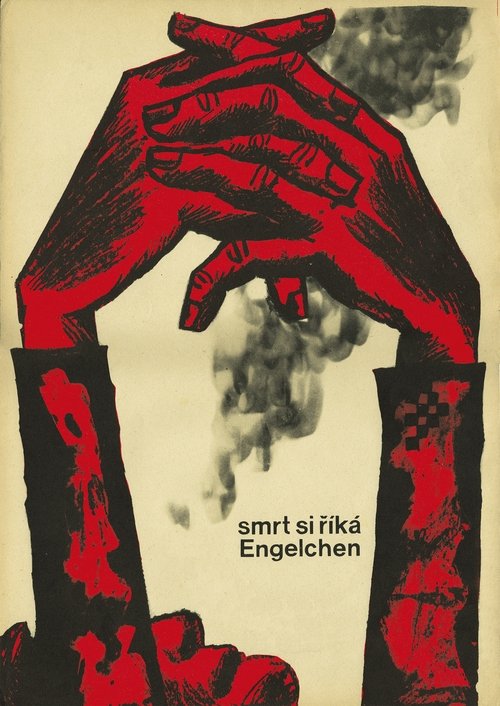
Pavel is a Czech partisan fighter in the waning days of the war. Just as peace is declared, Pavel is shot in the spine and sent to the hospital emergency ward. As he fades in and out of consciousness, he recalls the events that led to his participation in the underground. Holding German occupation commander Engelchen responsible for all the horrors and deprivations heaped upon his comrades, Pavel is kept alive by the possibility of recovering and exacting vengeance upon the Nazi officer - no matter how long it takes.
Death Is Called Engelchen
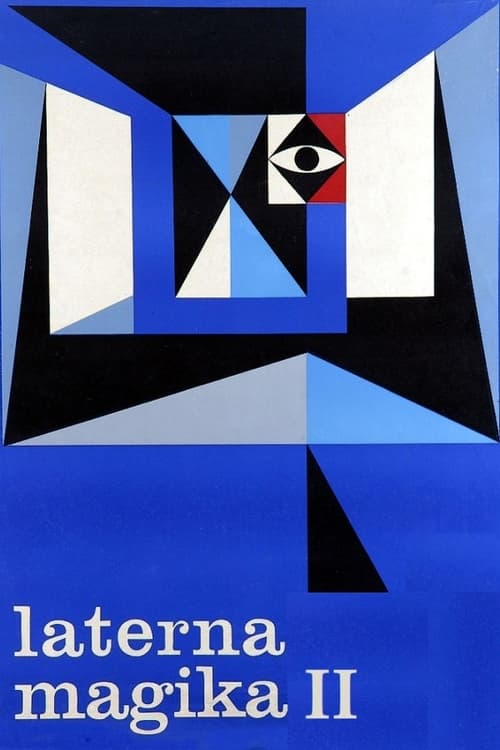
A film of the Czech multimedia theatre production, Magician's Lantern. Eight Czechoslovak directors filmed a choreographic performance conceived and directed by director Alfred Radok and artist Josef Svoboda. This performance consists of twelve scenes: "Introduction", "Airport", "Rhythms", "Cymbal Concert", "Inspiration", "Hoop Dancer", "Spartakiade", "Dvořák's Slavonic Dance", "Prague Spring", "Love is a Fatal Game", "SL'UK", and "Finale".
Laterna magika II
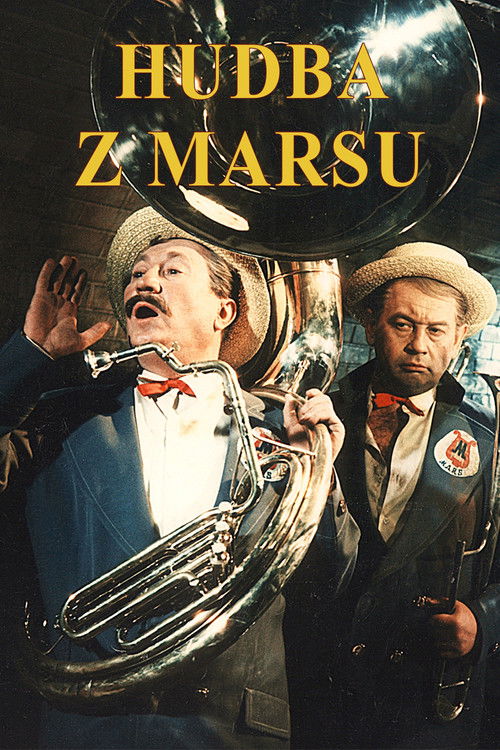
The employees of the furniture company MARS welcome a rare visitor with hired music. Their boast that they would put together an orchestra is taken seriously, so they receive a small gift - musical instruments for thirty musicians.
Hudba z Marsu

An epic exploration of the Czechoslovak New Wave cinema of the 1960s and 70s, structured around a series of conversations with one of its most acclaimed exponents - Closely Observed Trains director Jiří Menzel.
CzechMate: In Search of Jiří Menzel
The Slovak National Uprising, as the purgatory of a compromised nation in Ján Kadár’s accounting film.
They Are Personally Responsible for Treason of the National Uprising!
A documentary about the 11th All-Sokol Rally in Prague in 1948, focusing in the first part on performances by schoolchildren, youth days, and their parade.
Píseň o sletu – I. část – Mládí
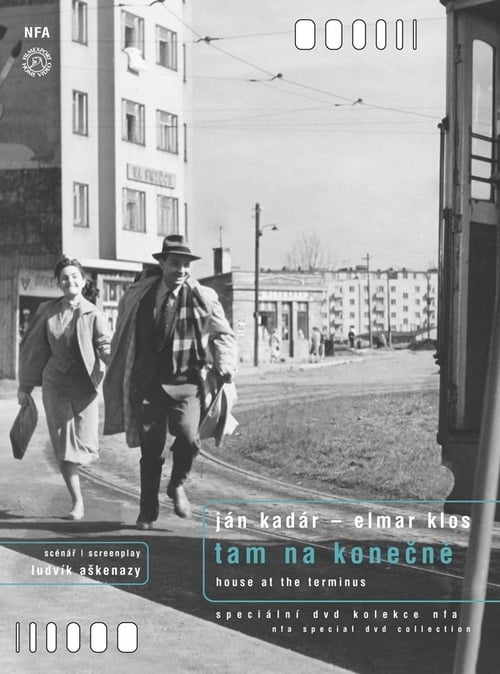
Several bittersweet stories set in a Prague apartment building.
At the Terminus
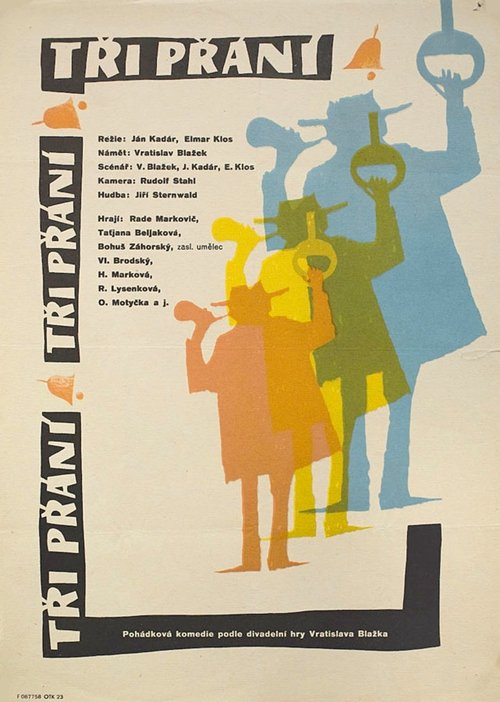
The sad hero of the story, Petr, an ordinary lawyer in a construction company, is crowded into a small apartment in Žižkov with his wife and grandparents, desperately struggling with the lack of money. One day he offers an old man a seat on a crowded trolley bus and is generously rewarded for his good deed, for the unknown old man is a fabulous grandfather. He gives Peter a magic bell and the opportunity to make three wishes, but the first two slip through his fingers. For the third, the astonished man must take time to think...
Three Wishes
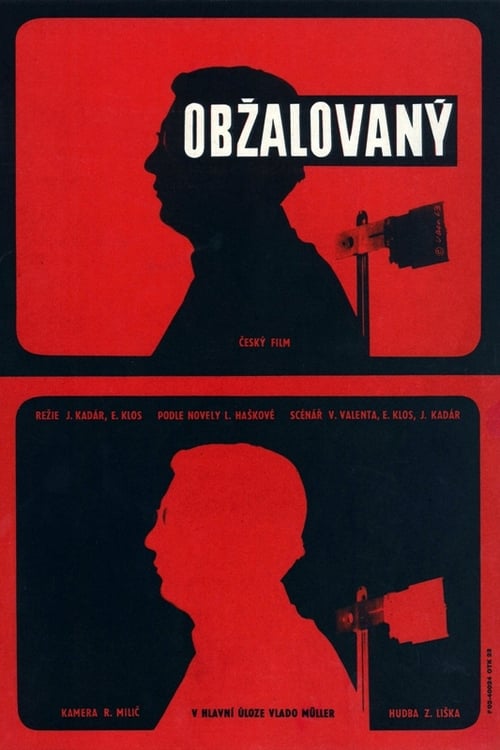
Managers at the construction of a big hydro plant are accused of having embezzled money.
Defendant
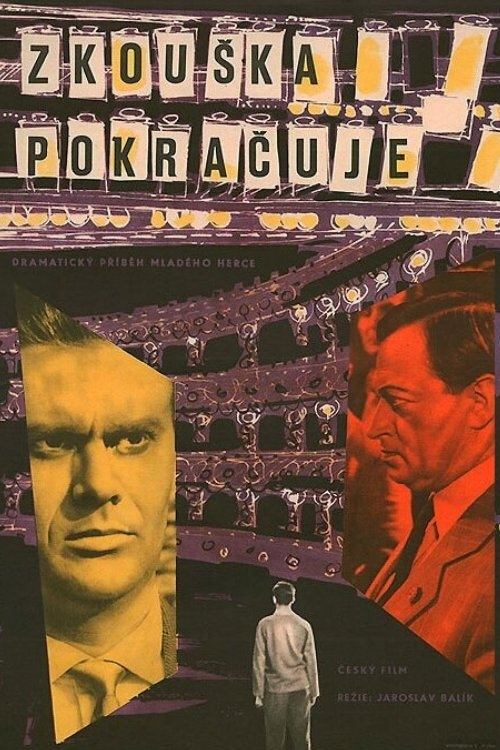
As a young actor František Lukávec and his teacher Vladimir Tuma became enemies. František insisted that Tuma was dismissed from the school as a reactionary and hostile to the new government. Many years passed, and here they met again on the stage of a theater. František is assigned the role of Julius Fucik, Tuma plays the role of a Gestapo man in the same play. In the course of the action, the Gestapo man beats Fucik. Taking advantage of this opportunity, Tuma beats up his old enemy during the dress rehearsal. Frantisek's face is bleeding, but he will still play. The rehearsal continues...
Zkouška pokračuje
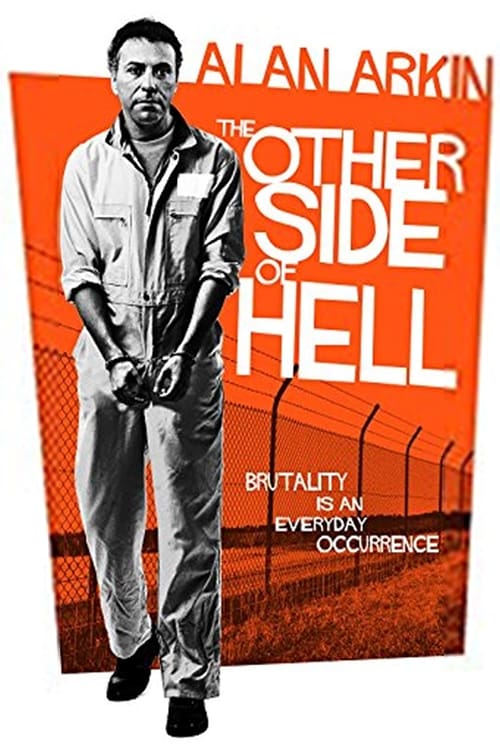
A disturbed, but highly intelligent man is sent to a criminally insane hospital to serve time and rehabilitate. But when he arrives, he discovers it's in fact a closed world where brutality is an everyday occurrence.
The Other Side of Hell
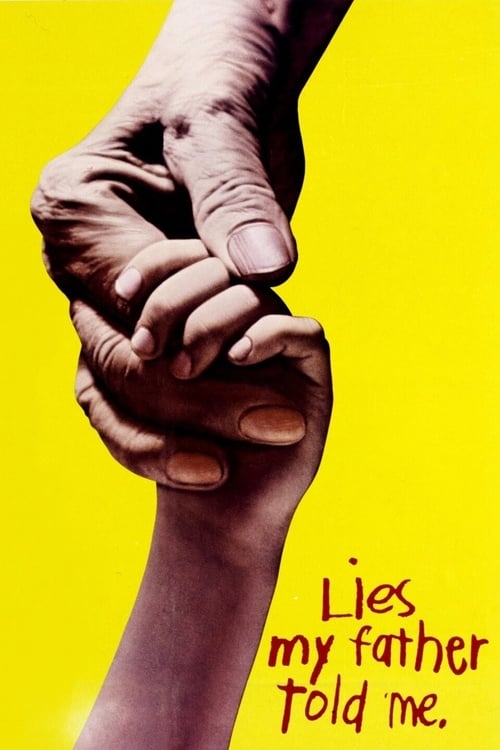
A Jewish boy grows up in 1920s Montreal with a grandfather who tells stories and a father who won't work.
Lies My Father Told Me

A fisherman saves Anada, a woman adrift, from drowning. He takes her to his home, and protects her. Eventually, she occupies a larger place than was to be expected. He commits adultery with her, but his own wife seems to be in love with the strange young woman.
Adrift
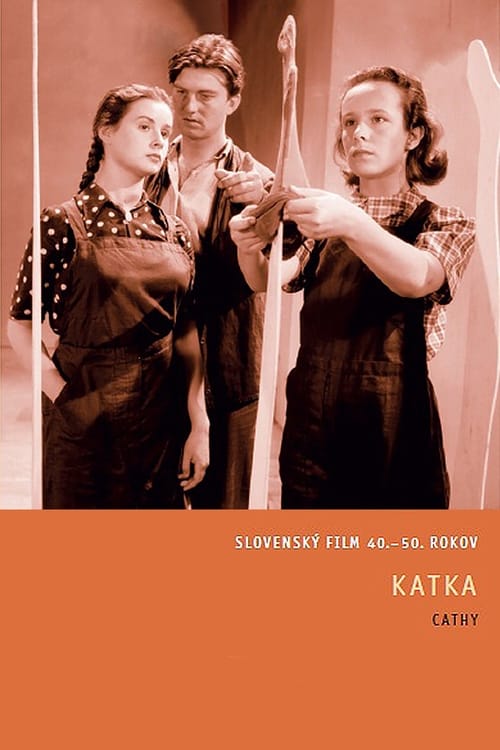
Strong-willed peasant girl Katka disobeys her father and heads to the city to work in a factory, where no one knows quite what to make of her.
Katka
No description available.