Directing
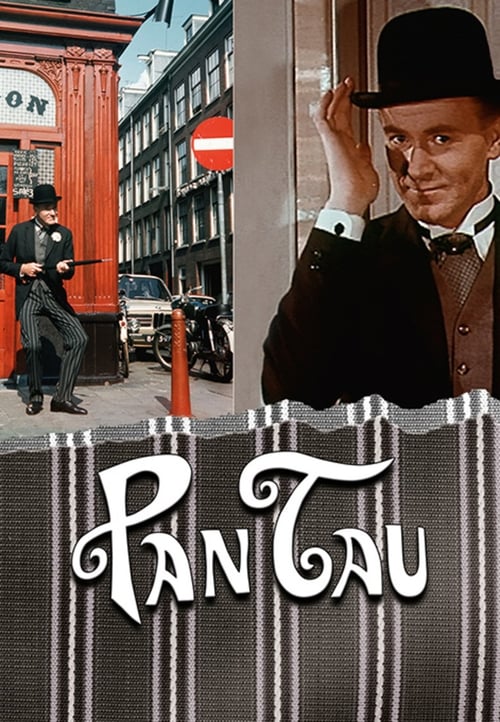
Pan Tau always had a gentle expression and a friendly smile, he was elegantly dressed in a stroller, with an umbrella and a white carnation in the lapel. Foremost, he was famous for his magic bowler hat. By tapping on his hat, Pan Tau was able to change his appearance into a puppet, to conjure up miscellaneous objects or to do other magic. His most characteristically behavior is that he would help children who were experiencing some sort of difficulties in-between their dreams and reality, like finding a place for skiing, settling family problems on Christmas, and even give a boy a good time at a fair when he is supposed to have piano lessons. To adults, he usually remained invisible.
No description available.
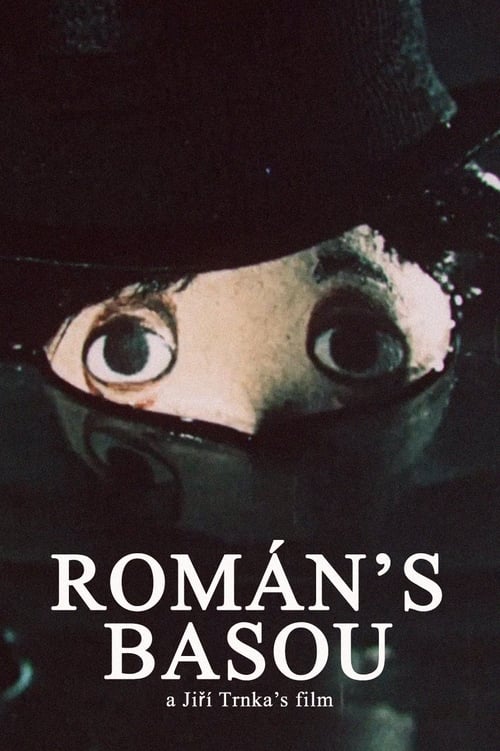
"Román s basou" is another short by master a stop-motion puppet-animator Jiri Trnka. The story is based on Anton Chekhovs story "Roman s Kontrabasom". Princess Bibulova decides to go fishing along the river while not far away a bass player leaves his two companions to go for a swim.
An animated singing western short in which a cowboy takes on the villain to save his beloved.
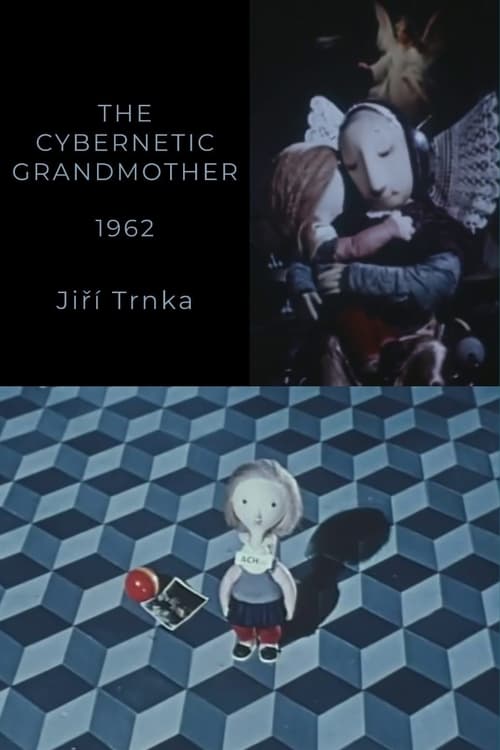
Trnka’s sci-fi vision of the future in which machines and robots try to substitute themselves into the most beautiful human relationships. A cybernetic robot is supposed to substitute for the loving grandmother of a little girl. The wise grandmother, however, comes back and the girl finds the warmth of her grandmother’s loving arms again. Trnka’s artistic ideas in this film can be described as both poetically fragile and dramatically cautionary.
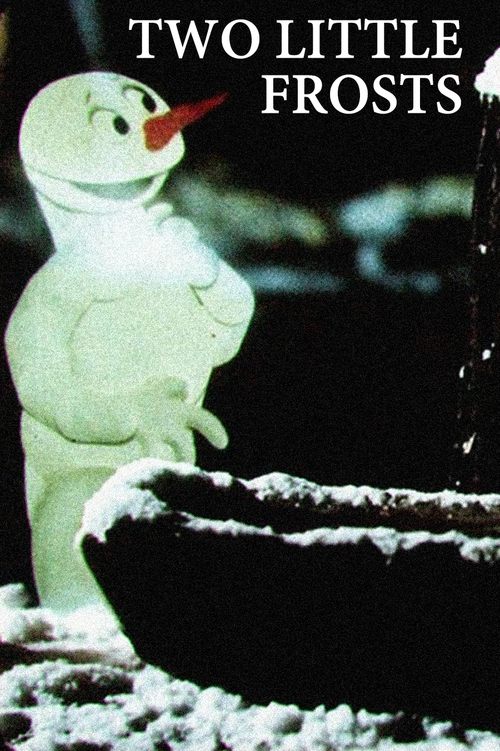
Two mischievous frost spirits make things chilly for a pair of travelers in this wintry comic folktale.
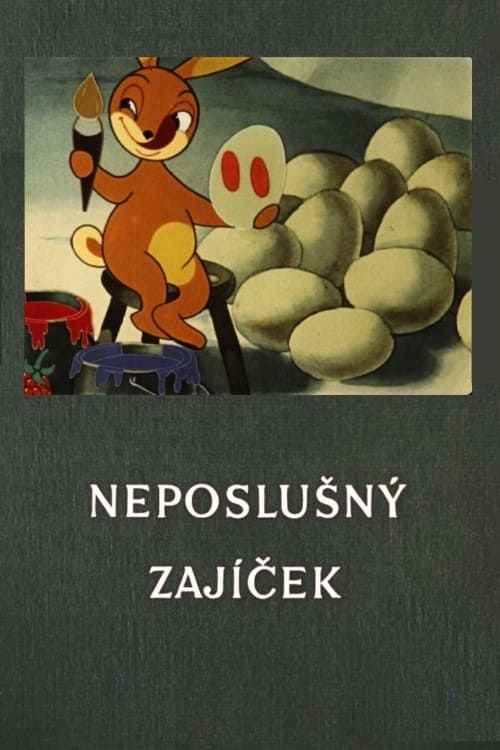
A grotesque story about the mischievous bunny's antics while decorating Easter eggs.
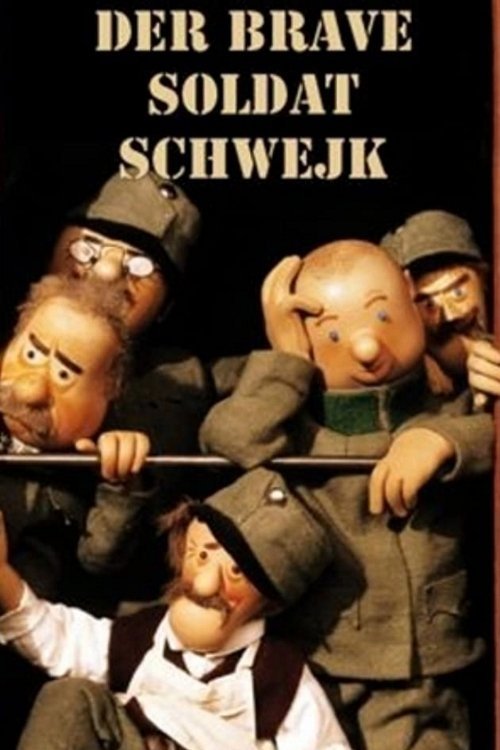
Látal's nine-part puppet series completes Trnka's thirty-year-old work on Švejk. He thus completed the adaptation of Jaroslav Hašek's most famous literary work, a tragicomic satire about the wartime adventures of the eccentric Josef Švejk, in a puppet version based on Lada's artistic style.
A humorous modern fairy-tale about boys who woke up a mammoth in a school biology room and experienced a lot of adventures with it. After numerous events in which they discover the worst part of their act the boys eventually find out that going to school is quite nice.
Hurvinek cannot go to a circus because he injured himself when sliding down the stair rail. He daydreams that he is an acrobat riding a scooter and an animal-trainer taming beasts. (MUBI)
An old woodblock train meets its shiny new electric replacement one Christmas Eve in this glowingly nostalgic stop-motion toy story, directed by Bretislav Pojar and featuring gorgeous design by Trnka.
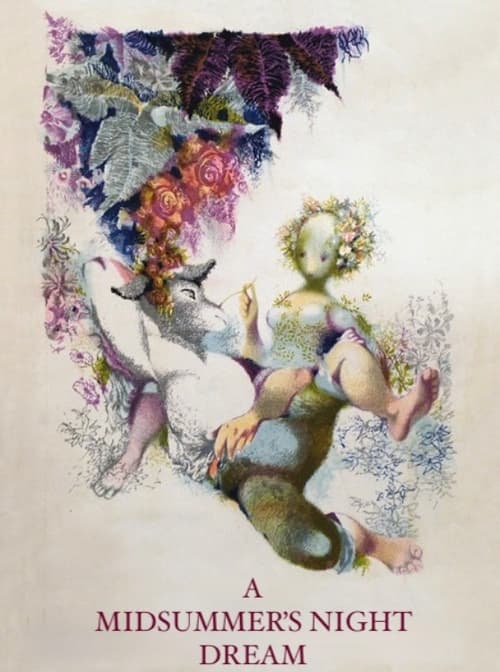
The first puppet film shot in CinemaScope. It is based on the famous poetic comedy by William Shakespeare. Three worlds meet in this story: the noble world of three Athens couples, a common popular world of tradesmen amateur theatre and a fairy-tale happiness of magic creatures as elves and nymphs. The film is considered the most remarkable Jiří Trnka's work and a milestone in the history of the world animation.
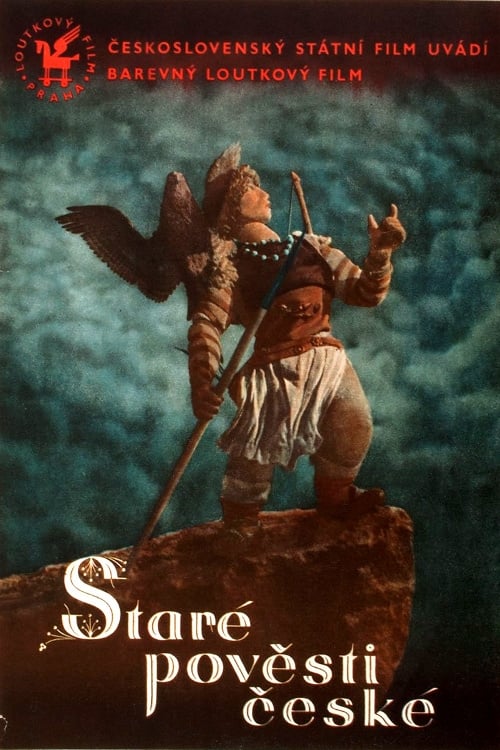
A monumental piece of art bringing the heroes of the ancient Czech myths back to life. The picture consists of seven parts: Cech the Forefather, Bivoj, Libuse, Premysl, Girls War, Horymir, Lucka War.
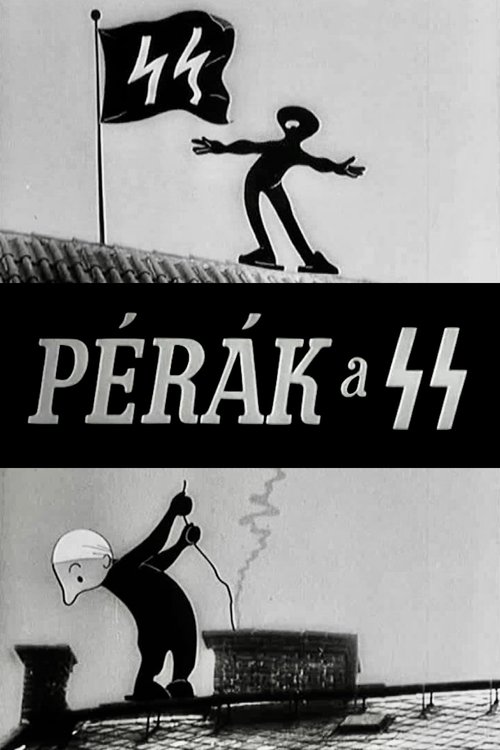
The first animated picture made by Jiří Trnka for adults. It is a comic story of a legendary chimney-cleaner who, with the help of a spring from an old lounge-chair, became the terror of the Prague-occupying SS troops in World War II.
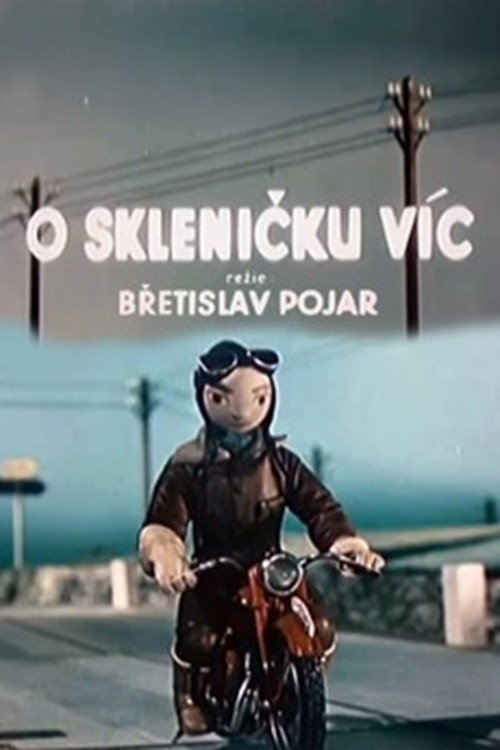
A careful motorcyclist stops by a cozy pub on his way home to his sweetheart.
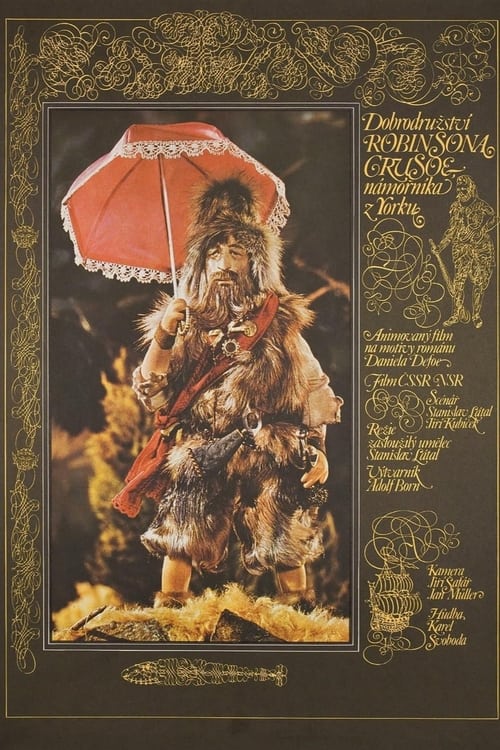
The picture, unlike the other film adaptations of the story, focuses much more on Crusoe’s life before and after his stay on the island. Following the principle of setting the novel right, it describes Crusoe’s experiences with delicate irony and understanding.