
Leoš Suchařípa
Acting
Known For
No description available.
Dobrodružství kriminalistiky
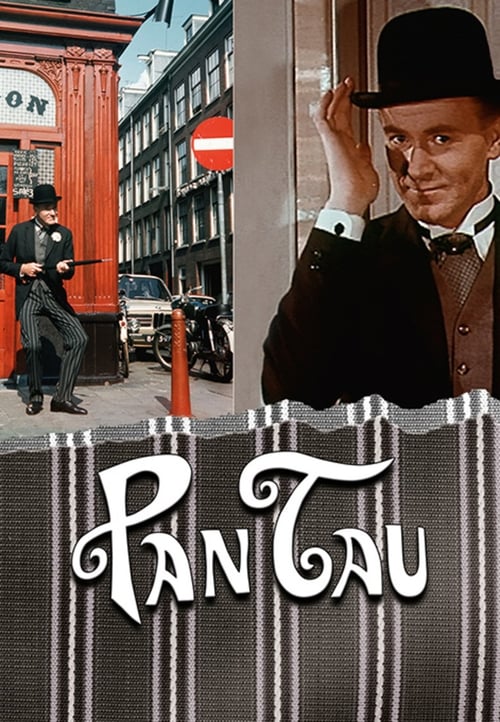
Pan Tau always had a gentle expression and a friendly smile, he was elegantly dressed in a stroller, with an umbrella and a white carnation in the lapel. Foremost, he was famous for his magic bowler hat. By tapping on his hat, Pan Tau was able to change his appearance into a puppet, to conjure up miscellaneous objects or to do other magic. His most characteristically behavior is that he would help children who were experiencing some sort of difficulties in-between their dreams and reality, like finding a place for skiing, settling family problems on Christmas, and even give a boy a good time at a fair when he is supposed to have piano lessons. To adults, he usually remained invisible.
Pan Tau
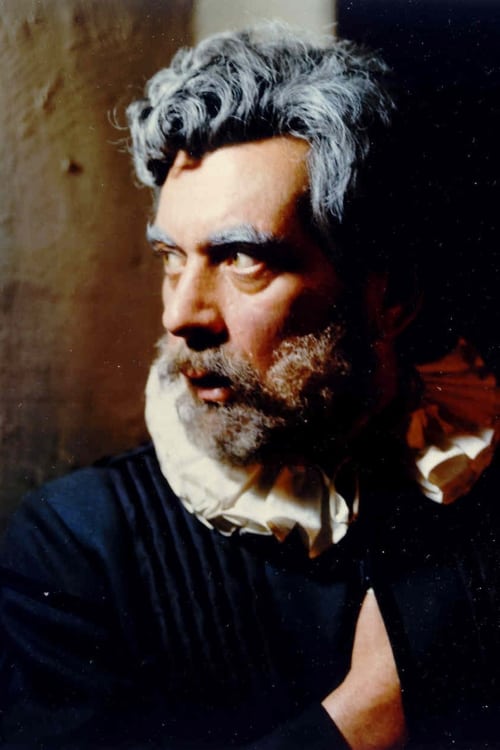
Series about the life of Renaissance anatomist, scholar and politic Johannes Jessenius. Already legendary series today, was produced by Czechoslovak Television Bratislava, directed by Slovak director Miroslav Luther in the first half of 80's in Barrandov Studios in Prague. The story and screenplay of the series wrote Czech writer Vladimír Körner. Five-episodes epic historical narration is a biographical story of distinguished Renaissance scholar, anatomist and politic of Slovak origin, Johannes Jessenius (Ján Jesenský, 1566–1621). It displays his life from the first studies and successes. In 1594 he became professor of surgery and anatomy on Wittenberg University, which he had attended years before. From that moment, his life went through social and personal wins and losses, to the sad end on the Prague Old Town Square gallows, among 27 noblemen, knights and burgenses, after lose Bohemian Revolt in 1621. His destiny was coupled with key events of Czech history in the break of 16th and 17th century, when Renaissance and European humanism slowly fade out.
The Physician of a Dying Time
This naively filmed adventure story draws from Robert L. Stvenson's novel, but adapts it to its own devices. It tells the story of a young Czech who witnesses the deceitful actions of a ship owner. In fact, the villain is enriched by the plight of Bulgarian patriots fighting against Turkish rule on the eve of World War I.
Vrak
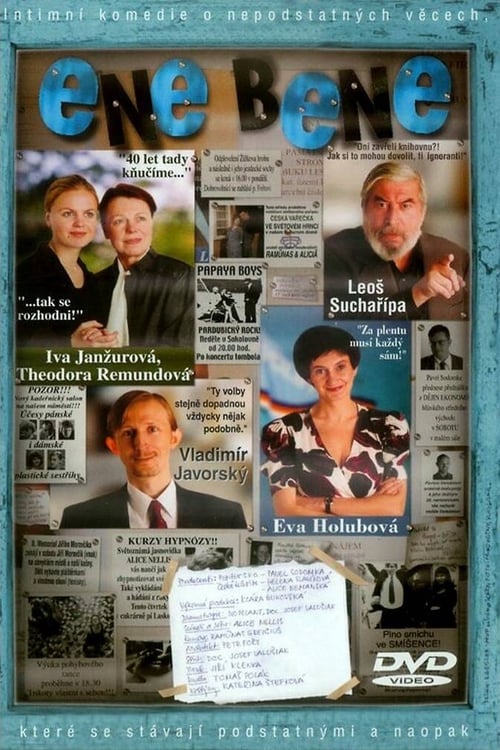
Alice Nellis's small-scale debut tragicomedy spotlights small-town elections. The protagonist, a university student name Jana (Theodora Remundová) who is trying to solve a troubled relationship with a married man, takes her mother's place on the election commission. In the meantime the mother (Iva Janzurová) is going through her own small domestic crisis with her husband (Leos SucharÃpa). Thanks to excellent acting performances and restrained direction, the film convincingly outlines interpersonal relations and their light social overtones.
Ene bene
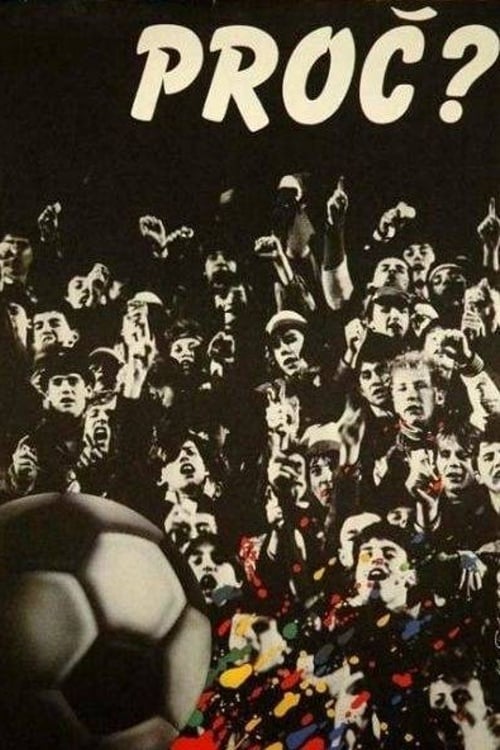
Why? (Czech: Proč?) is a 1987 Czechoslovak drama film directed by Karel Smyczek. It was screened in the Un Certain Regard section at the 1988 Cannes Film Festival. The film deals with the hooliganism in Czechoslovakia, particularly with the fans of football club Sparta from Prague, whose supporters were the pioneers of the football fan riots in Czechoslovakia, starting with hooligan actions already in the 1960s, like breaking the trains in which they travelled when they went on Sparta's away games. The film deals with one of such episodes
Why?
When a typical English mansion is sold, it turns out that an American ambassador is buying the castle with an unusual inhabitant - a 15th-century ancestral ghost, the husband of the original owner, Eleanor de Canterville. The ghost is serving a sentence for a violent act committed against his own wife. And only romantic love, in this case a poetic young man's love for Virginia, the ambassador's daughter, will free the ghost from the curse and the castle from the ghost.
The Canterville Ghost
A famous actress arrives at her brother's estate with her son and boyfriend, a writer. There they meet young Nina, who flies through their lives like a seagull...
Racek
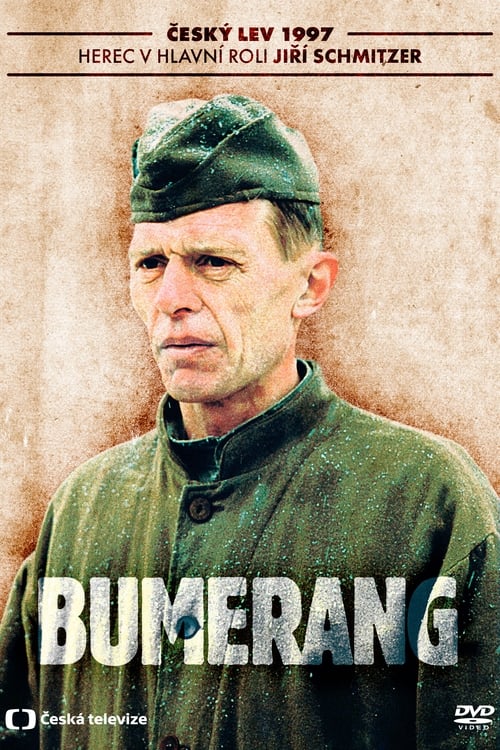
The story, written by former George Stransky former political prisoners and today's chairman Pen Club is situated to 50 years and uranium camp of political prisoners in Pribram, where after the fall of the Stalinist cult comes at the end of 1958 as a prisoner of the former Chief of Main Administration of correctional facilities Colonel Good. Former chief topic of coexistence, "a guard" and political prisoners in the Bolshevik camp served timeless makers to reflect on the possibility (or impossibility) of forgiveness and a sense of justice. The film, unfortunately, below expectations - mainly because of its rarity and lack syžetovou arching dramatic arc of the story, including natural gradation. Nice camera and vice versa are cast, formed literally myriad of top Czech actors. A representative of one of the main roles - Jiri Schmitzer in 1997 was awarded the Czech Lion.
Boomerang
No description available.
Nesmrtelný život a smrt Mikiho Volka, rokenrolového krále
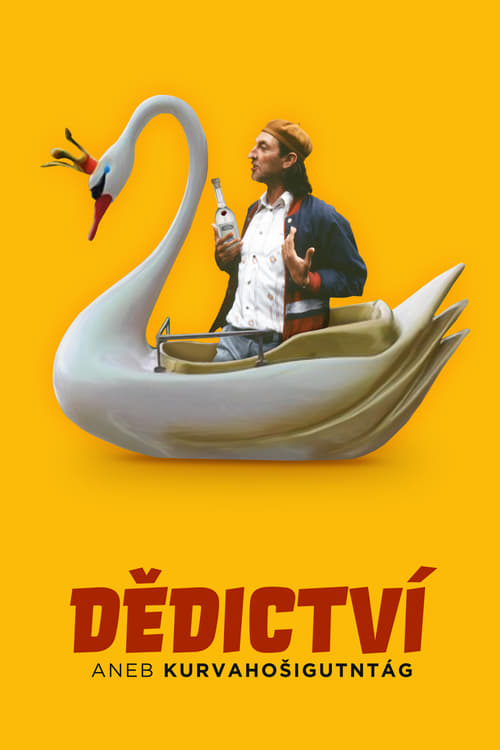
Bohus is indolent and spends his days drinking brandy. One day he finds he has inherited a brickworks, several shops and a five-star hotel. Bohus sets out to tour his new empire, insulting everyone on the way.
The Inheritance or Fuckoffguysgoodday
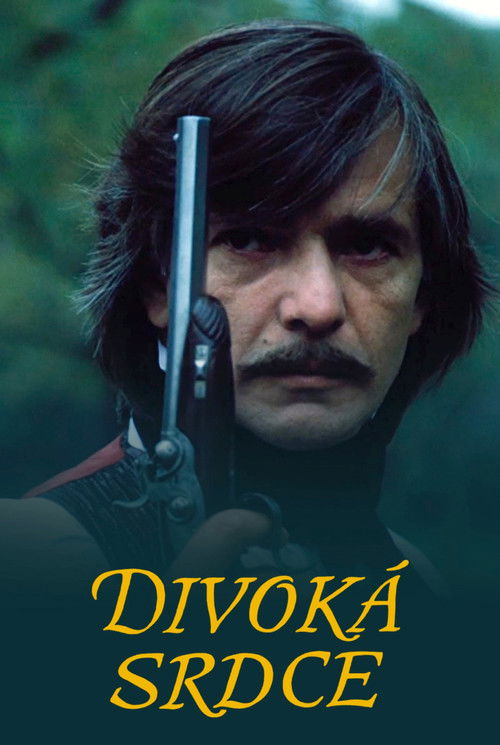
The common theme of the short story film is the famous duels between two important historical figures: Pushkin and Casanova. Pushkin's tragic duel, which ended his life prematurely, is portrayed in connection with the creation of his short story "The Dirty Shot", while Casanova's story is conceived in a rather ironic and humorous way. The point is that the famous seducer never actually seduced, on the contrary, all his life he was in a constant battle with female seductions.
Divoká srdce
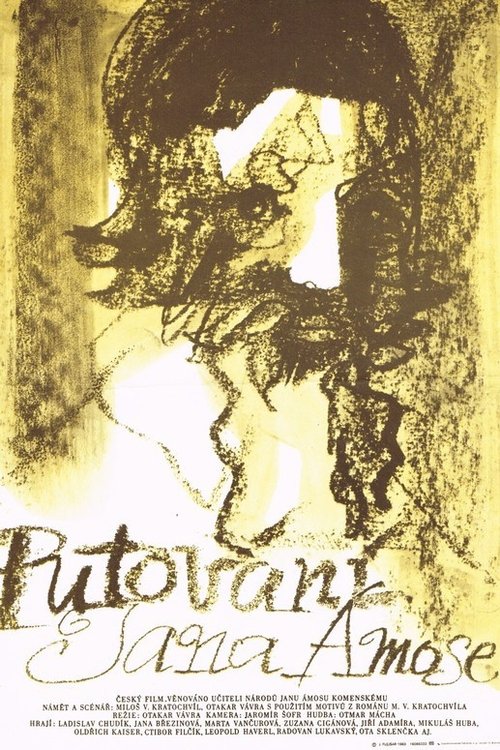
The distressing fate of the Czech great Jan Amos Komenský, forced to leave his homeland after the White Mountain disaster. It depicts his encounters with various European personalities of the 17th century - the Queen of Sweden, artists and scientists. It emphasises the hero's nobility, but also his inner resilience, which allowed him to overcome many personal and professional tragedies. The parable of The Labyrinth of the World and the Paradise of the Heart becomes part of the story. However, Comenius's concept is sculpturally lifeless and, in particular, the religious dimension is "erased" from it. The simplistic biography therefore does not avoid schoolboyish dryness.
Putování Jana Amose
A naive village girl, Valentýna, arrives in Prague and, under dramatic circumstances, becomes reluctantly entangled in the Karlín underworld as a novice prostitute controlled by the slimy gangster Pavouk and his bumbling henchman Milan. She repeatedly refuses the genuine support offered by the incorruptible mounted policeman Viktor Sokol, even as two eccentric observers serve as a choric commentary on the absurdities around them. Through parodic and poetic scenes, ranging from western-inspired mounted police sequences to a surreal “war” over exporting plastic gnomes, the film satirizes contemporary Czech society.
UŽ
At the beginning was the Slovak television series Lekár umierajúceho czasu (Doctor of Dying Time), dedicated to the Rudolphine-era scientist Jan Jesenius. He ended up on the scaffold along with other gentlemen after losing the anti-Habsburg uprising. When director Miloslav Luther conceived the idea of making an abridged version of the footage for cinema, he had to not only rebuild the storyline but also dub it into Czech. However, the result was only an illustrative puzzle, describing the various stages of the hero's turbulent life.
Svědek umírajícího času
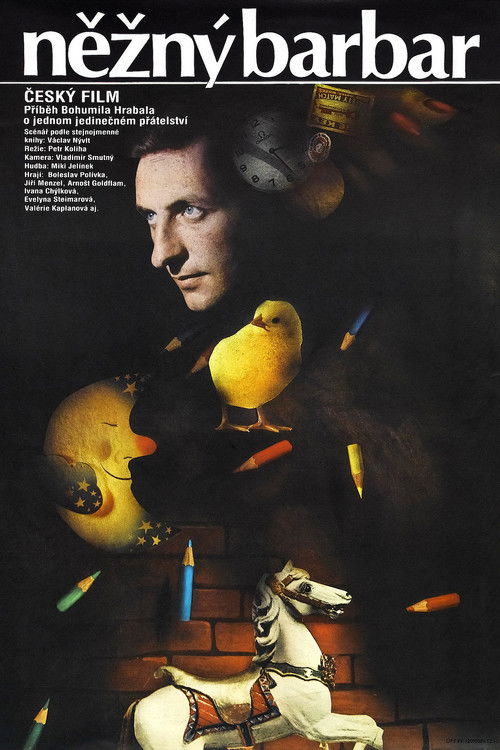
A commemorative and essayistic meditative piece on the Prague quarter Libeň during the 1950s.
The Gentle Barbarian
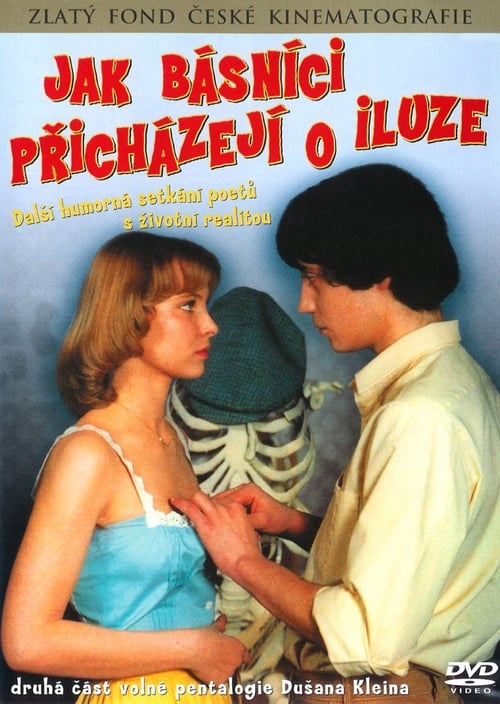
A story about a young medical school student and his adventures.
How Poets Are Losing Their Illusions
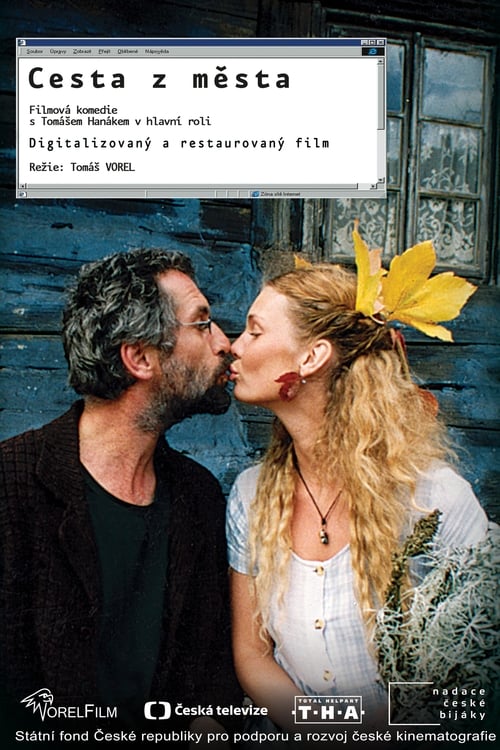
A computer programmer and his son are going out of the city for vacation.
Out of the City
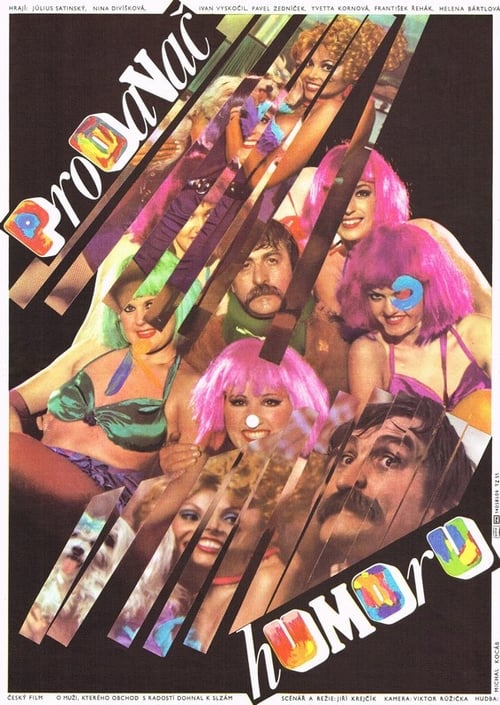
The honest and a bit naive director of a variety agency, Jožin Petránek, sits on the qualification committee that judges entertainers and performers of all kinds. The man firmly rejects any favouritism. But at work and at home, he's in for nothing but trouble. The rejected "artists" protest, and Jožin's wife Anna would like to promote her friend's daughter into show business. His new secretary Zuzana starts to seduce him. Petranek finally succumbs to the French chansonnier Madelaine. But Zuzana calls Mrs. Petrankova and she drives her husband away from the table and the bed. Eventually, Jozhin loses his position as director and becomes an ordinary stage recruiter. Now the real showbiz hype is just beginning for him...
Prodavač humoru
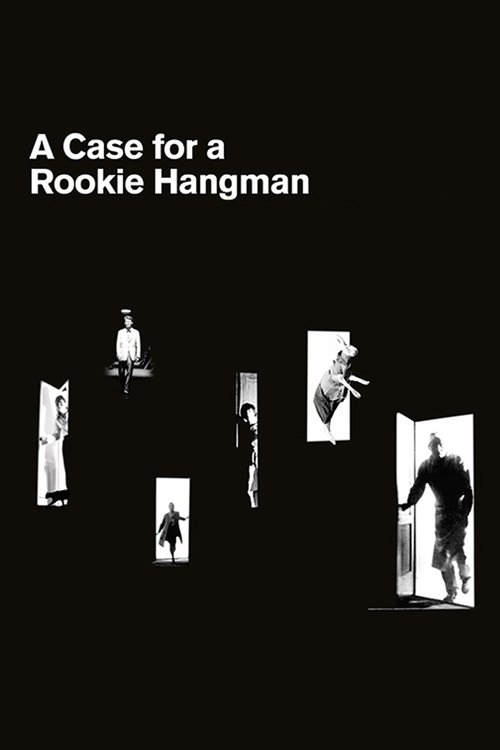
Lemuel Gulliver has had a car accident and continues his journey across the unknown countryside on foot. On the road he finds a dead rabbit dressed like a man and takes a watch from its waistcoat breast pocket. The half-ruined house that he enters reminds Lemuel of his childhood and brings up a painful memory of a dearly loved girl Markéta who was drowned years ago. Gulliver finds himself in Balnibarbi, a country where he doesn't understand the laws and habits and so continually offends against public decency. It is a day when people are ordered to keep their mouths shut and they force their visitor to follow suit. He faces harsh interrogation and finds it difficult to explain that he is not the rabbit Oscar whose watch has been found in his possession.