FEEL IT.STREAM
Mohammed Lakhdar-Hamina

Mohammed Lakhdar-Hamina

Directing

Biography

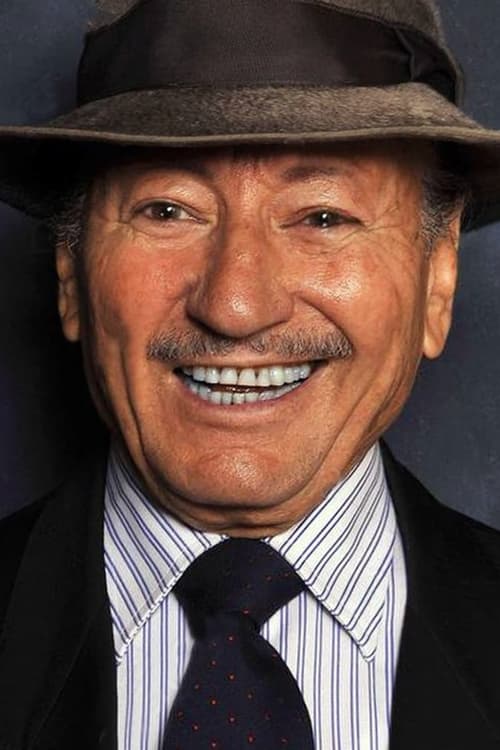
Mohammed Lakhdar-Hamina (26 February 1934 – 23 May 2025) was an Algerian film director and screenwriter. He is best known for his 1975 film Chronicle of the Years of Fire, which won the Palme d'Or at the 1975 Cannes Film Festival and became the first Arab and African film to win the award. He is one of the most prominent figures in contemporary Arabic cinema. Born on 26 February 1934 at M'Sila, Algeria, Lakhdar began his studies in his native country. He first became interested in the world of cinema at the Lycée Carnot in Cannes, France. After beginning studies of agriculture and law at French universities, he deserted the French Army in 1958 and joined the anti-French Algerian Resistance in Tunisia, where he worked for the provisional Algerian government in exile. His film career began as he joined the Algerian Maquis (guerrillas). In 1959, the Algerian National Liberation Front (FLN) sent him to Prague, where he pursued his cinematography studies at the cinema school, Film and TV School of the Academy of Performing Arts in Prague, the Czech academy for cinema and television. However, he quit his studies in order to work for the Barrandov Studios. Also in 1959, the Algerian ministry of information in exile commissioned Lakhdar-Hamina, together with Djamel Chanderli and Pierre Chaulet, to produce a movie about Algeria's predicament under French colonialism. The documentary film, titled Djazzaïrouna (Our Algeria), aimed at portraying the goals pursued by the Algerian nationalist guerrilla movement, the Maquis. In 1960, he joined the Service Cinema, created by the Algerian government in exile. In 1961, Lakhdar-Hamina collaborated with Chanderli in the movie Yasmina, which tells the story of a refugee girl who must flee her village following its destruction. Lakhdar-Hamina collaborated again with Chanderli in the 1962 The people's voice and 1961 The guns of freedom. Upon Algerian independence in 1962, he returned to his homeland where, together with his colleagues from Tunisian exile, he founded the Office des actualités algériennes, of which he was director from 1963 until its dissolution in 1974. From 1981 until 1984, he acted as director of the Office National pour le Commerce et l'Industrie Cinématographique, the most important institution for furtherance of the French film industry. One of his most recent films, The last image, was part of the Official Selection at Cannes Film Festival in 1986 and was nominated for the Golden Palm. Lakhdar-Hamina's son, Malik Lakhdar-Hamina, became well known after the release of his first long film, Autumn: October in Algiers (1992), a film that explores the riots of October 1988 through the microcosm of an Algerian family split by a Westernized versus Islamicized view of contemporary Algeria. His other son, Tariq Lakhdar-Hamina, is a film producer. On 23 May 2025, Lakhdar-Hamina died in his home in Algiers, at the age of 91. From its inception, Algerian cinema was intertwined with the ideological and existential debates that surrounded the Algerian war of independence and the postcolonial nation-building stage. ... Source: Article "Mohammed Lakhdar-Hamina" from Wikipedia in English, licensed under CC-BY-SA.
Known For

Spécial cinéma
9.5

Marcello Mastroianni, Isabelle Adjani, Alain Delon, Martin Scorsese, Woody Allen... the biggest stars in cinema were welcomed by Christian Defaye on his show Spécial cinéma. Between intimate confessions from actors and immersion in the world of the greatest filmmakers, Christian Defaye took viewers on a journey into the fascinating world of cinema for nearly thirty years.

Spécial cinéma

1974
Le Grand Échiquier
8.0

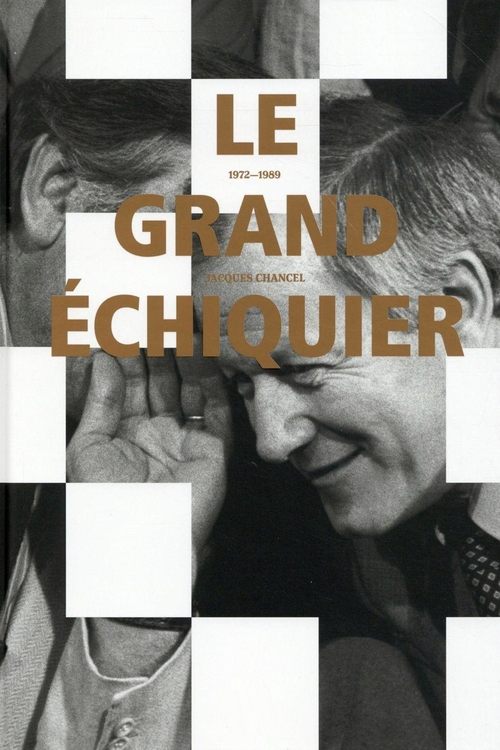
Le Grand Échiquier is a French variety television program created and presented by Jacques Chancel. It aired at 8:30 pm on the first channel of the ORTF from January 12, 1972 to July 12, 1972, then on the second color channel of the ORTF from September 1972 to December 1974, and finally on Antenne 2 from January 1975 to December 21, 1989. The program returned to France 2 on December 20, 2018 and is hosted by Anne-Sophie Lapix.

Le Grand Échiquier

1972
An Officer and a Spy
7.1

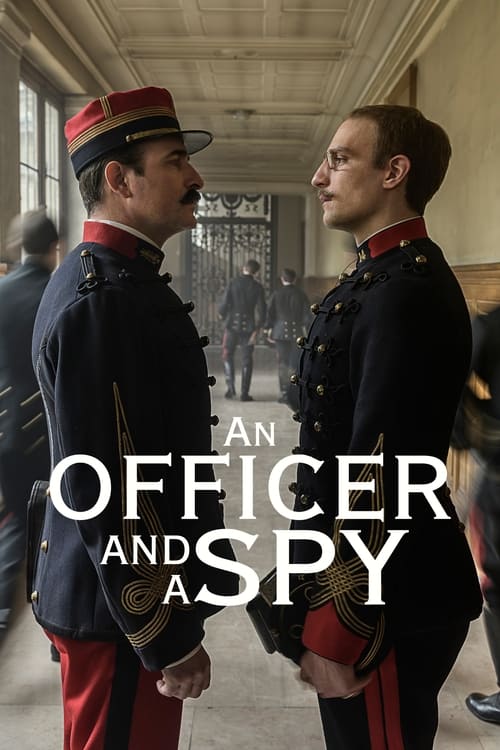
In 1894, French Captain Alfred Dreyfus is wrongfully convicted of treason and sentenced to life imprisonment at the Devil’s Island penal colony.

An Officer and a Spy

2019
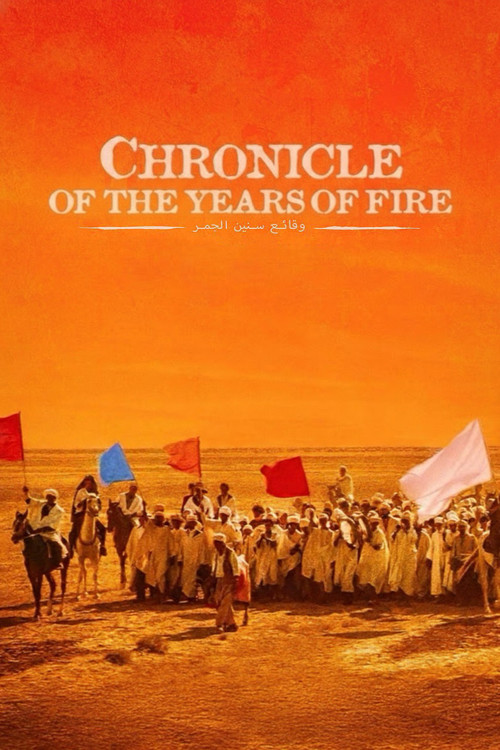
Chronicle of the Years of Fire
6.7

A meticulous chronicle of the evolution of the Algerian national movement from 1939 until the outbreak of the revolution on November 1, 1954, the film unequivocally demonstrates that the "Algerian War" is not an accident of history, but a slow process of suffering and warlike revolts, uninterrupted, from the start of colonization in 1830, until this "Red All Saints' Day" of November 1, 1954. At its center, Ahmed gradually awakens to political awareness against colonization, under the gaze of his son, a symbol of the new Algeria, and that of Miloud, half-mad haranguer, half-prophet, incarnation of Popular memory of the revolt, the liberation of Algeria and its people.

Chronicle of the Years of Fire

1975
Le Bal
7.0

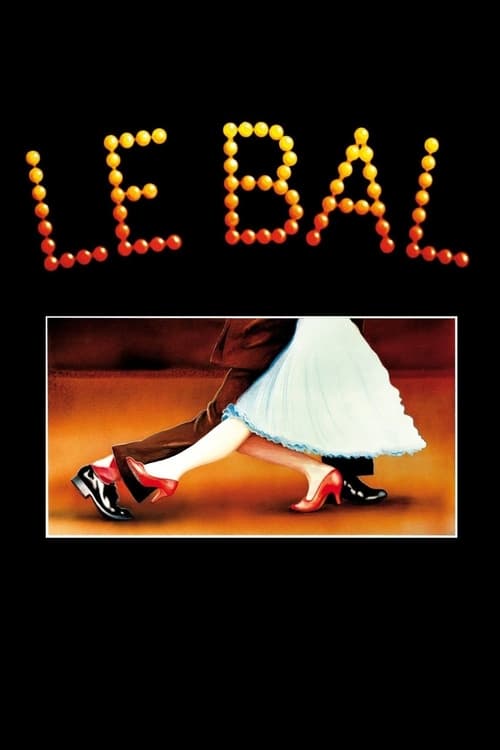
In a French nightclub, choreographed song and dance routines are performed, rather than a streamlined narrative. They tell the story of Parisian culture and politics from the 1920s—1980s. A disparate, anachronistic series of characters, including an ordinary waiter, a Nazi collaborator, resistance fighters, and 1960s student protestors gather to celebrate and satirize 20th century France's icons, demons, and social changes.

Le Bal

1983
Hassan Terro
8.5

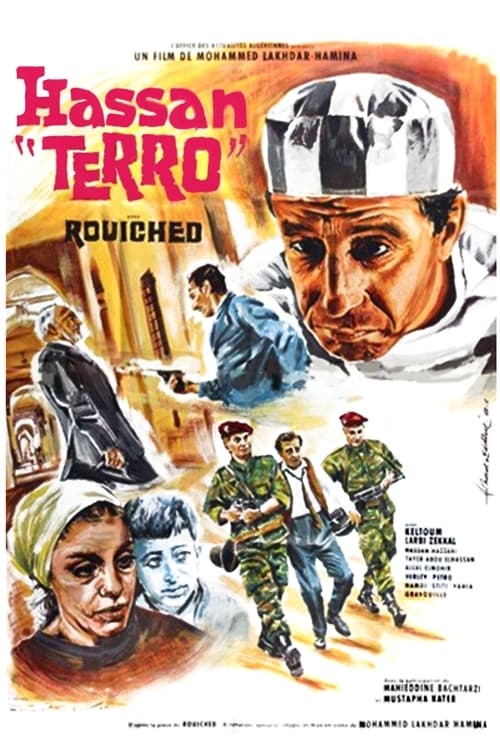
While he tries by all means to stay out of the bloody upheavals caused by the battle of Algiers, Hassan, an honest and naive father, unknowingly offers hospitality to a mujahid actively sought by the army. French. A series of events and misunderstandings quickly catapult him to the forefront, presenting him under the pseudonym “Hassan Terro”, a great fictitious terrorist who would have sworn the doom of the French army...

Hassan Terro

1967
The Winds of the Aures
6.8

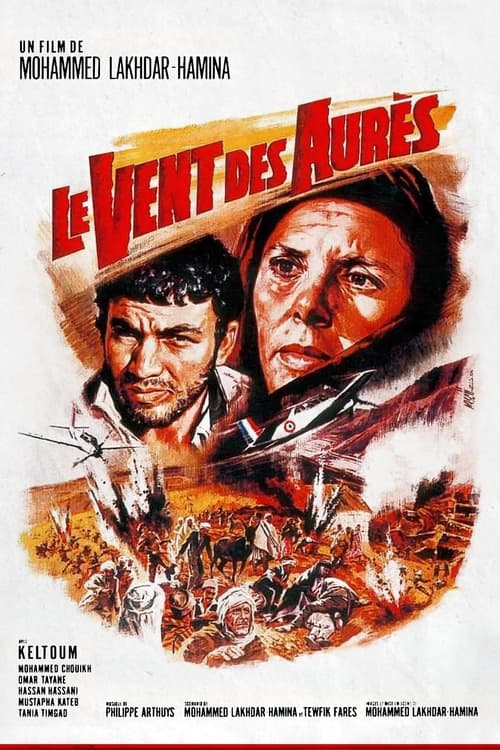
The transformations of the daily life of the Algerian people during the destructive French occupation, then during the war of liberation. While military repression is in full swing, a peasant woman finds herself alone in her mountain home when her only son is kidnapped by French soldiers shortly after her husband's death during a raid. One day, seeing a dead chicken, which she considers a bad omen, she decides to leave home and embarks on a painful journey through the mountains. Accompanied by a couple of chickens, she moves from one detention camp to another in a desperate search for her missing son. The film is inspired by the events experienced by the director's family.

The Winds of the Aures

1967
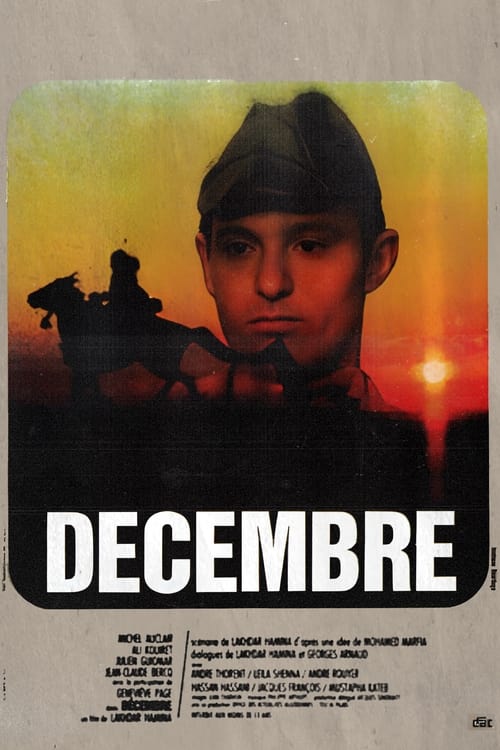
December
10.0

In Algiers, during the Algerian War of Independence, one of the leaders of the FLN was arrested by the French colonial army, which used the most violent methods to make the prisoners speak. The use of torture poses a conscience problem for a French officer. Playing shot-reverse-shot, between the tortured and his torturer, in a suffocating camera, Mohammed Lakhdar-Hamina approaches torture by drawing inspiration from the story of his father, who died of abuse.

December

1973
Arab Camera
6.0

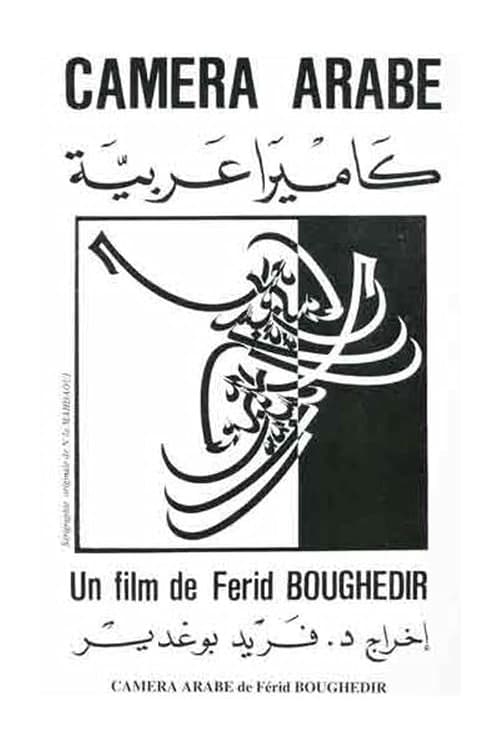
Focusing on key Arab films produced in the last 20 years. Férid Boughedir traces the development of the film-makers' concern to produce more socially aware cinema. Themes include the issue of Palestinian homeland rights and the nature of Arab identity. The film-makers also share a desire to develop a strong poetic tradition.

Arab Camera

1987
One Hero, The People
N/A

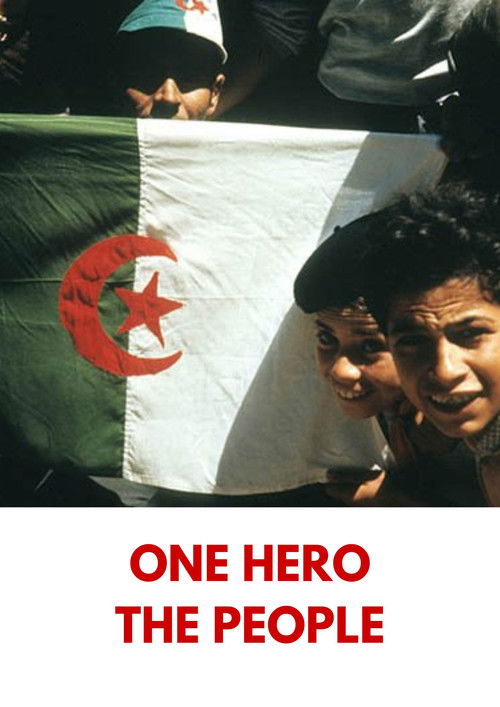
Adam Bensoltane takes us through the birth of Algerian cinema, in his native country, across the ages, exploring its evolution and its impact on the nation, politics, and the world.

One Hero, The People

2026
Our Algeria
10.0

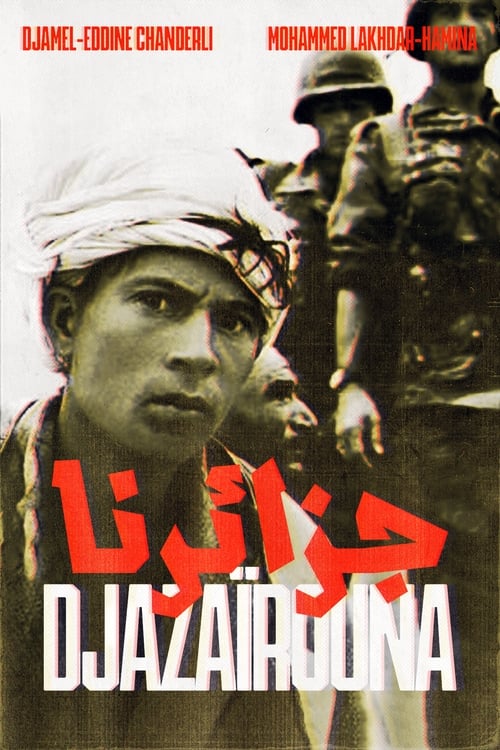
"Djazaïrouna", produced by the cinema service of the Provisional Government of the Algerian Republic (GPRA), is a montage film intended to inform the international community at the UN in 1959 on the objectives pursued by the Algerian resistance during the war of 'Algeria. Independence in Algeria (1954-1962). In 1959, Djamel-Eddine Chanderli and Mohammed Lakdar-Hamina produced Djazaïrouna (Our Algeria) from images taken by René Vautier and Doctor Pierre Chaulet. This film, completed a little later and will result in the film “The Voice of the People”. This documentary on the history of Algeria through a montage of current events, traces the political and military actions of the A.L.N, the demonstrations of December 1960, and the attack on a fortified French base on the border between Algeria and Tunisia.

Our Algeria

1959
De droomproducenten
10.0

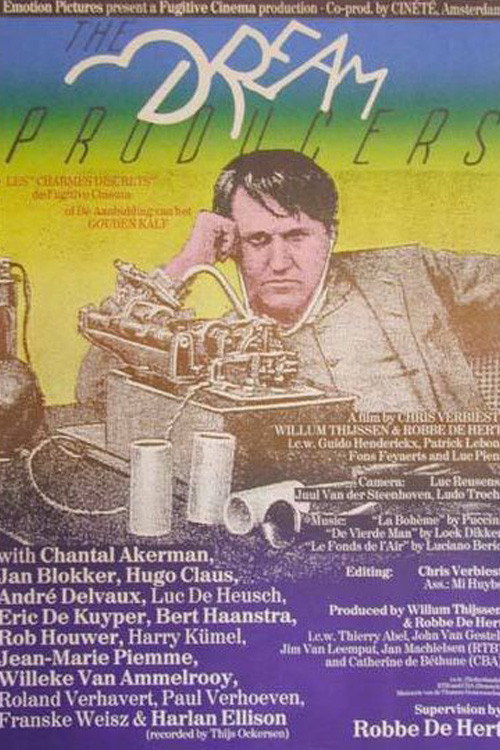
Documentary exploring why Belgian television doesn't invest more money in Belgian cinema as is the case in e.g. the netherlands.

De droomproducenten

1984
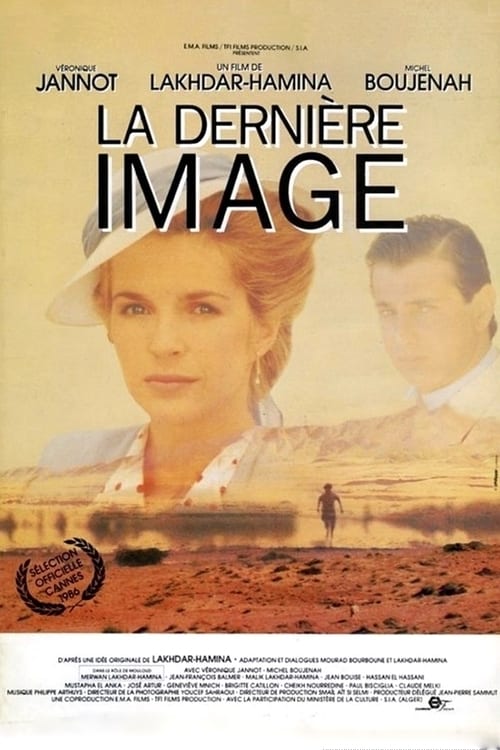
Last Image
N/A

Seen through the filtered lens of boyhood memories, award-winning director Mohamed Lakhdar-Hamina crafted this half-fictional, half-autobiographical account of a brief period in the history of an Algerian village. It is 1940, and the quiet town is ruled by French colonialists appointed by the Vichy government. Algerians are being called up for service in the Vichy military, and Jews in the village are in danger of deportation. A beautiful young schoolteacher named Claire Boyer (Veronique Jannot) arrives in town and turns every male head within miles, including 14-year-old Mouloud (Merwan Lakhdar-Hamina, the director's son). Simon Attal (Michel Boujenah), a fellow teacher and a Jew, is also attracted to Claire, and so is Mouloud's older brother. Suddenly two murders occur in the village, Simon is in danger of being deported, and the tone shifts from the dreams of boyhood to the realities of manhood.

Last Image

1986
Twilight of Shadows
8.0

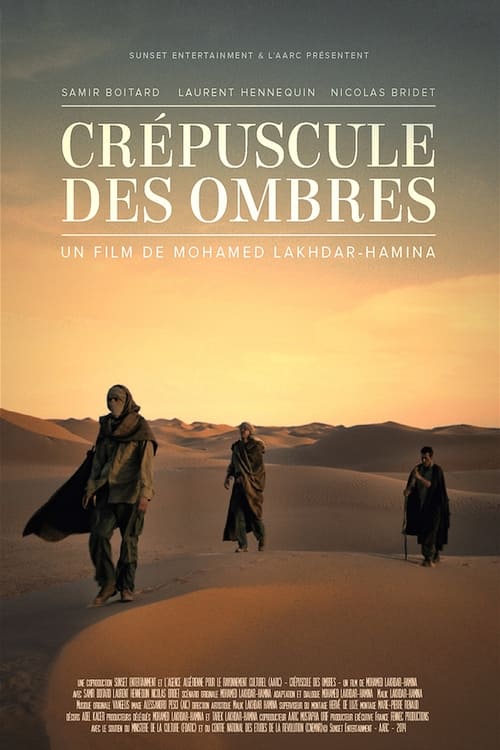
The film is set against the backdrop of the Algerian War. A determined French commander, who believes Algeria belongs to France, must deal with a soldier who rebels when asked to execute an Algerian freedom fighter. The finale is set in the blistering desert as the soldier seeks to escape

Twilight of Shadows

2014
Sawt Echaâb
10.0

“La Voix du Peuple,” composed of archival photographs by René Vauthier and others, exposes the root causes of the armed conflict of the Algerian resistance. Participating in a war of real images against French colonial propaganda, these images aimed to show the images that the occupier had censored or distorted, by showing the extortions of the French occupation army: torture, arrests and arbitrary executions, napalm bombings, roundabout fires, erasing entire villages from the map, etc. This is what the French media described as a “pacification campaign”.

Sawt Echaâb

1961
Sandstorm
10.0

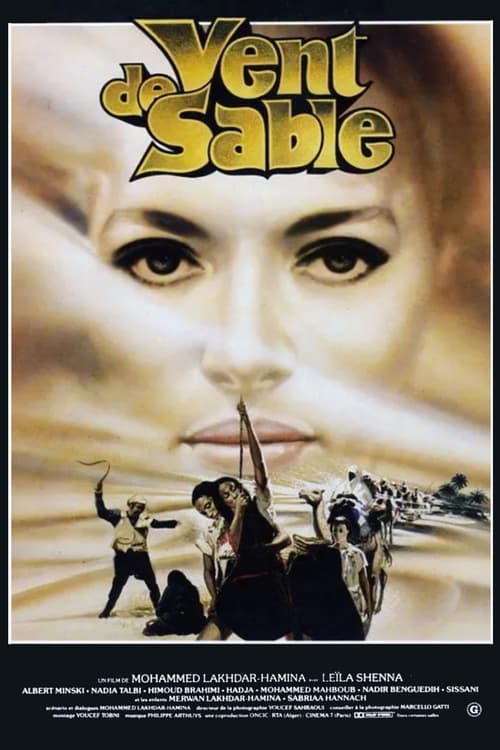
Seen right through the sandstorms that rack the lives of a tribe living on a desert oasis, is a subtle and not-so-subtle mistreatment of the female members of the tribe - tribal chiefs have the right to be the first to deflower virgins, and single or widowed mothers must walk a narrow line of behavior restrictions that do not apply to their male counterparts. Both genders, however, fight the brunt of the harsh desert winds together.

Sandstorm

1982
No image
N/A

A poetic essay. An Algerian soldier wanders through Algiers and the countryside, whilst a voiceover of the soldier's mother laments his death.

Frozen Image

1965
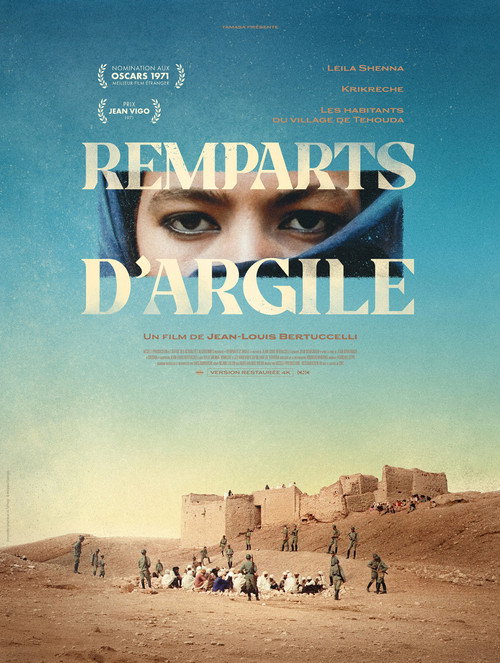
Ramparts of Clay
7.1

In a village on the edge of the Sahara, Rima, a 19-year-old orphan, dreams of learning, of discovering, of living free while the men of the salt mine go on strike. The authorities react by sending the army, Rima decides to help the strikers by trapping the soldiers. Co-produced with the Office des Actualités Algériens and shot in the region of Téhouda, 50 kilometers from Biskra, this Franco-Algerian film is fully part of the cinematographic heritage of both shores of the Mediterranean. Bertuccelli adopts the technique of cinema verite, with non-professional actors from the village itself, giving the film a striking documentary texture and a rare force of authenticity. Carried by the moving interpretation of Leila Shenna in the role of Rima, the actor Krikèche and lulled by the music of Taos Amrouche, the film questions female emancipation, social resistance and the relationship with the territory.

Ramparts of Clay

1970
Guns of Freedom
10.0

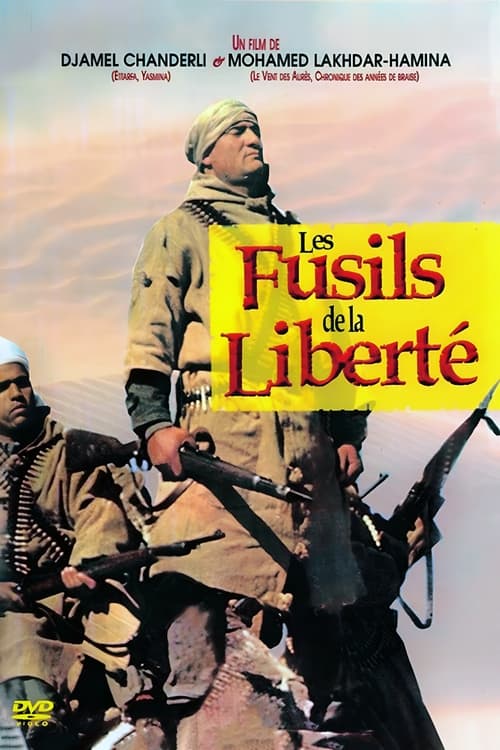
This docu-fiction recounts the difficulties overcome by an ALN ​​detachment whose perilous mission is to transport weapons and ammunition from Tunisia across the Algerian Sahara during the Algerian liberation war (1954-1962) against the French army of occupation.

Guns of Freedom

1961
Yasmina
10.0

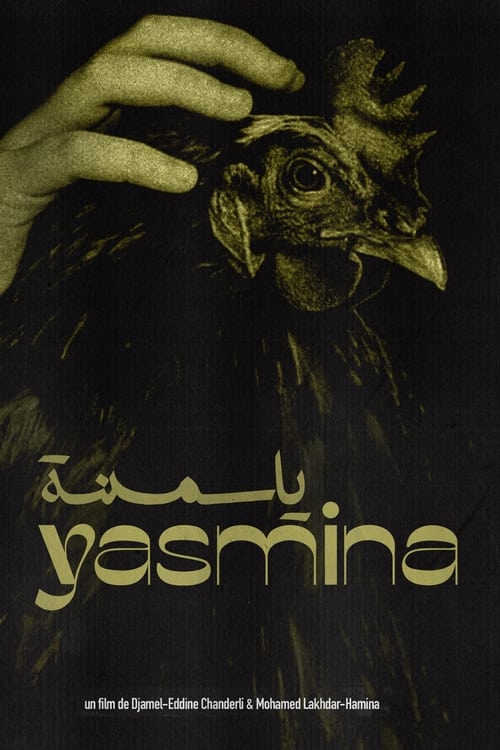
"Yasmina" filmed in 1961 in the middle of the Algerian war tells the story of a little Algerian girl with her hen and her family whose father was killed in a bombing by the French colonial army of occupation. The family, after a long journey, heads towards the refugee camps on the Tunisian border. Produced by the Cinema Service of the Provisional Government of the Algerian Republic (GPRA) in the midst of the war of independence, these films were intended to re-inform the population and international public opinion on the abuses committed by the French colonial army: torture, arrests and arbitrary executions, napalm bombings, fires in douars, entire villages wiped off the map, etc. which the French media described as a "pacification" campaign. The latter censoring or reorienting any images that could harm the colonial narrative.

Yasmina

1961