Acting
No description available.
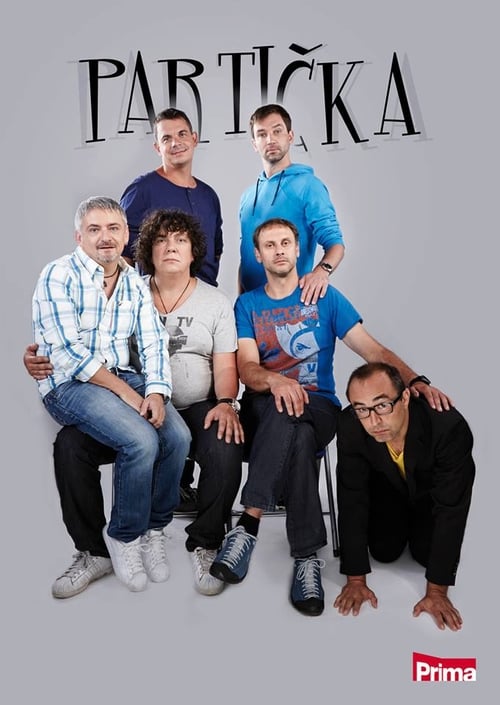
Partička is an improvisation show of Prima TV, based on the Slovak version of the same name. The entire program is based on the improvisation of four actors in different games. As in the Slovak version, Daniel Dangl accompanies the show, and Marián Čurko is the music.
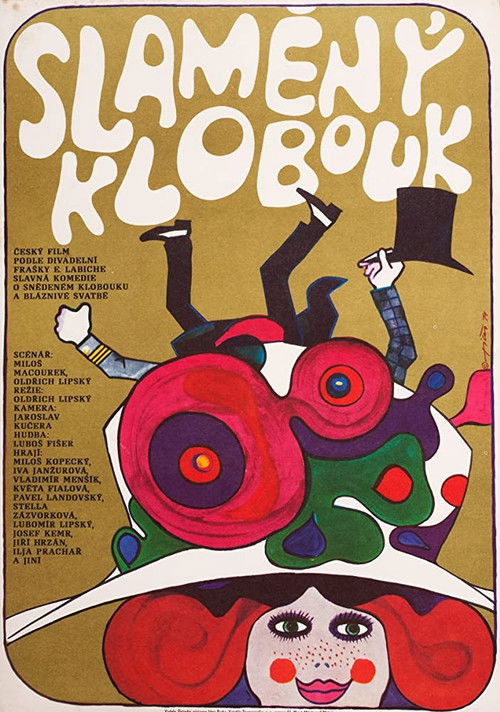
Slacker Maurice Fadinar wasted his whole inheritance and the only way out of this situation, as it seems, to marry Helen Nonankur - daughter of a wealthy farmer. At the last meeting with his mistress in a nearby forest Fadinar's horse eats straw hat which belongs to a married lady, spending time in the company of young and hot Lieutenant Emil. Emil literally puts a knife to Maurice throat - or the lady will get back the exact same hat immediately, or he will arrange such a scandal that no wedding will not happen ...
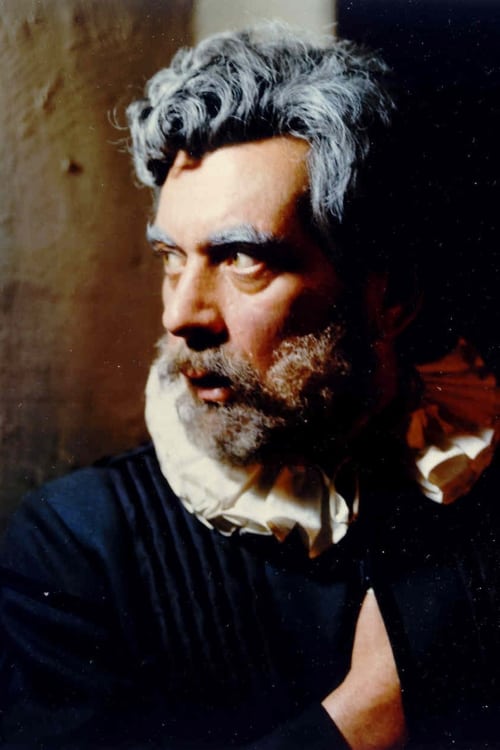
Series about the life of Renaissance anatomist, scholar and politic Johannes Jessenius. Already legendary series today, was produced by Czechoslovak Television Bratislava, directed by Slovak director Miroslav Luther in the first half of 80's in Barrandov Studios in Prague. The story and screenplay of the series wrote Czech writer Vladimír Körner. Five-episodes epic historical narration is a biographical story of distinguished Renaissance scholar, anatomist and politic of Slovak origin, Johannes Jessenius (Ján Jesenský, 1566–1621). It displays his life from the first studies and successes. In 1594 he became professor of surgery and anatomy on Wittenberg University, which he had attended years before. From that moment, his life went through social and personal wins and losses, to the sad end on the Prague Old Town Square gallows, among 27 noblemen, knights and burgenses, after lose Bohemian Revolt in 1621. His destiny was coupled with key events of Czech history in the break of 16th and 17th century, when Renaissance and European humanism slowly fade out.
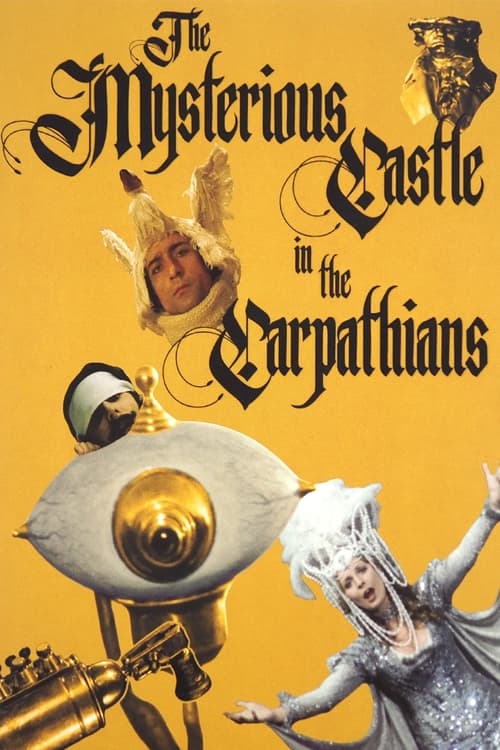
In 1897, in a castle near the town of Werewolfville in the Carpithians, a slightly deranged Professor Orfanik experiments with his new inventions which include, even at this early date, television and a film camera. He is also an obsessed opera fan, keeps the body of his favorite diva preserved in a crypt in the castle. In order to keep away nosy visitors, the baron's mad-scientist assistant invents all sorts of spooky phenomena in order to give the castle a creepy reputation.
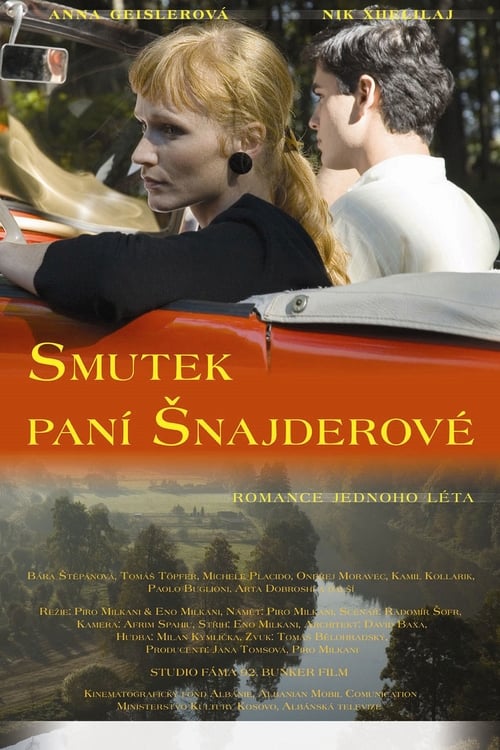
It is 1961 and an Albanian student (Nik Xhelilaj) of the Academy of Performing Arts in Prague, together with a group of Czech students, is shooting his graduate movie on a motorcycle factory, in the small market-town of Český Šternberk, in then Czechoslovakia. Coming from a country that is completely isolated from the rest of Europe, he is fascinated by the lifestyle, society and "erotic exuberance" of the Czech golden youth, yet feeling strong links with his family in his homeland. He falls in love with a married woman (Anna Geislerová), the wife of a police superintendent (Paolo Buglioni) and is insecure about his future.
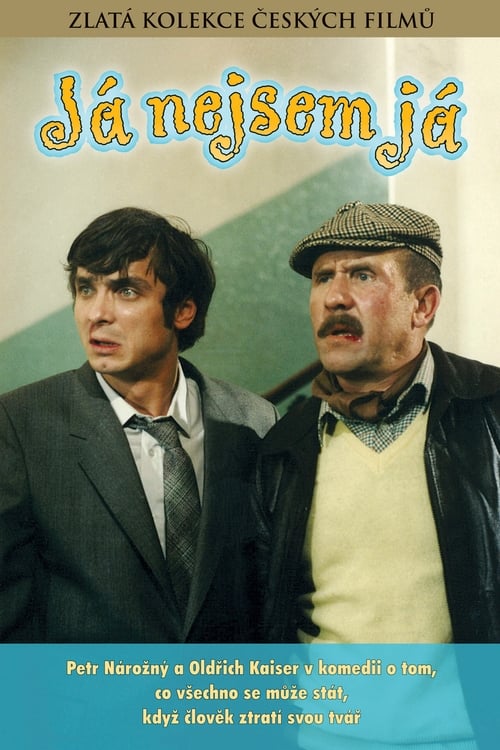
The two heroes of the film's story - the decent but dry engineer Zárub and the marriage swindler Majer - are granted this wish by the mysterious forces of the moon. The two men change their appearance, which, however, contrasts sharply with their unchanged characters and voices. The incomprehensible swap naturally becomes the source of many comic plots and situations.
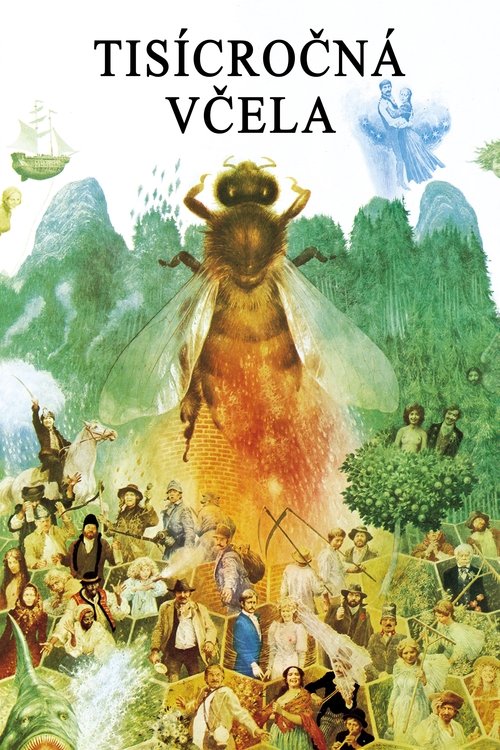
A family saga taking place mostly in a small Slovak village over a period of thirty years (1887–1917). The first part captures the life of Martin Pichandu in the development of his craft, masonry; in the second part, his son is center stage living in a period of socio-political crisis, which ultimately results in the first World War. After originally airing on Czechoslovakian television in 1983 as a four-part 226-minute mini-series, this production received a 163-minute theatrical release in 1984.