Acting
No description available.
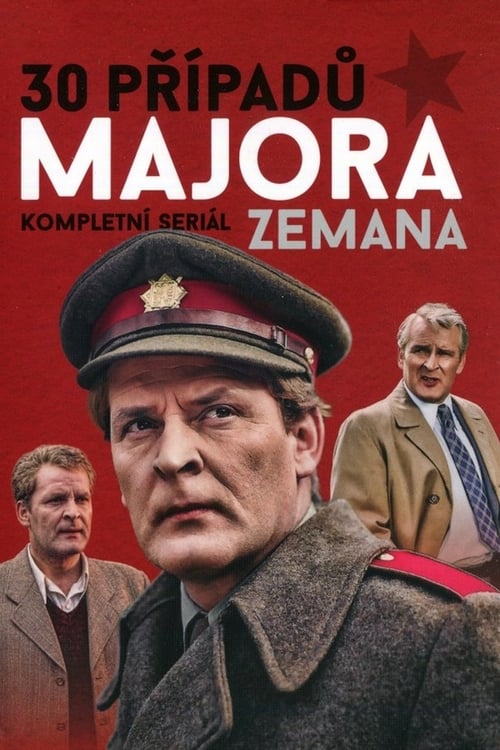
Thirty Cases of Major Zeman is a Czechoslovak action-drama television show intended as a political propaganda to support the official attitude of the communist party. The series were filmed in the 1970s. Each episode encompasses one year, and investigations are stylized to that year. Most are inspired by real cases. The series follows the life of police investigator Jan Zeman during his career from 1945 to 1975.
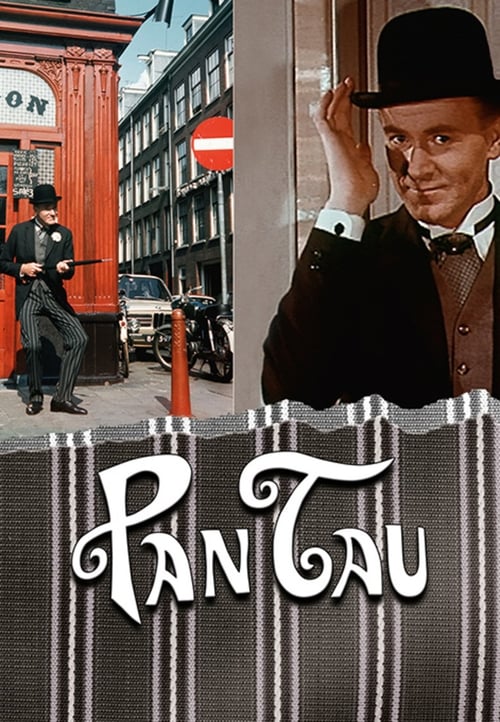
Pan Tau always had a gentle expression and a friendly smile, he was elegantly dressed in a stroller, with an umbrella and a white carnation in the lapel. Foremost, he was famous for his magic bowler hat. By tapping on his hat, Pan Tau was able to change his appearance into a puppet, to conjure up miscellaneous objects or to do other magic. His most characteristically behavior is that he would help children who were experiencing some sort of difficulties in-between their dreams and reality, like finding a place for skiing, settling family problems on Christmas, and even give a boy a good time at a fair when he is supposed to have piano lessons. To adults, he usually remained invisible.
"Fredy" is a black ant who solves his problems in every episode with his intelligence and the help of his friends.
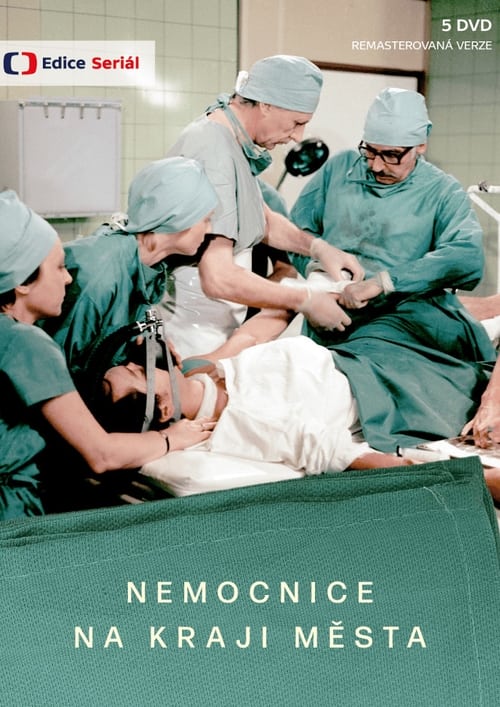
Hospital at the End of the City is a popular television series first released in Czechoslovakia in 1977, it featured an ensemble cast and received much viewer praise in central Europe. The series ran from 1977 to 1981 for a total of twenty episodes. The success of the series inspired the German television series The Black Forest Clinic.
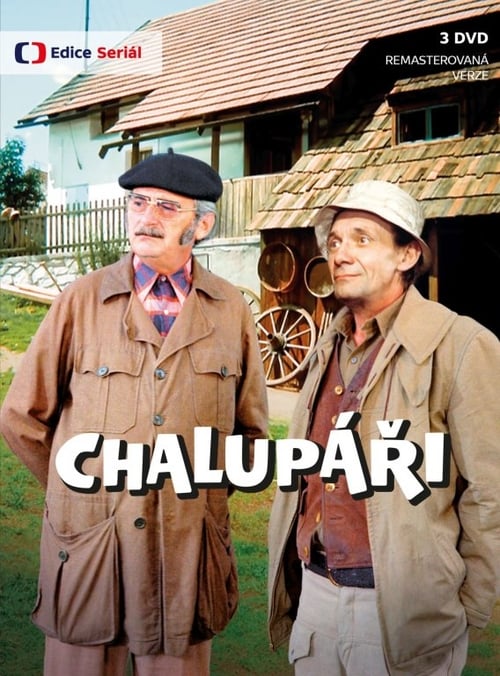
Chalupáři is a Czechoslovak comedy TV series filmed in 1974 and 1975 by František Filip.
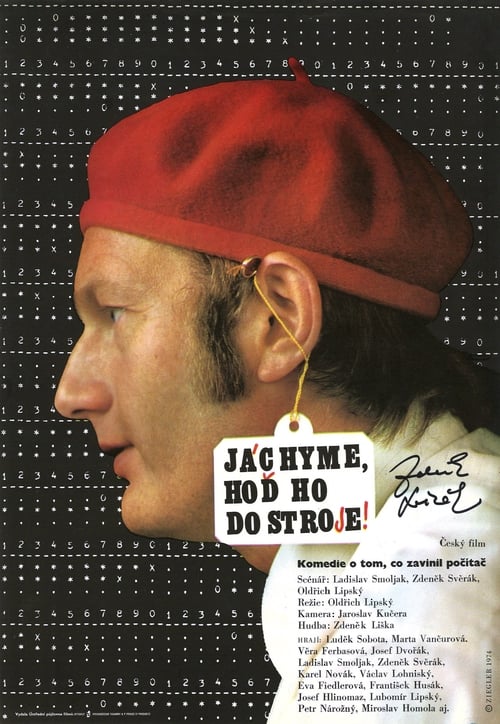
A sincere provincial young man, Frantisek Koudelka leaves to work in Prague. For the trip he buys a computer made horoscope with biorhythms charts, marked according to his date of birth, there are trappy, precarious, unsuccessful and even critical days and few successful days. The clumsy luckless person Frantisek has finally a guidance for his life.
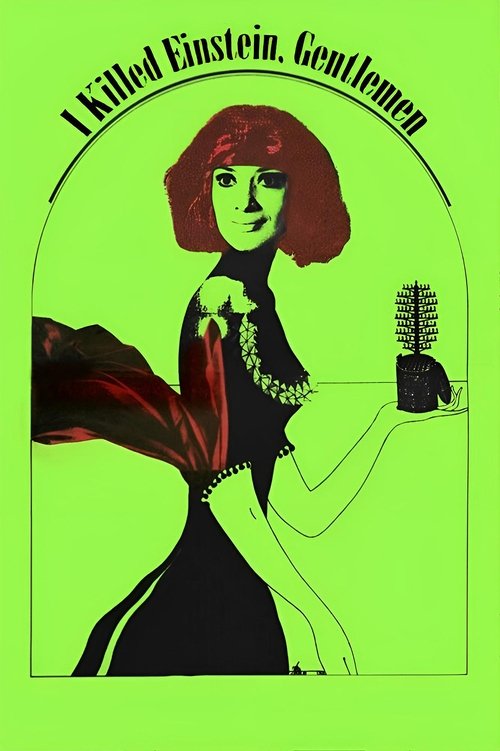
This futuristic science fiction comedy features an atomic bomb blast that causes women to grow beards and lose the ability to have children. A summit meeting is held at the United Nations, with the proposed solution of building a time machine. The decision is made to travel back in time and murder Einstein, with the hopeful result being that without the noted mathematician's research there will be no atomic bombs.
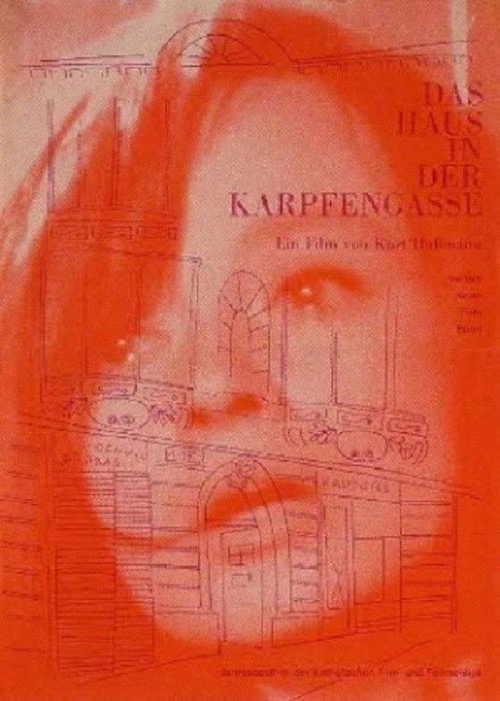
The miniseries depicts the fate of the residents of an apartment block in Prague’s Jewish quarter following the invasion by German troops in 1939. Among them is an elderly widow who had once disowned her son and now wishes to bring him to Brazil; there are also the owners of a stationery shop, who are driven to ruin by the German occupiers. The caretaker Glaser, who is of German descent, also comes under pressure when his son is arrested in a communist pub. To save his own skin, he informs on two young people who are active in the resistance.
A new teacher with high standards and a strong sense of duty replaces an easy grader. Once bad grades begin to pile up, a product of his predecessor's subservience to the system, the new teacher has to stand up for himself and his students.