Acting
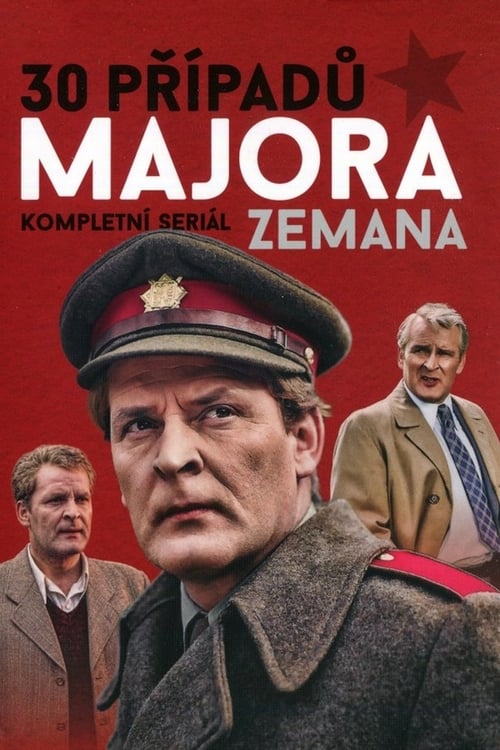
Thirty Cases of Major Zeman is a Czechoslovak action-drama television show intended as a political propaganda to support the official attitude of the communist party. The series were filmed in the 1970s. Each episode encompasses one year, and investigations are stylized to that year. Most are inspired by real cases. The series follows the life of police investigator Jan Zeman during his career from 1945 to 1975.
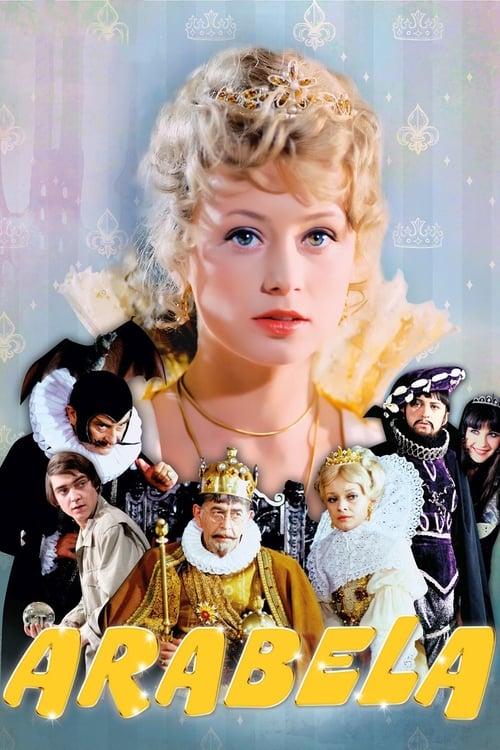
Arabela was a children's television series produced in Czechoslovakia which aired from 1979 to 1981. The series has 13 episodes and is in the Czech language.
No description available.
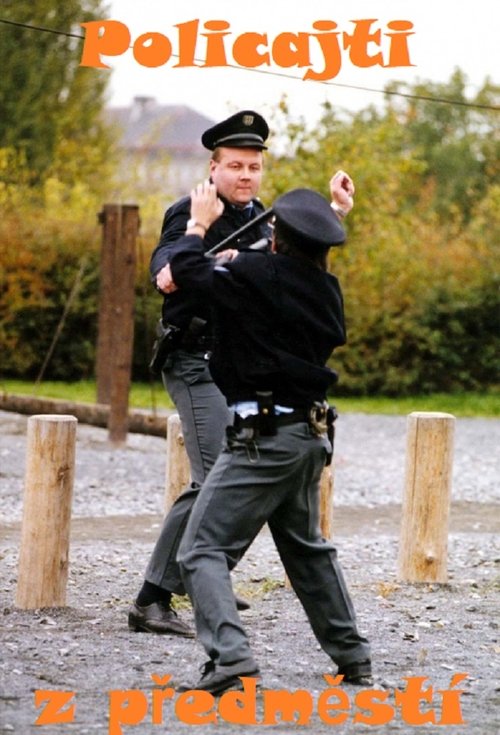
Policajti z předměstí is a Czech television comedy series which premiered on TV Nova. In 1999, 21 episodes were aired.
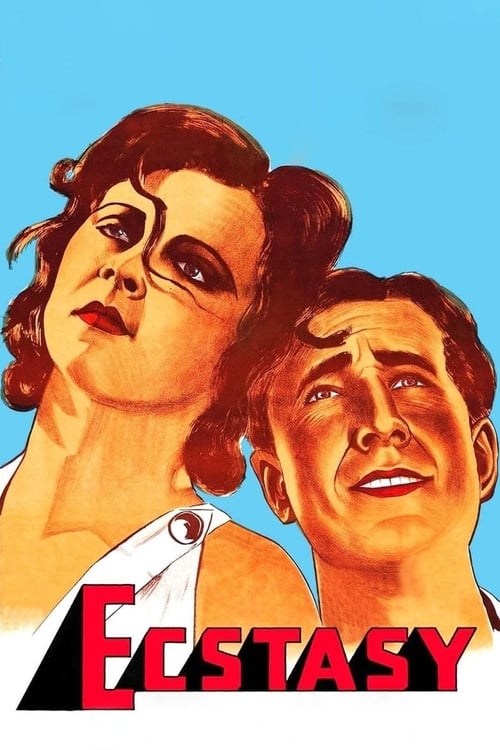
Eva has just gotten married to an older gentleman, but discovers that he is obsessed with order in his life and doesn't have much room for passion. She becomes despondent and leaves him, returning to her father's house. One day while bathing in the lake, she meets a young man and they fall in love. The husband has become grief stricken at the loss of his young bride, and fate brings him together with the young lover that has taken Eva from him.
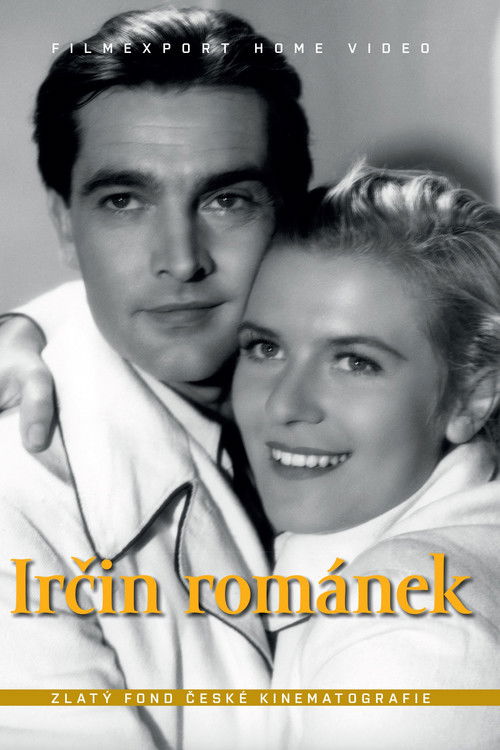
Irča Miňovská, the daughter of a car factory director, meets mechanic Lexa Hora by chance. They fall in love, but Irča's father does not want his daughter's unequal relationship and decides to send Irča to a boarding school so that she cannot see Lexa. Lexa leaves the plans for her new engine with her boyfriend Harry Peters at the factory, resigns, and leaves to forget about Irča. Director Miňovský would like to produce a new type of engine, but Lexa is nowhere to be found...
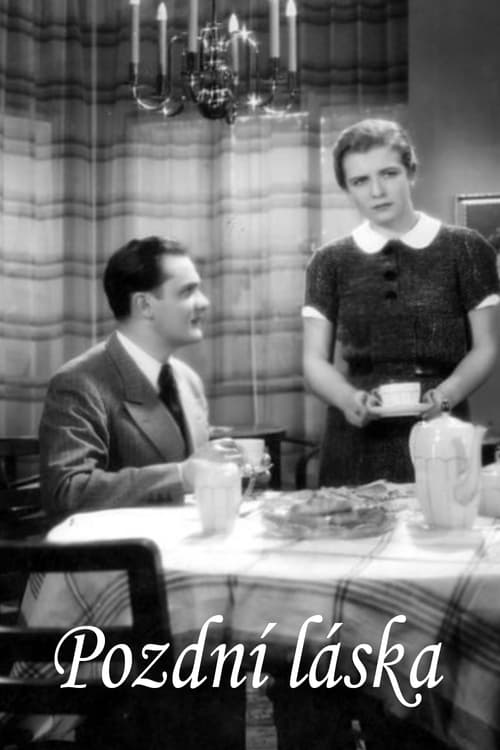
Innovator Ludvík Zach is in love with his technical data and improvement proposals and does not believe that women could be able to understand these problems. However, on his way back from a conference, he meets Jarmila, an electromechanic, and arranges a meeting with her. He would prefer to talk to her about technology, but he discovers that Jarmila is more interested in poetry and music...
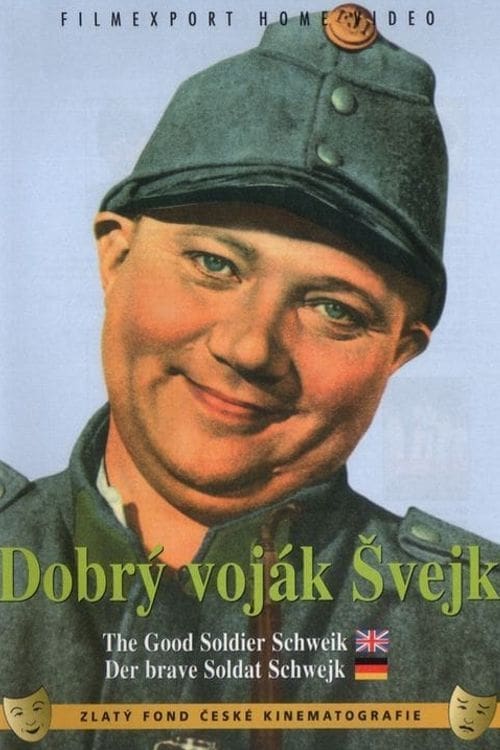
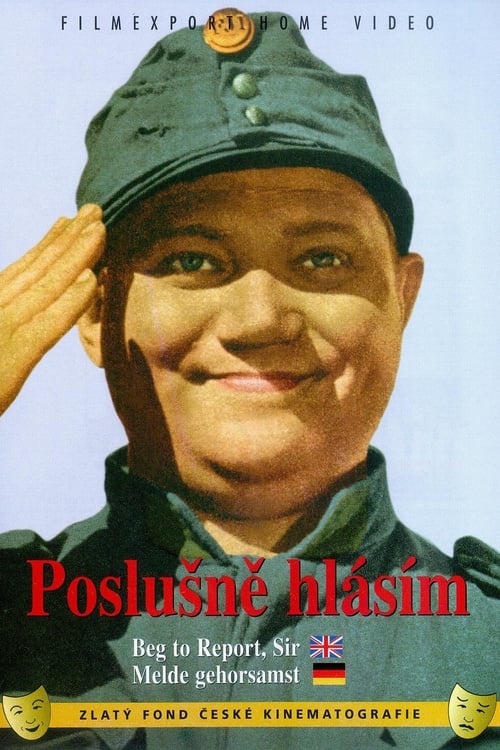
Good-natured and garrulous, Schweik becomes the Austrian army's most loyal Czech soldier when he is called up on the outbreak of World War I -- although his bumbling attempts to get to the front serve only to prevent him from reaching it. Playing cards and getting drunk, he uses all his cunning and genial subterfuge to deal with the police, clergy, and officers who chivy him toward battle.
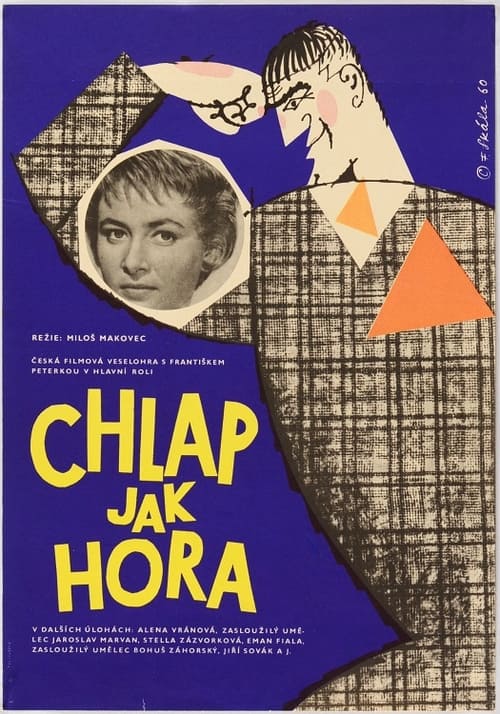
We learn that the greatest virtue of socialist competition is collective cooperation. This is what the young, physically fit assembler refuses to understand. He suspects his co-workers of overlooking his merits out of jealousy. And it takes him a long time to understand that the individual alone can do nothing, that only the collective has the necessary strength - and therefore the truth.
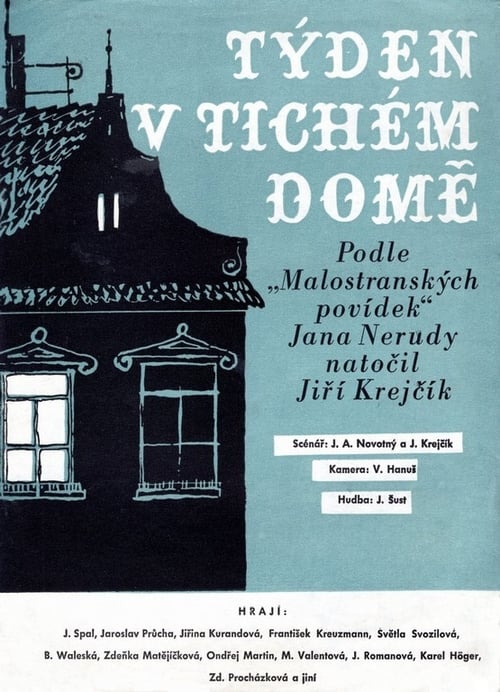
A sometimes humorous, sometimes more serious look at the hustle and bustle of a house in Lesser Town with a diverse array of tenants living there, and often petty quarrels that break out between them. Behind the facade of the house in Lesser Town "U dvou slunců" (Two Suns) there is life. The Bavors live here, eternal slaves to the grocery store. The Ebros, who need to marry their daughter off at a good price. The bachelor Dr. Loukota and other interesting Nerudov characters.
Successful writer Gabriel Anděl still loves his wife Lola very much, but he can't stand the way she is always getting involved in his work, so he decides to divorce her. Just as he is about to move into his country villa, a police inspector appears on the scene with a warning that some crooks are planning to sell the house in question to a rich Czech-American. Anděl and the inspector immediately drive there and indeed find a gang of criminals disguised as servants. However, these are far from the only crooks involved in this complicated case. Before the crazy night is over, Gabriel and Lola will have many more surprises and complicated situations...
A comedy based on the novel of Jaroslav Hašek's The Good Soldier Svejk happens during the World War I. I Dutifully Report: In the introduction to the second part of the film adaptation of Hašek's novel The Good Soldier Švějk presents his main character Josef Švejk. With the distinctive traditional Czech cartoon character of a soldier Svejk, this time you meet on the way to the front and eventually right in the firing line. You can look at his famous train events, and also probably the most famous episode of the novel, Švejk's Budějovice anabasis. Don't miss the scene with the secretly bought cognac, the episode with Svejk as a fake Russian prisoner of war, including the court scene, and the scene in which lieutenant Dub is caught in a brothel. Despite the criticism, Steklý's adaptation is undoubtedly the most famous and memorable at present.
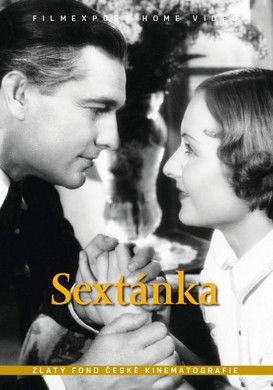
Sixth-year student Eva Martenová falls in love with the new young professor Jiří Hron. She cannot concentrate in his lessons, even though she is as well prepared as ever for teaching. On a school trip, Professor Bruncvíková tries to win Hron over, but the professor dances with Eva at a party. At school, Eva's thoughts are elsewhere again and she refuses to give Bruncvíková Hron's portrait. She goes to Hron's office crying and he tries to calm her down. His friendly gesture is seen by Professor Bernard, who had previously had reservations about Hron's modern teaching methods. He informs the principal that Hron was holding student Martenová in his arms. When Eva learns that Hron is facing disciplinary proceedings because of her, she attempts suicide. However, her friend Martina's brother, Dr. Pavel Haler, saves her. In the hospital, Eva is visited by a vindicated Hron and confesses his love for her.
The commander of the military training camp, newly promoted Major Cibulka, keeps his subordinates in line. Because of an unexpected emergency, he refuses to give leave even to the young lieutenant Zabran, whose wife is due to give birth any day. In addition, a false article appears in an army newspaper claiming that Zábrana is an example of a bad company commander. In fact, it is he who has the best leadership skills. Fearing for his wife's health, Zábrana disobeys orders and departs for Prague at night to visit his wife in the maternity ward. Cibulka decides to push the envelope even harder, and drives Zábrana, whom he has long disliked, before the prosecutor.
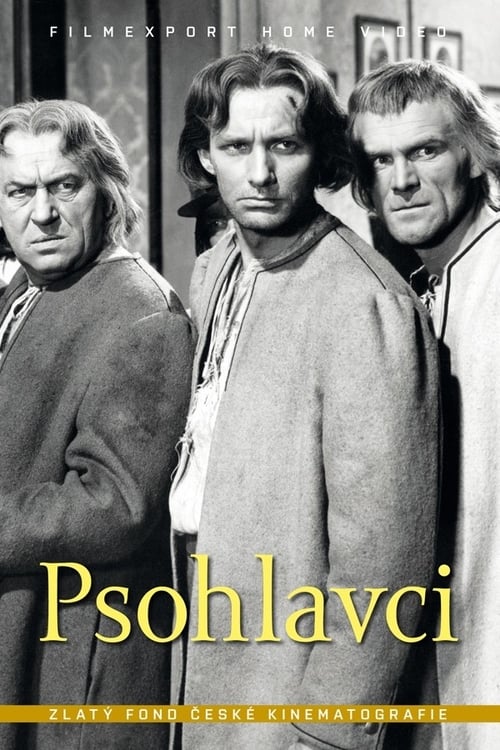
The history of the rebellion of the brave Chody, led by Jan Sladký Kozina and Matěj Přibek, against the violent tyranny of the foreign nobleman Maximilian Lamminger of Albenreuth. Based on the novel of the same name by Alois Jirásek.
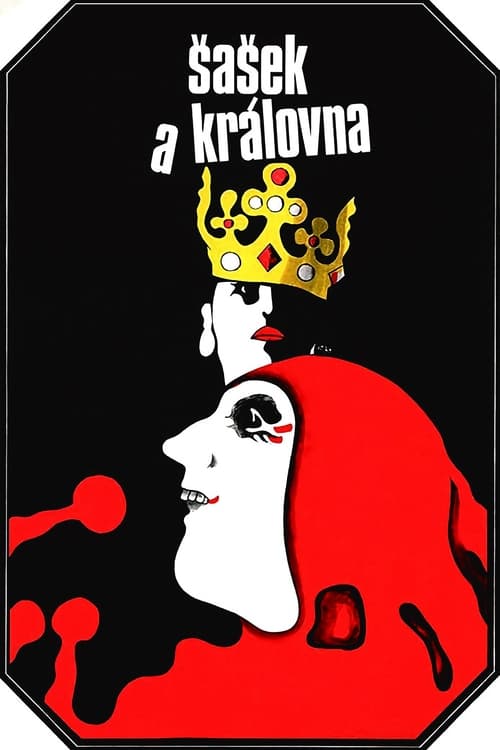
The movie is a satirical look at foreign occupation - a medieval Czech jester entertains a German king and his French wife, or a modern Czech villager helps a Bavarian hunter and his French wife find wild boar in Bohemia - the story switches back and forth between the two plots and time-periods.
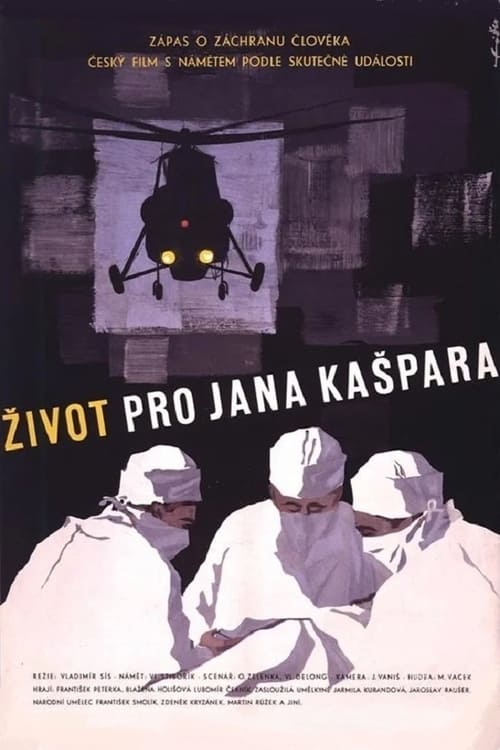
The bridegroom Jan Kaspar is an officer in the Klement Gottwald's Nová Hut rolling-mill. After bidding farewell to his freedom, he accidentally takes a sip from the bottle of tetrachlore which he stores at home. He disregards the dizziness, but the next day, he faints in the factory and has a brain concussion. During her regular tests, doctor Dudková is shocked by a high percentage of residual nitrogen found in Kaspar's blood. Doctor Bohácek, with whom Dudková consults, thinks that it is a liver disease and informs the head physician Filip. The doctors know nothing about tetrachlore and are in the dark about the case. Despite that, they immediately start to fight for Kaspar's life and their struggle consequently affects their personal lives.