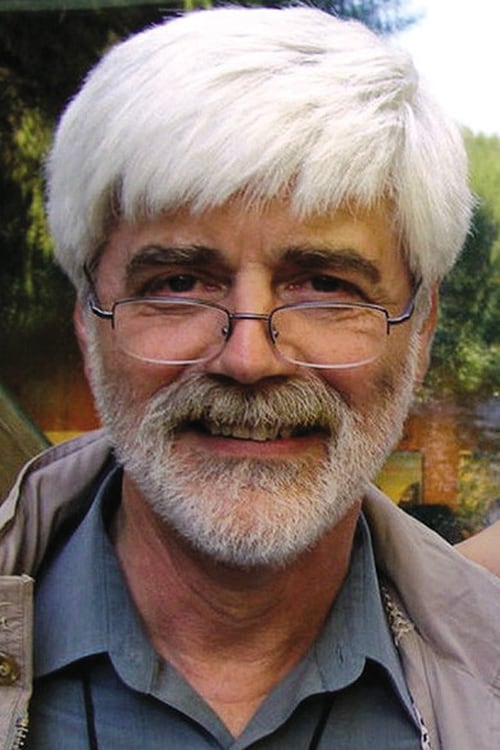
Gyula Gazdag
Directing
Biography
Gyula Gazdag (born 19 July 1947 in Budapest) is a Hungarian film director, screenwriter and actor. Gyula Gazdag is a director of film, theater and television. He was a professor at the UCLA School of Theater, Film and Television from 1993-2015 and has served as the artistic director of the Sundance Filmmakers Lab since 1997. His numerous feature films include A Hungarian Fairy Tale (1987), which won the Special Jury Prize at the Locarno Film Festival. Named one of the year’s 10 Best Films by the Village Voice and the Best Feature Film of the year by the Hungarian Film Critics Awards, it screened at 20 film festivals worldwide, including the Directors’ Fortnight at Cannes. Gazdag’s other films include Stand Off (1989), which won a Special Jury Prize at the San Sebastián International Film Festival; Lost Illusions (1983), named Best Screenplay by Hungarian Film Week; Singing on the Treadmill (1974); The Whistling Cobblestone(1971), named Best First Feature by the Hungarian Film Critics Awards; and Swap. Gazdag has also directed many documentaries, including A Poet on the Lower East Side: A Docu-Diary on Allen Ginsberg (1997); Hungarian Chronicles (1991); Berlinale Forum entrant Package Tour (1985); The Banquet (1982); The Resolution (1972), named on one of the best 100 documentaries of all time by the International Documentary Association; The Selection (1970) and The Long Distance Runner (1969). Most of Gazdag’s films were banned for shorter or longer periods of time in communist Hungary; some also had been denied foreign exhibition. For the stage, he directed Candide, The Bald Soprano, The Abduction From the Seraglio, The Tempest, Tom Jones and The Hothouse, among many others. Gazdag has been a creative advisor at the Maurits Binger Film Institute in Amsterdam since 2002 and at the Script Station of the Berlinale Talent Campus since 2006.
Known For

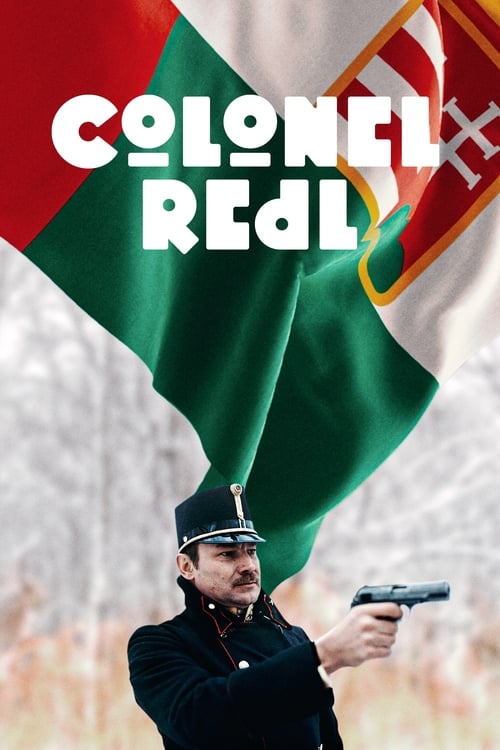
Set during the fading glory of the Austro-Hungarian empire, the film tells of the rise and fall of Alfred Redl, an ambitious young officer who proceeds up the ladder to become head of the Secret Police only to become ensnared in political deception.
Colonel Redl

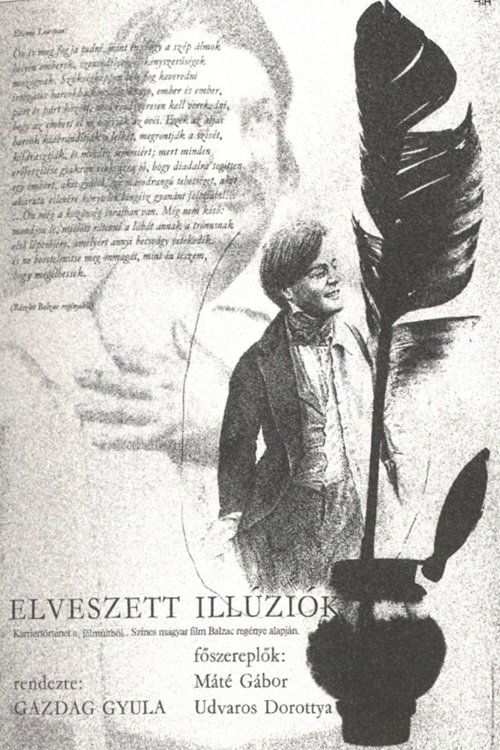
Via the New York Times: "The Hungarian director Gyula Gazdag has transposed the middle section of Balzac's "Lost Illusions" from Paris in the mid-19th century to the Budapest of 1968... it tells of Laszlo Sardi - Balzac's Lucien Chardon - and his efforts to launch his literary career amid the snobbery and sophistication of a big city."
Lost Illusions

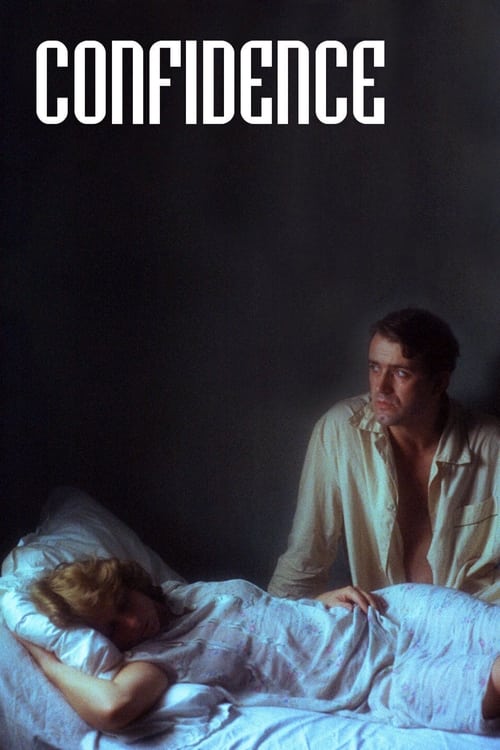
Janos and Kata are thrown together during the Second World War and forced to pose as husband and wife to hide from the Nazis. The intensity and suffocating intimacy of their new relationship and the circumstances in which they find themselves, forces them to confront past prejudices and assumptions and challenge what they truly believe.
Confidence

Shot in B&W, Gyula Gazdag's film follows the surreal and often comic quests of young Andris, an orphan searching for a father who doesn't exist, and Orban, a government clerk who's had enough of oppressive bureaucracy.
A Hungarian Fairy Tale

Reconstructions of unrealized Hungarian films in cooperation with the greatest Hungarian film directors.
Negative history of Hungarian cinema
The royal summary court sentences Sallai Imre and Fürst Sándor to death on charges of attempting to uproot the state and the social order. The film, the story of which takes place in 1932, enlarges the moment of delivering the death-sentence. Sallai, preparing for his death, envisions the people and the events that have been decisive for his life.
Requiem for a Revolutionary

Mr. Dezső and Rezső are selecting the heroes for their new operetta. They represent different tastes and styles, and keep arguing about the casting of the four men and four women.
Bastion Promenade Seventy Four

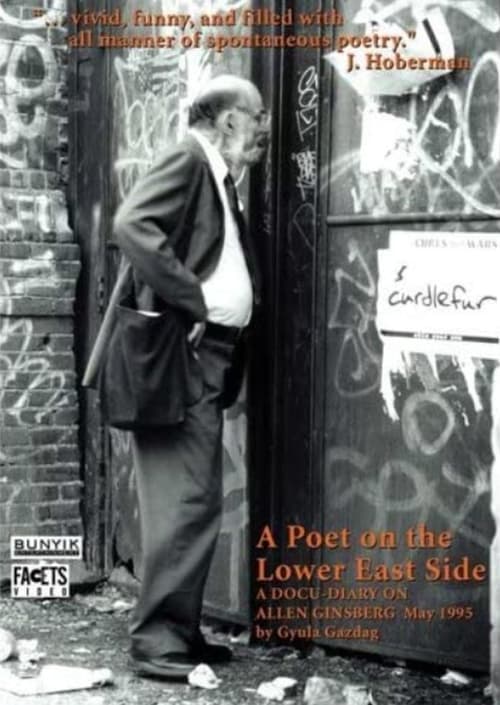
Filmmaker Gyula Gazdag's fascinating documentary follows Hungarian poet, playwright and activist István Eörsi on a trip to the streets of New York to visit his friend and contemporary, the iconic beat poet Allen Ginsberg. Shot just two years before Ginsberg's death, the film follows the two friends as they share poetry and laughs, wandering the streets of the Lower East Manhattan, musing about the past and contemplating the future.
A Poet from the Lower East Side

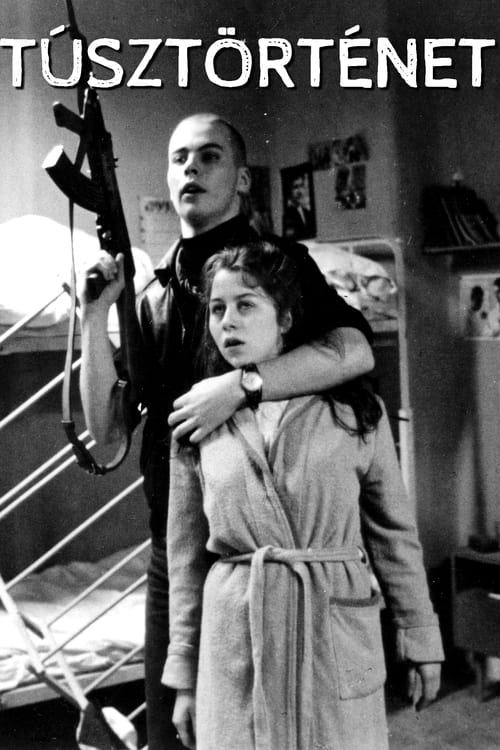
In a border town two sons of the local commander using stolen arms take hostages of eighteen girls in a dormitory, because they want to go West by plane.
Stand off

This grotesque, micro-realistic film is set in a small village at the end of the seventies. A TV-staff comes to the Petőfi Memorial House. They want to record the comic opera, The Postman of Longjumeau, by Charles Adam, a 19th century French composer.
Swap

No description available.
Az ítélet

No description available.
Prelude

The week-days of a youth-camp, playing democracy, are depicted in this documentarist satire. Due to faulty organisation, the Budapest high-school students get only working tools, but no work to do. The camp leadership tries to cover up facts and urges them to be initiated into "community life".
The Whistling Cobblestone
This documentary explores the artistic, musical and literary resonances of the mystique of the road - and especially of going off the beaten track - in American lore. The Westward expansion, the Dust Bowl era, hobos, post-war suburbanization and the Beat critique of it; hitchhiking, the upheavals of the 1960s and early 1970s and the current generation of backpackers clutching their Lonely Planet and Rough Guides. American Road ultimately probes the meaning of what it is to be an American, not just a wayfarer.—anonymous
American Road
SELECTION documents a KISZ (Hungarian Young Communist League) chapter at an oil refinery that is interested in hiring a musical act as entertainment for young workers. The documentary shows the group discussing their criteria for the band, as well as their interviews with the individual bands. It is quickly apparent that the group isn’t interested in any sort of musical talent or the potential audiences’ interest. Rather, they are focused on ideological or moral issues that may be perceived as negative, such as groupies or outfits that are seen as too trendy. They settle on the musical group that is potentially the easiest to control, the youngest band. SELECTION works as a larger metaphor for what censorship was like in Socialist Hungary and was banned from being publicly screened until 1982.
Selection
No description available.
A három jószívű rabló
Shot in 1972, this remarkable documentary was released ten years later and had its first Western film festival screenings last year. "Gyula Gazdag is an outstanding Hungarian talent who seems to specialize in getting into trouble. This film, which he made with Judit Ember, another alert and sensitive director, was banned for ten years. In it, a rural community is in financial trouble and an expert from Budapest is sent to advise and reorganize. He is successful but his manner angers the local committee. Despite their own management failure, they feel his arrogance should be the subject of a reprimand at least. The story is more than just true: so sure was the community of its cause that Gazdag and Ember were invited to film the actual debate, and the reality makes us protagonists in the case. It is a situation that could happen anywhere but seldom has such a subject been treated in so absorbing and striking a way.
The Resolution

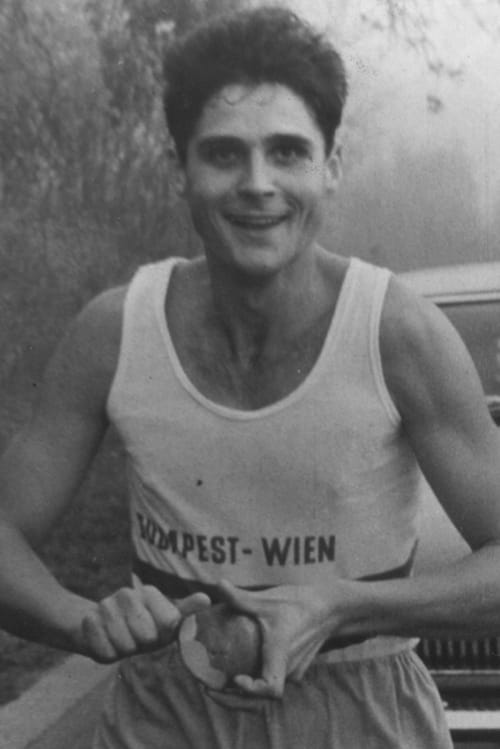
György Schirilla, known for his long-distance running and swimming across the icy Danube, ran to Moscow to commemorate the 50th anniversary of the October Revolution. A year later, a bistro was built in his honour in the small Hungarian village of Kenderes. Gyula Gazdag captured moments of his run to Kenderes and the opening ceremony. The film's original title comes from a "poem" delivered by the village council president, which included the line: "We can always count on your long run."
Long Distance Runner

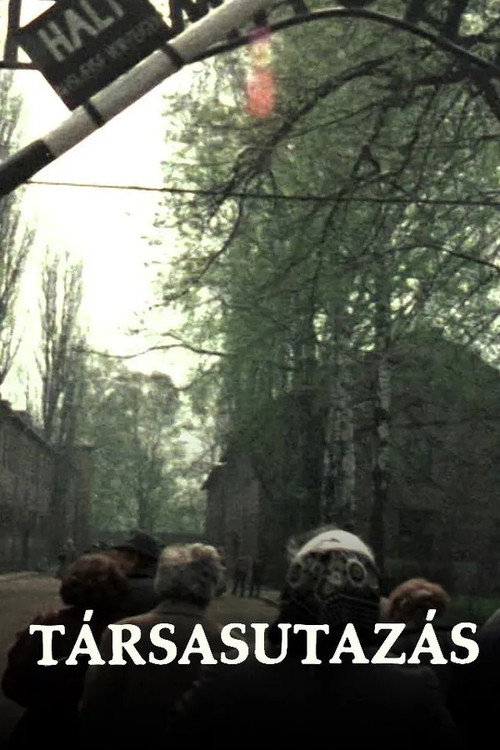
A documentary which follows a coach party of former inmates on a trip to Auschwitz.
Package Tour

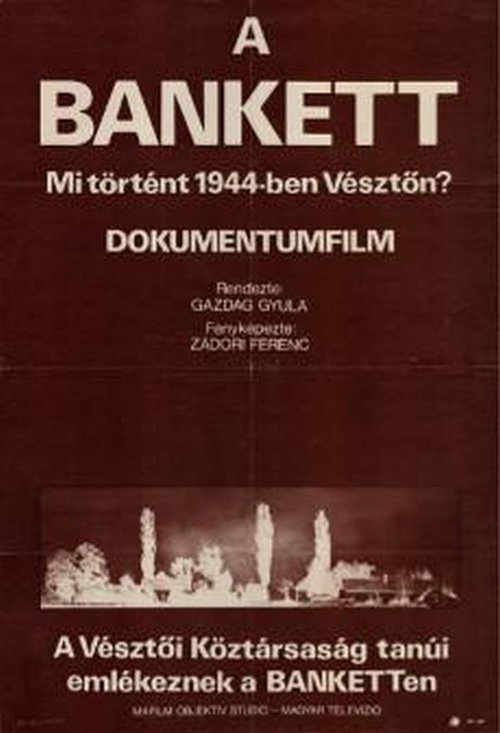
Right after the Red Army in 1944 was deliberating a little village, Veszto in eastern Hungary, the locals formed their "government", excommunicated the goods remaining in the village and distributed them among the poor. The social experiment only lasted two months, but this episode later became infamous in the communist press of Hungary and was referred to as 'Republic of Veszto'. 35 years later, in 1979, the actors and the witnesses, the representatives of the communist administration back then and the poors of the village get together in a little pub in Veszto and try to resuscitate and evaluate those old days. The memories clash one another.