Acting
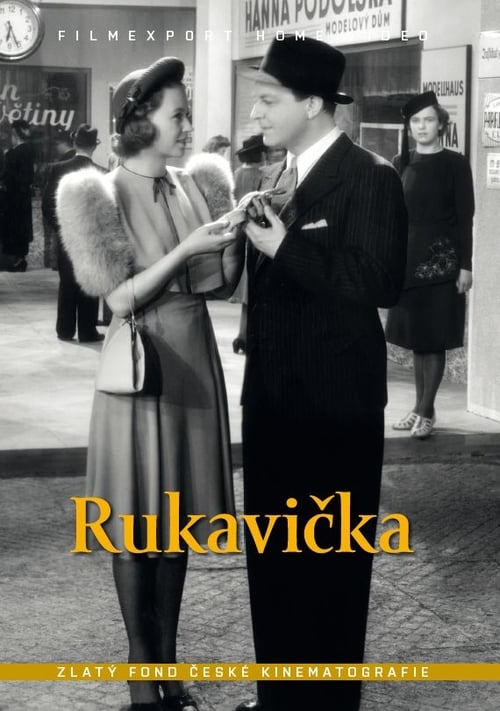
A lost lady's glove that connects several human destinies. The focus here is not on the lost part of the wardrobe, but on piano virtuoso Arne Brant, a man armed with a charming smile and surrounded by women, two of whom have particularly influenced his life. The first is the daughter of a famous can-can star, dancer Pavlína Doré-Zejdová, the second is Mařenka Berková, the main character of the film and a kind of Kristián in skirts. An orderly and well-bred daughter from an honorable family who lives her second life as a lady of high society. The lost glove complicates the situation for all of them considerably, but in the end she finds her rightful place, just like the heroes of the film...
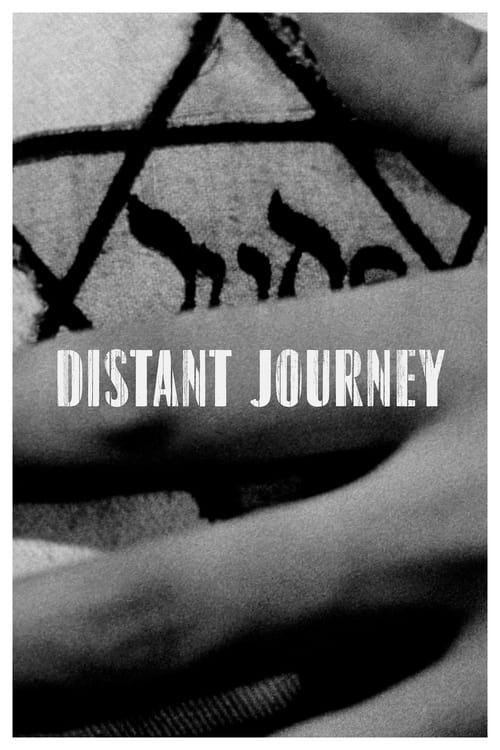
Prague, during World War II. Hana Kaufmann, a Jewish ophthalmologist, marries Dr. Antonín Bureš, a Christian man. When her family is sent to the Theresienstadt concentration camp, their romance turns into a struggle for survival.
No description available.
The Czech revival movement is divided at the end of the first half of the 19th century. While the older generation, such as František Palacký, urges restraint, students lean towards radical positions. A report on the revolutionary events in Paris prompts Czech Prague residents to write down the demands of the Czech nation for self-determination and the proclamation of a constitution. Tensions peak during the All-Slavic Congress in Prague's Žofín. Vienna rejects the Czech demands and the congress is brutally dispersed by the Austrian police. Prague begins to build barricades...
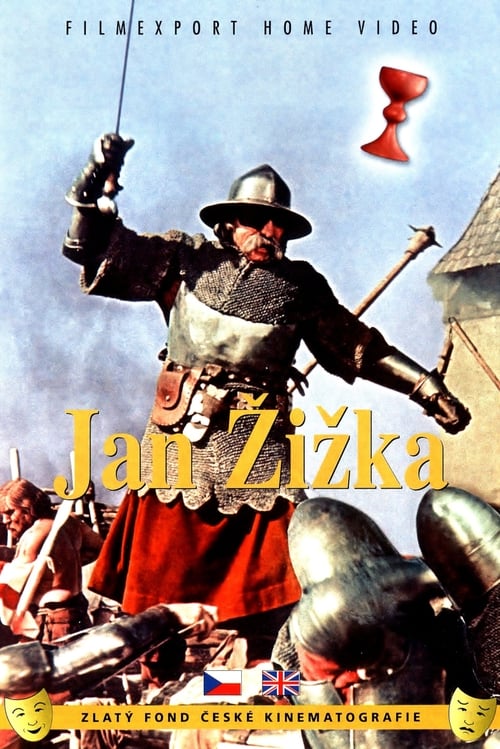
The second part of the revolutionary Hussite trilogy takes place in the years 1419-1420.
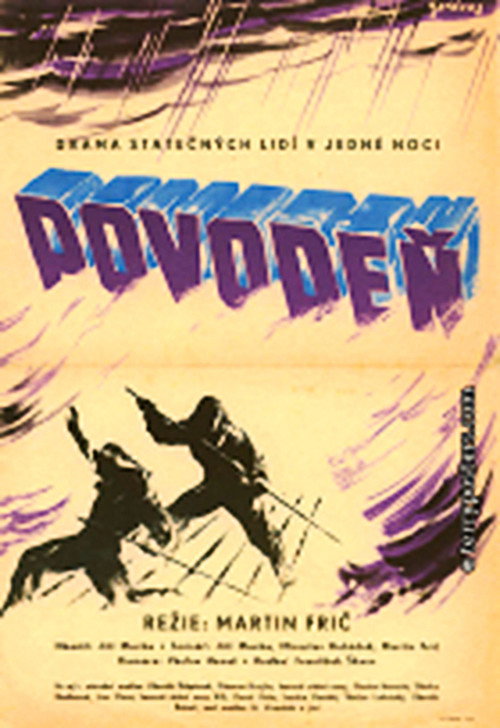
The construction of the new dam deprived the ferryman Ryba of his trade. The new dam replaced the ferry. However, Ryba's ancestors were ferrymen and the old man would have liked his two sons to take up the same profession. But Joseph is an indecisive weakling and Karel found work on the dam. That's why old Ryba drove him out of the house. The persistent rain brings Ryba miserable joy. The man knows well that a sudden flood can endanger the unfinished dam. In his fanatical hatred, he forgets that the water from a broken dam would sweep away his house and his daughter-in-law and sick grandchild in the first place...
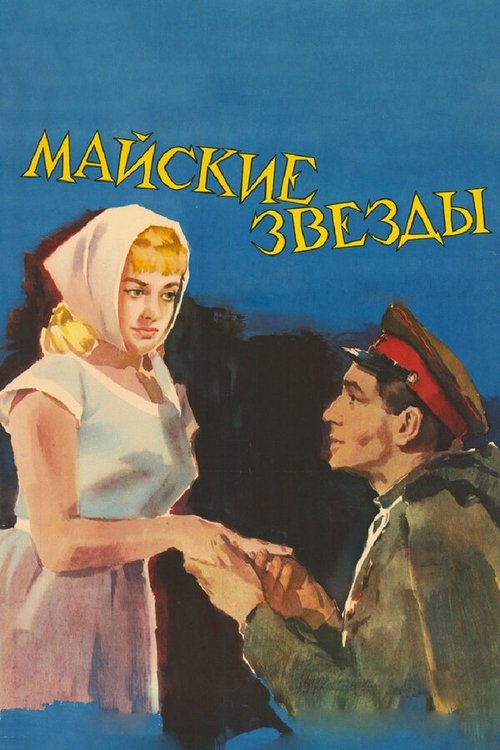
May 1945. On the outskirts of Prague, ordinary people meet Soviet soldiers-liberators with tears of joy in their eyes. In the early days of the lull, someone sadly recalls a pre-war life; someone unexpectedly meets his love; someone is returning from enemy dungeons looking hopefully into the future; and someone, having moved from a tank into a Czech tram, warmly recalls his craft as a car driver... These days, all those who survived the Great War fire swear an oath to keep peace on Earth forever, honoring the memory of those who gave their lives for simple human happiness.
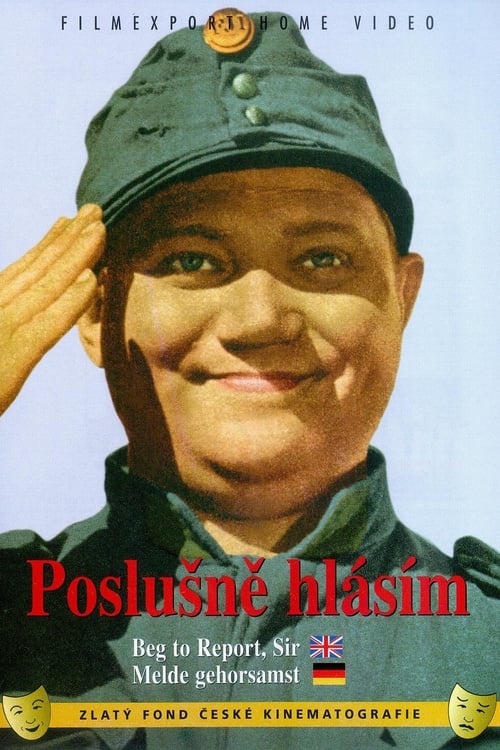
A comedy based on the novel of Jaroslav Hašek's The Good Soldier Svejk happens during the World War I. I Dutifully Report: In the introduction to the second part of the film adaptation of Hašek's novel The Good Soldier Švějk presents his main character Josef Švejk. With the distinctive traditional Czech cartoon character of a soldier Svejk, this time you meet on the way to the front and eventually right in the firing line. You can look at his famous train events, and also probably the most famous episode of the novel, Švejk's Budějovice anabasis. Don't miss the scene with the secretly bought cognac, the episode with Svejk as a fake Russian prisoner of war, including the court scene, and the scene in which lieutenant Dub is caught in a brothel. Despite the criticism, Steklý's adaptation is undoubtedly the most famous and memorable at present.
In early 20th century Czechoslovakia, a gravely ill chemist recalls his discovery of a powerful explosive and how it landed in the hands of anarchists.
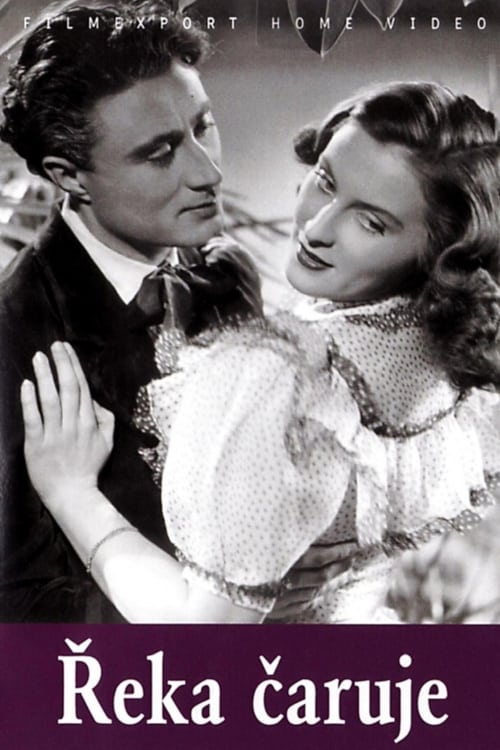
Leopold Kohák married a rich widow a long time ago and now has nothing to do compared to his energetic wife. He's growing old and troubled by the fact that he betrayed his first love Emča and his beloved river Sázava where he spent his childhood and youth. A visit from an old friend Lebeda brings it all back to him. After a nervous breakdown Leopold secretly visits his home instead of going to the spa. A wandering tramp suggest Leopold should bathe in the magical waters of the Sázava, and slowly his youth returns to him.
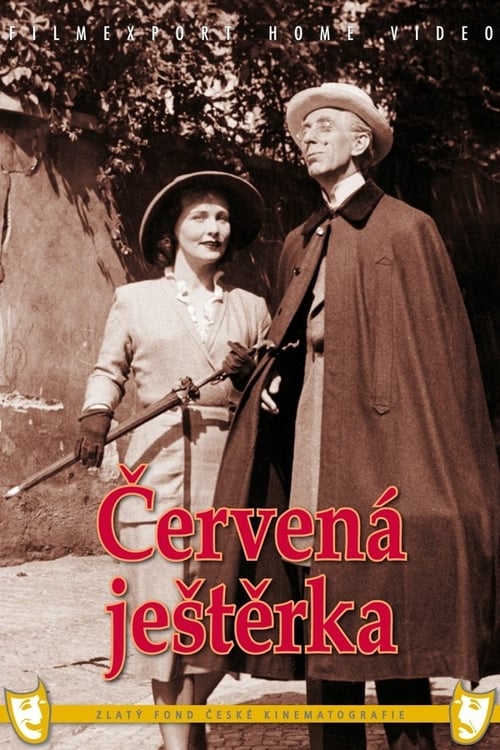
Grammar school teacher Bláha hurts himself in pursuit of a red lizard, and is lying unconscious in the lonely house of Santrucek family. The postman, who found Bláha's coat and hat in the water, announces to everyone in town that the professor has drowned. But, the venerable citizens are at that moment more interested in the theatre group with the beautiful guest actress Eva Gazdová. They demand a change of repertoire and manage to persuade the theatre manager to have the group play the musical comedy The Red Lizard instead of an established play.
A student commits suicide out of unhappy love to a married man; story is recounted in retrospective by a "judge" who asks the audience to decide who is the guilty party.
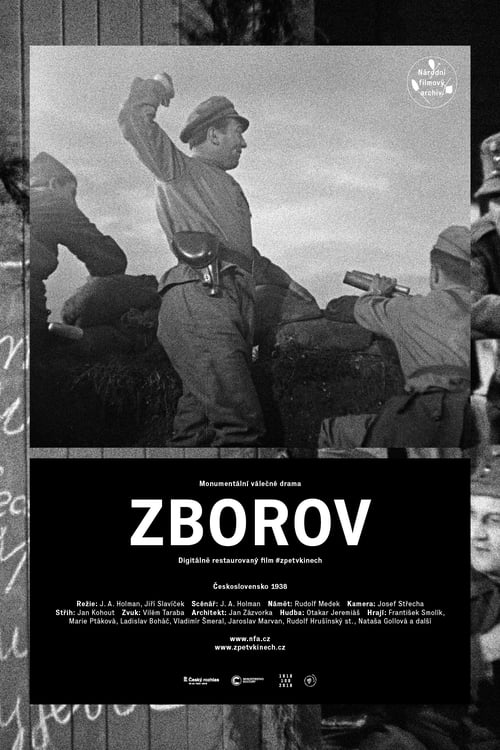
In the Škoda factory, where they are feverishly rearming in 1914, works the foreman Kalina, the father of the young men Pavel and Jan. Pavel is a supporter of the monarchy, while Jan, on the contrary, defends the idea of our national independence. Just before mobilization, Jan escapes to Russia, where he joins a group of volunteer legionnaires called the "Czech Company", fighting against the Austro-Hungarian monarchy. Pavel enlists in the Austrian army. The brothers do not meet again until July 1917 in the battle of Zborov in Ukraine, which marked a successful breakthrough of the Austro-Hungarian front.
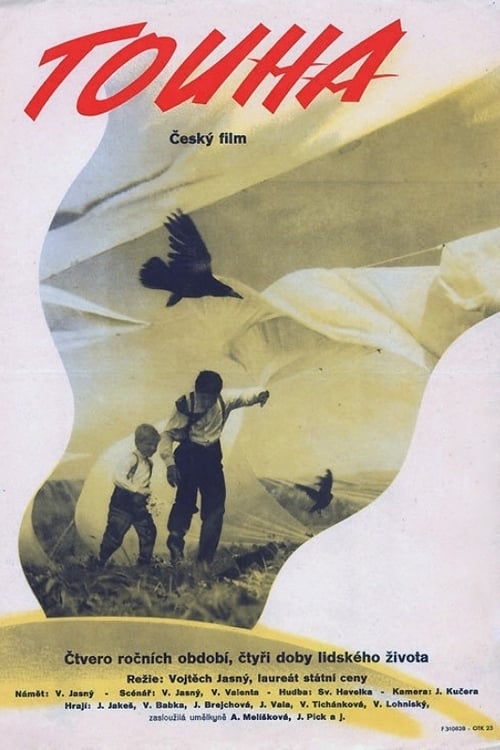
A poignant overview of how short life can be, this interesting drama from Czech director Vojetch Jasny is divided into four separate segments. In the first skit, a young child's impressions are observed as his newborn baby sister becomes a part of the family. In the second, a young woman falls in love for the first time one summer, and in the third, a tough, older peasant woman battles against the farming cooperatives. Finally, in the last segment, everything comes full circle as a woman who is about to become a grandmother dies while her daughter-in-law has not yet given birth.
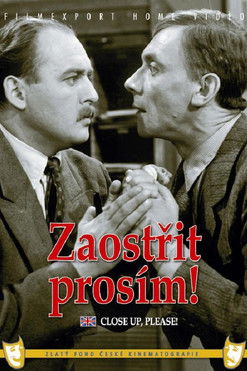
A Czech satirical comedy, filmed according to a script by the State Prize laureate Jiří Marek based on several of his satirical short stories. The film contains three stories, the first of which mocks careerism, the second takes aim at the inadequate attitude of some of our literary critics, and the final story is a satirical picture of how irresponsible construction work is still done in some parts of our country.
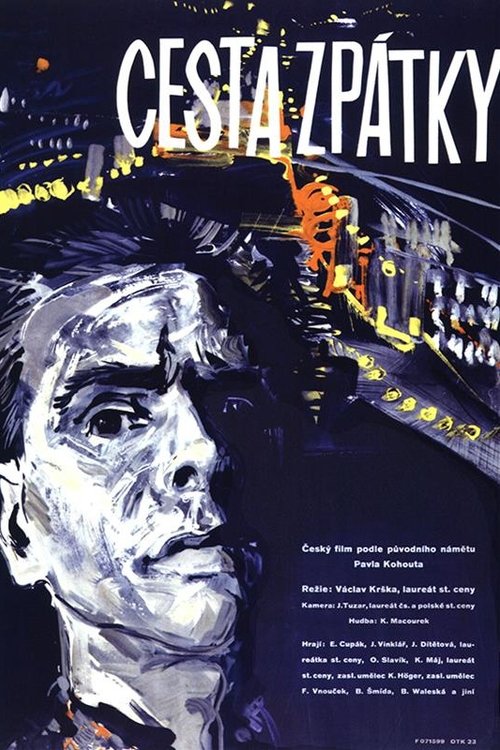
Three young men carry out a failed robbery of the box office of the Blaník cinema in Prague with tragic consequences. Only one of them has a chance to redeem himself.
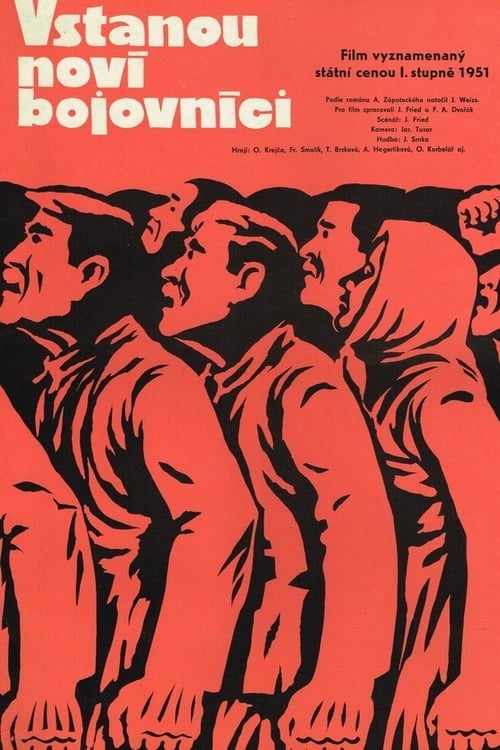
The leader of the emerging organized labor movement in the 1880s, Ladislav Zápotocký-Budečský, is exiled to his native village, where he works as a tailor and continues to raise social awareness among members of the working class.