Acting
No description available.
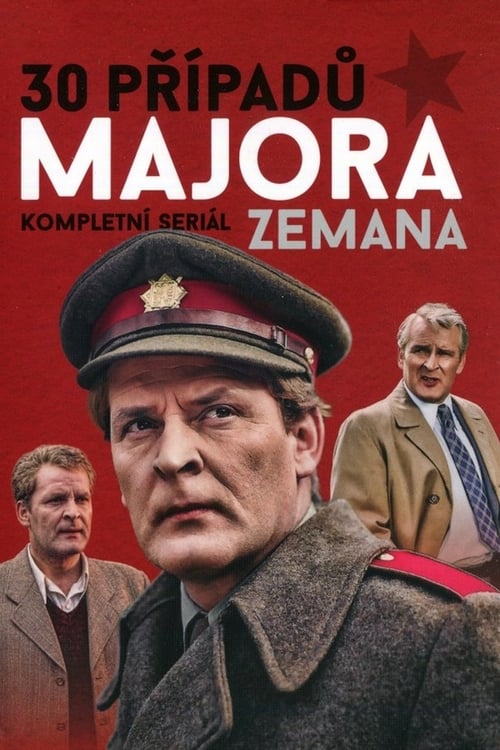
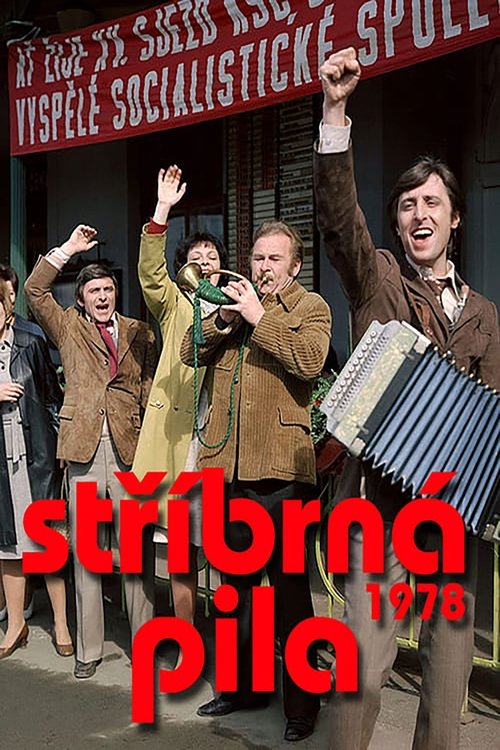
Thirty Cases of Major Zeman is a Czechoslovak action-drama television show intended as a political propaganda to support the official attitude of the communist party. The series were filmed in the 1970s. Each episode encompasses one year, and investigations are stylized to that year. Most are inspired by real cases. The series follows the life of police investigator Jan Zeman during his career from 1945 to 1975.
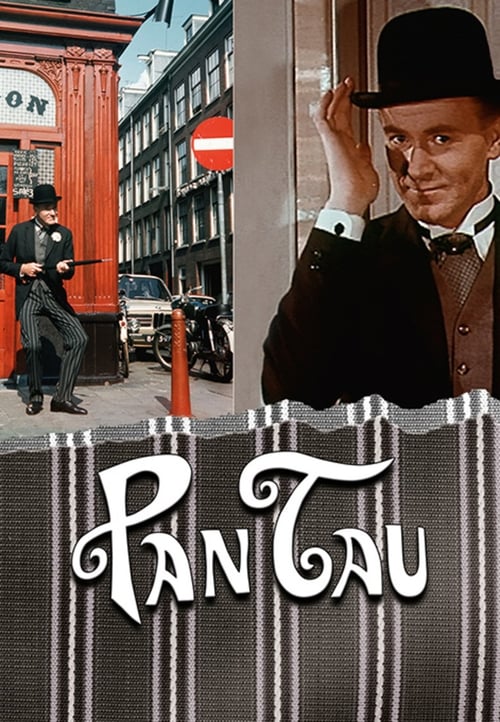
Pan Tau always had a gentle expression and a friendly smile, he was elegantly dressed in a stroller, with an umbrella and a white carnation in the lapel. Foremost, he was famous for his magic bowler hat. By tapping on his hat, Pan Tau was able to change his appearance into a puppet, to conjure up miscellaneous objects or to do other magic. His most characteristically behavior is that he would help children who were experiencing some sort of difficulties in-between their dreams and reality, like finding a place for skiing, settling family problems on Christmas, and even give a boy a good time at a fair when he is supposed to have piano lessons. To adults, he usually remained invisible.
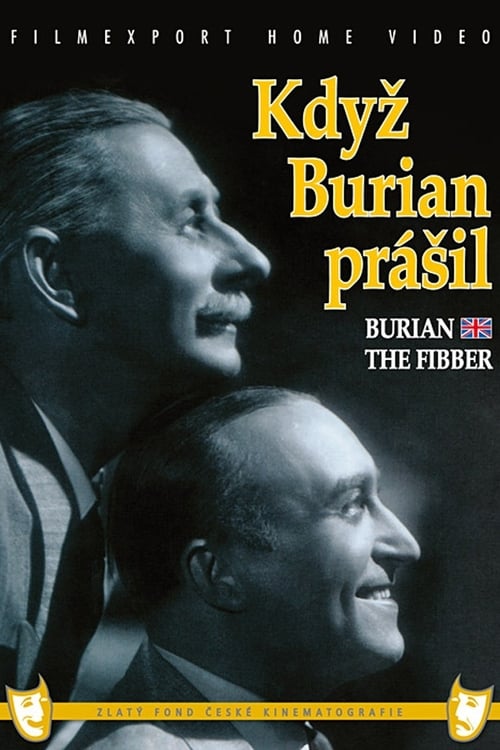
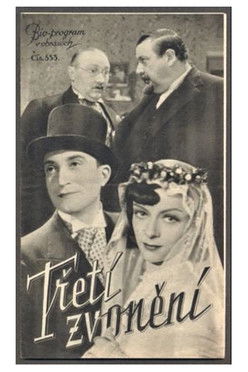
Fifty years old Baron von Fibberg lives at The Fibberg Castle with his wife Olga and daughter Charley. Besides the delight in hunting, Baron is very enthusiastic about truth. Although he can't withstand any falsehood of others, he keeps his own intimate secrets from his wife. Charley seems to be an innocent girl at first glance, but she has a little secret too. She fell in love with a young fop Ernest Benda and married him in secret. Her only concern is the way, how to let her strict father know about the marriage. Together with her husband they prepare a plan how to do it, but it turns out to be a catastrophe for the whole family.
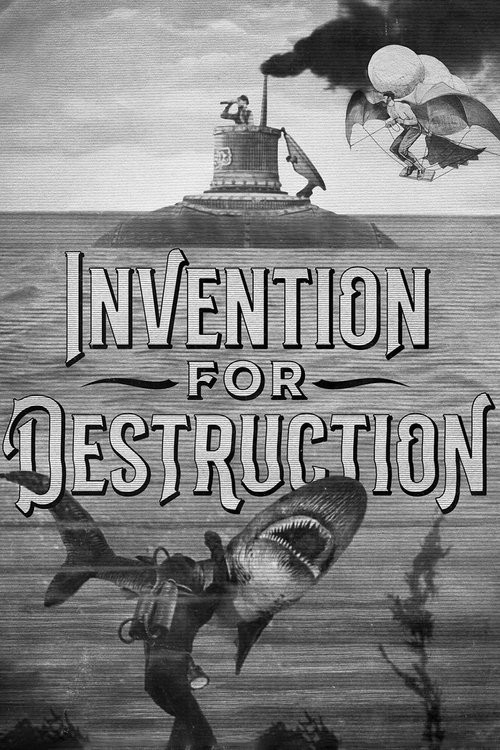
As the world progresses into the industrial age, a professor studying the "nature of pure matter" is spirited away by a would-be dictator and connived into building a super-bomb, as a young reporter and a girl rescued from the sea attempt to warn him of their mutual kidnapper's intentions to dominate the world with a new and more-deadly-yet weapon.
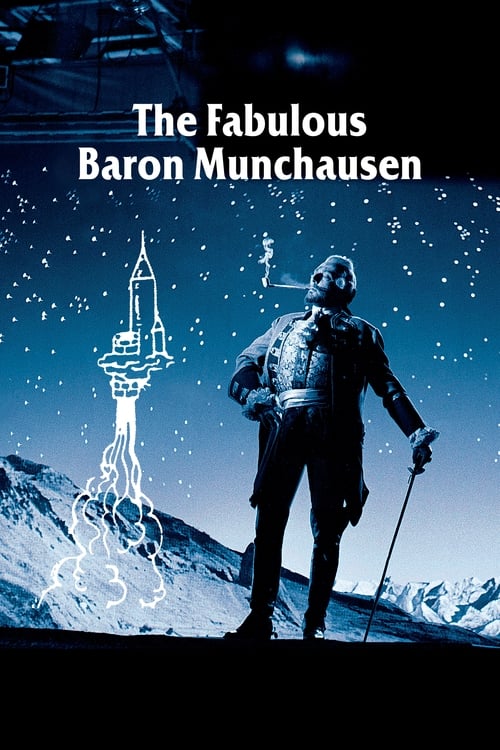
A 20th century man lands on the Moon and discovers that Baron Munchausen has beaten him to it, accompanied by Cyrano de Bergerac and the characters from Jules Verne's novels about the conquest of the satellite.
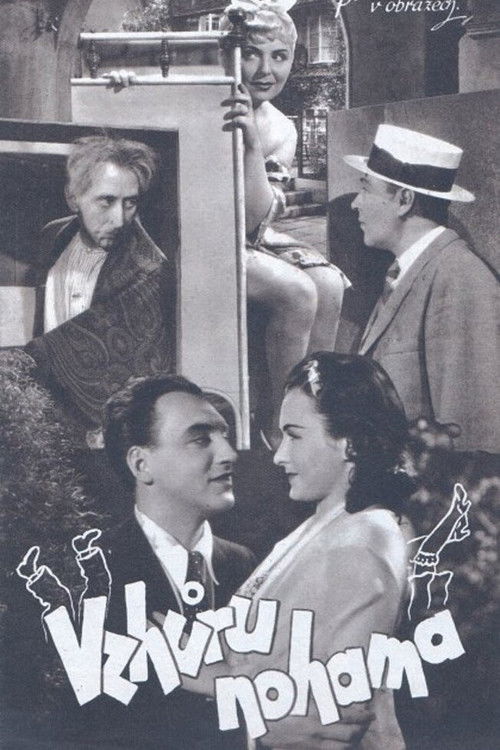
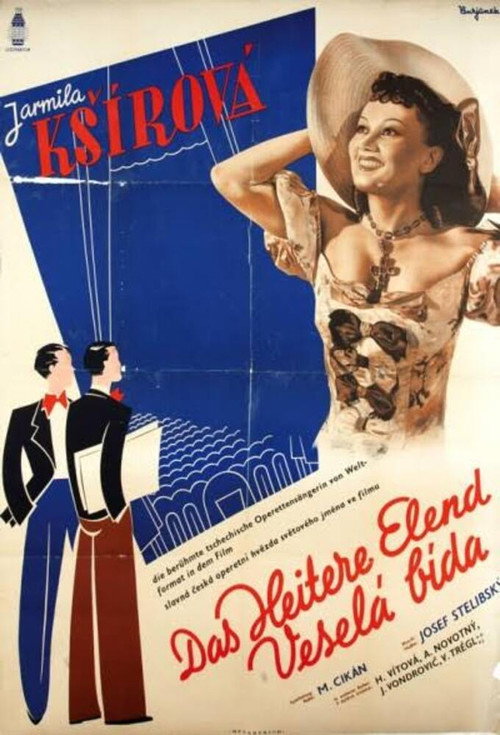
Two young composers offer their operetta in vain - it is rejected before anyone reads it. By a coincidence, when its text ends up in the wrong briefcase, it ends up with a popular singer who, on the contrary, likes it very much, but has no idea who wrote the play... The search for the authors, personality confusion and budding love become the main plot elements of this pleasantly naive film, where there is constant singing.
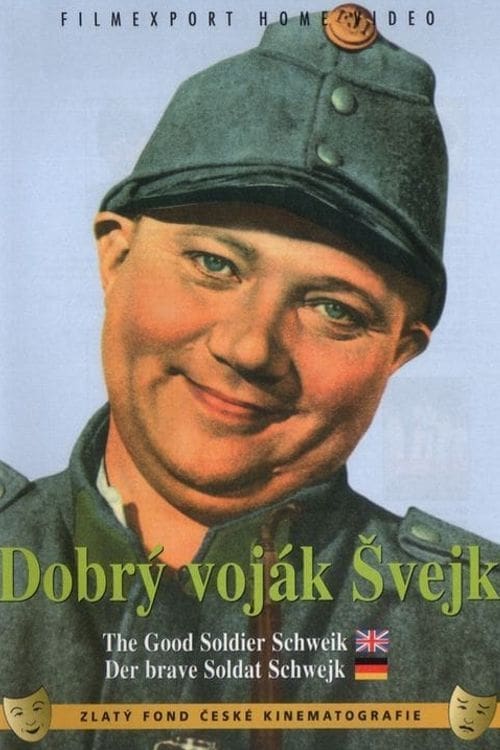
Good-natured and garrulous, Schweik becomes the Austrian army's most loyal Czech soldier when he is called up on the outbreak of World War I -- although his bumbling attempts to get to the front serve only to prevent him from reaching it. Playing cards and getting drunk, he uses all his cunning and genial subterfuge to deal with the police, clergy, and officers who chivy him toward battle.
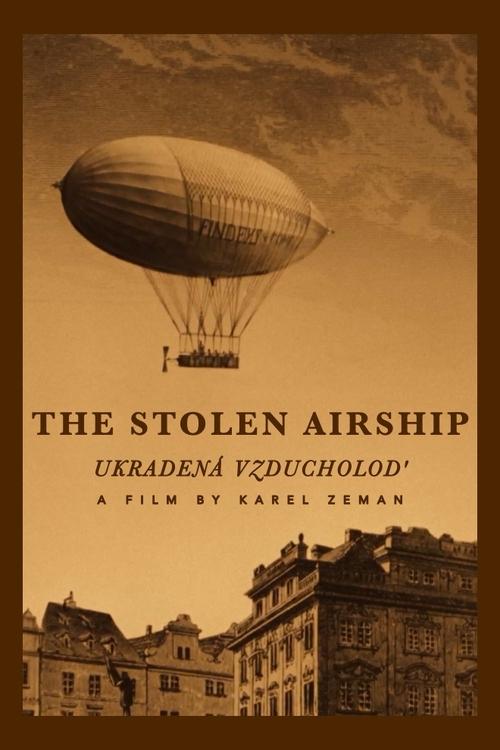
Five young people take off in a lighter-than-air machine at the Prague Centennial Exhibition. In an Art Nouveau style, the film consists of live action generally shot in black and white, as well as hand-drawn, stop-motion, and cutout animation. Various live-action and animated elements are often composited into the same scene.
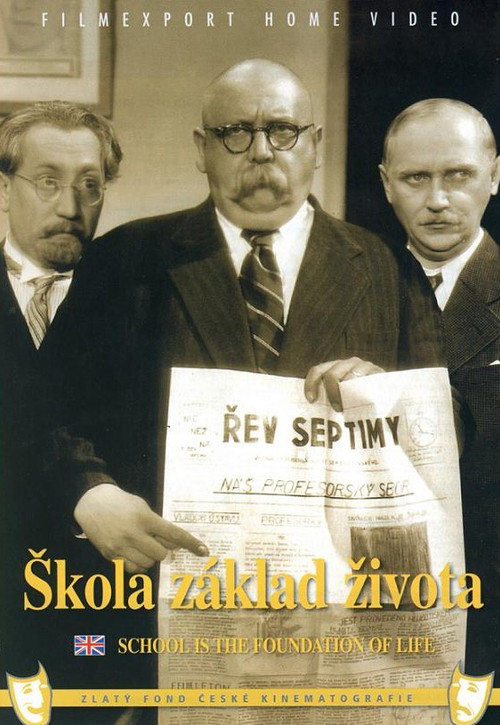
Seventh form pupils at a grammar school in Přívlaky are preparing for a secondary school sports competition. Class creep Krhounek gives the class teacher Lejsal a copy of the seventh form’s magazine Roar. Most of the teachers insist on severe punishing the culprit. The author does not own up and consequently the whole class is punished by being banned from taking part in the schools competition. The most gifted pupil, Benetka, rather sharply criticises the school in a homework essay on a subject of his choice. The strict Czech language teacher is convinced Benetka is the author of the school magazine. Benetka denies the charge but his expulsion from school is proposed anyway on account the views he expounded in his essay. Eventually, Boukal, the author of the school magazine comes forward and admits to writing it. The pupils are allowed to take part in the contest and thanks to Benetka they win. In the meantime however the teachers vote to expell him.
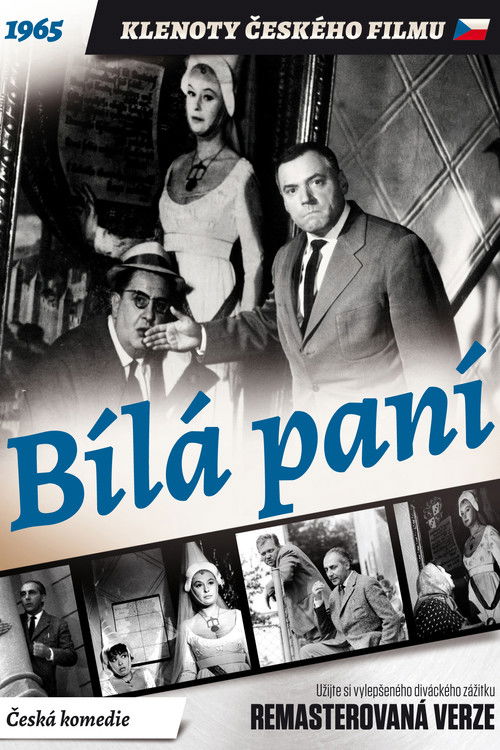
This castle has its own ghost - a mysterious White lady. She emerges from the painting on the wall when someone speaks out magic formula. White lady is good ghost, she can make someone's wishes true. Even if it is a new duct. But a miracle is not the thing that Communist leaders want in the town.
The Counter-Reformation period: Myslivec Machovec is forced by representatives of the Jesuit order to flee his home for his religious beliefs. His teenage children Helenka and Tomáš do not give up the faith and traditions of the Czech Brethren despite the increasing pressure.