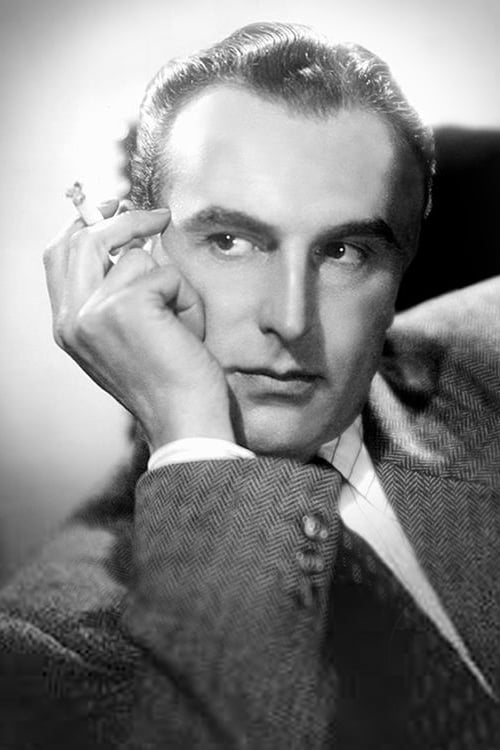
Raoul Schránil
Acting
Known For
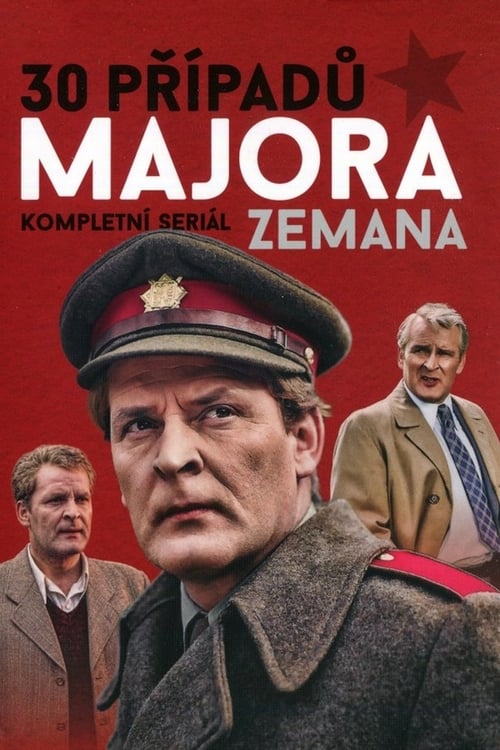
Thirty Cases of Major Zeman is a Czechoslovak action-drama television show intended as a political propaganda to support the official attitude of the communist party. The series were filmed in the 1970s. Each episode encompasses one year, and investigations are stylized to that year. Most are inspired by real cases. The series follows the life of police investigator Jan Zeman during his career from 1945 to 1975.
Thirty Cases of Major Zema
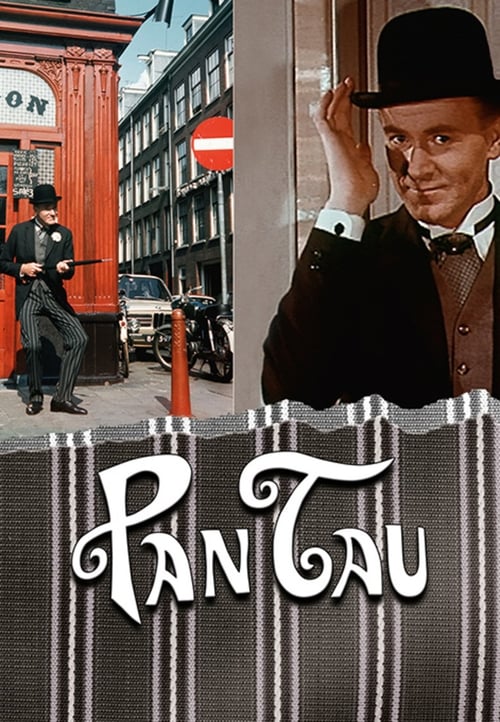
Pan Tau always had a gentle expression and a friendly smile, he was elegantly dressed in a stroller, with an umbrella and a white carnation in the lapel. Foremost, he was famous for his magic bowler hat. By tapping on his hat, Pan Tau was able to change his appearance into a puppet, to conjure up miscellaneous objects or to do other magic. His most characteristically behavior is that he would help children who were experiencing some sort of difficulties in-between their dreams and reality, like finding a place for skiing, settling family problems on Christmas, and even give a boy a good time at a fair when he is supposed to have piano lessons. To adults, he usually remained invisible.
Pan Tau
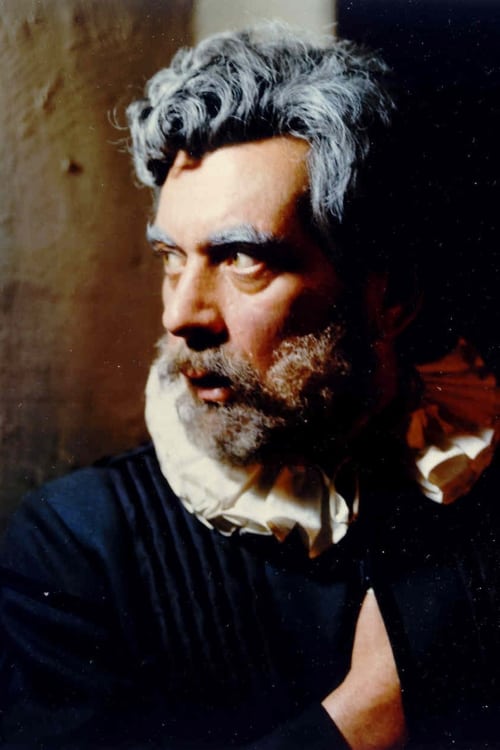
Series about the life of Renaissance anatomist, scholar and politic Johannes Jessenius. Already legendary series today, was produced by Czechoslovak Television Bratislava, directed by Slovak director Miroslav Luther in the first half of 80's in Barrandov Studios in Prague. The story and screenplay of the series wrote Czech writer Vladimír Körner. Five-episodes epic historical narration is a biographical story of distinguished Renaissance scholar, anatomist and politic of Slovak origin, Johannes Jessenius (Ján Jesenský, 1566–1621). It displays his life from the first studies and successes. In 1594 he became professor of surgery and anatomy on Wittenberg University, which he had attended years before. From that moment, his life went through social and personal wins and losses, to the sad end on the Prague Old Town Square gallows, among 27 noblemen, knights and burgenses, after lose Bohemian Revolt in 1621. His destiny was coupled with key events of Czech history in the break of 16th and 17th century, when Renaissance and European humanism slowly fade out.
The Physician of a Dying Time
No description available.
Dynastie Nováků
No description available.
Dnes v jednom domě
No description available.
A Prague Underworld
Mrs. Piskořová, co-owner of a debt-ridden boarding house, forces her daughter Klára to marry a wealthy elderly architect, Kacík, who has recently separated from his wife. However, Klára is in love with the waiter Prokop, who she does not know is actually a mining engineer. No one suspects that Klára's land, considered worthless, contains a coal deposit...
Panna
Polish socialist and Marxist Rosa Luxemburg works tirelessly in the service of revolution in early 20th century Poland and Germany. While Luxemburg campaigns for her beliefs, she is repeatedly imprisoned as she forms the Spartacist League offering a new vision for Germany.
Rosa Luxemburg
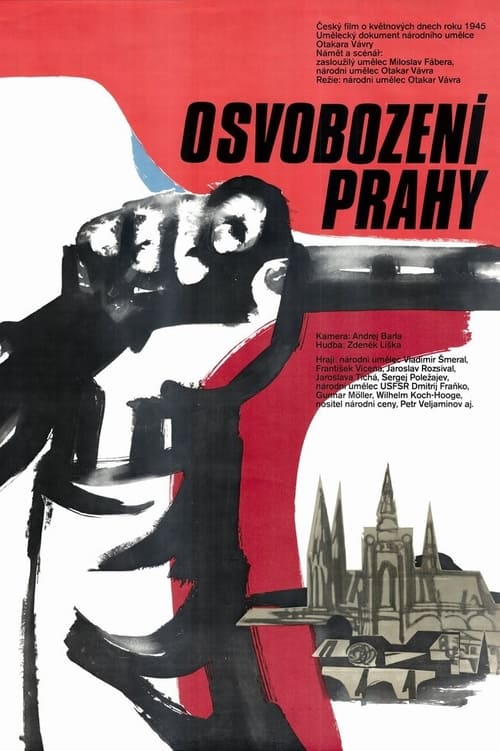
On 20th of April 1945 the Soviet army launches its attack on Berlin. The end has come for Nazi Germany and Hitler decides to commit suicide. In Prague K.H. Frank (Nazi Secretary of State and Chief of police in the Protectorate of Bohemia a Moravia) discusses with his commanders how to transform the city into an impregnable fortress, but the Praguers do not intend to wait any longer. From the early hours of 4th of May people start assembling in the streets and tearing down German signs. On the next day, the 5th of May, the uprising begins.
The Liberation of Prague
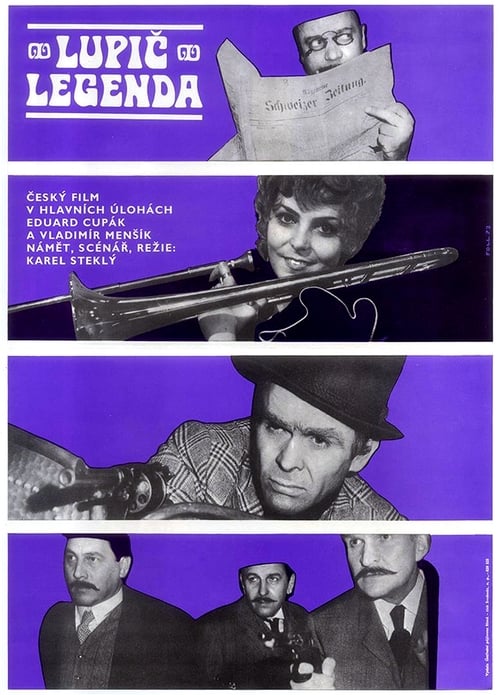
It is 1905. The police director gets Jindrich Legenda (Eduard Cupák) shadowed as, yet Legenda had served his sentence for a burglary, the jewels have not been found. Russian revolution encouraged also Czech workers to fight for their rights. Radical anarchists are followed by Legenda's friend Karel Wohryzek (Vladimír Mensík) who was forced to collaborate with the police as he was convicted of pornography distribution.
Legenda, the Robber
No description available.
Uctivá poklona, pane Kohn
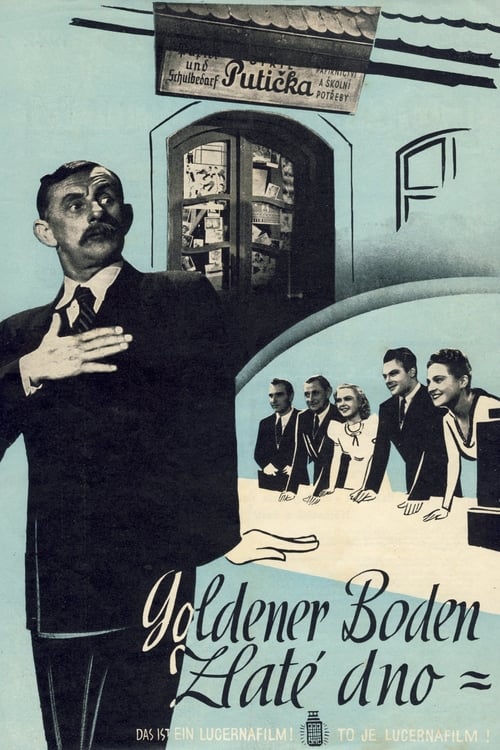
A village shop owner is convinced by his children to move to Prague, where they say he'll be able to enjoy a fine retirement in a modern furnished apartment. Bored by life in Prague with nothing to do, the old man takes to helping a young widow in her stationery shop.
Skill of Gold
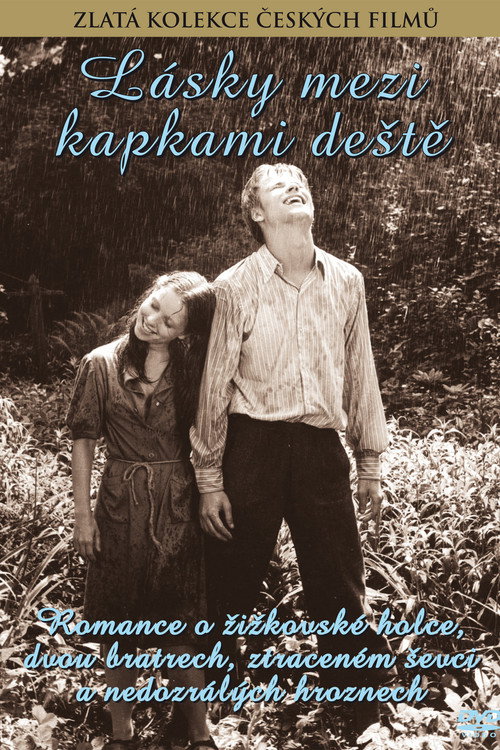
Set in Prague during the years leading up to World War II, this family saga tells the story of a cobbler named Vincenc Bursik (Vladimir Mensik), who uproots his clan from the country to the city, only to suffer the loss of his wife and the failure of his shoe business within months. When his daughter moves away to go live with a wealthy businessman as his mistress, Vincenc is left to take care of his two sons, who spend their days in a secret garden vying for the affections of a teenage girl.
Love Between the Raindrops

The 35-year-old ministry official Baron Leisenbohg had the stage career ten years ago as the cast of the "Queen of the Night", opera that promoted singer Klare Hell. Klare shows no gratitude however.
The Fate of Baron Leisenbohg
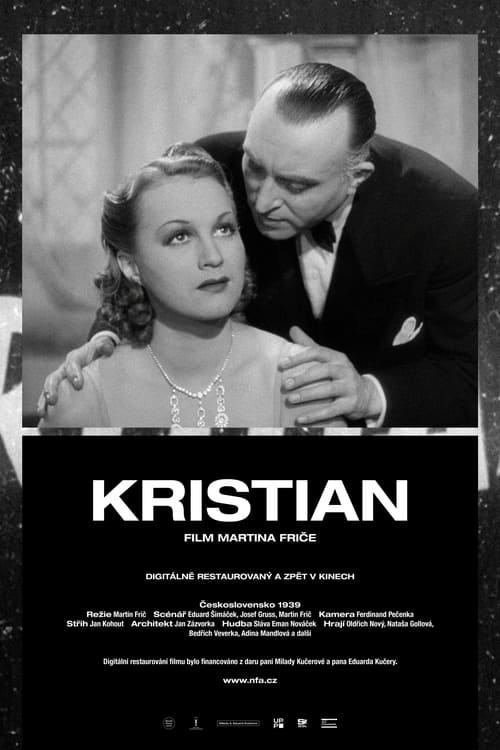
Alois Novák (Oldrich Nový), a minor clerk in a travel agency and the husband of a dowdy housewife Marenka (Natasa Gollová), lives a run-of-the-mill, dull life. In his soul, however, there resides an inextinguishable desire for adventure. And so once a month he poses as a playboy. As the mysterious and wealthy Mr. Kristian he goes to the exclusive Orient Bar where he does not skimp on generous tips and where he platonic-ally seduces beautiful and elegant women. In the salon he speaks of love and the magnificence of exotic lands, which he has supposedly come to know on his wanderings abroad. In reality he has read all of this in the travel agency's brochures.
Kristian
No description available.
Žena pod křížem
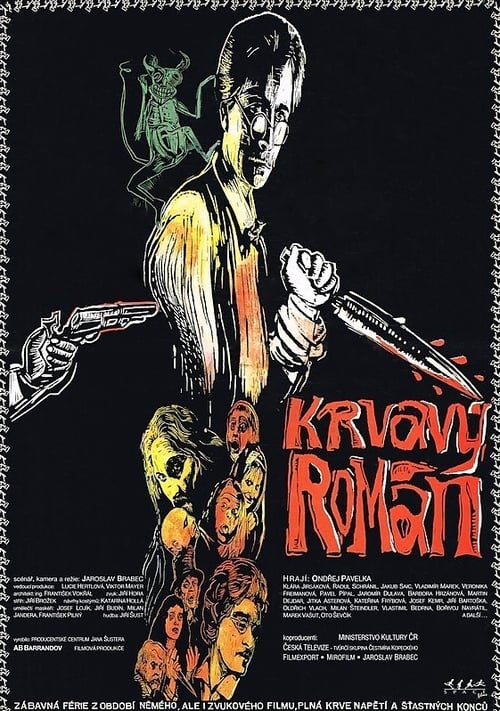
The distinctive artist, typographer, and writer Josef Váchal is known to the public primarily for his Blood Novel. The surrealistic exuberance of this defense of 19th-century pulp fiction caught the attention of Jaroslav Brabec and his colleagues, who found a corresponding image of 20th-century "trash." The authors' interest focuses primarily on the silent film era, with a journey through the history of cinema continuing through the advent of sound film to the present day (auteur cinema of the 1960s, modern horror), formally employing techniques such as tinted film. The versatile parody intertwines a colorful plot with the story of the author (Váchal/Paseky), who comments on and creates his book, and is further split in the plot into the characters of Fragonard and the Master. As with Váchal, reality increasingly enters the fiction, so that the only "happy ending" turns out to be the artist's finished work.
Horror Story
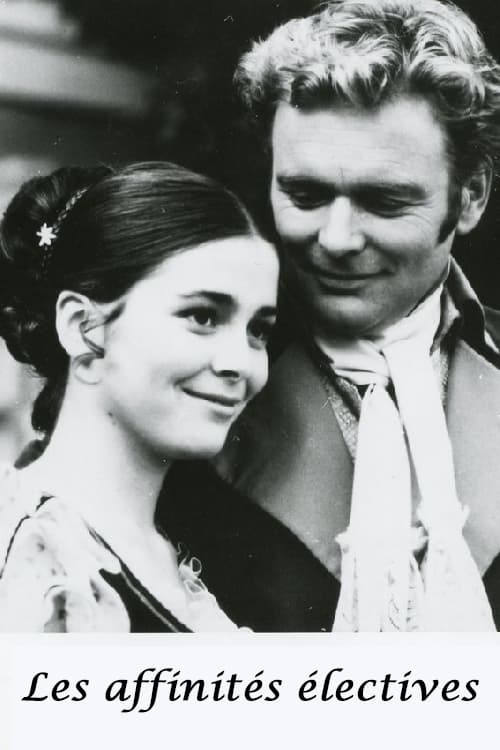
On the outskirts of Weimar, Edouard and Charlotte, an aristocratic couple united after both becoming widows, invite two guests to their home: a childhood friend of Edouard's called the Captain, and despite Charlotte's ominous premonition, Ottilie, Charlotte's beautiful and orphaned niece...
Elective Affinities
No description available.
Srdce na kolejích
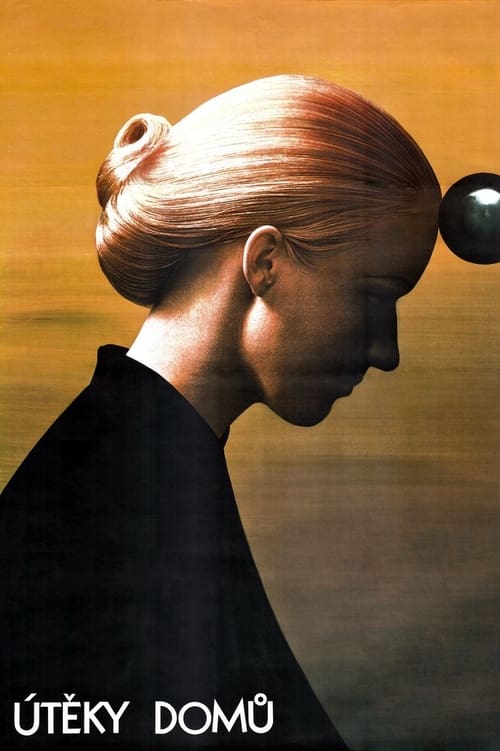
A twelve-year-old is looking for his biological parents after discovering the fact that he was adopted.