Acting
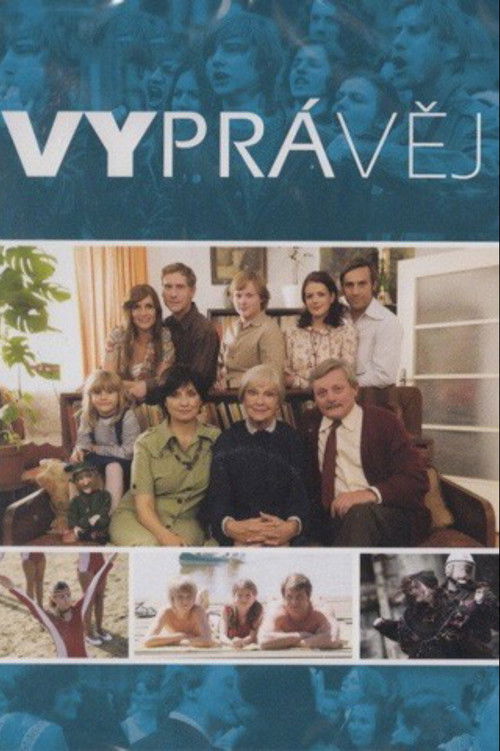
Set in Czechoslovakia, the drama follows the lives of its characters against the backdrop of real historical events that shape their personal stories. To evoke period atmosphere, the series intersperses authentic clips from vintage Czechoslovak film newsreels, using their original commentaries or newly recorded historical voice-overs by Vladimír Fišer. A narrator, initially voiced by Vojtěch Kotek and later by Matěj Hádek, provides continuity and reflection, guiding viewers through changing times. Under the guidance of screenwriter Rudolf Merkner, each episode’s script weaves family and individual dramas into key moments of Czech and Slovak history: political shifts, cultural trends, and social transformations from the 1960s onward.
No description available.
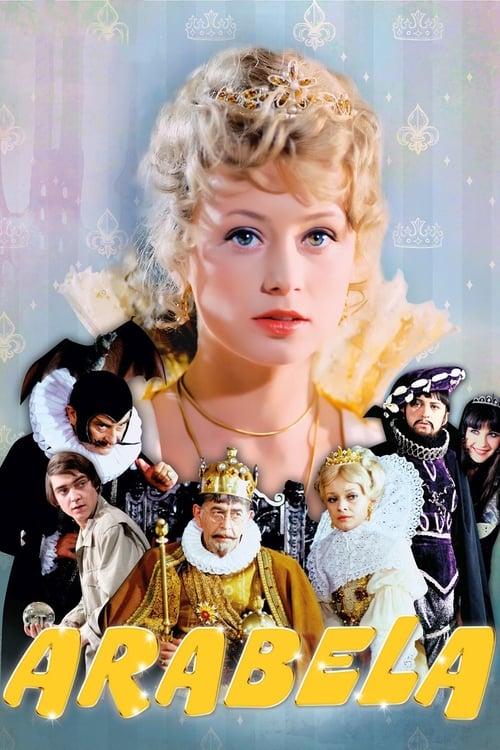
Arabela was a children's television series produced in Czechoslovakia which aired from 1979 to 1981. The series has 13 episodes and is in the Czech language.
Sanitka was a Czech television, drama series, first broadcast in 1984 and eleven episodes were made. It starred Jaromír Hanzlík, Tomáš Juricka and Zlata Adamovská among others.
It's the year 2484 and the Earth is threatened by a rogue comet which could fatally change its orbit. The solution is surprising - Adam Bernau, the greatest genius of 20th century developed 500 years ago an ingenious formula for easy transporting of continents and even worlds. Unfortunately, he made this discovery at the age of 11 and the exercise book containing it was destroyed in the fire. But this is not a challenge to Academic Filip who decides to send an expedition back in time to retrieve the precious exercise book from the fire. But everything is not so simple as it seems...
Piesočná potvorka (lit. The Sand Creature) is a 1985 Czech television miniseries based on Edith Nesbit's 1904 children's novel Five Children and It. The four Majer children—Janka, Braň, Cyril and Vladek—spend holidays together at a cottage, with their aunt Marta, who takes care of them in their parents' absence. One day, the older children decide to dig in an old sandbox and find an ancient wonder: Brontofusika, a prehistoric creature that can grant wishes. So Janka wishes that everyone would be as beautiful as the heroes from a fairy tale. It happens. No one recognizes the children in this disguise, not even their own aunt, which brings a lot of funny but also unpleasant situations. But the magic only works until sunset!
An ordinary man witnesses a crime, he wants to do the right thing and help the victim to convict and punish the teenage perpetrators. He voluntarily testifies in court but this brave decision ultimately destroys his life, makes him lose his family and even the roof over his head.
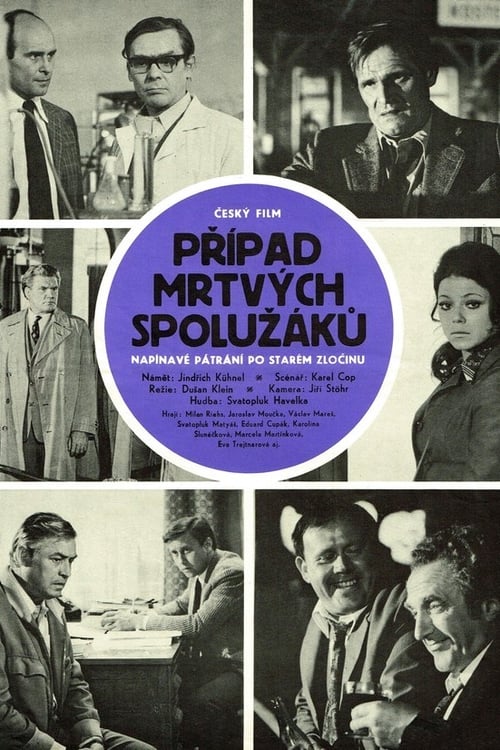
A West German businessman Friedrich Schmidt is arriving to Czechoslovakia with private mission and mission for Intelligence service. He wants to settle the old event from the time of the Second World War when he as a student of the Czech grammar school in the town of Kostelec took part at the denunciation of his schoolmate Pavel Richter. Pavel was during the period of Nazi terror following the assassination of Acting Reich Protector of Bohemia and Moravia Heydrich executed. Schmidt has also to enter into relations with persons suitable for cooperation with the West Intelligence service. Schmidt - earlier, before the German occupation Smíd - meets the schoolmates and endeavors to avert suspicion that arose already at the time of the tragic event.
The winter Krkonoše Mountains have many pitfalls, especially if you are overly concerned about their treacherous splendour. The somewhat unheroic hero of this clumsily and uninterestingly shot film is a mail carrier who volunteers for the Mountain Service. Only in a blizzard does he overcome his fear of avalanches when he saves the lives of two hikers caught off guard by the suddenly deteriorating weather...
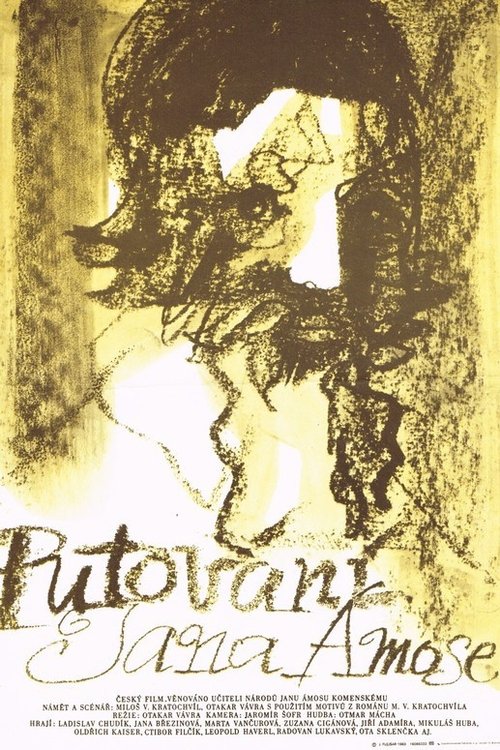
The distressing fate of the Czech great Jan Amos Komenský, forced to leave his homeland after the White Mountain disaster. It depicts his encounters with various European personalities of the 17th century - the Queen of Sweden, artists and scientists. It emphasises the hero's nobility, but also his inner resilience, which allowed him to overcome many personal and professional tragedies. The parable of The Labyrinth of the World and the Paradise of the Heart becomes part of the story. However, Comenius's concept is sculpturally lifeless and, in particular, the religious dimension is "erased" from it. The simplistic biography therefore does not avoid schoolboyish dryness.
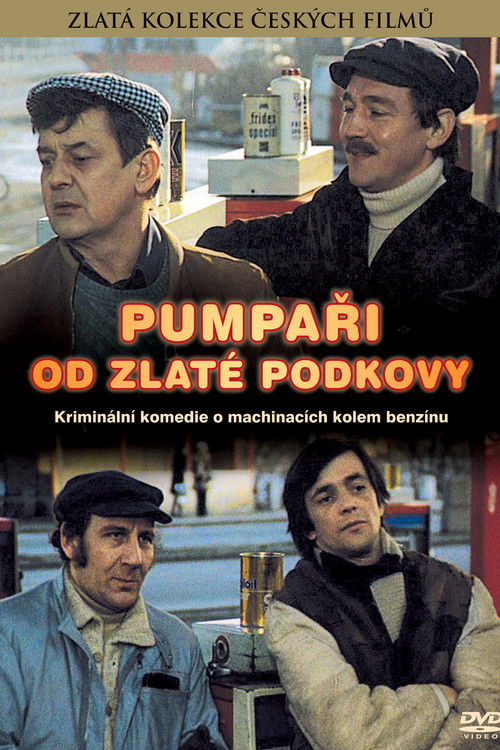
A petrol pump is run by a permanent team: the manager Vávra, a former civil engineer ing. Stejskal, a smug crook named Karafa, and an old man, Dvořák, who is about to retire. They have a well-developed system that allows them to divert part of the profits into their own pockets. The only one who wants nothing to do with the crooked business is old Dvorak, who one day will find another job. Into this situation comes a young man, Zdeněk Černý, as a new employee. He's inquisitive and works quickly. He also understands the profit-sharing system. He soon inspires confidence in Vávra and the others, but soon starts to assert his right to an equal share of the profits...
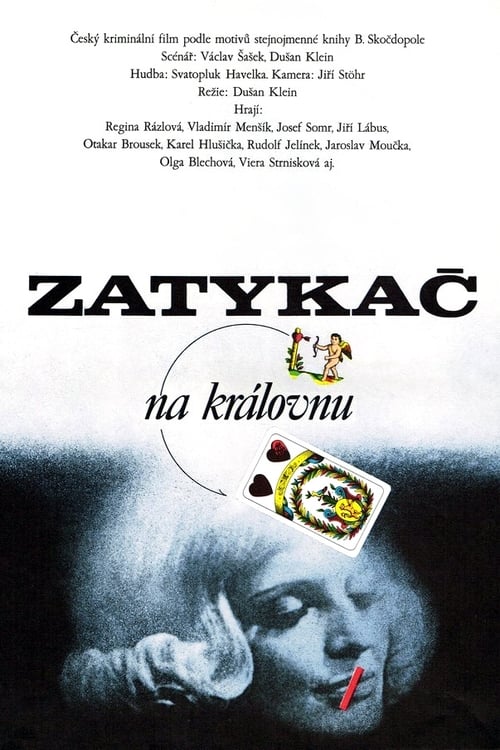
Captain Záruba investigates after an anonymous tip flags the seemingly extravagant lifestyle of Chemotex technician Dagmar Králová. Summoned to discuss the matter, Králová’s quarrel with engineer Vaněček, who secretly runs a suburban bootleg alcohol factory, triggers panic among the illicit network led by hotelier Černý. When Králová is found dead near the site of a murdered hitchhiker, autopsy reveals a different killer, launching parallel murder investigations. Forensic teams uncover the clandestine distillery, and gradually piece together motives and perpetrators behind both deaths.
In Scotland in 1751, young David Balfour is shanghaied aboard a ship where he meets Jacobite rebel Alan Breck Stewart with whom he escapes to the Scottish Highlands, dodging the redcoats.