Directing
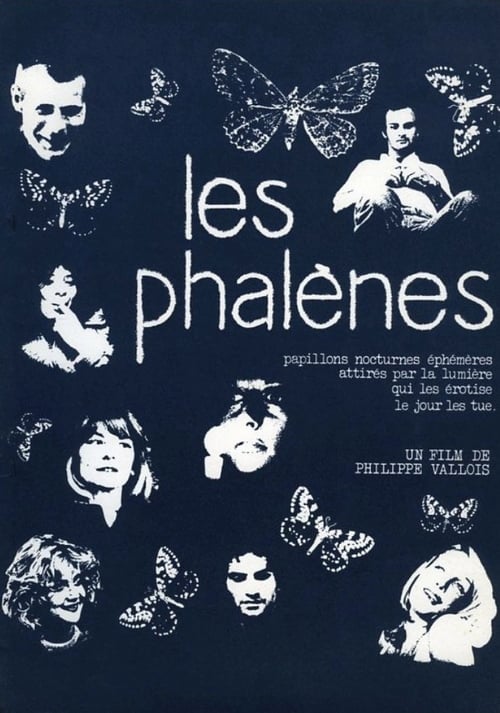
During an evening, men and women talk about love, life and death. One of them catches a moth and explains to the others the tragic fate of this insect. Everyone recognizes himself in the little animal.
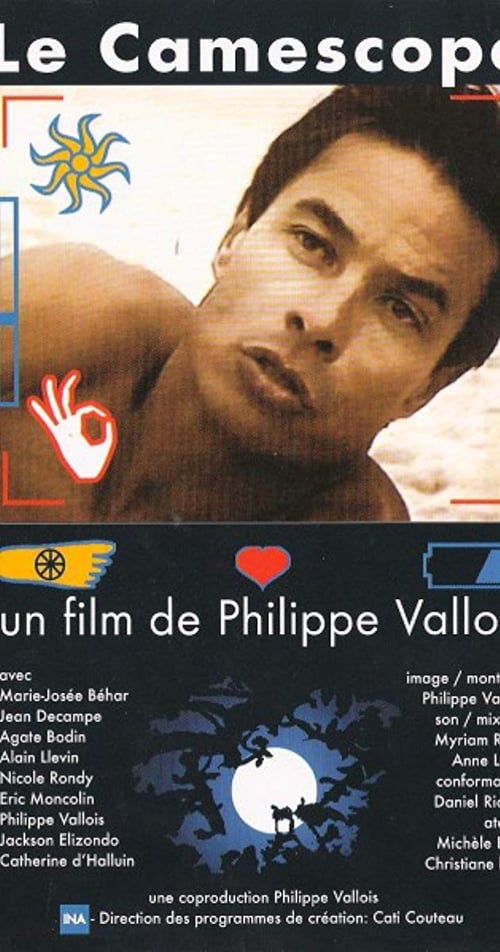
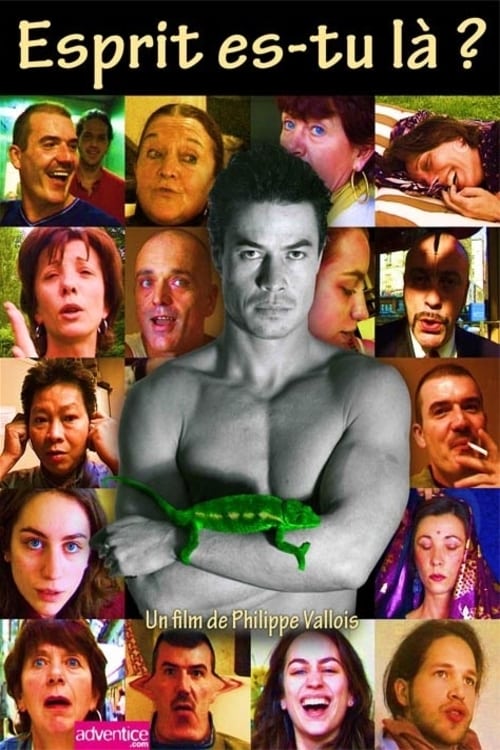
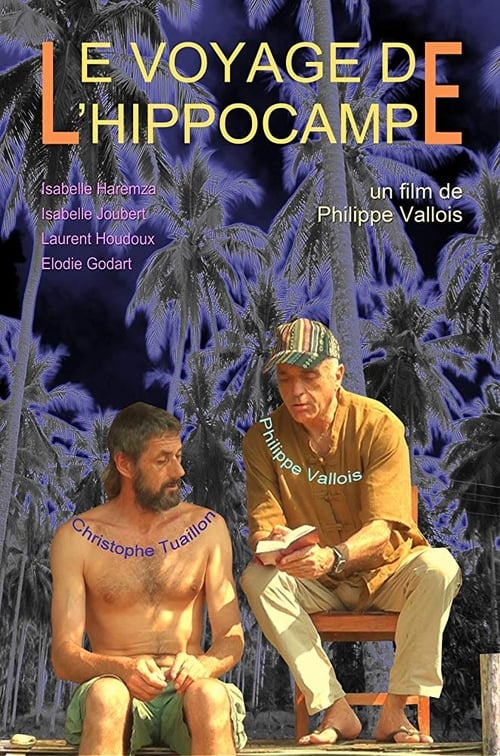
Upset by his friend's death, the film-maker, central character in this film, decides to get in touch with the hereafter by means of a camcorder. Thus begins an initiatory voyage that is both amusing and moving. The camcorder has the power to surprise people in their authenticity, to interfere in destinies, to give access to higher states of consciousness. Where does fiction begin and end?
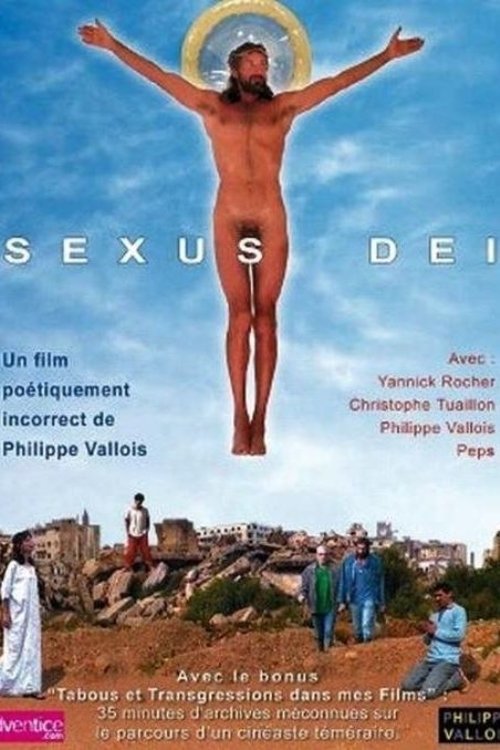
Beirut in ruins in 1994, a presbytery in the heart of a French forest, a stopover in Morocco... A man destroyed by his lover's death tries to get on with life, helped by meeting a man he helps to come out.
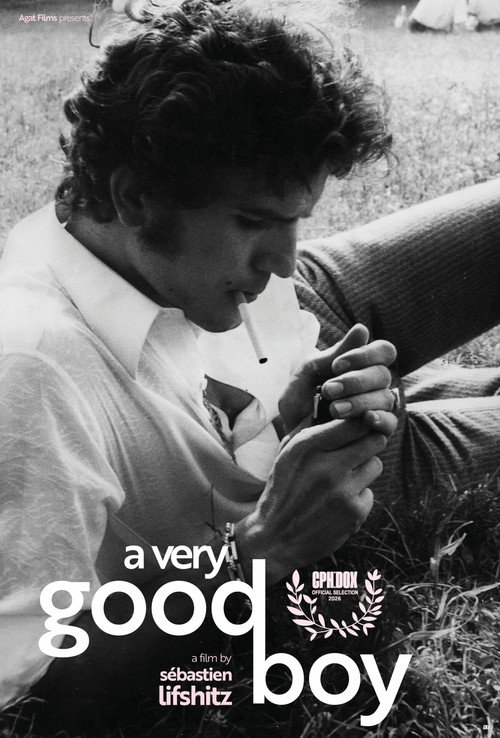
From his childhood in a modest family in the Pyrénées to his unexpected career as a porn actor in the 1970s, the film traces the life of Claude Loir, who set out to fully embrace life. His homosexuality and curiosity guide him through encounters that lead into the shadowy, liberated circles of a pre-AIDS era, caught between conservatism and sexual freedom. Loves and lovers, flamboyance and fragility… the film offers a striking portrait of a fearless, hedonistic man navigating desire, identity, and society’s constraints.
In the mid-nineties, a young writer, victim of AIDS, wants to ensure from the beyond that his lover receives a camera with supernatural powers, hoping that this will revive his lover's will to live and connect with him.
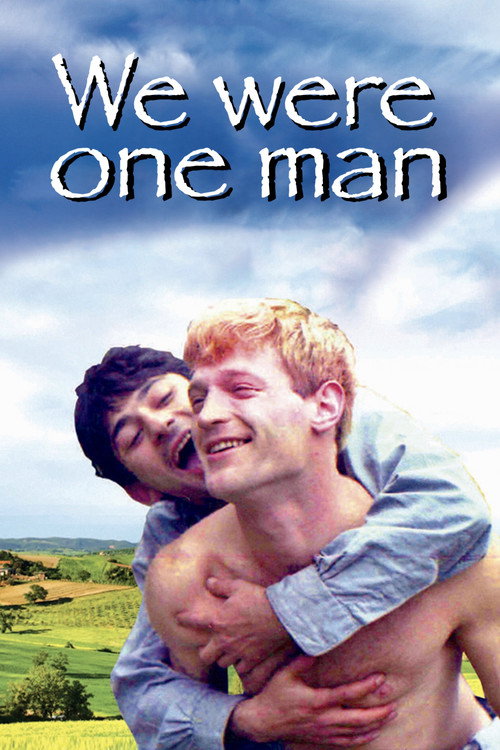
During the final days of World War II, a simple French peasant rescues a wounded German soldier and nurses him back to health. As their playful camaraderie grows, two young men who should be enemies begin to bond in ways neither thought possible.
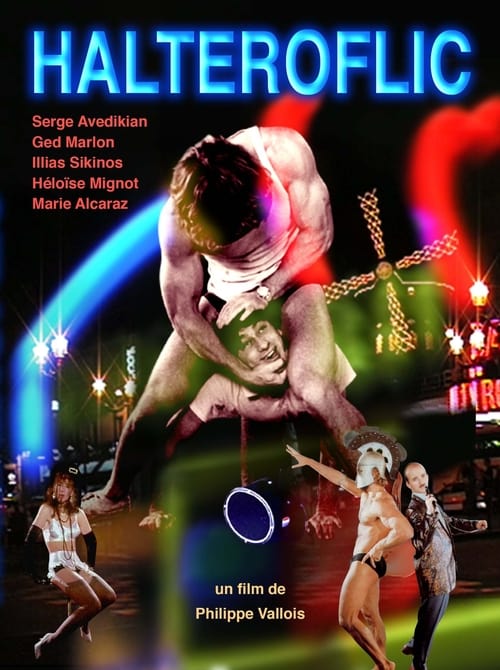
A reporter enters the world of bodybuilding at a time when there has just been a death at the gym. He befriends an unusually gregarious bodybuilder there.
Marc, owner of a pretty mansion in Normandy, suffers from a form of dementia: he loses the meaning of words and he travels in his imagination to Asia where he had his professional life. His wife entrusts him for a while to a neighbor who tries to unravel the mysteries of his past.
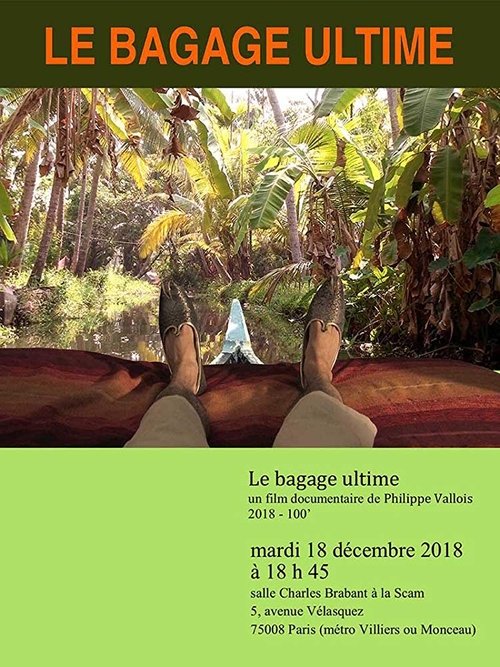
After the death of his mother, during a stay in Morocco, the director takes again his own archive images in connection with the important moments of his life.
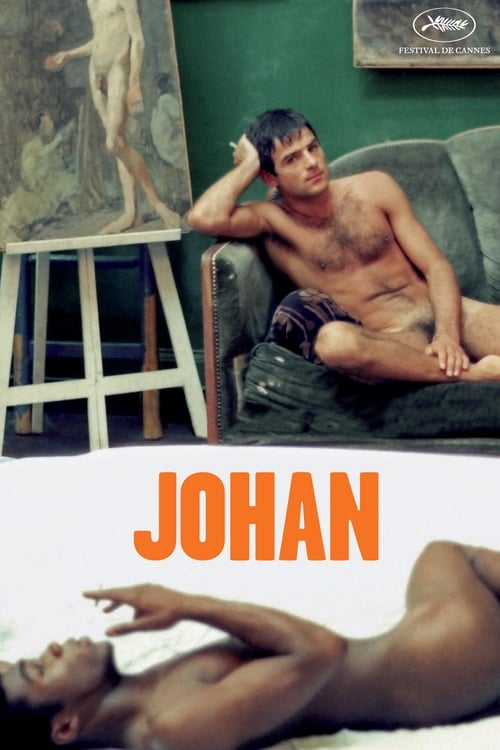
Johan details the director's quest for an actor to play his titular lover, the real deal having been incarcerated just prior to shooting on charges of petty theft.
Clement, a 60 years old teacher, retires and live alone with his Cat Zeus. One night, the cat becomes a man to entertain Clement in his loneliness and to help him accept his true sexual attraction.
Eight months after meeting Ulysses in Rio, Pascale decided to bring him to Paris. The plane ticket Ulysses receives takes him to Europe. When he arrived at Roissy airport, he was welcomed with open arms by Pascale, who was determined to win him back. Ulysses, if he is indeed seduced by Pascale's attitude, is nevertheless less inflamed than she is.
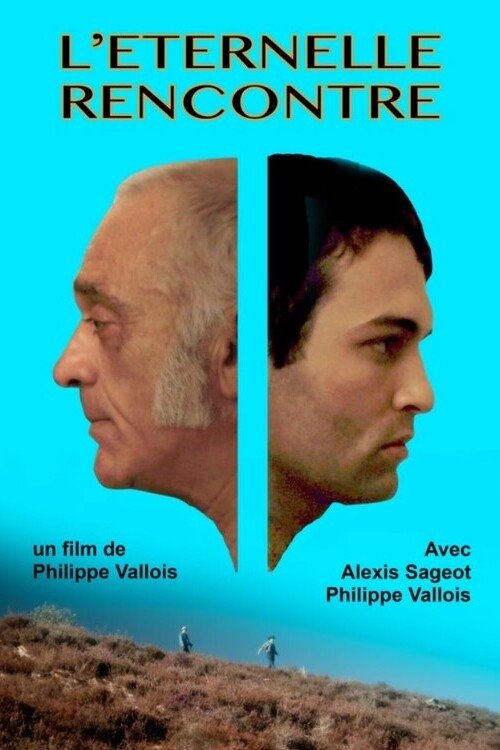
May 1973: By coming back from the Cannes film festival, a young hitch-hiker, lost at nightfall, finds refuge in a farm where a old man, claims his homosexuality and pretends to come from the future.
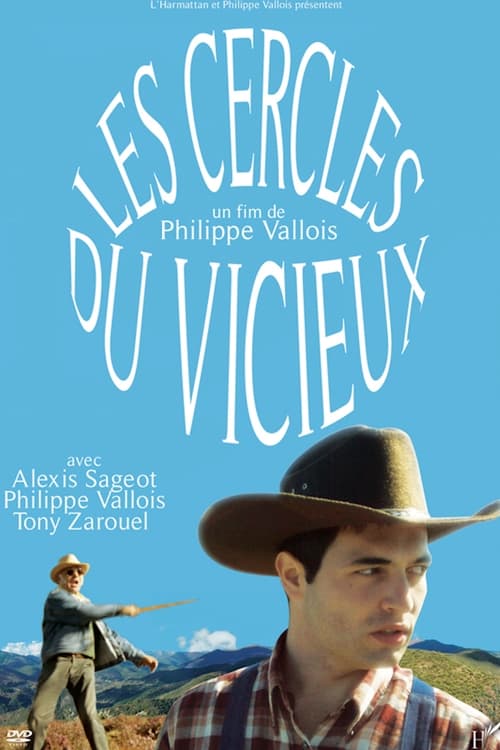
May 1973: While hitchhiking home from the Cannes festival, Jean-Jacques, a young heterosexual man, rather homophobic, gets lost in the Cévennes mountains. He finds refuge with an elderly gentleman who not only admits his homosexuality, but claims to be Jean-Jacques decades later.
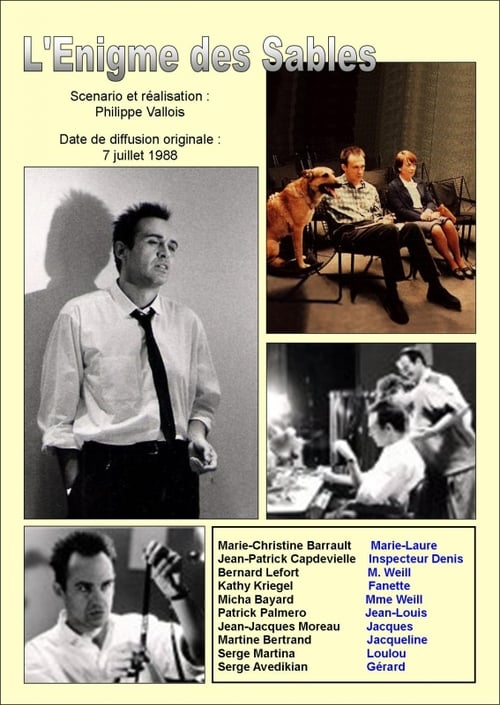
A team of amateur filmmakers sets off, camera in hand, to the south of Morocco. During their stay, one of the members of the group, Fanette, a vulgar vampire, is murdered. The Moroccan police do not find the culprit, and Paris takes over the case. The inspector in charge of the investigation decides to view all the "works" made on site, in the presence of their author.
Francis, a former gigolo, and Sofiane, a young undocumented prostitute, go to the Morvan to spend a week there on vacation. The day after their arrival, an unforeseen event completely questions this stay.
Between 1975 and 1983 a new kind of film could be seen in French cinema : home-grown gay pornography. The films were shot in 16mm and most of them were passed and given certificates by the CNC (National Cinema Centre). They were screened in a small number of Parisian cinemas dedicated to gay pornographic films : Le Dragon, La Marotte and Le Hollywood Boulevard as well as several in the provinces. They were essentially the work of three production companies : Les Films de La Troïka (Norbert Terry), AMT Productions (Anne-Marie Tensi) and Les Films du Vertbois (principally Jacques Scandelari). The genre met an untimely end with the advent of video, the last being made in 1983 "Mon ami, mon amour (My friend, my lover)". Since then, gay pornography has not been screened in French cinemas. This film is the result of five years of painstaking research and investigation. It features extensive interviews with the directors and actors illustrated by numerous extracts from their films.
Between 1975 and 1983 a new kind of film could be seen in French cinema: home-grown gay pornography. They were essentially the work of three production companies: Les Films de La Troika (Norbert Terry), AMT Productions (Anne-Marie Tensi) and Les Films du Vertbois (principally Jacques Scandelari). The genre met an untimely end with the advent of video, the last being made in 1983 'Mon Ami, Mon Amour (My Friend, my Lover)'.
Kamellia, a professionnal belly dancer went to teach her knowlege in Jerusalem. With testimonies of dancers and musicians, excerpts from shows and scenes of life, the film tells how music and dance can bring peopes in conflict closer together. We can see in this approach a lot of humanity and a symbol of future peace.
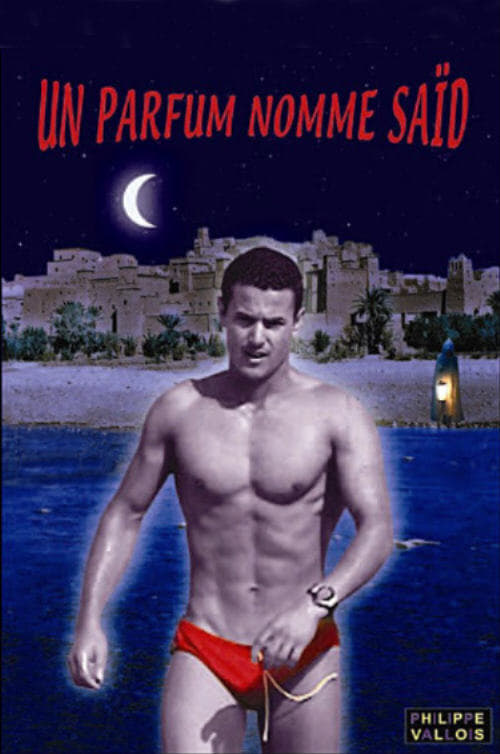
As Gerard is shooting a documentary in Marrakesh, he turns his camera toward a young Moroccan boy: Saïd. A love story starts and it will bring Gerard all over Morocco. Through encounters, love adventures, youth's memories, Gerard tries to define his destiny so tied to Morocco.