Acting
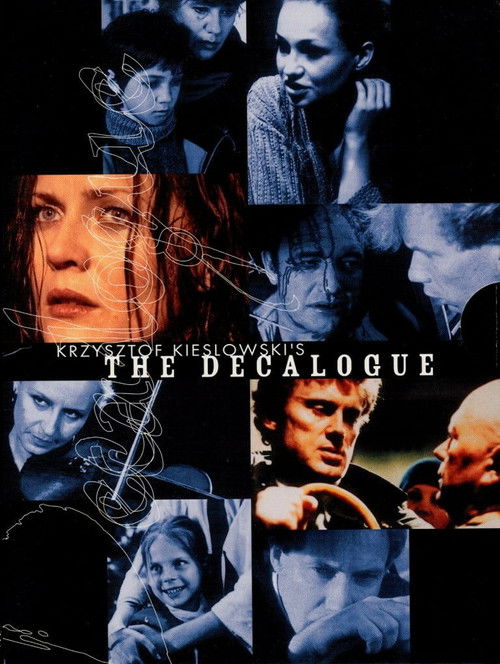
The Ten Commandments, exact and uncompromising, literally cast in stone, continues to provide a source of moral conflict in contemporary society. In the ten part collection of films, The Decalogue, Krzysztof Kieślowski examines the dilemma of fundamental sin in the lives of ordinary Warsaw citizens.
No description available.
Polish immigrant Karol Karol finds himself out of a marriage, a job and a country when his French wife, Dominique, divorces him after six months due to his impotence. Forced to leave France after losing the business they jointly owned, Karol enlists fellow Polish expatriate Mikołaj to smuggle him back to their homeland.
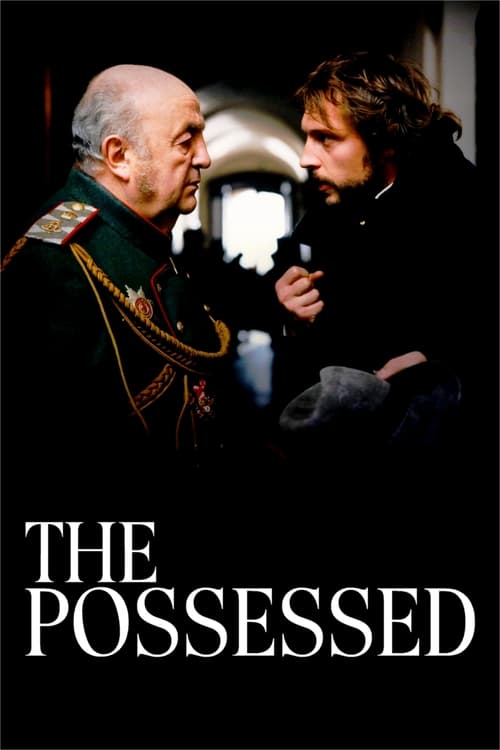
Russia, 1870. A group of young anarchist revolutionaries set out to overthrow the Czarist regime through violence. Their attacks create a climate of psychosis and mutual distrust among the population, but in reality, both revolutionaries and repressors are being manipulated by a diabolical individual.
19-year-old Tomek whiles away his lonely life by spying on his opposite neighbour Magda through binoculars. She's an artist in her mid-thirties, and appears to have everything - not least a constant stream of men at her beck and call. But when the two finally meet, they discover that they have a lot more in common than appeared at first sight...
It is a bitter story about a middle-aged man, who hates his life and other people, including himself. Adam Miauczynski, the character known from director Marek Koterski's previous films, is a 49 year-old teacher, who reads poetry during school lessons and later goes home swearing and calling his neighbours' names. The worst pain for him is the next 5 minutes of living. He doesn't accept himself and even everyday contacts with others cause his aggression. Though constantly dreaming of a romantic love, he is not bold enough to make his dreams come true. The desperate Miauczynski personalizes our own fears and obsessions, which have become so visible recently.
Anthropology professor Michal develops two overwhelming obsessions. The first one is a mummified, 3,000 year-old, perfectly preserved body of a shaman he and his colleagues have recently dragged out of a swamp. The second is an enigmatic student he meets by chance at a railway station.
After the death of a respected academician, who in his private life was a tyrant and a phony, the family awaits arrival of a prodigal son to begin the ceremony. However, the deceased has prepared a vengeance for his disappointing sons...
The story takes place in the second half of the 1950s. A young journalist wants to establish himself in his profession and sort out his personal life, but he is unable to distance himself from the grim events he witnesses. He manages to get a job at a popular newspaper. The editor-in-chief sends him to a village near Warsaw, which is to be absorbed by the city, to write a report on the civilizational changes taking place there. The journalist learns the story of a young prisoner awaiting execution on death row and becomes involved in the convict's case.
Set in Poland in the 1970s, the main character half-heartedly goes about his job as a censor at the state run television station, whilst conducting affairs with nurses, airline pilots, etc. Interesting scene where main character must illegally emigrate to his own country.
Story of four people in Sopot in 1933, mysteriously brought together to an old villa to reenact a murder ritual that took place 36 years earlier.
After the defeat of Napoleon, in whom the Poles had placed so much hope for the restoration of their country, a dark night of slavery descended. Poland was wiped off the map of Europe, but it lived on in the hearts and minds of the Polish people. The struggle for Poland continued in various ways and by various means, depending on which partition the former territories of the country found themselves under. In literature, drama, and later in film, the struggle of Polish patriots with weapons in their hands, e.g., in the November and January uprisings against the tsarist regime, found greater reflection and resonance. Relatively little is known and little was known to the general public about the struggle for the liberation of the people of Greater Poland, which was under Prussian rule. And yet it was the "longest war in modern Europe."
A teenage postal worker, Tomek, routinely spies on his older neighbor Magda, a sexually liberated artist who lives in the apartment across the courtyard from his. As their private worlds merge, fascination turns to obsession, and the line between love and curiosity becomes violently blurred.
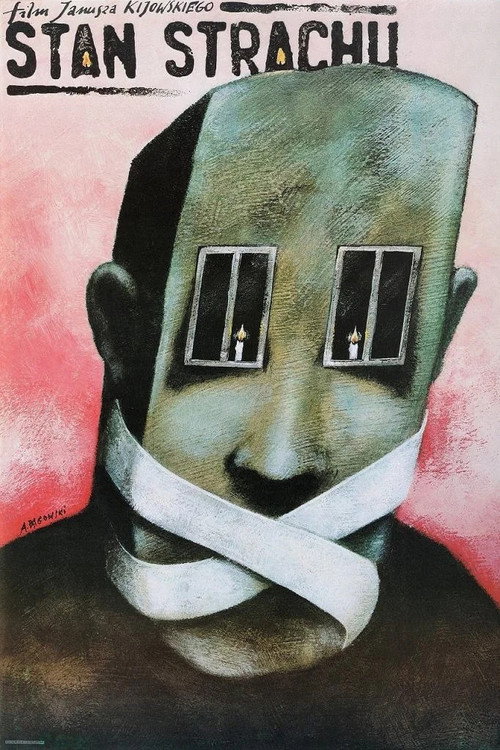
Martial Law in Poland. Marek the journalist steals a truck and starts his quest.
Lavish romantic melodrama, obsessively concerned with sex. Maryska's husband is off to war. He soon is reported missing, and she does not protest much when is seduced by the husband's friend, a seedy professor with sickly wife and other mistresses on the side. However, the love of Maryska's life turns out to be a shy 17-year old, son of friends with whom she goes to stay.
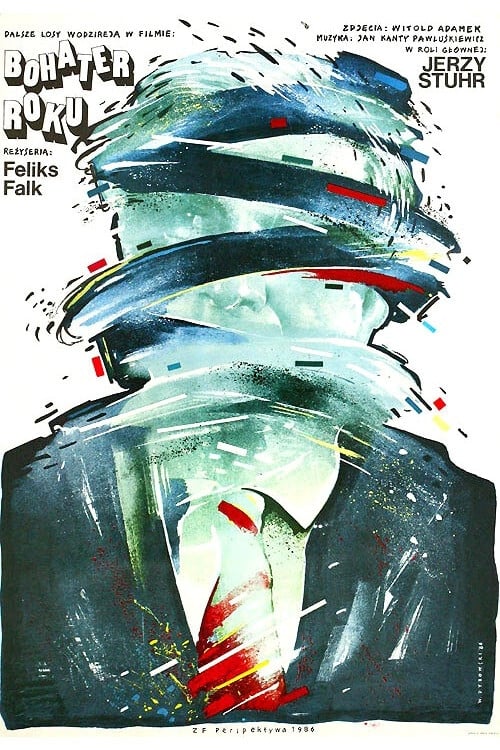
The early 1980s. A former entertainment industry star is now selling leather goods. One day, he watches a TV interview with a department store employee who smelled gas leaking and prevented a tragedy in time. This gives him an idea. With the support of his journalist friend Lutek Danielak, he begins to organize a series of meetings with the "hero of the year" across the country. He hopes that this will help him make a comeback in the industry. The meetings gain momentum. Lutek accepts the offer to host the final "Miss Polonia" contest.
Realistic depiction of the Polish martial law in 1981. John Malecki is a young actor with good career prospects in a Warsaw theater, preparing to play Hamlet, his dream role. John plans to go to Sweden. Any involvement with the new Solidarnośc movement might put his visa to Sweden at risk. But staying neutral in these times is not an easy task.