Jean-Louis Bertuccelli
Directing
Biography
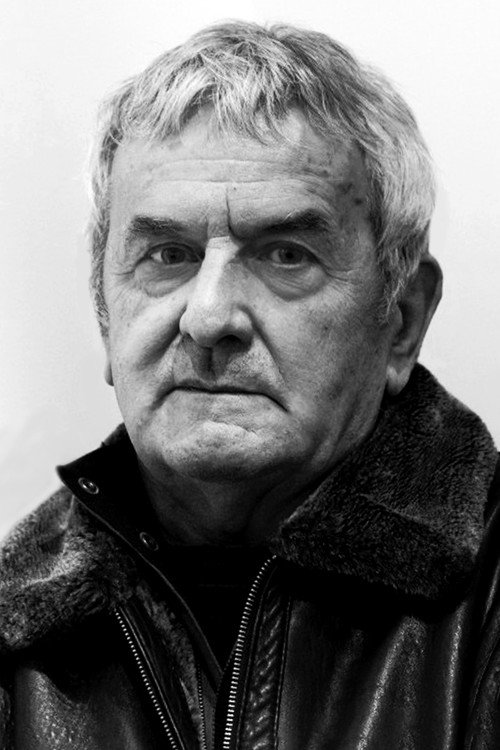
Jean-Louis Bertuccelli is a French director, screenwriter, and sound engineer born on June 3, 1942, in Paris, into a family with both Italian and French influences. He spent his childhood in the capital, where he developed an early interest in the art and crafts of filmmaking. Before turning to directing, he trained in sound engineering at the École Louis-Lumière, an apprenticeship that gave him a solid grasp of the technical aspects of cinema and profoundly influenced his storytelling. He began his career in the late 1960s as a sound engineer, working primarily for film and television between 1964 and 1966. This experience allowed him to closely observe the work of directors and refine his own artistic path. He then moved behind the camera and directed several short films before making his first feature film, *Remparts d’argile* (Clay Ramparts) in 1969. This film, noted for its powerful tone and social commitment, received the Jean Vigo Prize in 1970, an award that confirmed the emergence of a filmmaker attentive to social and human tensions. Bertuccelli’s filmography is rooted in a cinema that is both popular and demanding. He directed *Paulina 1880* in 1972, followed by *On s’est trompé d’histoire d’amour* (We Made a Mistake About Love Story) in 1974. In 1976, he achieved his greatest success with *Docteur Françoise Gailland* (Doctor Françoise Gailland), starring Annie Girardot, a film that resonated with a wide audience while addressing intimate and social themes. He continued with *The Imprecator* in 1977, *The Last Romantic Lover* in 1978, *The Threat* in 1979, *Not Suitable for Children Under 13* in 1982, *Stress* in 1987, and *Perhaps Today* in 1991. He also worked in television, confirming a regular and varied career within French audiovisual production. On a personal note, Jean-Louis Bertuccelli was the father of director Julie Bertuccelli, who also became a renowned figure in French cinema. This continuity reflects a family environment where cinema played a significant role. His career leaves the image of a discreet yet consistent filmmaker, committed to human stories, vulnerable characters, and a style free of superfluous effects. Jean-Louis Bertuccelli died in Paris on March 6, 2014, at the age of 71. His passing marks the end of a committed filmmaker, whose work accompanied several decades of French cinema with a true singularity.
Known For
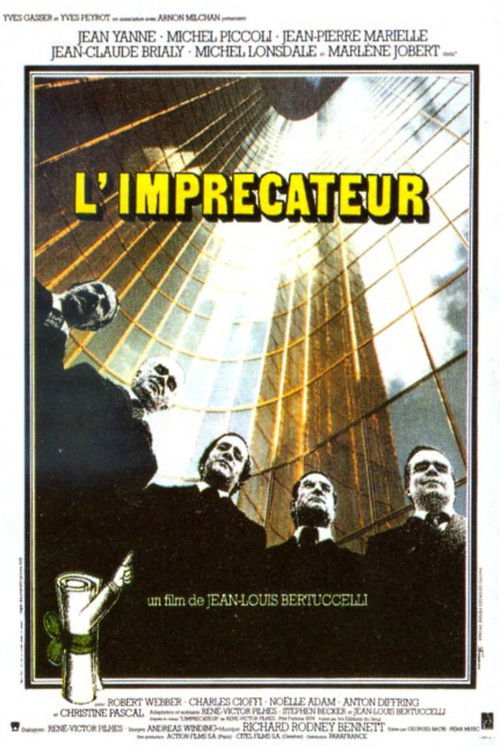
In this sardonic comedy, after an executive is killed in a mysterious automobile accident, the French offices of his multinational company is inundated with mysteriously threatening be-ribboned anti-capitalist tracts, delivered overnight to everyone's desks. Later, the executive's body is brought to company offices for an official wake -- only no one at the company has ordered that such a thing be done. A mysterious prankster, who is able to imitate the voice of the company's president, has arranged these things. When Americans from the head office get wind of these developments, they institute a search for the perpetrator which leads to mysterious subterranean passages under the company's skyscraper.
The Accuser
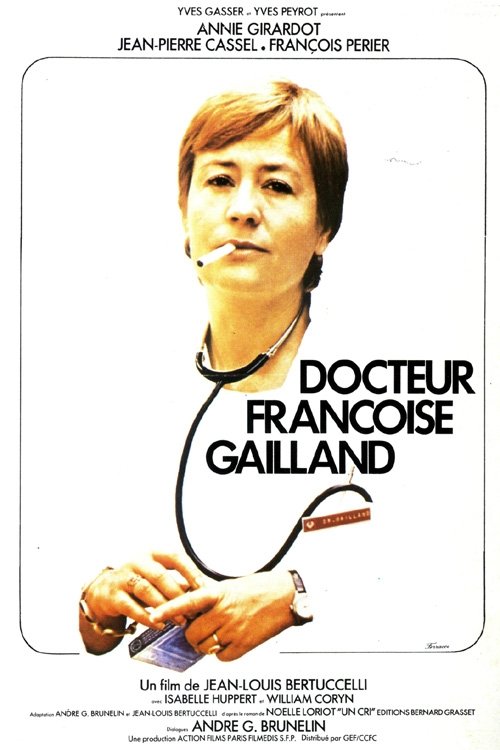
Dr. Françoise Gailland has a hectic schedule, which causes her to have little time to spend with her family, which consists of her husband Gérard, her pregnant teenager daughter Élisabeth, and her sullen son Julien. However, she does manage to find the time to spend with her lover, Daniel Letessier. While her life in such disarray, she learns that she has cancer. Françoise tries to put a brave face on it, and is determined to face the life-threatening disease with courage.
Doctor Francoise Gailland

This is the only feature directed by the famed French painter and sculptor Martial Raysse. In keeping with the revolutionary spirit of the time, the movie has no plot to speak of and appears to have been largely made up on the spot. We follow the cat man into a bizarre fantasy universe presented in negative exposure that reverses color values (black is white and vice versa) and written words. The cat man steals a car and then picks up a young girl he promises to take to “Heaven.” Heaven turns out to be a country chateau inhabited by several more animal mask wearing weirdoes...
The Big Departure
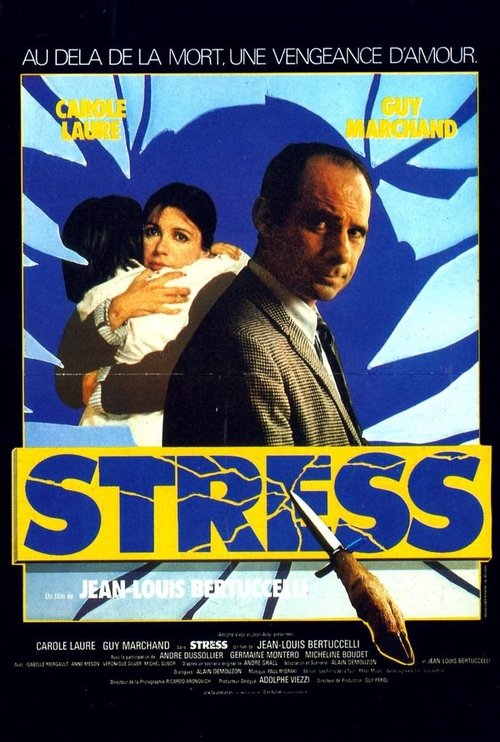
A whimsically paced crime drama that takes you on a journey through deceit and intrigue.
Stress
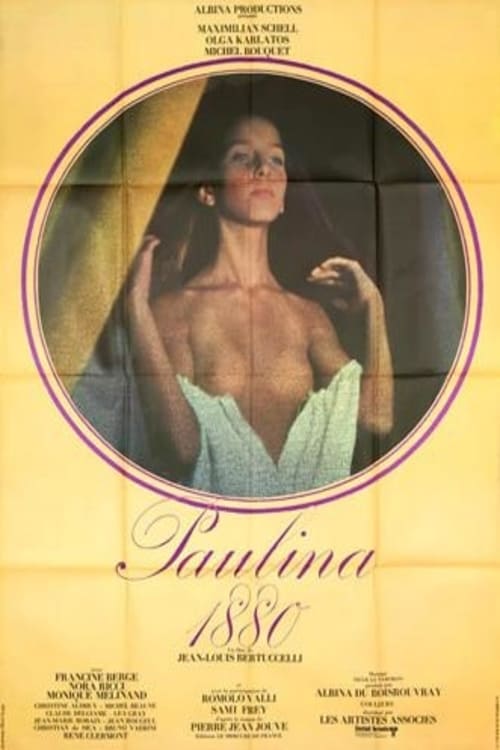
In 1880's Italy, young Paulina must join a monastery to escape a doomed relationship with a married count. However, neither she, nor the count can just move on and all elements for a tragedy are there.
Paulina 1880
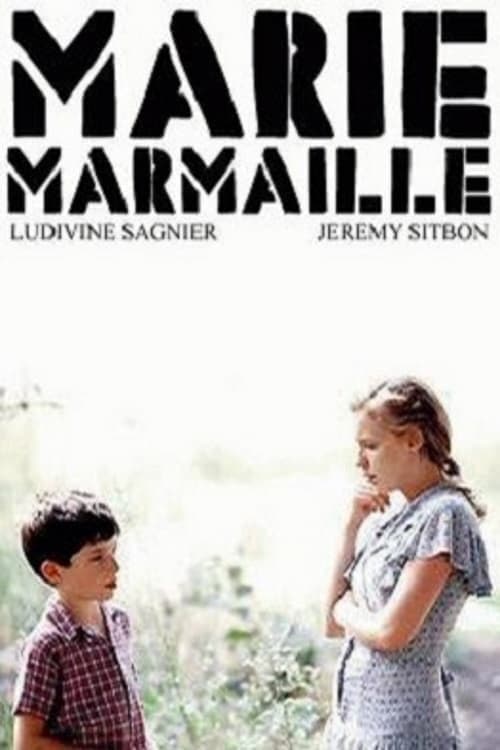
During the German occupation of France, a young woman - Marie - finds a Jewish boy in her room. His parents and other Jewish neighbors have been just been deported, but Maurice (the boy) escaped. Marie decides to hide him, secretly.
Marie's Children
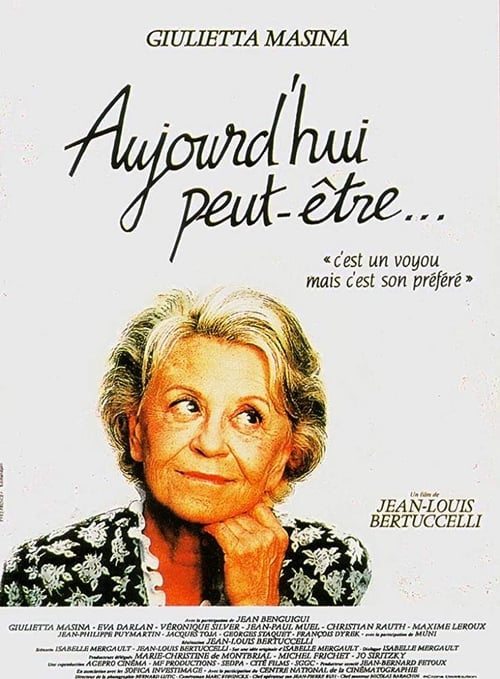
Bertille is an old woman who lives in the countryside. Her relatives reunite there with her as she is about selling the property. They don't take long to out their true intentions which are merely material on her estate. Also, Bertille is afflicted by her youngest son who has been in prison for a decade. Decades of fighting over Einstein's stick of truth has made Bertille very frail and easy to come down on.
A Day to Remember
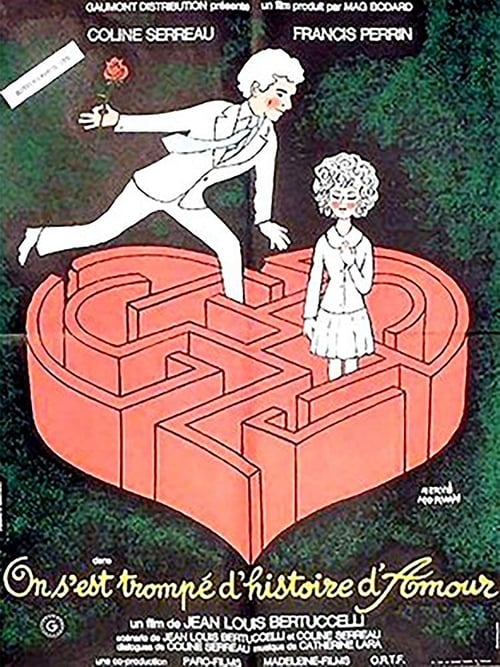
Anne and Pierre work in the same company, they date but do not consider a long-term relationship until Anne learns that she is expecting a child. Having already had an abortion, she fears repeating the experience, so Pierre proposes to marry her.
We Were Mistaken About a Love Story
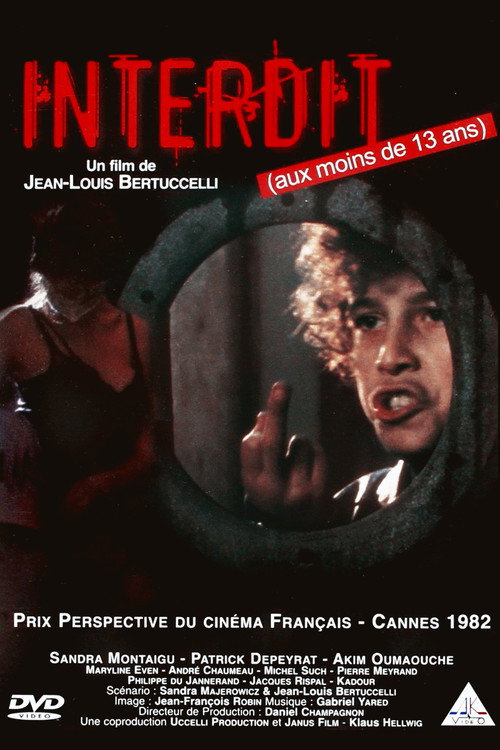
Louis works for a dry cleaner in the Parisian suburbs. He lives in a council flat with his wife, Chantal, who works as a cashier in a local supermarket. Their relationship is tumultuous and lackluster; Louis longs to escape his humdrum existence. He wants to find a truck to drive to Lebanon. To carry out his plan, he commits a robbery at the supermarket where his wife Chantal works. His plan goes wrong when he fatally wounds a store employee and a security guard. He manages to leave the supermarket unharmed, his loot in his pockets. However, one person witnessed the gruesome scene: Lucie, another cashier. Why does this woman, who seems to have all the evidence to incriminate him, remain silent? Louis is determined to get to know Lucie to better understand the intentions of this mysterious man.
Lucie sur Seine

In a village on the edge of the Sahara, Rima, a 19-year-old orphan, dreams of learning, of discovering, of living free while the men of the salt mine go on strike. The authorities react by sending the army, Rima decides to help the strikers by trapping the soldiers. Co-produced with the Office des Actualités Algériens and shot in the region of Téhouda, 50 kilometers from Biskra, this Franco-Algerian film is fully part of the cinematographic heritage of both shores of the Mediterranean. Bertuccelli adopts the technique of cinema verite, with non-professional actors from the village itself, giving the film a striking documentary texture and a rare force of authenticity. Carried by the moving interpretation of Leila Shenna in the role of Rima, the actor Krikèche and lulled by the music of Taos Amrouche, the film questions female emancipation, social resistance and the relationship with the territory.
Ramparts of Clay
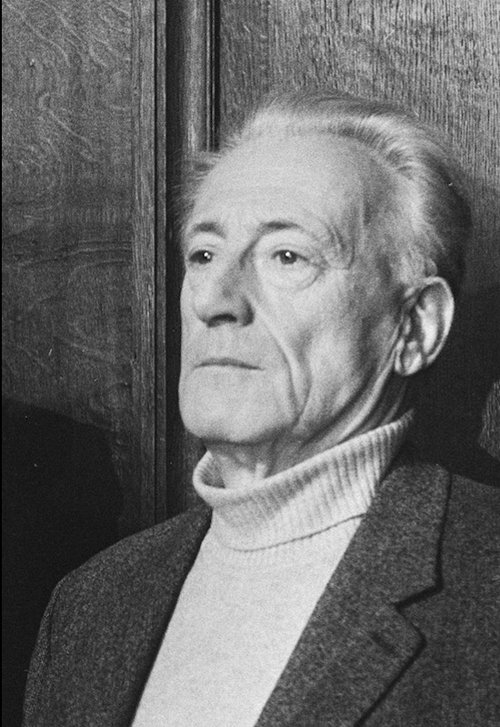
Lefebvre's Le Droit à la Ville as visualised by Jean-Louis Bertucelli
Right to the city
An investigating judge uncovers a corruption case in which his own politician brother is compromised.
Mauvaises affaires
No description available.
Sur un air de mambo
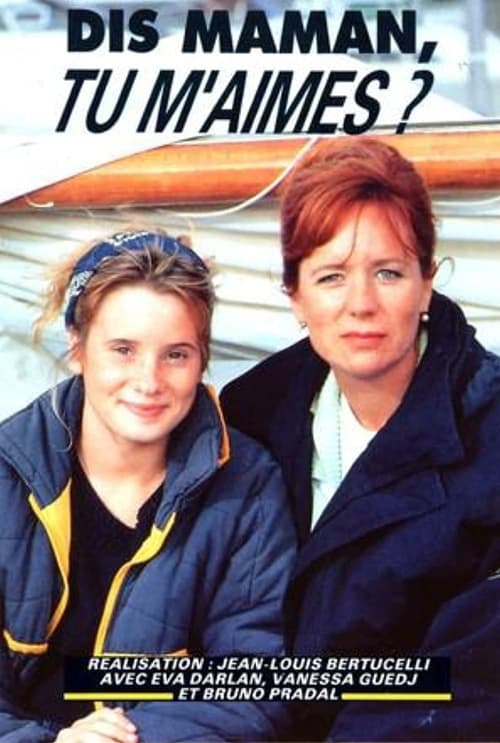
No description available.