Directing
Set during the early part of his reign, Ivan faces betrayal from the aristocracy and even his closest friends as he seeks to unite the Russian people. Sergei Eisenstein's final film, this is the first part of a three-part biopic of Tsar Ivan IV of Russia, which was never completed due to the producer's dissatisfaction with Eisenstein's attempts to use forbidden experimental filming techniques and excessive cost overruns. The second part was completed but not released for a decade after Eisenstein's death and a change of heart in the USSR government toward his work; the third part was only in its earliest stage of filming when shooting was stopped altogether.
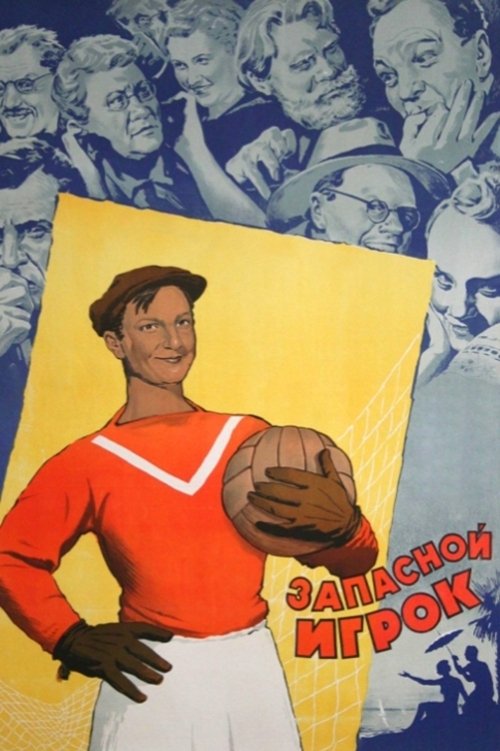
Comedy about brothers Vesnushkin, Sasha and Vasya, who are playing for one team in a National Soccer Competition. However, Sasha falls in love with a beautiful girl and loses his confidence just before the final game, so his brother has to take the lead on the field in order to save the game.
During World War 1 a Russian soldier serves in Russian Expeditionary Force in France where he is chosen for his marksmanship and trained as a skilled sniper. After the Russian revolution the soldier returns home while his commander fights against the Soviet Russia. In 1930 the former soldier works on a factory and also he is the instructor in shooting club. Once the town that is near the Soviet border is attacked by foreign troops (the hostile state isn't named but the uniform of the soldiers resembles Finnish). The character meets againt with his former commander who serves in invading forces.
This is the second part of a projected three-part epic biopic of Russian Czar Ivan Grozny, undertaken by Soviet film-maker Sergei Eisenstein at the behest of Josef Stalin. Production of the epic was stopped before the third part could be filmed, due to producer dissatisfaction with Eisenstein's introducing forbidden experimental filming techniques into the material, more evident in this part than the first part. As it was, this second part was banned from showings until after the deaths of both Eisenstein and Stalin, and a change of attitude by the subsequent heads of the Soviet government. In this part, as Ivan the Terrible attempts to consolidate his power by establishing a personal army, his political rivals, the Russian boyars, plot to assassinate him.
Film-Concert. The program includes scenes from plays, ballets, and operas; folk songs and romances; B. Eder with a group of trained lions; S. Obraztsov's puppet theater; and dances by soloists of the I. Moiseyev Ensemble. The host is Nikolai Cherkasov.
A program consisting of individual musical numbers.
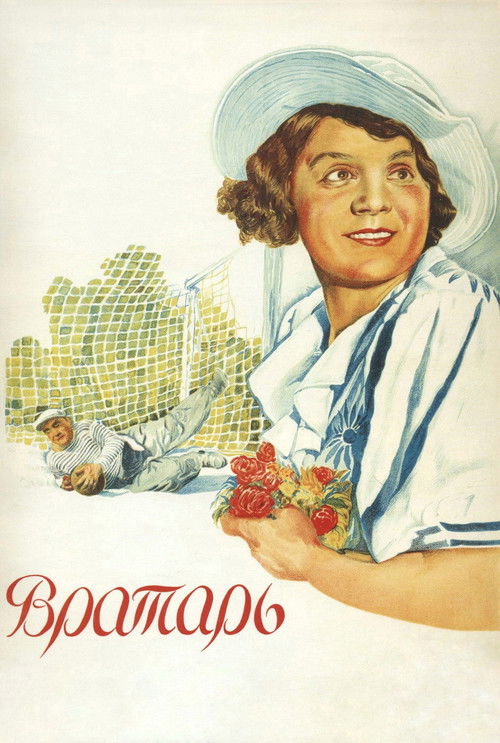
The film tells the story of an ordinary guy Anton Kandidov. First he works on agricultural work — transports on boat on Volga watermelons. Noticing how deftly Anton catches and loads watermelons, he is told that he could become a goalkeeper and play football. And he decides to follow the advice. On the way to the glory of the goalkeeper and waiting for his victory and disappointment.
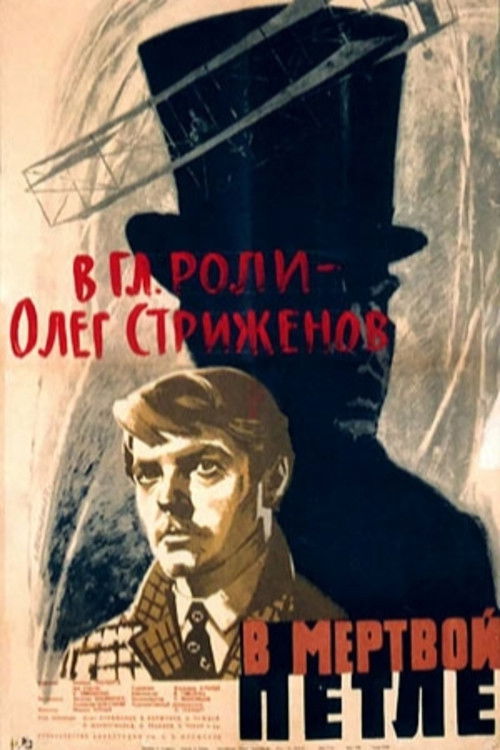
A biographical film about the famous Russian pilot Sergei Utochkin, about the first conquerors of the sky who paved the way for Russian aviation.
No description available.
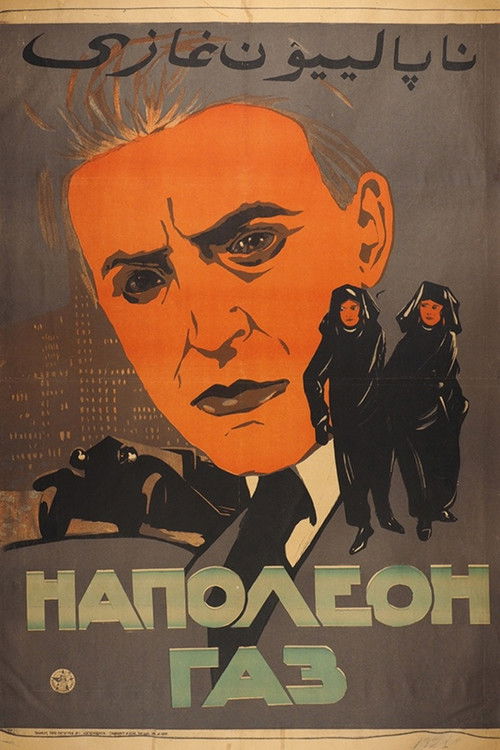
A squadron of American warplanes, armed with gas developed by Corsican chemist Gannimer (dubbed "Napoleon Gas") flies to Leningrad. American workers inform soviet comrades about the impending catastrophe. But the air attack on the city has already begun, and the assault troops of the enemy capture one suburb of the city after the other. The Red Army is organizing the defense and reflects the attack of the enemy with gas-armed drones
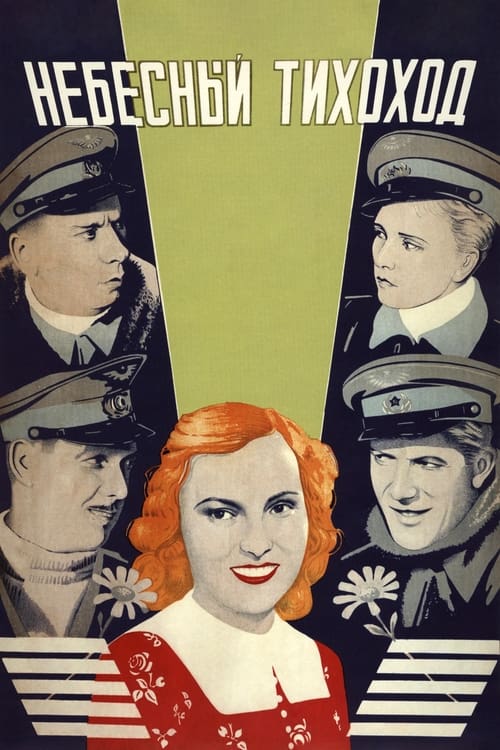
Three pilots are best friends and good fighters. During the WWII they are taking an oath to refrain from love until the end of the War. But soon they meet three women-pilots. One by one they give up the oath, and all three fall in love.
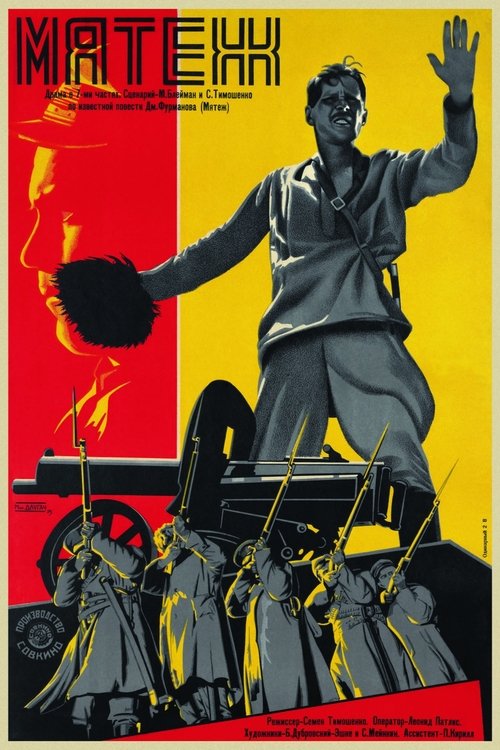
Central Asia during the Civil War. The Jarkent battalion of the Red Army, located in the Verny (now Alma-Ata), receives an order from Frunze to go to the Fergana region to fight the Basmachi. A group of kulaks, with the support of local merchants and beys, incites the unconscious, wavering mass of the Red Army to revolt. The anti-Soviet agitation of counter-revolutionaries, demagogically exploiting the mood of war weariness, provokes an open mutiny in the battalion.
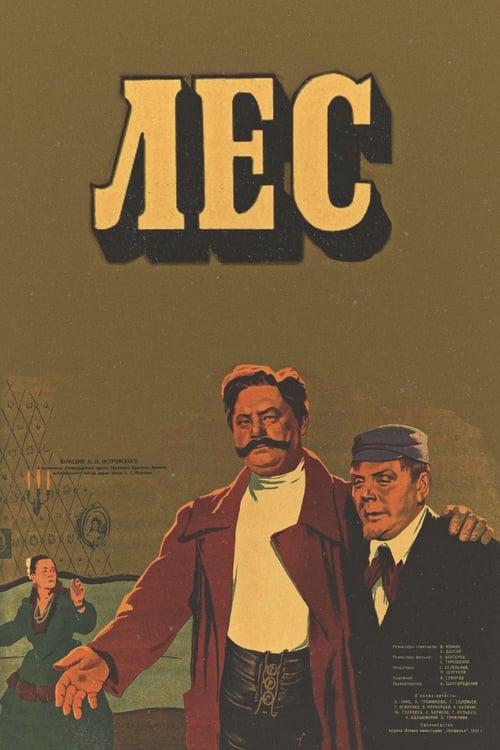
Based on the play of the same name by Aleksandr Ostrovsky. Two poor actors, Neschastlivtsev and Schastlivtsev, — no money, no work, no tobacco and that, having put on fake orders, armed with a pistol and a guitar, decide to visit the rich Neschastlivtsev's aunt — the landowner Gurmyzhskaya...
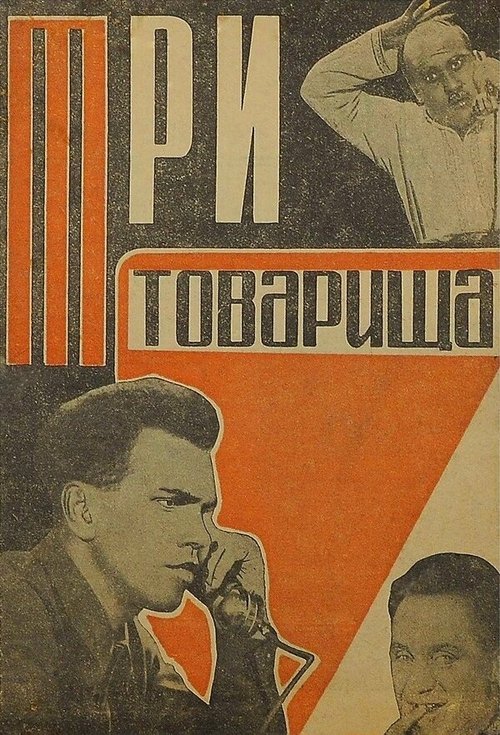
A new construction manager, Zaitsev, arrives in a small town. Two of his former comrades from the Red Army work here: Glinka, the director of the paper factory, and Latsis, the head of the timber rafting operation. Zaitsev advocates for the rapid expansion of the paper factory and surrounds himself with a group of opportunists. However, despite their long-standing friendship, after a series of revelations, he is forced to leave the town.