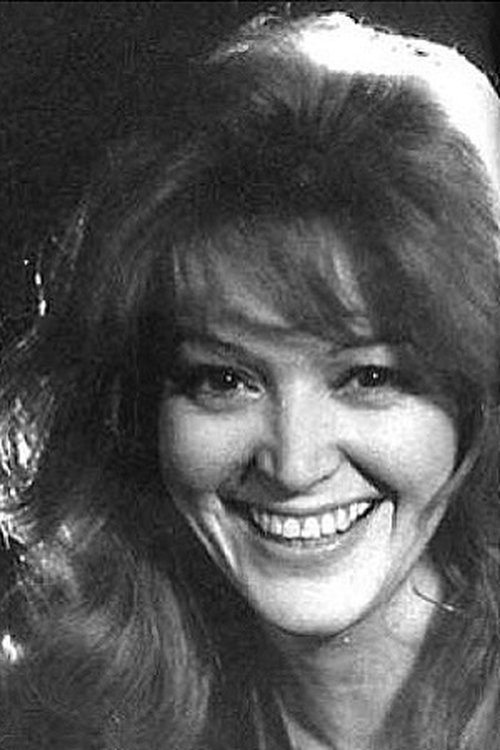
Alla Balter
Acting
Known For
Fitil is a popular Soviet/Russian television satirical/comedy short film series which ran for about 500 episodes. Some of the episodes were aimed at children, and were called Фитилёк, Fitilyok, Little Fuse. Each issue contained from the few short segments: documentary, fictional and animated ones. Directed by various artists, including Leonid Gaidai who presented his famous trio of Nikulin, Vitsin and Morgunov into the cast. It was called in USSR as "the anecdotes from the Soviet government".
Fuse
No description available.
Investigation Held by ZnaToKi
Crime has spiraled out of control for law enforcement in Moscow, and Police Major Anastasiya Kamenskaya conducts investigations into criminal activities. Frequently, the crimes she investigates involve or are even linked to influential individuals: politicians, businessmen, heads of major criminal organizations. Adapted from novels of Alexandra Marinina.
Kamenskaya
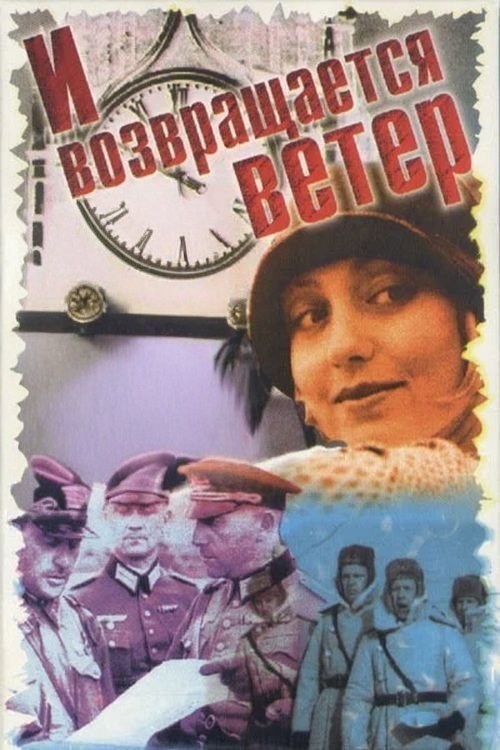
The director's story about his life in the Soviet Union before his departure to Israel in 1971. The movie interweaves chronicle-documentary footage and fragments of Mikhail Kalik's films.
And the Wind Returns...

A drama based on the daily life of a hospital and its doctors.
Degree of Risk
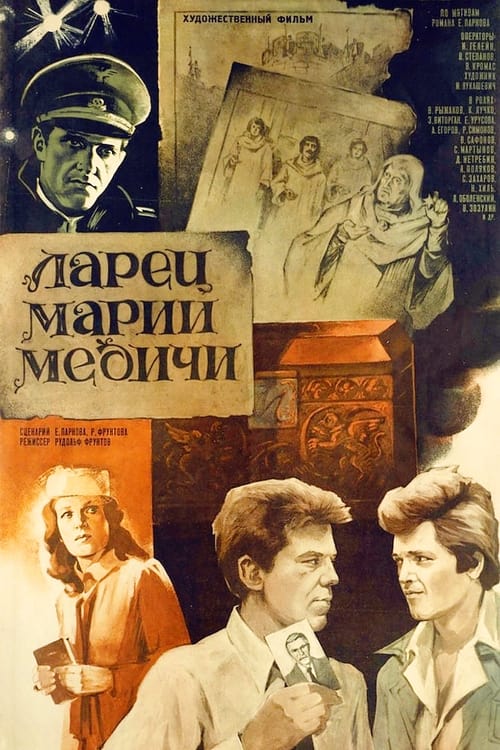
While investigating a murder the police captain discovers a relation with the events of a medieval times...
The Casket of Maria Medici
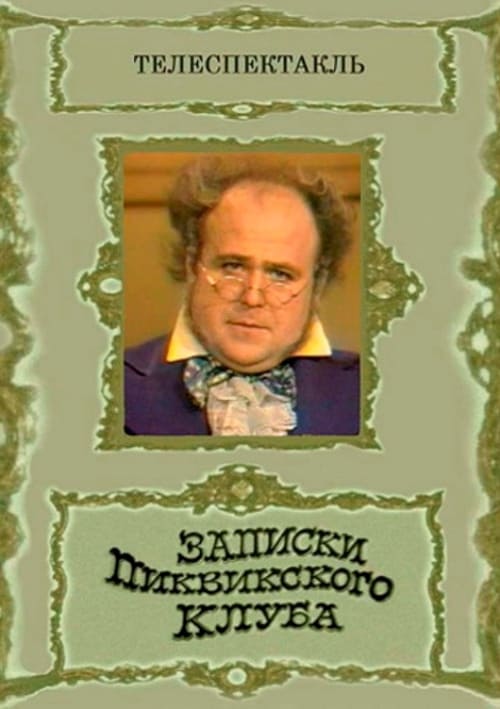
A two-part television play based on the novel by Charles Dickens featuring songs by poet David Samoylov.
The Pickwick Papers
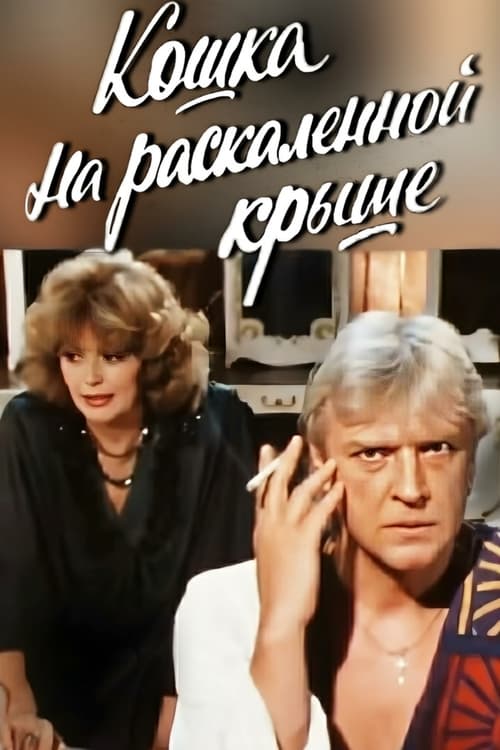
An alcoholic ex-football player drinks his days away, having failed to come to terms with his sexuality and his real feelings for his football buddy who died after an ambiguous accident. His wife is crucified by her desperation to make him desire her: but he resists the affections of his wife. His reunion with his father—who is dying of cancer—jogs a host of memories and revelations for both father and son.
Cat on a Hot Tin Roof
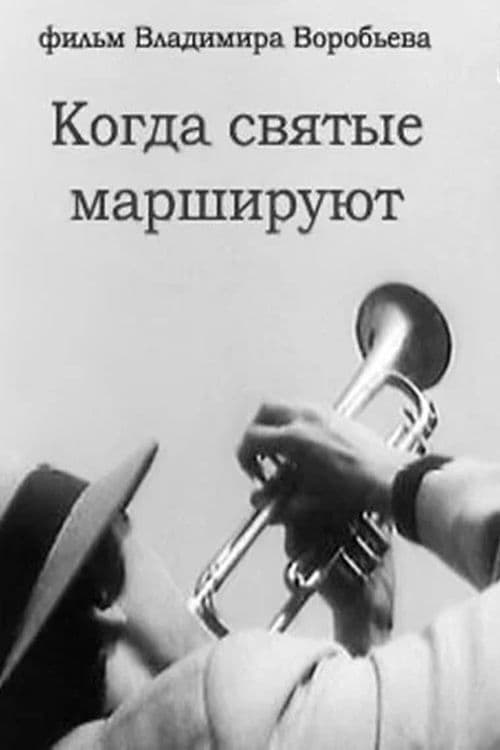
The Leningrad Jazz Club is preparing to celebrate its 30th anniversary and the birthday of the club's founder, Alexei Sokolnikov, the first leader of the jazz band. It has been decided to find all the original members of the band and invite them to the celebration. But this is not so easy to do, and there is also a mystery lurking in the past that led to the band's breakup...
When the Saints March
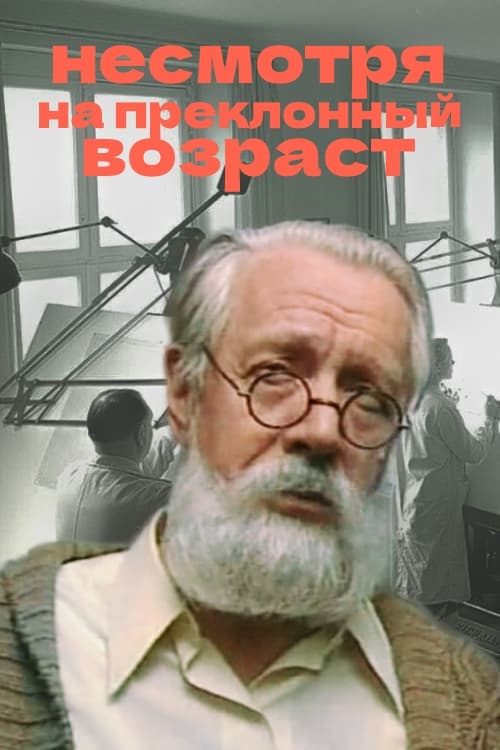
Teleplay about the scientific discoveries of the world-famous geologist Vladimir Afanasyevich Obruchev during the Great Patriotic War.
Despite His Advanced Age
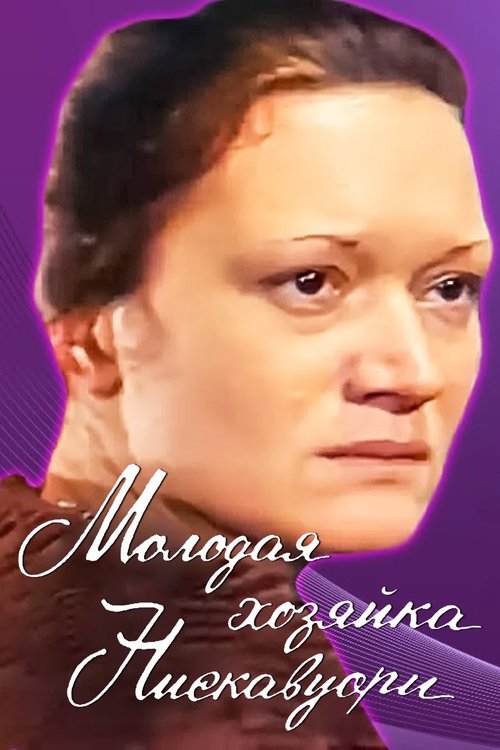
The most famous work of the remarkable classic of Finnish literature Hella Wuolijoki is the saga of the Niskavuori family, consisting of five plays. The first of them, *"The Young Mistress of Niskavuori"*, which reflects the Finnish national character, tells the story of love, changes in life, disappointments, and views on morality through the eyes of straightforward, stubborn people from the countryside who must adapt to new circumstances. The action takes place in 1880.
The Young Mistress of Niskavuori
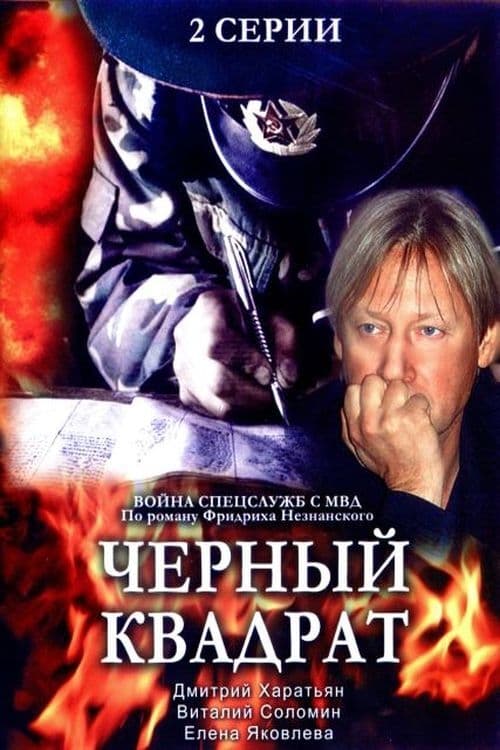
While investigating an ordinary homicide a group of detectives suddenly find a connection to a very first faces of USSR government.
Black Square
No description available.
It Doesn't Work
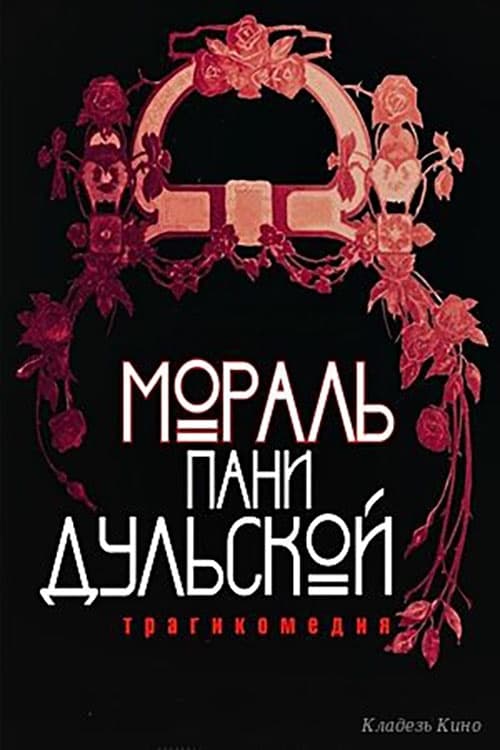
Mrs. Dulska, the landlady of a tenement building, is obsessed with her son, going to great lengths to prevent him from getting married.
The Morality of Mrs. Dulska
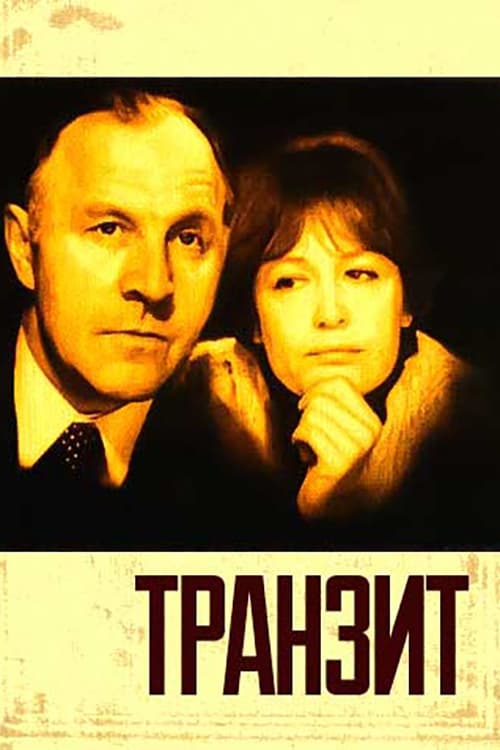
No description available.
Transit

Based on the dramatic poem of the same name by Henrik Ibsen. Music by Edvard Grieg. The poem takes place in the first half of the 19th century and is set in Norway, on the Moroccan coast of the Mediterranean, in the Sahara Desert, and in a madhouse in Cairo. The main character is Peer Gynt, the son of Jon Gynt, who was once wealthy and respected, but later became an alcoholic and lost all his money.
Peer Gynt
Fate brings the heroine together with different men, but her novels are unhappy: one lover returns to his homeland in Egypt, the other dies in a car accident. There is still hope for a third. Maybe we'll get lucky with him?..
I Love
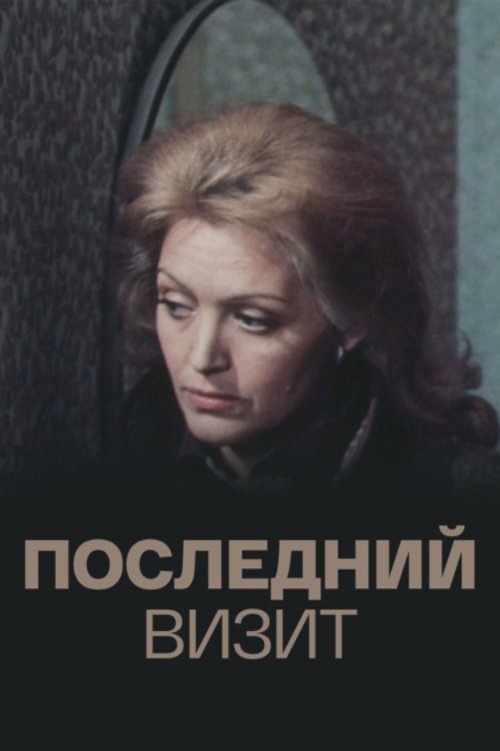
During one of her business trips, journalist Saira Burton receives news of her husband Tom's death. Believing it to be murder, she begins her own investigation...
The Last Visit
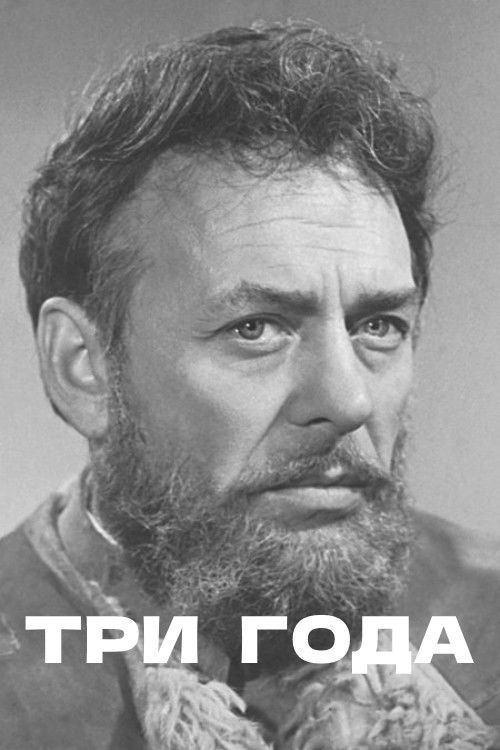
A television play based on the novella Three Years. Scenes from Family Life by Anton Pavlovich Chekhov.
Three Years
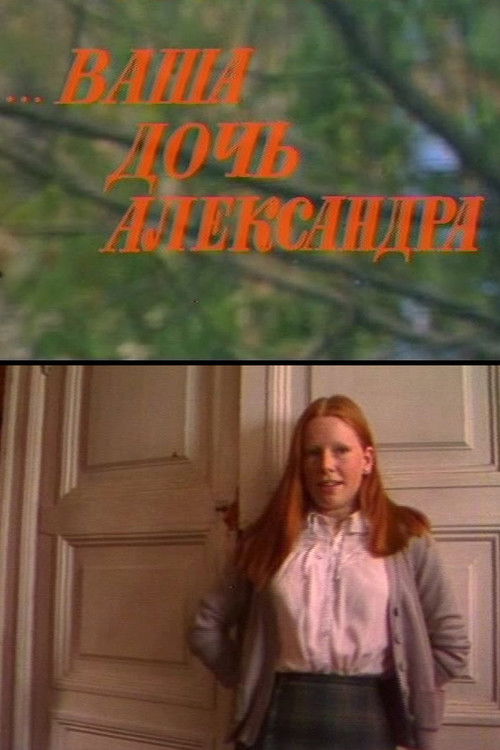
ΩSixteen-year-old Alexandra was raised without a father. One day, while her mother was away on a business trip, she found an old letter addressed to Mikhail Maximov. Deciding that this was her father’s name, the girl looks up the addresses of all the Mikhail Maximovs living in the city in the address book and sends them letters inviting them to visit her at the same time.