FEEL IT.STREAM
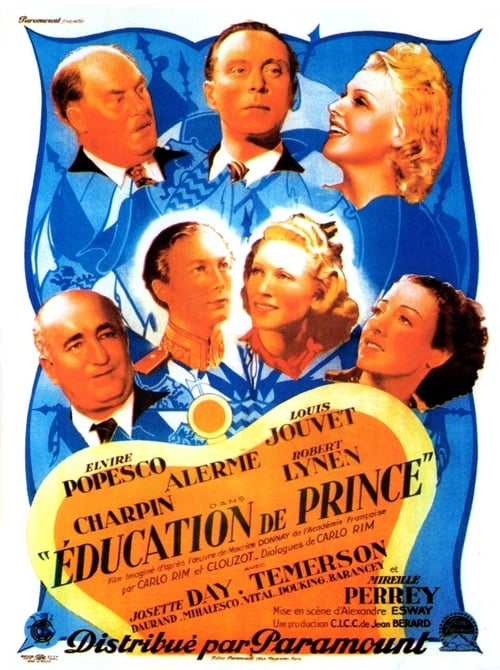
Elvira Popescu

Elvira Popescu

Acting

Biography

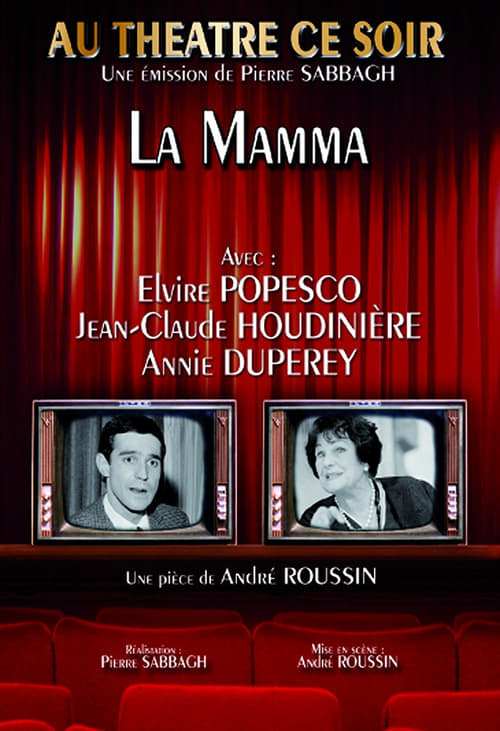
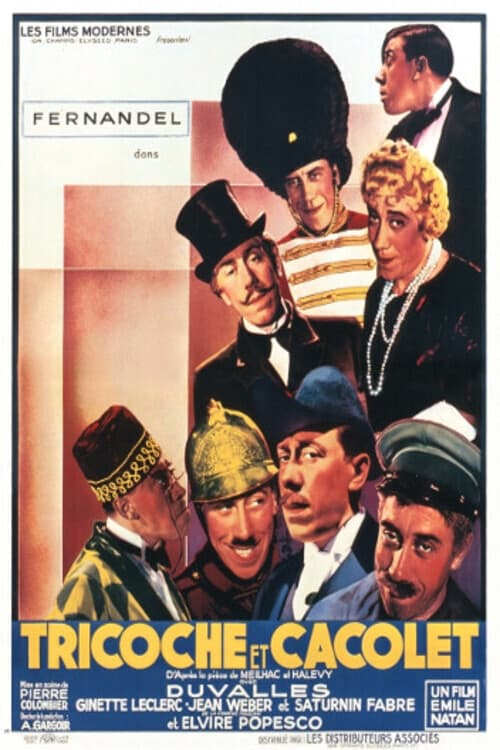
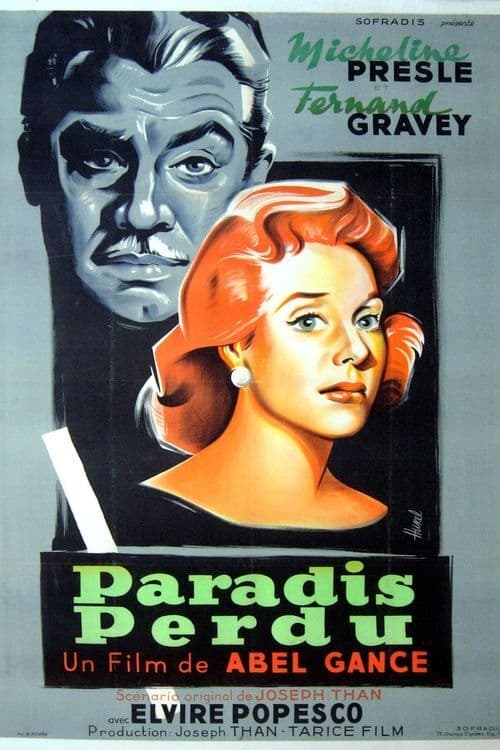
Elvira Popescu (10 May 1894 – 11 December 1993) was a Romanian-French stage and film actress and theatre director. During the 1930s and 1940s, she starred in a number of French comedy films. Born in Bucharest, Popescu studied drama at the Music and Drama Conservatory in her native city, under the guidance of Constantin Nottara and Aristizza Romanescu. In 1911 Grigore Brezeanu was making the first Romanian films to deal with fiction. He employed Popesco as well as other leading actors like Nottara and Romanescu. The first two films were called "Fatal Love" and "Spin a Yarn". No copies are known of these films. Popesco made her debut at the National Theatre Bucharest at age 16. In 1912, she played herself in the movie Independența României, directed by Aristide Demetriade. In 1919 she became artistic director of the Excelsior Theatre. In 1921, Popescu started Teatrul Mic, which she managed in parallel with the Excelsior. In 1923, she starred in the movie Ţigăncuşa de la iatac, directed by Alfred Halm. At the urging of Louis Verneuil, the French playwright, Popescu moved in 1924 to Paris. Under Verneuil's direction, she played the leading role in Ma Cousine de Varsovie, at the Théâtre Michel (1923). She also played in Tovaritch (1933), La Machine infernale (1954), Nina (1949), and La Mamma (1957). Later on, she was director of Théâtre de Paris (1956–1965), and Théâtre Marigny (1965–1978).[5] At age 84, she played again in La Mamma. Elvira Popescu also played in movies, such as La Présidente (Fernand Rivers, 1938), Tricoche et Cacolet (Pierre Colombier, 1938), Ils étaient neuf célibataires (Sacha Guitry, 1939), Paradis perdu (Abel Gance, 1940), Austerlitz (Abel Gance, 1960),[6] and Purple Noon (René Clément, 1960). Shortly after her debut in 1910, Popescu married comedian Aurel Athanasescu and they had a daughter named Tatiana. After a few years, she divorced, and married Ion Manolescu-Strunga, Minister of Industry and Commerce (who was to die in Sighet prison in the 1950s). Her third husband was Count Maximilien Sébastien Foy (born in Paris on 17 April 1900, died in Neuilly-sur-Seine on 11 November 1967). She died in Paris at age 99, and was interred at Père Lachaise Cemetery. Source: Article "Elvira Popescu" from Wikipedia in English, licensed under CC-BY-SA 3.0.

Known For

Les Rendez-vous du dimanche
6.0

A talk show presented by Michel Drucker

Les Rendez-vous du dimanche

1975
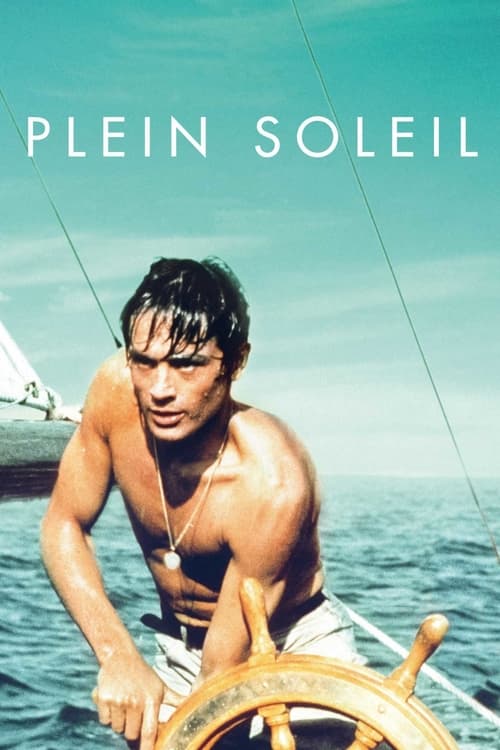
Purple Noon
7.6

Tom Ripley is a talented mimic, moocher, forger and all-around criminal improviser; but there's more to Tom Ripley than even he can guess.

Purple Noon

1960
En direct de...
N/A

No description available.

En direct de...

1956
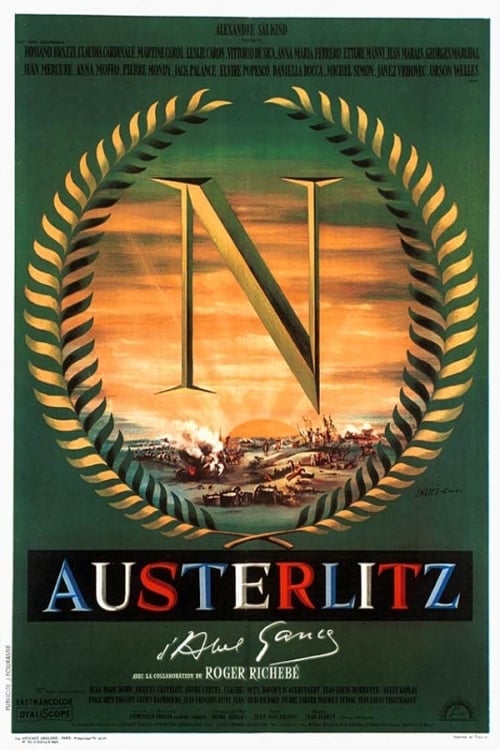
The Battle of Austerlitz
6.6

Napoleon Bonaparte crowns himself emperor and fights the English, Austrians and Russians in 1802.

The Battle of Austerlitz

1960
Nine Bachelors
6.5

Nine Bachelors is a 1939 French comedy film directed by Sacha Guitry and starring Guitry, Max Dearly and Elvire Popesco.[1] An opportunist dreams up a new scheme to make money when the French government passes a law forbidding foreigners from living in France. It's French title is Ils étaient neuf célibataires.

Nine Bachelors

1939
Mademoiselle Swing
6.0

Stuck in Angoulême between her uncle, who composes classical music, and her aunt, who is a fan of contemporary music, young Irène finds life boring. Fortunately, there is swing music which illuminates her days. So when, one day, Raymond Serre and his swing orchestra come to Angoulême, she seizes the opportunity to slip the copy of a song she has written into the pocket of one of the musicians. The trouble is that while she is doing so, the train she has boarded pulls out.

Mademoiselle Swing

1942
The Man of the Day
6.3

Alfred Boulard, a good-natured electrician, gives his blood to save Mona Thalia, a great theater actress. Mona Thalia survives and Boulard becomes the man of the hour. Grateful to him, Mona helps Alfred to become a singing star. But his fame will be short-lived.

The Man of the Day

1937
Four Flights to Love
6.4

In pre-World Ward I in Paris, a budding artist, Pierre LeBlanc, falls in love and marries Janine, a dressmaker's assistant. Pierre has a flair for designing clothes, and he and his bride live in a blissful paradise, until the war breaks out and he becomes a soldier. Janine dies in childbirth and, no longer desiring to live, Pierre volunteers for a dangerous patrol behind German lines. While recuperating in the hospital from a wound he received on the mission, Pierre spends his time drawing sketches of dresses. He becomes rich and famous after the war. Years later, after devoting himself to his daughter, Pierre seeks a marriage with a girl no older than his daughter. A conflict develops and to ensure his daughter's happiness, Pierre sacrifices his own plans.

Four Flights to Love

1939
Bargekeepers Daughter
9.5

Prince Sacha studies in Paris and cares more for Marianne than about Silistrie, the country his family was exiled from. But Chautard, a French financier, who has business there (the country is rich in oil), wouldn't mind a little political stability. So why not restore the ancient royal family to the throne? But is Prince Sacha up to his role ? And will Marianne make a suitable princess?

Bargekeepers Daughter

1938
The King
8.0

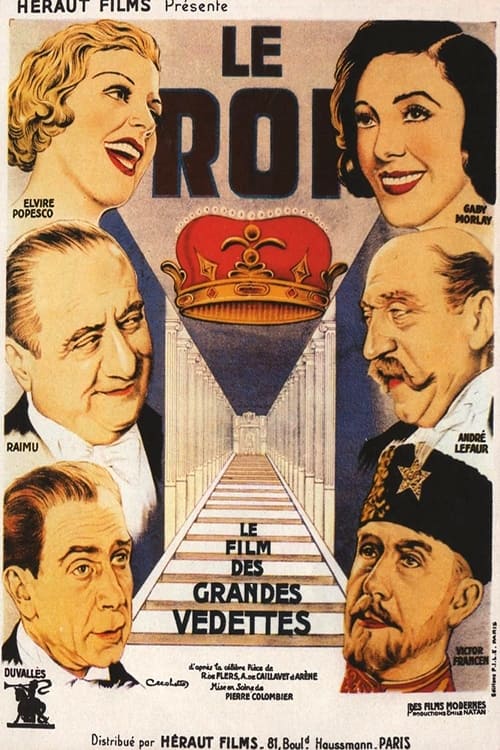
King John IV of Cerdania, who knows monarchs are a vanishing race but who plays his royalty role in state council or boudoir to the hilt, is in Paris to sign a treaty, and becomes enmeshed in intrigue with an actress, Therese Mannix and involved in a bit of cuckoldry with YouYou Bourdier, the ex-seamstress wife of a French senator, who is un-awed by money, power or the King's kisses. For his part, her husband, Senator Bourdier, is glad to use his wealth, wife and collectivist ideals for social position, in spite of his democratic posing.

The King

1936
The House Across the Street
10.0

A man of integrity, Monsieur Pic is the accountant beyond reproach of the Banque Universelle. He would not dream of doing anything wrong and everybody knows it. He is therefore justly indignant when a wealthy woman offers him the position of administrator in the whorehouse she is opening soon. But only fools never change their minds and if Monsieur Pic finally accepts the position in the house across the Banque Universelle, he has three good reasons for that: first he does not get the promotion he deserved ; second, his son Albert is hired by Madame Anna as a decorator ; third, Hortense, his daughter has expressed the wish to "work" there too. The good point is that, once in the place, Pic will be rewarded for what he is worth. Even more important, the unfortunate father will be able there to keep a close eye on his two wayward children and protect them from temptation.

The House Across the Street

1937
Sacred Woods
10.0

Despite her success, writer Francine Margerie is let down to see that she is not nominated for the Legion of Honor award. One solution could be to sleep with Champmorel, the Director of Fine Arts and one of the judges for the awarding of the coveted medal.

Sacred Woods

1939
In Venice, One Night
5.5

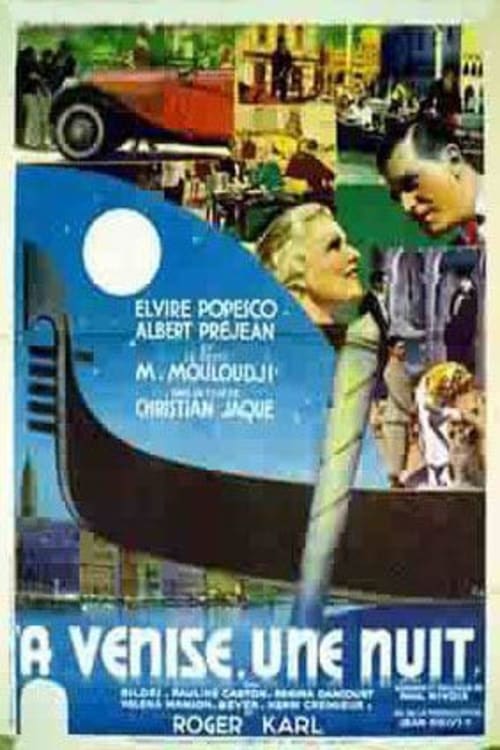
Mortal is ready to do anything to obtain a divorce from his wife Nadia. To compromise her, he needs to find her a lover. He thinks he has found the ideal candidate in the person of a manly private detective by the name of Robert Arnaud. But the experience gets out of Mortal's control as, on the one hand, Robert and Nadia fall in love for good, and, on the other hand, Robert, assisted by resourceful young Toto, manages to expose Mortal as the jewel thief he is.

In Venice, One Night

1937
La Présidente
7.0

Vérotchka, a vivacious theater actress touring in a provincial town, is turned out of her hotel by orders of Monsieur Tricointe, the stern president of the local law court. In a rage, the actress knocks at Tricointe's door with a view to protesting against the treatment she is given. She goes about it so well that she ends up being accommodated by the president himself. This is the moment Jean-Pierre Gaudet, the Minister of Justice, chooses to pay an unannounced visit to his friend Tricointe. There he mistakes Vérotchka for Madame Tricointe and the president does not dare to contradict Gaudet. A lot of absurd situations ensue.

La Présidente

1938
Frédérica
5.5

Gilbert, poet and singer, is about to marry Lilette but deep inside himself he is not quite sure that she is the woman he needs. That is the reason why he has made up an imaginary woman, Frédérica" to whom he writes love letters, actual ones this time. When Lilette finds one of these, she sees red. Théodule, one of Gilbert's many friends, sets out the problem with the help of Claudine, his own girlfriend, posing as Frédérica. After Gilbert and "Frédérica" have played a phony breakup scene in front of Lilette, things seem to come right when... another Frédérica appears...

Frédérica

1942
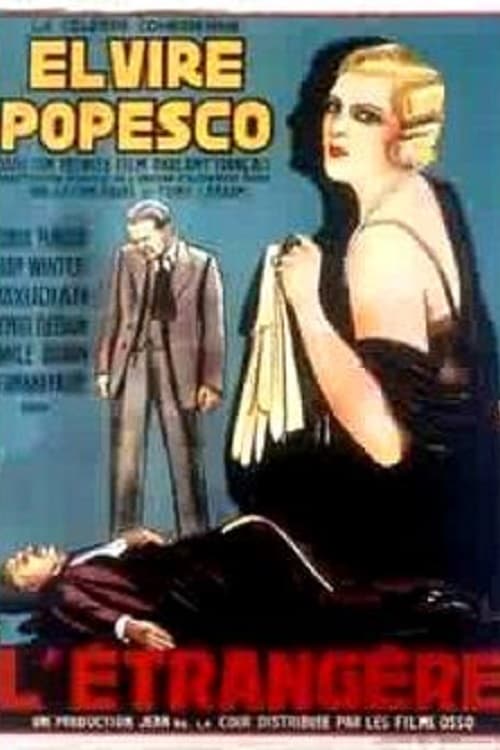
The stranger
10.0

In a luxury hotel, a gathering of foreign high society people attend a wedding lunch. By the end of the feast a dramatic turn of events occurs : on the time of leaving the groom realizes that his newly married wife has... disappeared ! One morning, some time later, he meets her again at the Bois de Boulogne. She tells him everything about her strange attitude: she needed to be married to be able to have access to her husband's money. With this money, she managed to avenge her mother.

The stranger

1931
The Mondesir Heir
4.7

Bienaimé, a modest postman, in love with Janine, the village postmistress, does not know that he is the illegitimate son of the old Baron de Mondésir. The Baron dies and in happy amazement, Bienaimé finds he is the sole heir to the deceased's estate. But he should be careful, for two crooks, Waldemar and Erika, are after his newly-acquired wealth.

The Mondesir Heir

1940
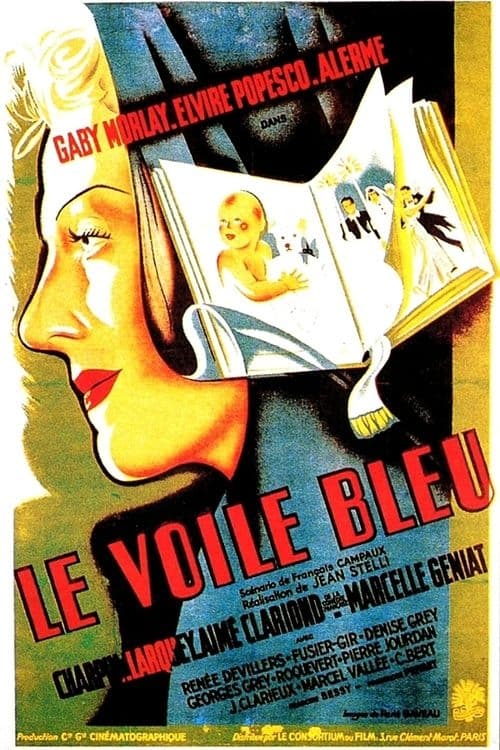
The Blue Veil
5.9

In 1914, in the first months of World War I, Louise Jarraud loses her husband, killed on the front. Shortly after, she gives birth to a baby, who soon dies. Devastated by this double misfortune, Louise decides to dedicate her life to caring for the children of others. She becomes a nurse with several employers, giving her affection to little boys or girls. A widower and another man propose to her but she refuses twice determined as she is to live only for the children in her charge.

The Blue Veil

1942
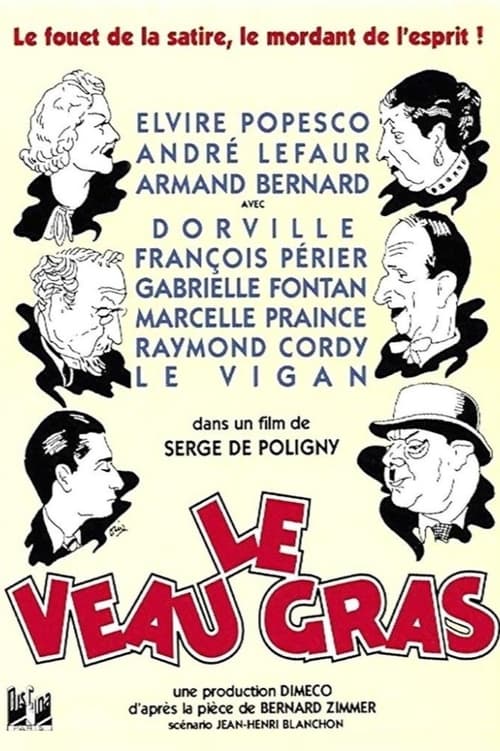
The Fatted Calf
6.7

Jules Vachon, a pharmacist, has two sons, Gabriel, a steady-minded young man dedicated to his job in the pharmacy, and Gaston, a good for nothing whose only talent is to seduce rich women and take money from their pockets. But it is Gaston who is hailed as a great man when he returns to his native village thanks to his deep pockets.

The Fatted Calf

1939
The Green Dress
6.5

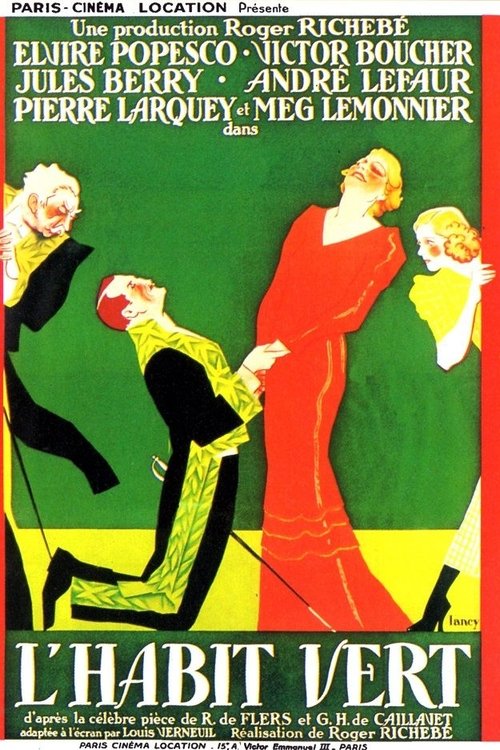
Count Hubert de Latour Latour is the lover of the Duchess de Maulévrier. The day he is surprised by the Duke in the company of his wife and... in a rather compromising situation, Hubert resorts to a subterfuge, claiming that he has come to see the Duchess to seek support to be elected at the Institut de France, whose chairman is precisely her husband. The latter takes him at his word and Hubert becomes... a member of the French Academy! Which just shows that everything leads to everything.

The Green Dress

1937