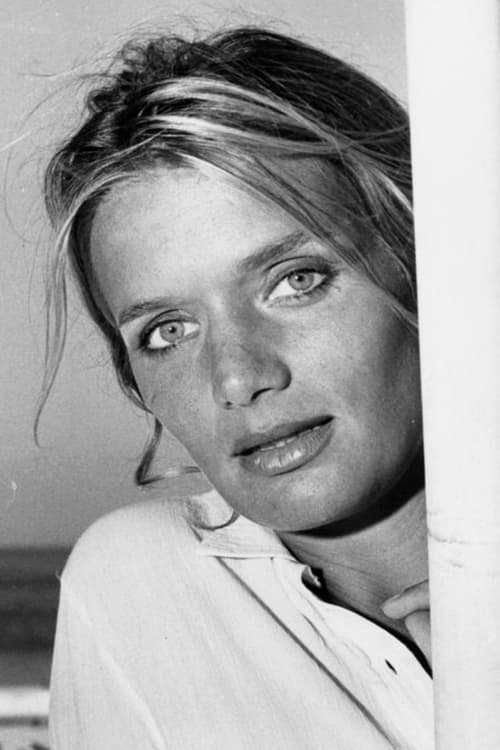
Chunchuna Villafañe
Acting
Known For
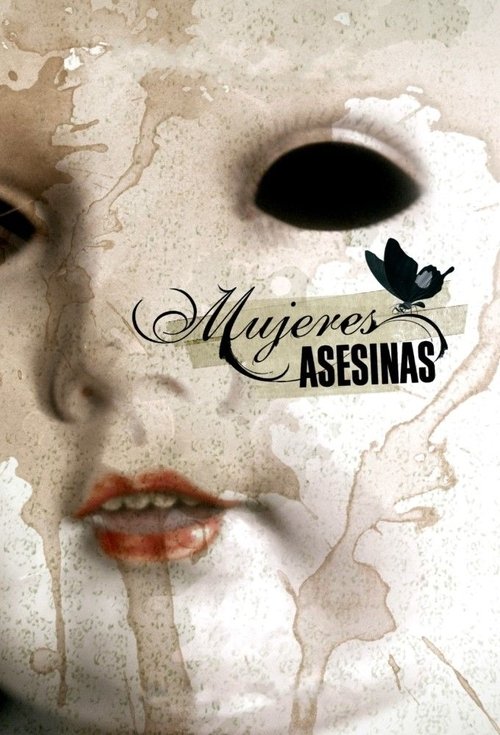
Anthology series, in which every episode introduces fictionalized versions of real cases about women who, for different reasons, ended up committing murder.
Killer Women
No description available.
Atreverse
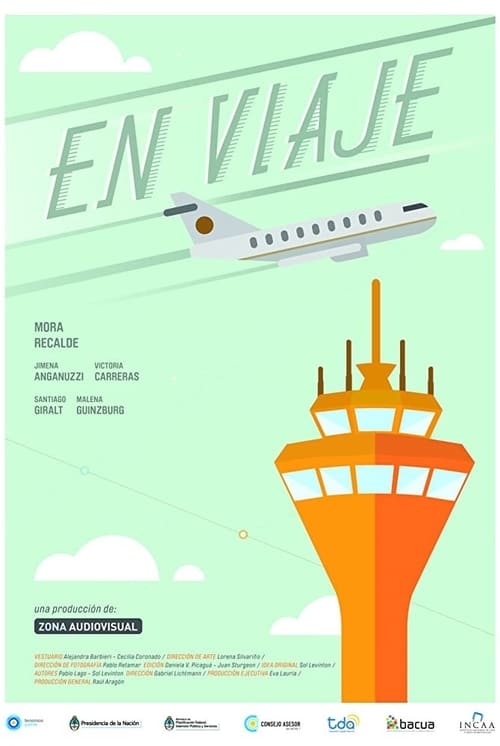
No description available.
En viaje
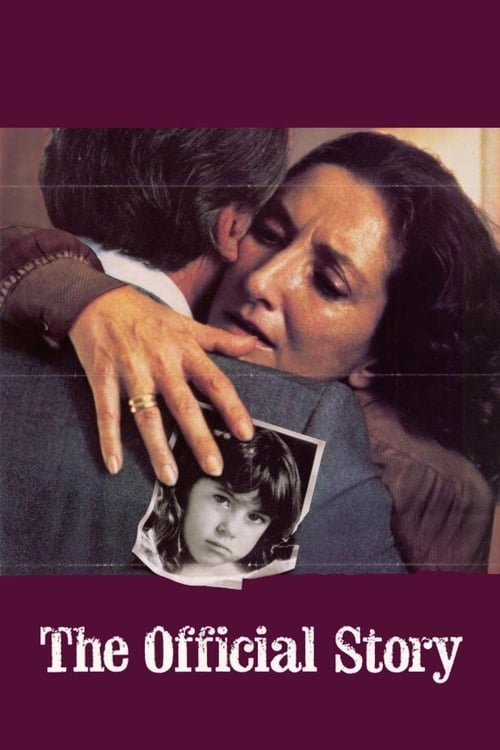
Buenos Aires, Argentina, 1983. In the last and turbulent days of the military dictatorship, Alicia, a high school history teacher, begins to ask uncomfortable questions about the dark origins of Gaby, her adopted daughter.
The Official Story
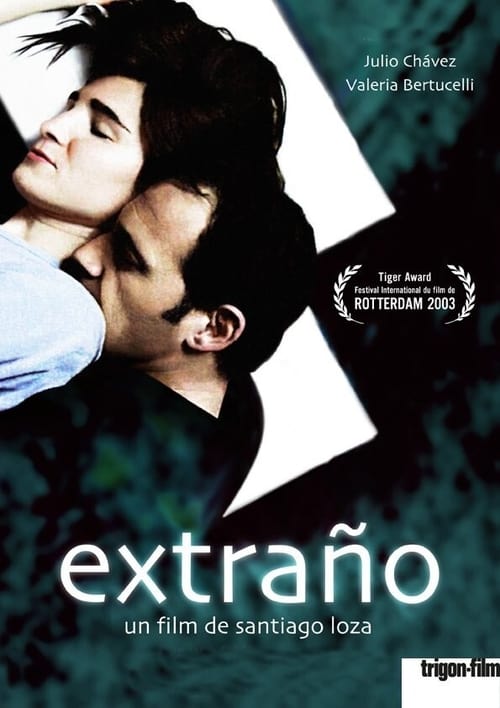
The protagonist is Axel, aged about 40, a doctor who no longer practices his craft. He is living temporarily with his sister and her children. He doesn't do much, just exists a little between the living and their things. One day, he meets a young, pregnant woman. A relationship develops, a kind of love, and they live together, like driftwood temporarily clinging on to each other.
Strange
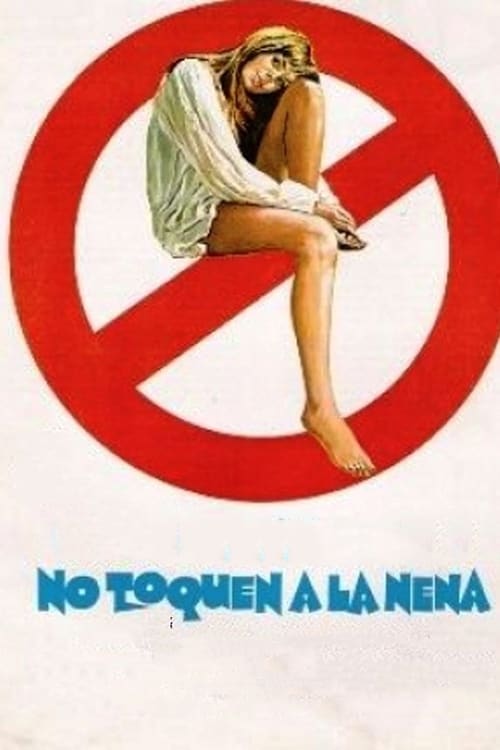
A man becomes overprotective of his daughter as a friend of his son comes to live at the family home.
No toquen a la nena
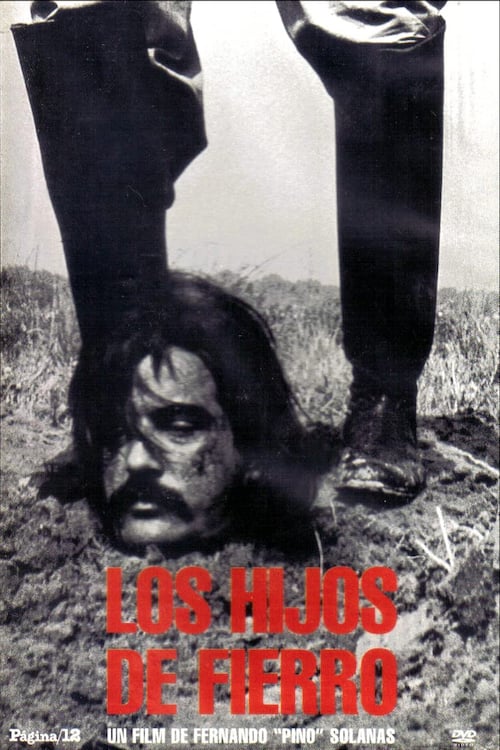
Peronist view of its history between the fall in 1955 and the electoral triumph of 1973 using a metaphor of the poem Martin Fierro.
The Children of Fierro

A humble housewife becomes an assassin for money, gaining self-confidence and rebuilding her life.
Madraza
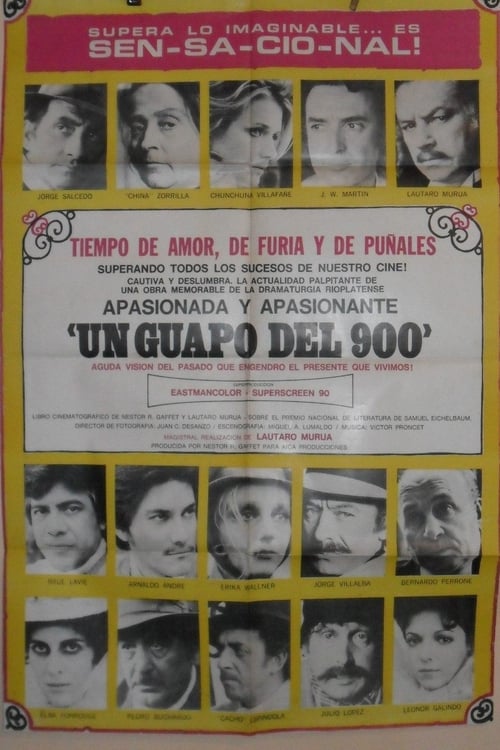
The moral conflicts of a conservative politician, his wife and a bully, in the Buenos Aires of the early twentieth century.
Un guapo del 900
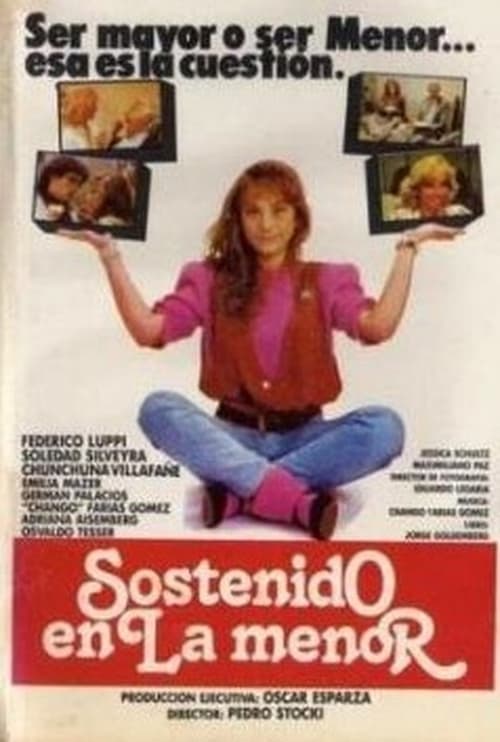
When a marriage separates, a teenage girl chooses to move in with her father.
The Messes of Susana
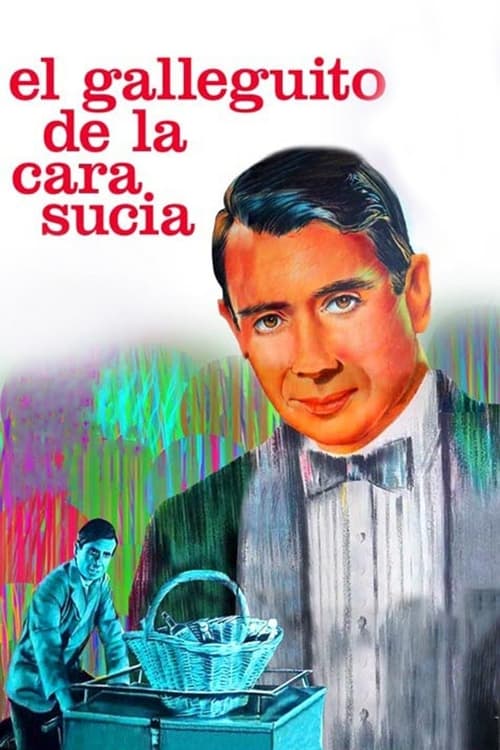
Amorous misadventures of a warehouse clerk rejected for his condition.
El galleguito de la cara sucia
Feature film that appeals to the memory of the last military dictatorship in Argentina.
El beso del olvido
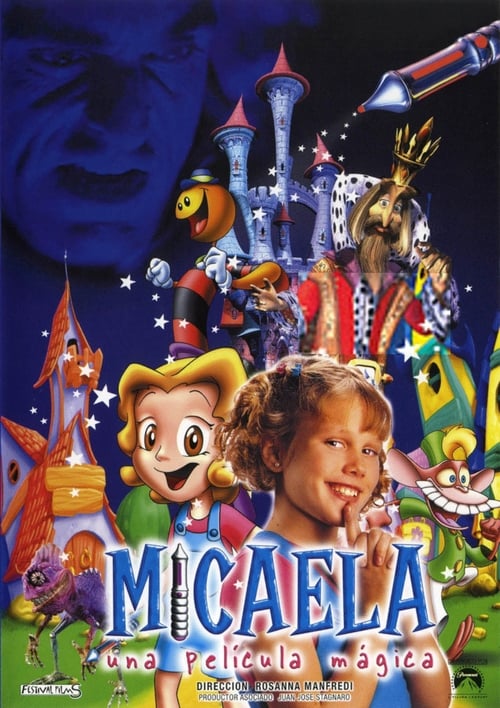
Micaela loves the nature that surrounds her, playing games and going on adventures with her friends. Then one day she learns of an evil plot to change the forest's colors to black and gray.
Micaela, una película mágica
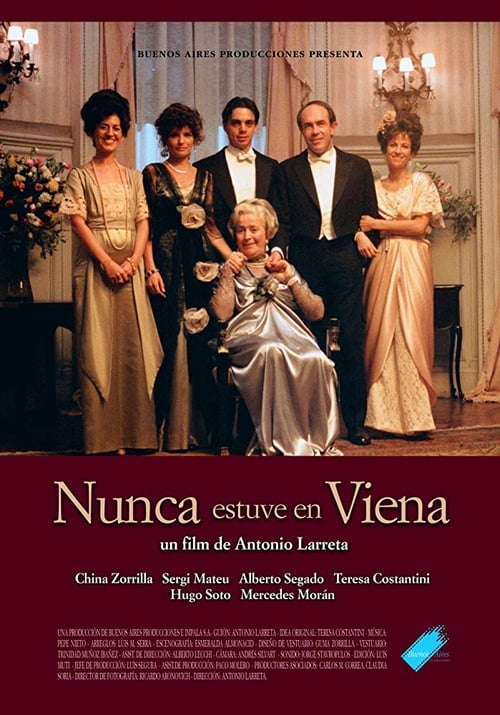
About an upper-class family during the Centenary of the May Revolution, which coincides with the decline of the aristocratic classes in those years.
Nunca estuve en Viena
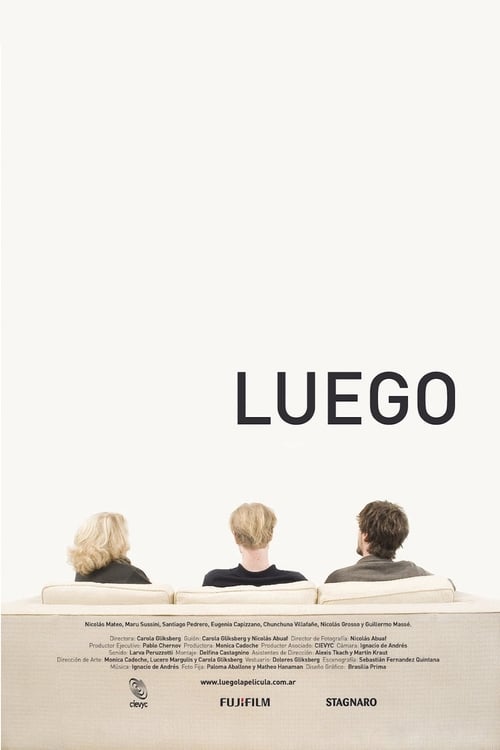
Three situations of vaguely theatrical origin, stripped of all outer clothing, reveal the track of a different cinema. whose realism seeps into the cracks of his apparently self-contained, closed world.
Luego
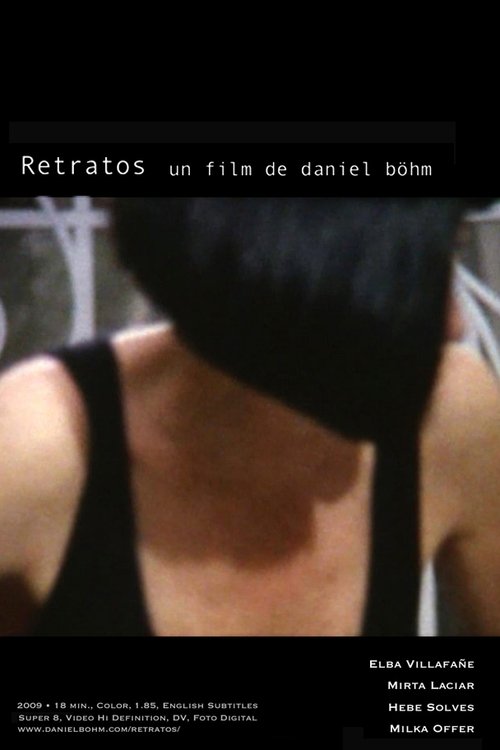
Four woman of different generations. Their bodies and faces confronted with a tender and ruthless camera. Explicit and implicit movements; intimacy, shyness and extravagance in a mysterious choreography. A magnifying glass that explores and amplifies their moods, and silences: a shared loneliness.