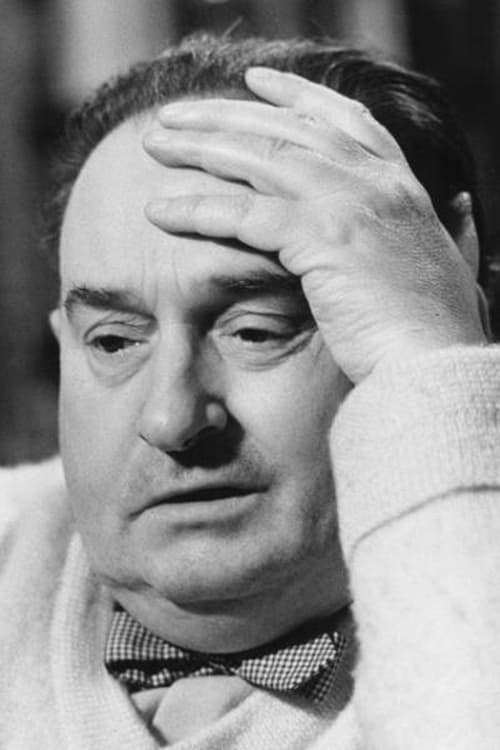
Karel Steklý
Writing
Biography
Začínal u různých kočovných divadelních společností. Od roku 1928 do roku 1938 působil jako inspicient a rekvizitář v Osvobozeném divadle. Roli inspicienta si pak zahrál i ve Voskovcově a Werichově filmu Pudr a benzín. Od roku 1933 začal také psát filmové scénáře, nejprve pro jiné režiséry (např. Václava Wassermana), později pouze pro své vlastní filmy. Umělecká kvalita těchto scénářů však měla velmi střídavou úroveň, mezi jeho scénáři lze nalézt jak filmy vynikající, tak i zcela podprůměrné. V Osvobozeném divadle upravoval na podnět Jana Wericha hry pro děti (např. Ostrov dynamit, Divotvorný klobouk) a psal sám i pohádky, jejichž ústřední postavou býval Kapitán Bublas (např. Alibaba a třicet devět loupežníků). Režírovat začal po druhé světové válce v roce 1945. Celý život byl vždy plně konformní s vládnoucím režimem a točil i díla politicky značně tendenční a ideově velice problematická. Z tohoto důvodu je dnes celá jeho umělecká dráha považována za velice nevyrovnanou a společensky rozporuplnou. Vedle snímků velice kvalitních a divácky atraktivních natočil velké množství děl průměrných či vyloženě podprůměrných. Jako disciplinovaný člen KSČ byl za svůj politický postoj tehdejším vládnoucím komunistickým režimem velmi často oceňován, odměňován i umělecky protežován. V roce 1973 získal titul národní umělec.
Known For
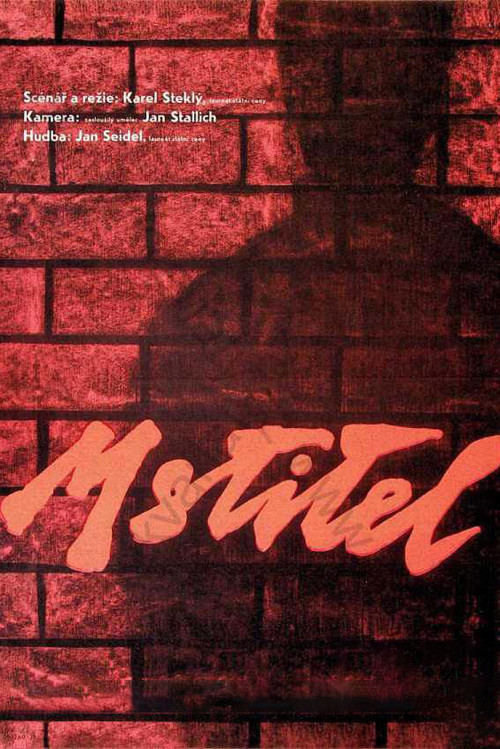
Kaspar Len returns home after three years in the army. He vainly searches for the mason Kryštof’s family where he had lived before he left. All he finds out is that Kryštof’s daughter Márynka, who was in his thoughts all those years, is now working in the local brothel. He goes to visit her and Márynka tells him of the misfortunes which befell her family.
Mstitel
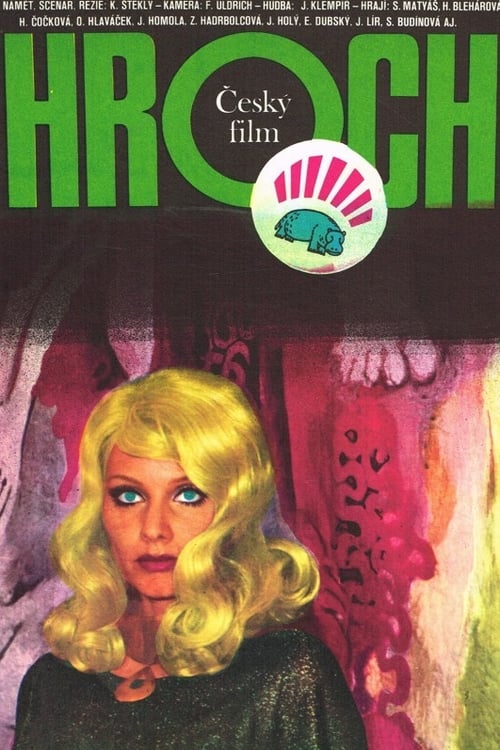
The bank officer Bedrich Hroch is sent by the bank director to the zoo, which asked an allocation of one and half kg of gold for a gold tooth for a hippo. During the check up of the hippo's teeth Bedrich is swallowed by the hippo. The man does not die in the hippo's guts and he chats quite happily with his frightened wife Dása. Journalist Pip Karen, his friend is also present to the dialogue and he has immediately an idea how to use this special situation. He tells to the new minister Borovec and his opponent professor Fibinger that there is a hippo in the zoo which can speak. He also tells them how to use this situation for a political propaganda.
Hroch
No description available.
Experiment
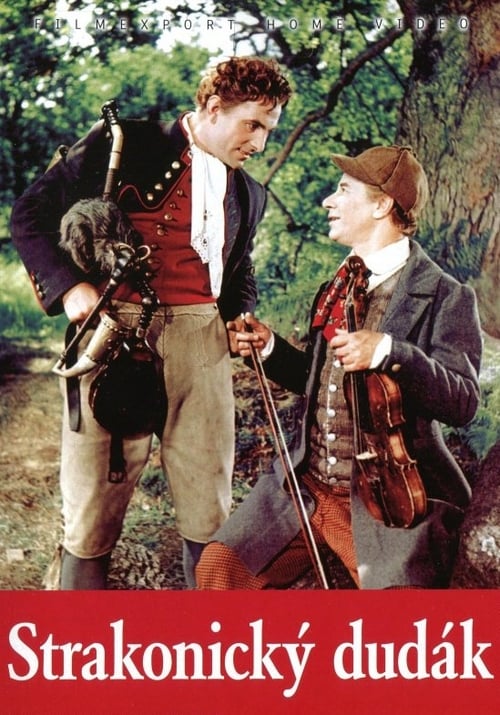
The story of the piper Švanda, who went abroad for money and fame, but whose love for his homeland ultimately wins.
Strakonický dudák
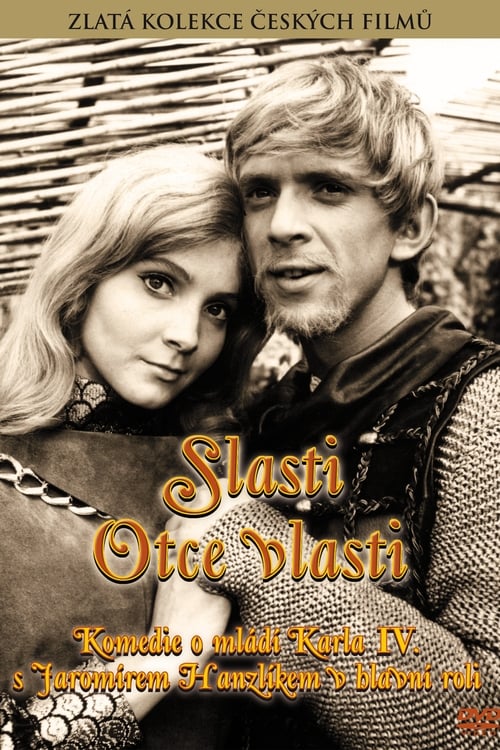
The young Prince Charles (Jaromír Hanzlík), the future King of his country Charles IV, is being educated at the French court in the company of his fiancée Blanche (Daniela Kolárová). One day he receives a summons from his father John of Luxembourg (Milos Kopecký) in Italy. He leaves for Italy accompanied by a deputation from Bohemia. On the way the prince's company fights a battle with armed Milanese against heavy odds. Thanks to Charles's perspicacity, the prince's almost naked soldiers win through. In Lucca in Italy Charles joins his father, and here he experiences an amorous adventure and escapes from the traps laid by the Italian rebels.
Slasti Otce vlasti
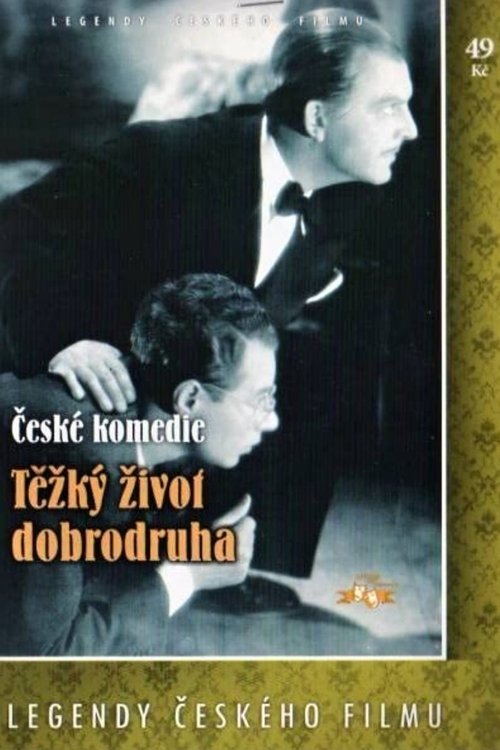
A writer of pulp crime novels is drawn into a series of real crimes. This film was one of the first Czech attempts on a genre parody.
The Hard Life of an Adventurer
No description available.
Druhá směna
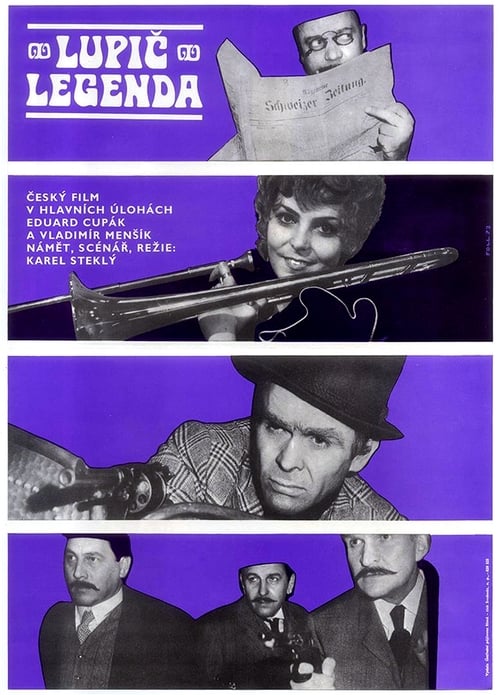
It is 1905. The police director gets Jindrich Legenda (Eduard Cupák) shadowed as, yet Legenda had served his sentence for a burglary, the jewels have not been found. Russian revolution encouraged also Czech workers to fight for their rights. Radical anarchists are followed by Legenda's friend Karel Wohryzek (Vladimír Mensík) who was forced to collaborate with the police as he was convicted of pornography distribution.
Legenda, the Robber
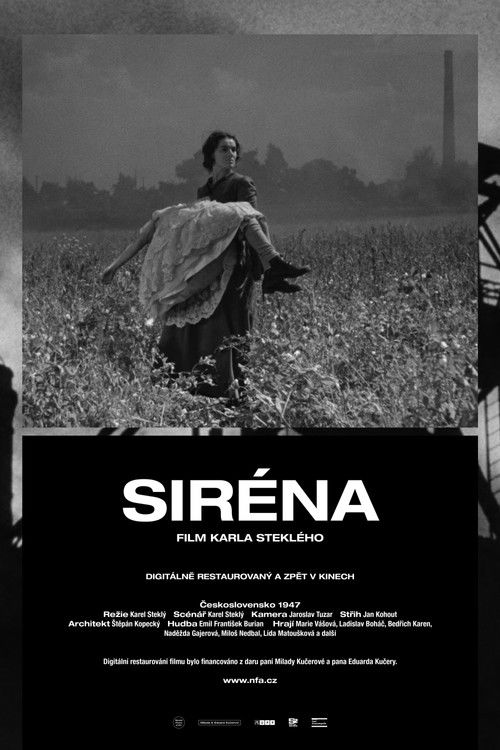
In late 19th century Czech-speaking Bohemia, oppressed workers at German-owned mines and foundries revolt against their harsh working conditions. Made shortly after World War II as Czechoslovakia was falling to communism, the film resonates in Czech resentment of the German occupation.
The Strike
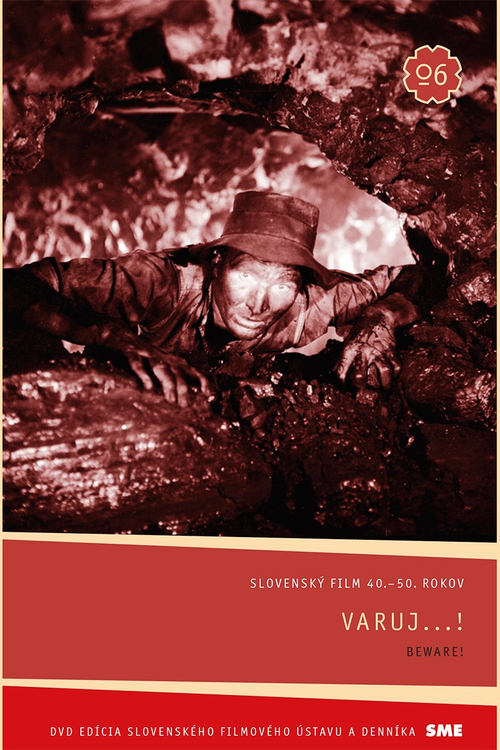
A drama about Slovaks who emigrated before WW I. It is focused on the life of Ondrej Muranica. He emigrates to America because of the hard life that is partly caused by Hungarian landowners. His dreams and hopes for a happier life are destroyed by a disaster in the mines where he works. Ondrej is declared missing.Years later he returns to his home country and finds out his wife married his best friend.
Beware!
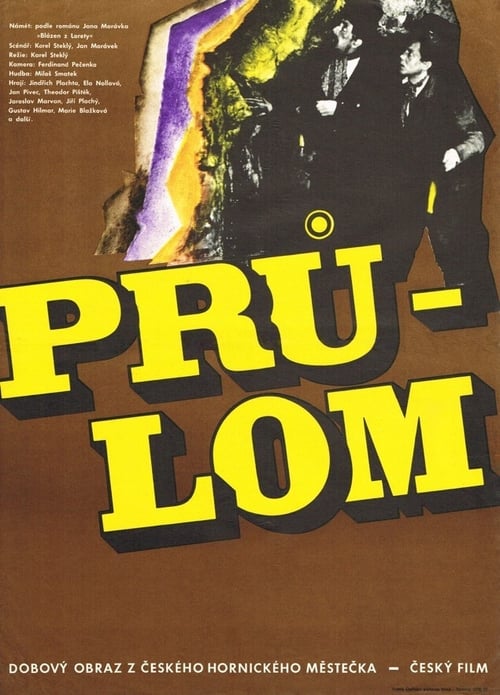
A small Czech town in the 1860s. The townspeople once made a fortune from the proceeds of gold mines that are now flooded. However, they do not want to invest in draining them, as they are convinced that it is not worth it. However, the cessation of mining has plunged the miners' family into poverty. After vain requests for help in the town and the governor's office, the miners decide to take action themselves...
Průlom
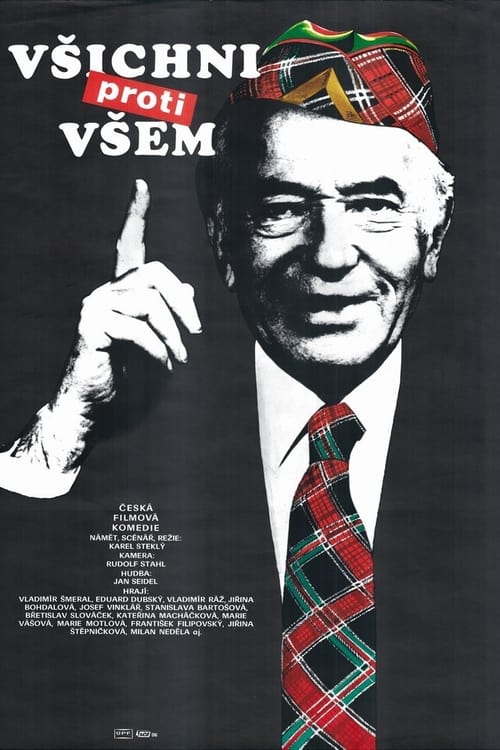
The story of an old gentleman who had spent his life restoring antiques. As an art connoisseur, he planned to surround himself with old paintings, which he collected deliberately. But his passion for painting was not well understood by his petty bourgeois family, who saw his collection of paintings as nothing more than money uselessly invested. And they are looking forward to selling off their inheritance...
All Against All
The workers at the ironworks are working to fulfill a two-year plan. The spy group takes advantage of the bitterness of a disrespected innovator and tries to extract information from him about a new technology for pressing metal powder. However, their plans are thwarted by the vigilance and vigilance of the research staff from Department Z-8.
Případ Z-8
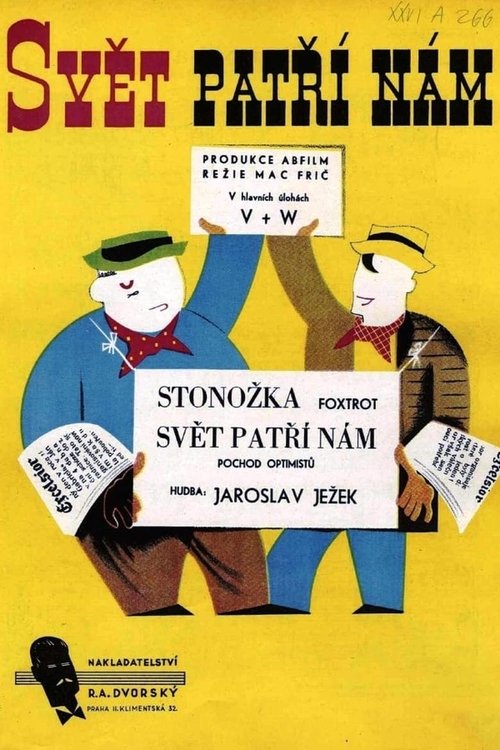
One of the few European films of the 30s to criticize the Nazis, even if they couldn't be directly named due to censorship: Gangsters with gray hats stir up trouble in what is obviously the Sudetenland.
The World Belongs to Us
No description available.
Skalní plemeno
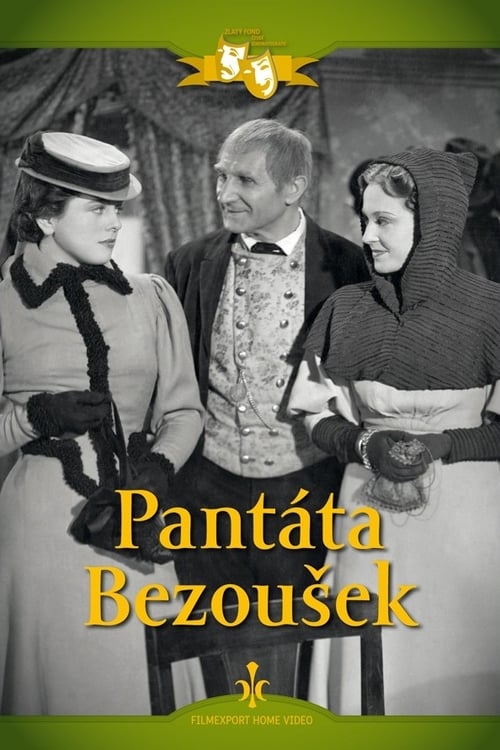
Country man Josef Bezoušek has gone to Prague for an extended visit to his lawyer son's family. His son, daughter-in-law and granddaughters have welcomed him with open arms, so the grandfather quickly gets used to them and really likes the metropolis. He enjoys walks and city attractions, and in the process he inadvertently gets involved in the story of his son's sister-in-law's forbidden love. She has lost her mind for a poor young man, her father does not want her to know him and imprisons the girl at home. The scoundrel Bezoušek inadvertently finds himself right in the center of the affair - and trouble is already coming his way. He himself could have endured it, but before leaving Prague he wants to settle the whole matter to the benefit of the unfortunate lovers...
Pantáta Bezoušek
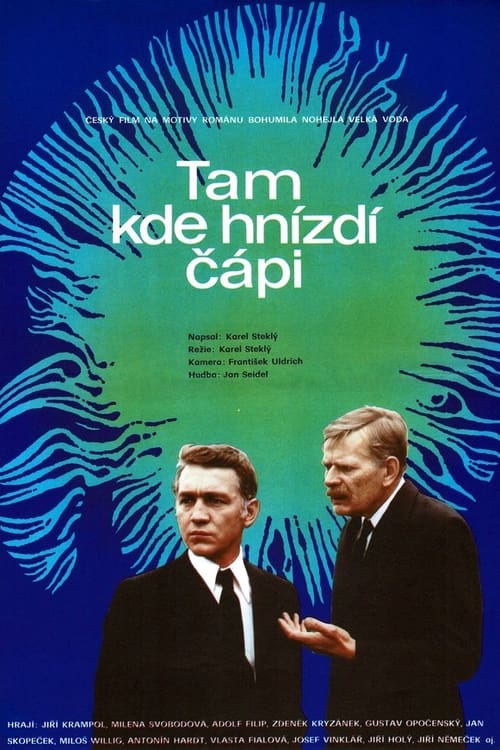
Despite the initial mistrust of others, former glass worker Štěoán Urban becomes the founder and first chairman of the local agricultural cooperative. However, 1968 arrives and with it comes previously unexpected problems.
Tam kde hnízdí čápi
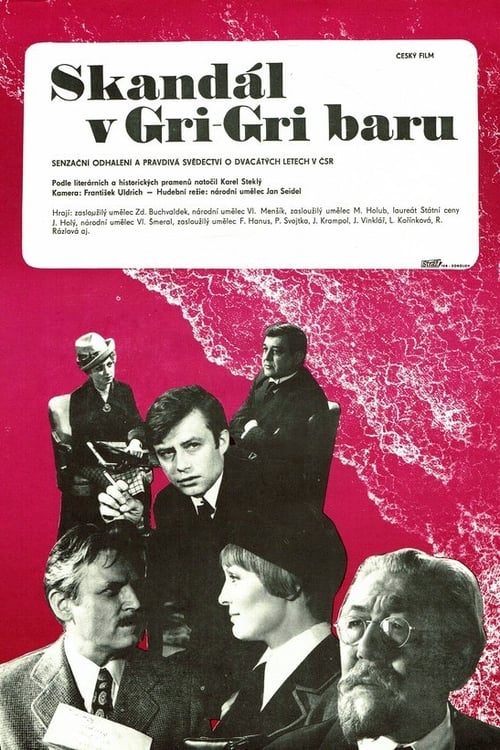
Two young returnees from the First World War face a difficult future because they cannot find work. One eventually finds a job as an electrician, the other breaks into the Social Democratic press, where he gets the chance to watch up close how the Social Democratic leadership deceives its members and enters the service of the ruling classes. And a newly-trained journalist solves the problem of whether he should also adapt to the corrupt environment...
Skandál v Gri-Gri baru
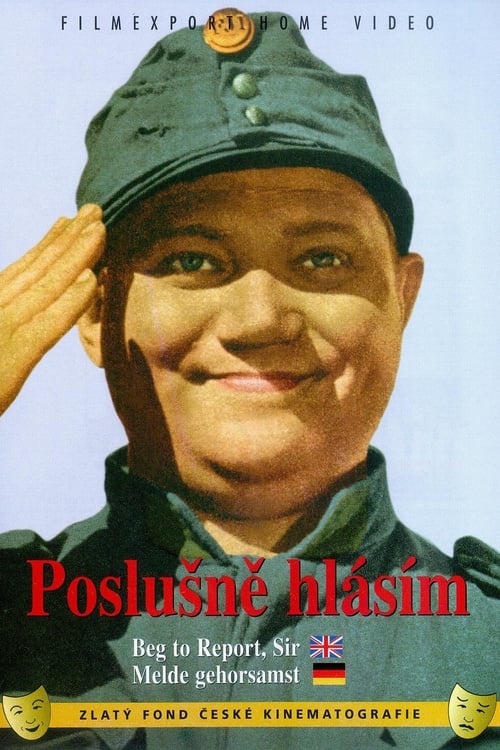
A comedy based on the novel of Jaroslav Hašek's The Good Soldier Svejk happens during the World War I. I Dutifully Report: In the introduction to the second part of the film adaptation of Hašek's novel The Good Soldier Švějk presents his main character Josef Švejk. With the distinctive traditional Czech cartoon character of a soldier Svejk, this time you meet on the way to the front and eventually right in the firing line. You can look at his famous train events, and also probably the most famous episode of the novel, Švejk's Budějovice anabasis. Don't miss the scene with the secretly bought cognac, the episode with Svejk as a fake Russian prisoner of war, including the court scene, and the scene in which lieutenant Dub is caught in a brothel. Despite the criticism, Steklý's adaptation is undoubtedly the most famous and memorable at present.
I Dutifully Report

The main hero of the story is the editor Viktor Bláha, who likes to invent crazy mystifications, during which he has a good time at the expense of those around him. Not only friends pay for his jokes, especially his roommate Jan Valtera, but also completely unknown people who "get involved in his wound" and have no idea that the slightest mistake on their part will trigger an avalanche of Bláh's eloquence. But as they say, everything takes time... The film was shown for the first time at the Film Festival in Zlín on July 30, 1941.