FEEL IT.STREAM
Sergei Loznitsa

Sergei Loznitsa

Directing

Biography

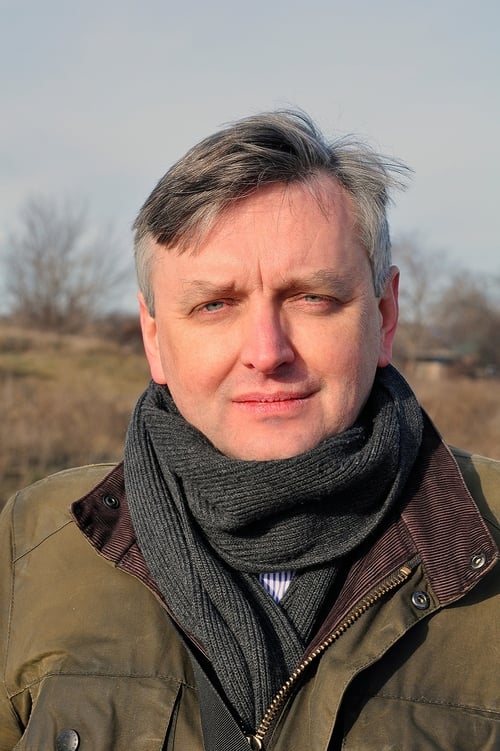
Sergei Vladimirovich Loznitsa (Belarusian: Сяргей Уладзіміравіч Лазніца, Ukrainian: Сергій Володимирович Лозниця, Russian: Сергей Владимирович Лозница; born 5 September, 1964; Baranovichi, Brest Voblast) is a Ukrainian director of Belarusian origin known for his documentary as well as dramatic films. Born in 1964, Ukrainian filmmaker Sergei Loznitsa grew up in Kyiv, and graduated from Kyiv Polytechnic in 1987 with a degree in Applied Mathematics. In 1997, Loznitsa graduated from the Russian State Institute of Cinematography (VGIK) in Moscow, where he studied feature filmmaking. Sergei Loznitsa has directed 18 documentary films since 1996 and has received numerous international awards, including festival prizes in Karlovy Vary, Leipzig, Oberhausen, Krakow, Paris, Madrid, Toronto, Jerusalem and St. Petersburg, as well as the Russian National Film awards “Nika” and “Laurel”. Loznitsa’s feature debut My Joy (2010) premiered in competition at the Festival de Cannes, and was followed by In the Fog, which also premiered in competition at the Festival de Cannes in May 2012, where it was awarded the FIPRESCI Prize. His feature film A Gentle Creature premiered in competition at the Festival de Cannes in May 2017.
Known For

Two Prosecutors
6.9

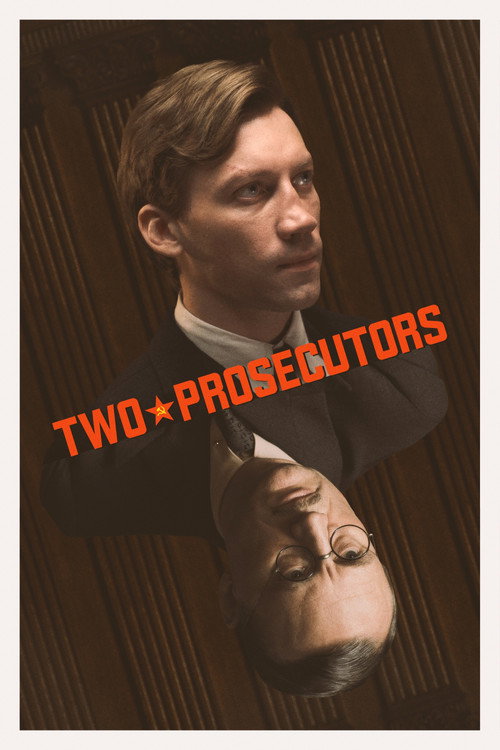
In 1937, amidst Stalin's Great Terror, a newly appointed prosecutor for the USSR is made aware of alleged corruption in the Secret Police, and takes it upon himself to investigate.

Two Prosecutors

2025
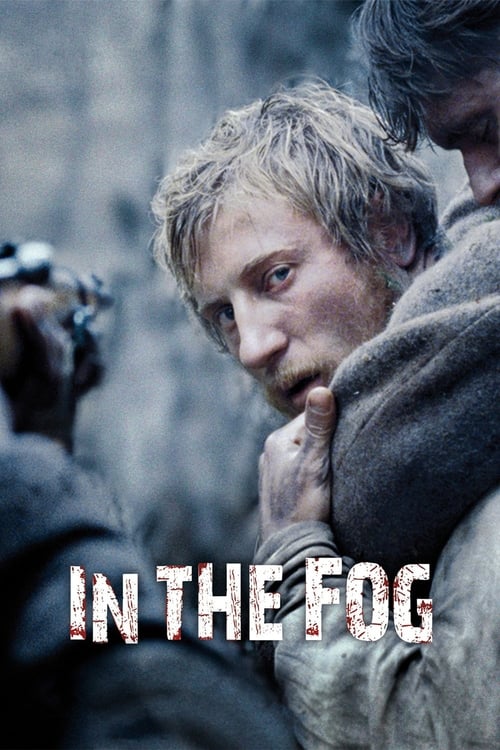
In the Fog
6.2

Western frontiers of the USSR, 1942. The region is under German occupation. A man is wrongly accused of collaboration. Desperate to save his dignity, he faces an impossible moral choice.

In the Fog

2012
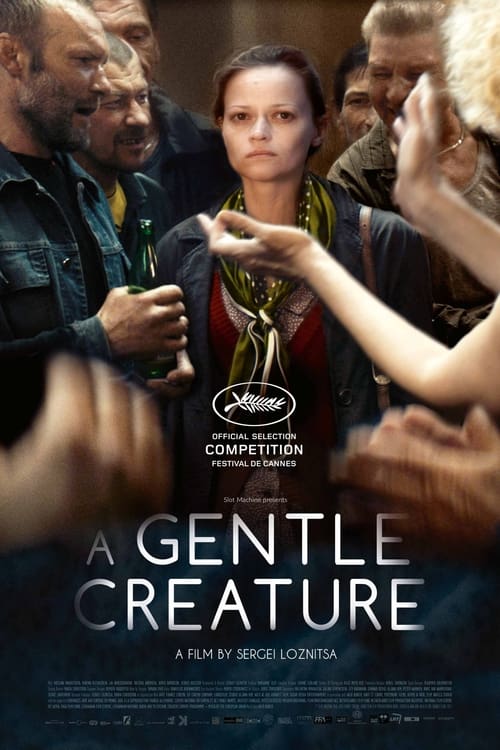
A Gentle Creature
6.0

A woman lives in a small village in Russia. One day she receives the parcel she sent to her husband, serving a sentence in prison. Confused and angered, she sets out to find why her package was returned to sender.

A Gentle Creature

2017
Donbass
6.8

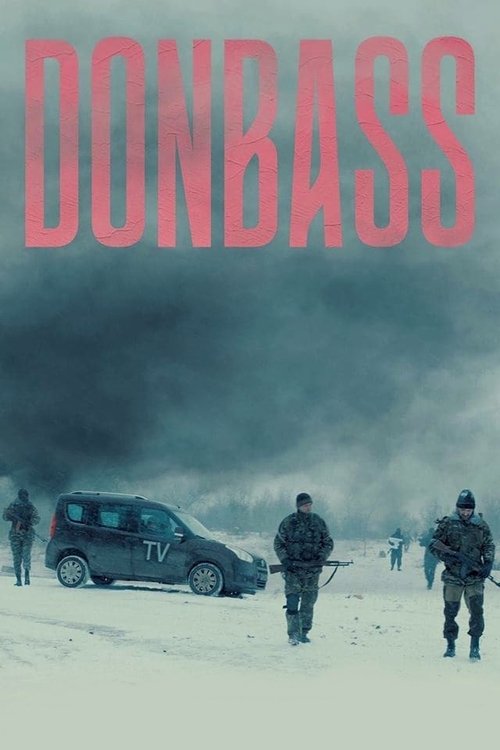
In the historic Donbass region of eastern Ukraine, despite the cruel war that has been raging since 2014 between the self-proclaimed People's Republics of Donetsk and Luhansk and the Ukrainian government, people try to survive in the rotten heart of chaos, where violence disguises itself as peace, propaganda becomes univocal truth and hatred reigns in the name of love.

Donbass

2018
My Joy
6.3

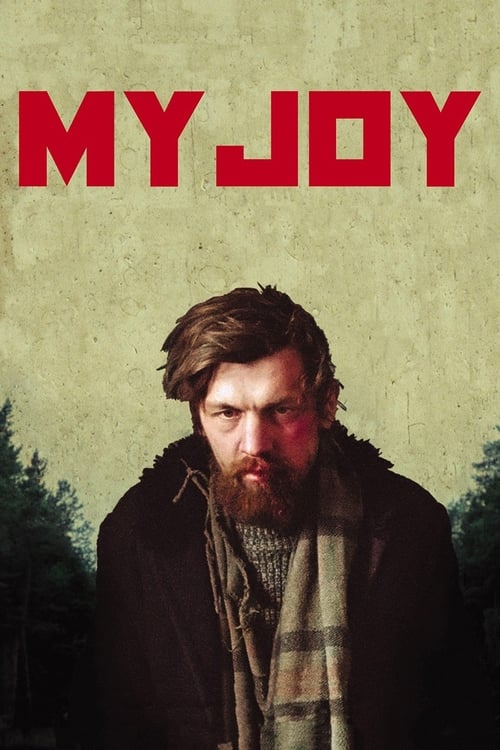
Georgy is driving a load of freight into Russia when, after an unpleasant encounter with the police at a border crossing, he finds himself giving a lift to a strange old man with disturbing stories about his younger days in the Army. After next picking up a young woman who works as a prostitute and is wary of the territory, Georgy finds himself lost, and despite asking some homeless men for help, he’s less sure than he was before of how to make his way back where he belongs. As brutal images of violence and alienation cross the screen, Georgy’s odyssey becomes darker and more desperate until it reaches an unexpected conclusion.

My Joy

2010
The Event
6.6

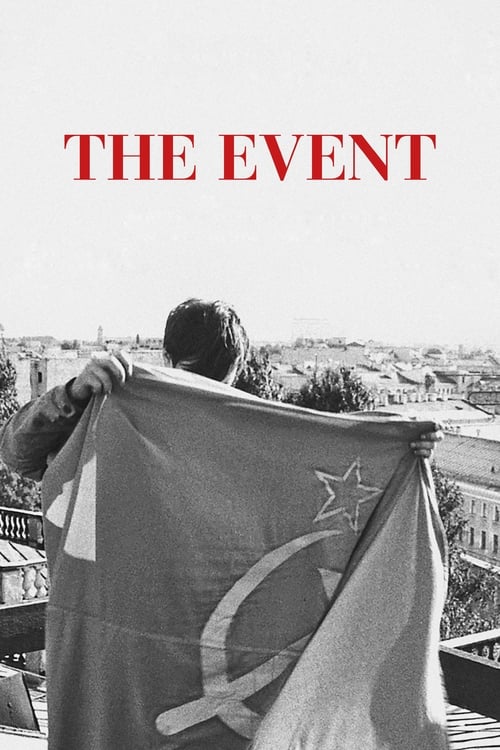
In August 1991 a failed coup d'état attempt (known as Putsch) led by a group of hard-core communists in Moscow, ended the 70-year-long rule of the Soviets. The USSR collapsed soon after, and the tricolour of the sovereign Russian Federation flew over Kremlin. As president Gorbachev was detained by the coup leaders, state-run TV and radio channels, usurped by the putschists, broadcast Tchaikovsky's "Swan Lake" instead of news bulletins, and crowds of protestors gathered around Moscow's White House, preparing to defend the stronghold of democratic opposition led by Boris Yeltsin, in the city of Leningrad thousands of confused, scared, excited and desperate people poured into the streets to become a part of the event, which was supposed to change their destiny. A quarter of a century later, Sergei Loznitsa revisits the dramatic moments of August 1991 and casts an eye on the event which was hailed worldwide as the birth of "Russian democracy".

The Event

2015
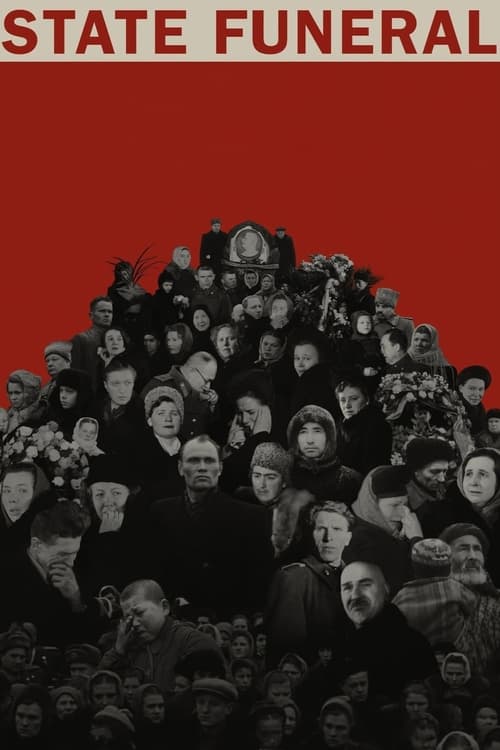
State Funeral
6.6

The enigma of the personality cult is revealed in the grand spectacle of Stalin’s funeral. The film is based on unique archive footage, shot in the USSR on March 5 - 9, 1953, when the country mourned and buried Joseph Stalin.

State Funeral

2019
A Nation Denied: Ukraine's Battle for History
8.2

A critical and objective look back at Ukraine's tumultuous and tragic history, from its mythical founding in the 10th century to the Russian invasion in 2022.

A Nation Denied: Ukraine's Battle for History

2024
No image
N/A

A collection of six documentary films featuring various locations and cultures of the world, screened at the Musée du Quai Branly from 18-23 May.

The Ways of the World: Vol. 1

2010
Maidan
7.9

A chronicle of the civil uprising against the regime of Ukrainian president Viktor Yanukovych that took place in Kyiv in the winter of 2013/14. The film follows the progress of the revolution: from peaceful rallies, half a million strong in the Maidan square, to the bloody street battles between protesters and riot police.

Maidan

2014
The Invasion
6.5

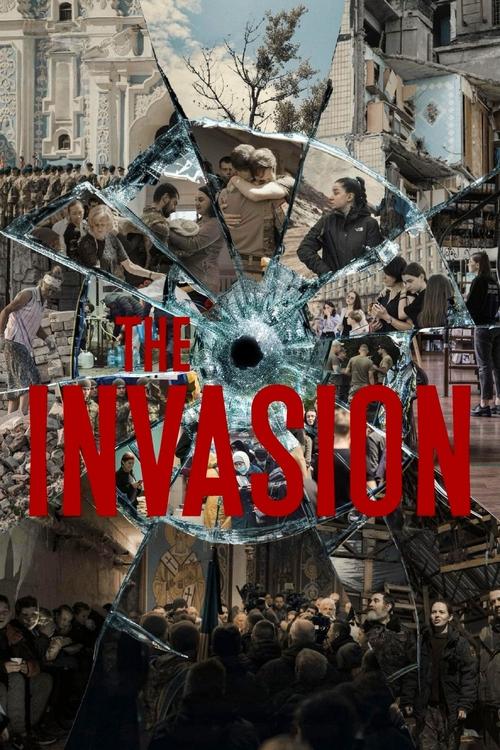
A comprehensive chronicle of the consequences of Russia's invasion of Ukraine in 2022. How citizens live in wartime, how violence and death condition daily life: from schools in bomb shelters to rehabilitation centers for the maimed; wounds and silences, gestures and words.

The Invasion

2025
The Bridges of Sarajevo
6.3

Thirteen European directors explore the theme of Sarajevo; what this city has represented in European history over the past hundred years, and what Sarajevo stands for today in Europe. These eminent filmmakers of different generations and origins offer exceptional singular styles and visions.

The Bridges of Sarajevo

2014
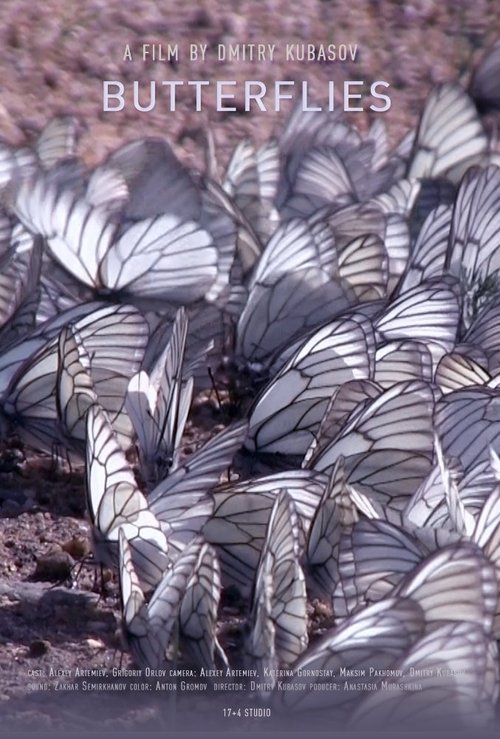
Butterflies
3.2

Alexey is shooting a movie about himself. He is in search of a boyfriend. Everything would be alright, if Alexey's mother could accept his sexuality. Alexey comes to visit her and admits that he likes boys, saying 'Don't you anticipate any grandchildren from me'. We find Alexey at Tarkovsky film festival, where he apparently came to rest. Alexey meets Grisha, and a stormy holiday romance begins.

Butterflies

2016
A Night at the Opera
6.4

A documentary view of the galas of Paris’s Palais Garnier in the 1950s and ’60s.

A Night at the Opera

2020
The Natural History of Destruction
N/A

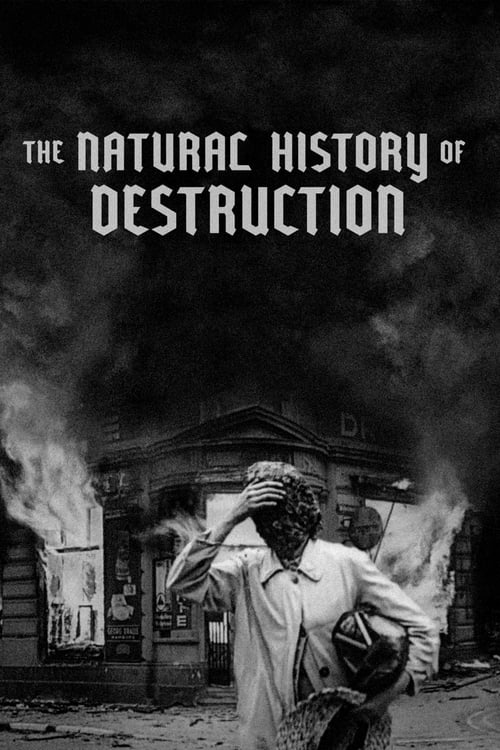
Is it morally acceptable to use the civilian population as yet another tool for waging war? Is it possible to justify death and destruction for the sake of supposedly lofty ideals? The question remains as pertinent today as it was at the beginning of World War II, and it is becoming increasingly urgent to answer, as countless tragedies have been caused by unethical political decisions.

The Natural History of Destruction

2023
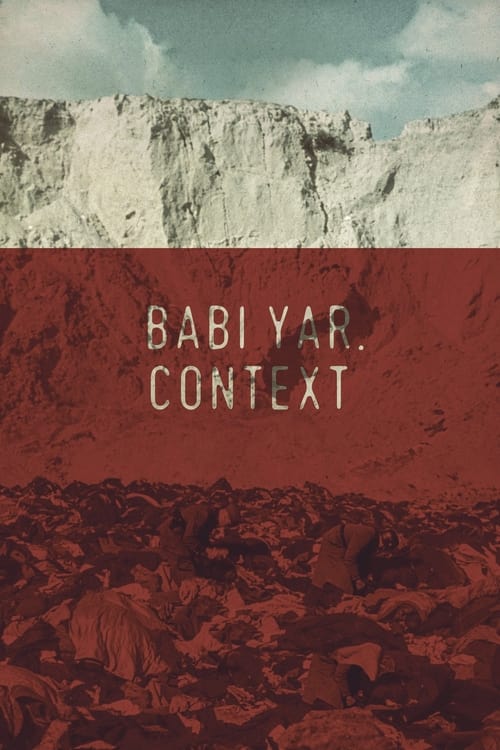
Babi Yar. Context
6.2

Nazi troops massacre 30,000 Jews over a three-day period in September 1941. Babyn Yar ravine in Kyiv, Ukraine.

Babi Yar. Context

2021
Celles qui chantent
5.1

From an Iranian village to the Palais Garnier, from a hospital in Villejuif in the South of Algeria, voices are raised ... Four filmmakers, Julie Deliquet, Karim Moussaoui, Sergei Loznitsa and Jafar Panahi film songs of women and evoke in their own way, the world in which each of them lives.

Celles qui chantent

2020
The Old Jewish Cemetery
6.5

Jewish cemetery in Riga, Latvia became a park in the 1960s. Now the park becomes a place for alcoholics and American tourists, but still he last witness of violent history. A film dedicated to Jewish community.

The Old Jewish Cemetery

2015
Victory Day
6.2

Every year, on the 9th of May, people gather in Treptower Park in Berlin. They come dressed in their best outfits or in Soviet military uniform. They carry flags, banners and posters. They lay flowers at the monument to the Soviet soldier; they sing, dance and drink. They celebrate the victory of the Soviet Union over Nazi Germany.The film is a direct reportage from Treptower Park 72 years after the victory.

Victory Day

2018
The Settlement
4.9

This movie is about a day in life of the settlement for people with mental problems. Located in a peaceful countryside, it conveys an image of a pure, happy place, where people live and work together, in complete harmony. But there is a growing unexplainable feeling of anxiety and hopelessness.

The Settlement

2001