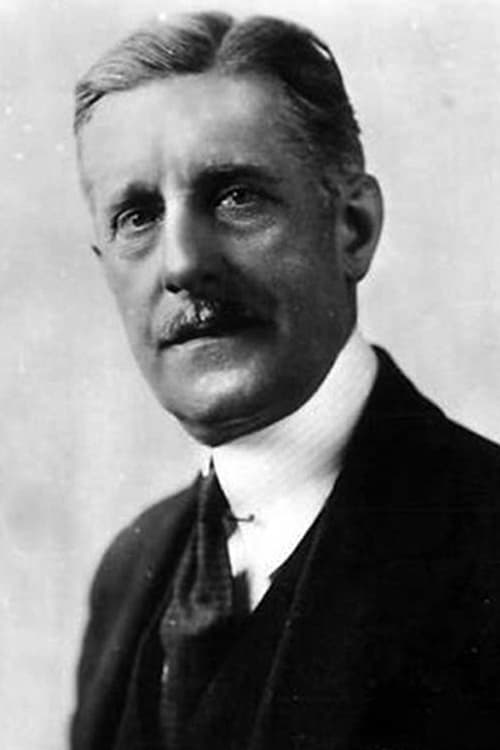
Henry Roussel
Directing
Known For

The tribulations of a banknote, from its exit from a counter to its destruction, passing through dozens of hands.
Le Billet de mille
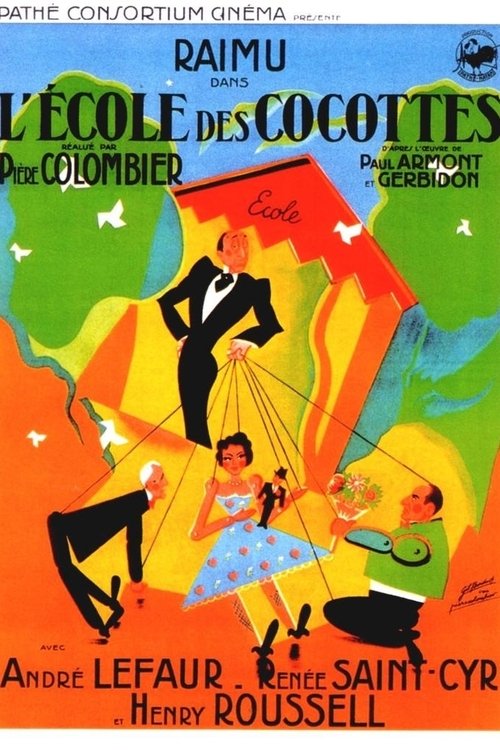
Ginette, a Parisian seamstress, lives poorly but happily with her musician lover. When Count la Ferronnière offers to teach her the manners and behaviours that will open her the doors to a richer world, she quickly chooses wealth over love.
School for Coquettes
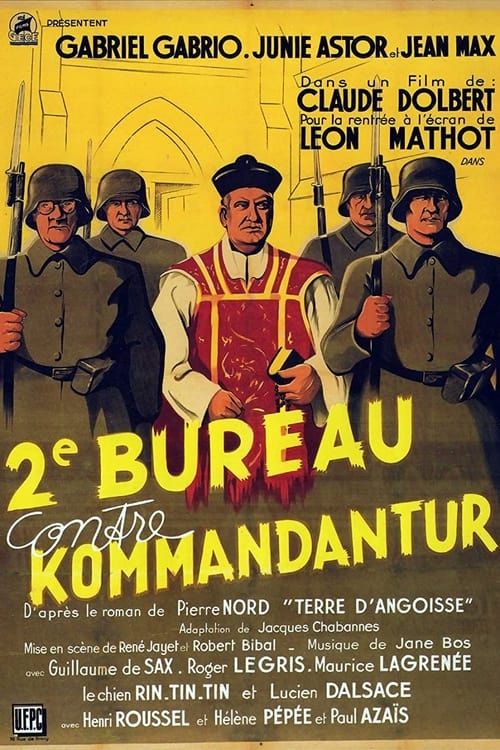
In 1917, in a small village in the North, Abbe Gaillard is suspected by the Germans of facilitating the escape of French and Belgian soldiers. A false alibi makes him innocent and he can thus continue his mission, thanks to the devotion of an Alsatian who, in enemy uniform, obscurely serves his country.
Deuxième bureau contre kommandantur
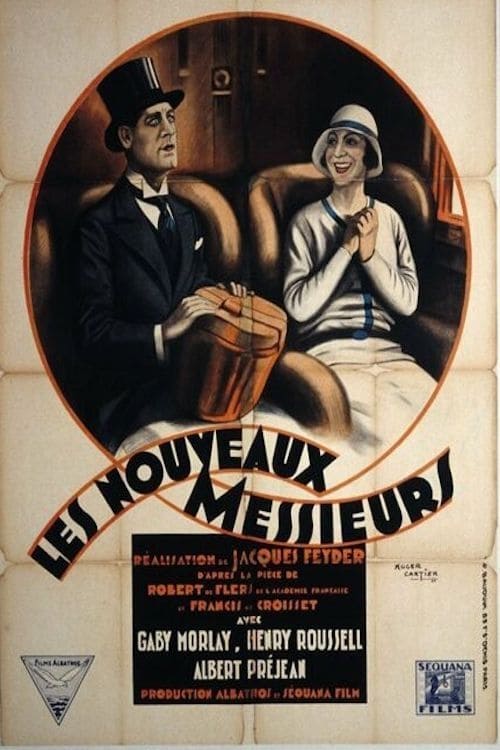
The plot focuses on Gaillac (Albert Prejean), an electrician employed by the Paris Opera. In love with gorgeous ballerina Suzanne (Gaby Morlay), Gaillac must play second fiddle to Suzanne's wealthy "protector," powerful politician Count Montoire (Henry Roussell). When the Opera personnel go on strike, Gaillac is appointed leader of the strikers, doing his job so well that he is ultimately elected Secretary of Labor in the French cabinet. Now on equal footing with Montoire, Gaillac is at last a "worthy" suitor for Suzanne -- who can't make up her mind between her two well-connected admirers, leading to a political rivalry the likes of which Paris has never seen. This harmless political satire ended up being banned by the French government for undermining "the dignity of Parliament and its ministers". (moviefone.com)
The New Gentlemen
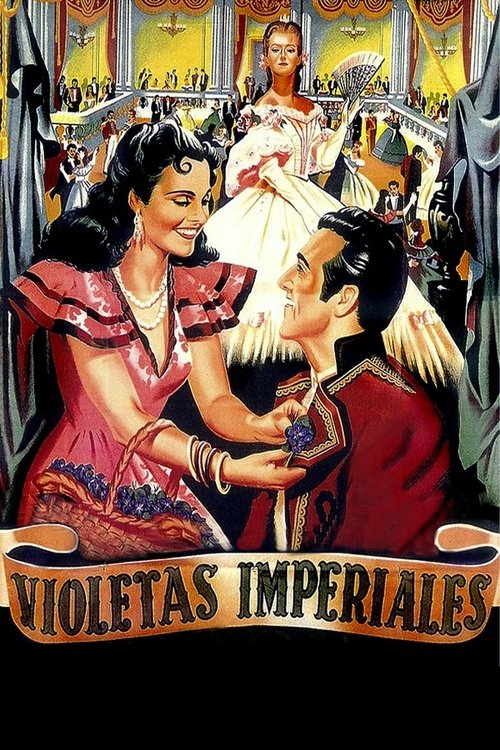
Violeta, an Andalusian gypsy, foretells a lady she will become empress. The lady is Eugenia de Montijo, and when she marries emperor Luis Napoleón of France she takes the young girl with her. The empress'cousin readily makes her his focus of attention, then she discovers a criminal attempt against the empress.
Imperial Violets
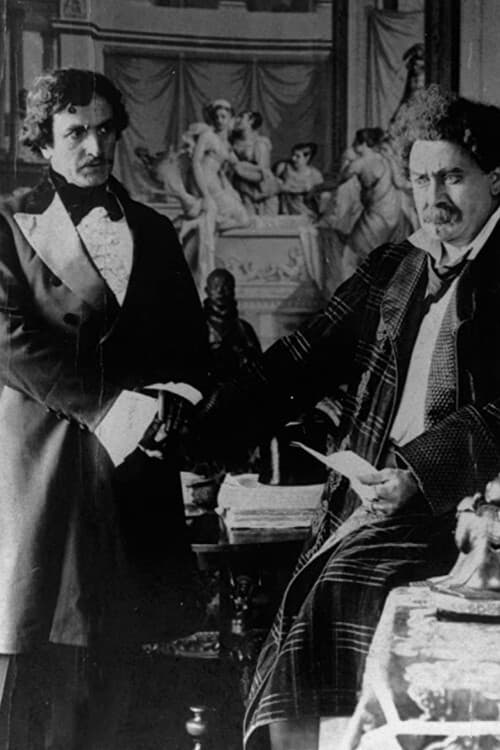
No description available.
The Corsican Brothers
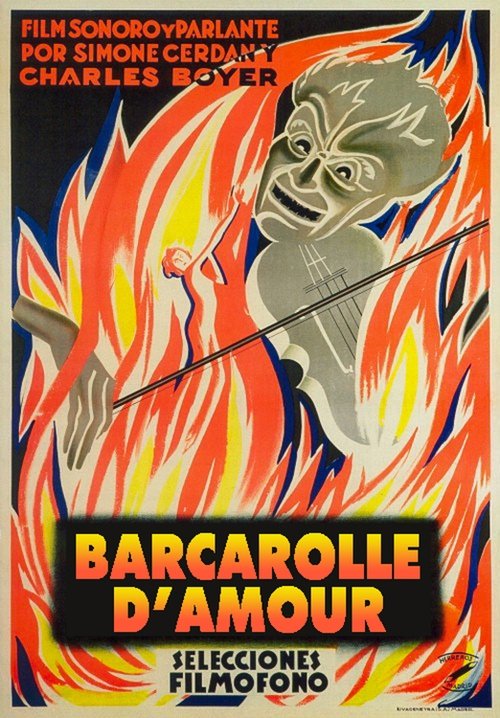
A young singer at the Opera finds out who really loves her, when the theater catches fire on the opening night of the performance.
The Barcarolle of Love
Well-to-do Simone replaces her music-hall friend Yahne when her wealthy uncle visits from America.
Jeunes filles à marier
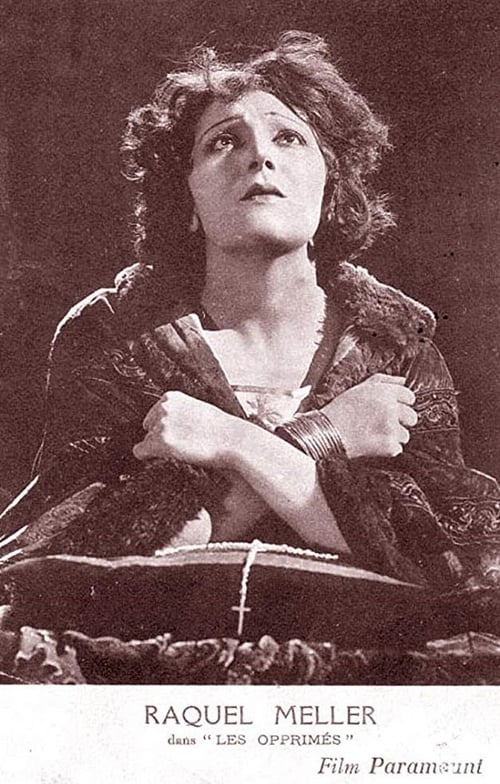
This historical melodrama (later remade by Henry Roussel himself in 1932 and Richard Pottier in 1952) set during the reign of Napoleon III of France. Here, Raquel Meller plays a Spanish flower girl who saves the life of the French empress Eugenie de Montijo (played by Suzanne Blanchetti), by taking her place in her carriage. When the carriage is overthrown by the anarchist's bomb, the girl survives because of the masses of violets in the imperial carriage, the empress' favorite flowers.
Violettes impériales
The life of composer Frédéric Chopin through his youthful love for Maria Wodzińska, a young Polish aristocrat he was unable to marry because of his own situation, considered too modest by the girl's family. On the threshold of death, Chopin remembered his beloved and the piece he composed when he left her: La Valse de l'adieu.
La valse de l'adieu
Concepcion de la Playa Setta, an Andalusian noblewoman, the daughter of the provost marshall of Flanders, is in love with the Duke Philippe de Hornes. He is a Brussels gentleman in revolt against her people, the Spanish occupiers. When her rebellious lover is hurt during an uprising against the troops of Philip II, Concepcion takes him in in her house. And she personally defends him when, at his trial. Condemned to be hanged through the intervention of the Duke of Alba, de Hornes is eventually reprieved by the new governor and set free. The two lovers meet again and can live happily from now on.
Flanders under Philip II
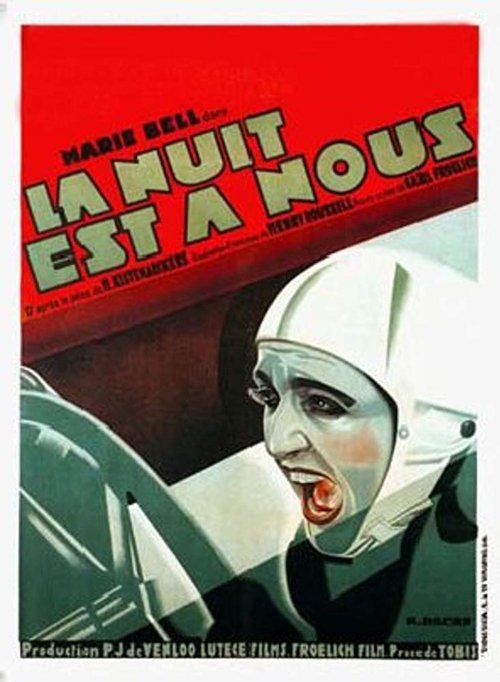
No description available.
La nuit est à nous

In a small east-european ghetto, the Jewish family is celebrating Easter. The fraternal dissonance between the Sigoulim brothers pretty accurately mirrors the strife between the two powers, one surrounding Samuel, a devoted rabbi, and the other around Moïse, a talented money lender. Moïse becomes the king of petrol and ships to London with his niece Lia. Conflict continues and leads to the violent strike by oilworkers...
Her People
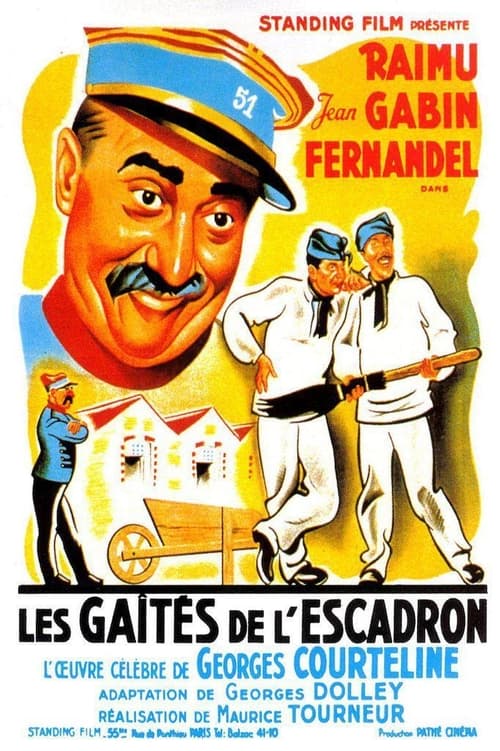
The life of disorderly soldiers in the barracks dealing with daily routines.
Fun in the Barracks
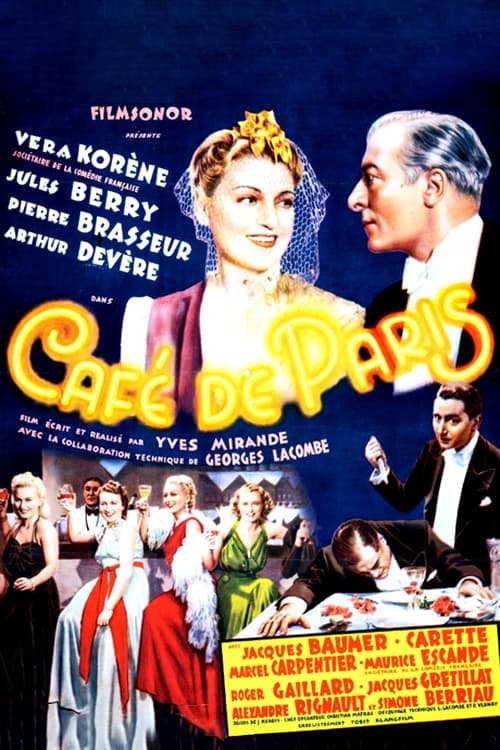
This murder mystery is set in a Parisian cafe and examines the mysterious murder of a famed journalist and extortionist who is killed at his table in the cafe. Though the prime suspects are gathered together( including his wife and her lover, the gun-runner, the creditor, and a playboy) and all of them have motives, none of them did it. So whodunit?
Café de Paris
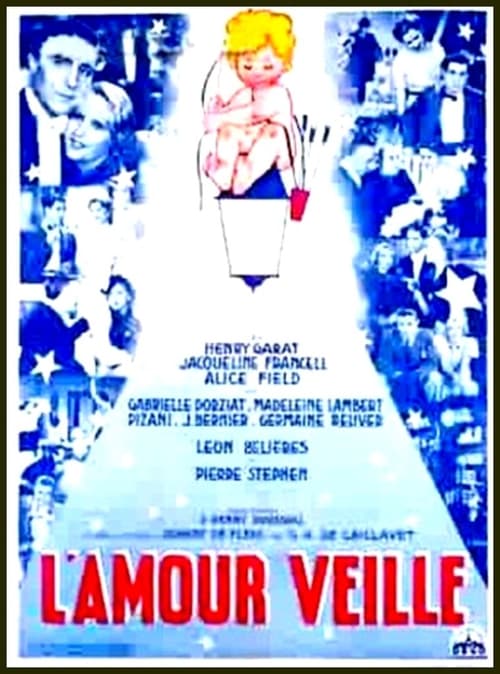
Believing that her husband is cheating on her, Jacqueline decides to take revenge and goes to find Ernest, a chilled sigh. But in her bachelor apartment, she cannot decide to push her revenge to the end.
L'amour veille
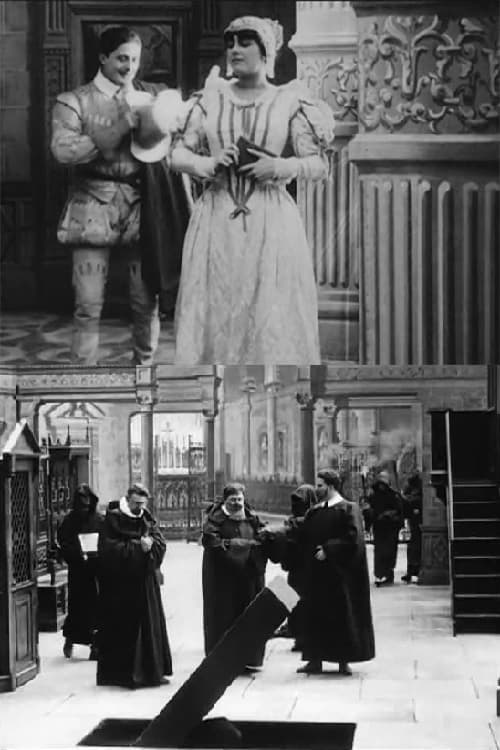
Based on the novel by Alexandre Dumas.
The Lady of Monsoreau
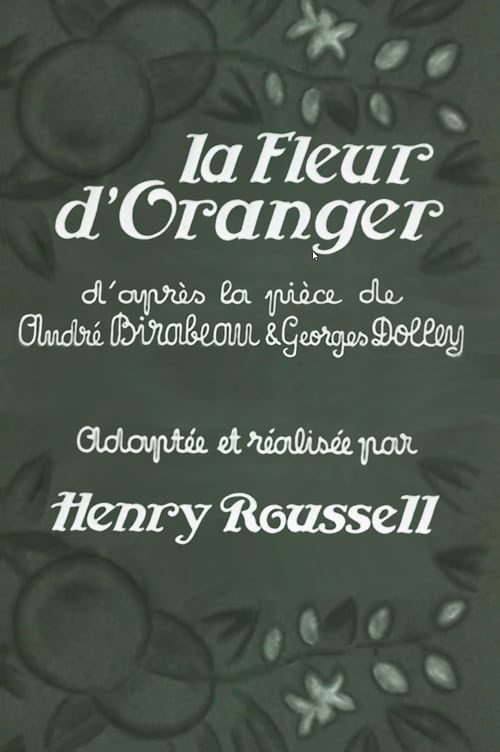
Not content to be an austere judge, M. de Méricourt is also a domestic tyrant. He terrorizes his son René to such an extent that the young man has dared not confess to him that he has married. As can be guessed, a lot of confusion ensues.
Orange Blossom
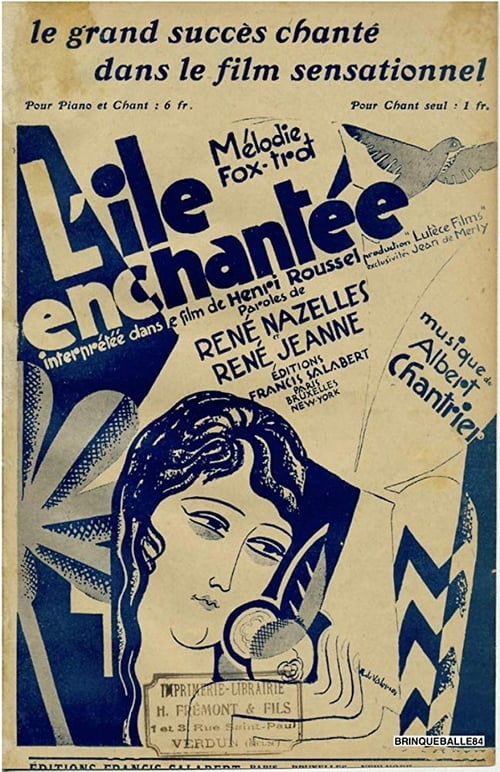
The story takes place in Corsica, where a young business woman (Jacqueline Forzane) tries to construct an electric system for her steel plant. But this project is not welcomed by everyone...
L'Ile enchantée
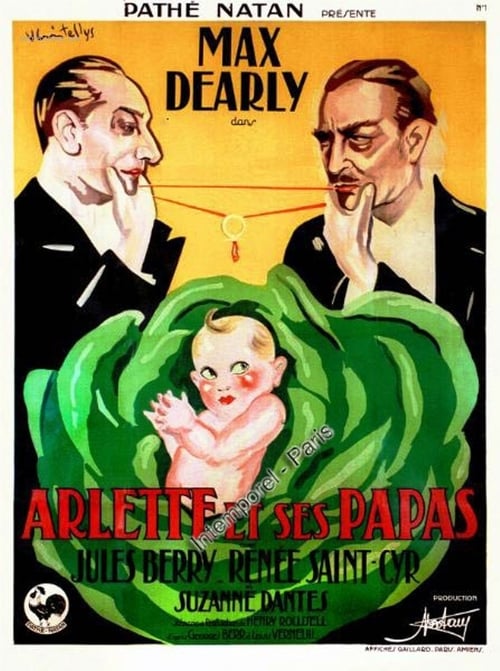
Arlette was born in 1918. Her mother made her lover and godchild named Pierre believe that he was the father of this child. Having become a beautiful young woman, Arlette falls under Pierre's spell and he offers to marry her to get her out of poverty.