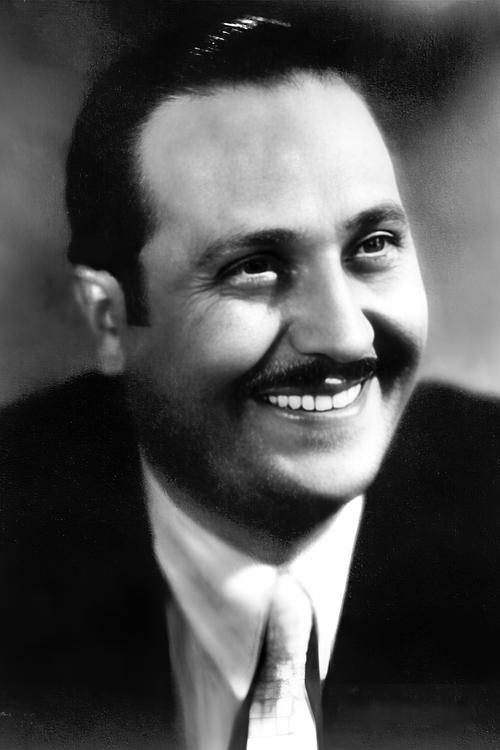
Carlo Romano
Acting
Known For
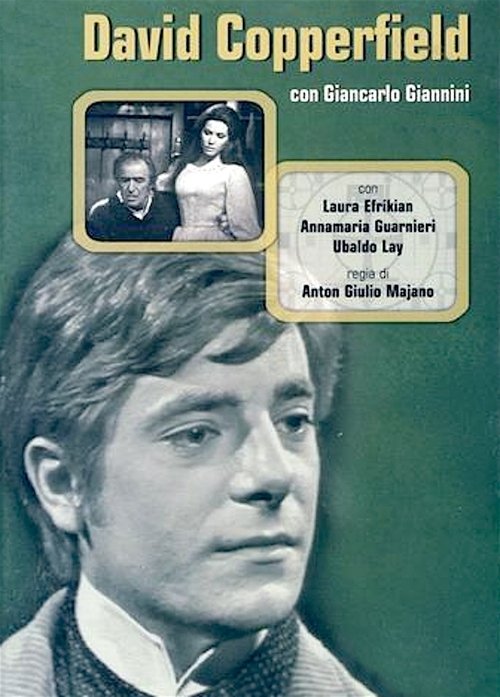
A young man journeys from a difficult childhood to maturity, exploring social injustice, personal development, and the complexities of human relationships.
David Copperfield
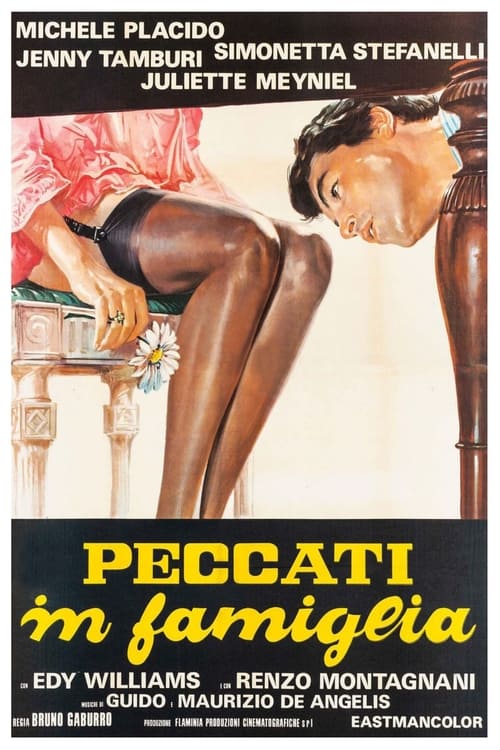
The industrialist Carlo arrives at his villa in the Piacenza area to spend his holidays with his wife Piera and his daughter Francesca. They will soon be joined by their nephew Milo who will woo and seduce all the women of villa including the busty cook Doris lover of uncle Carlo.
Scandal in the Family
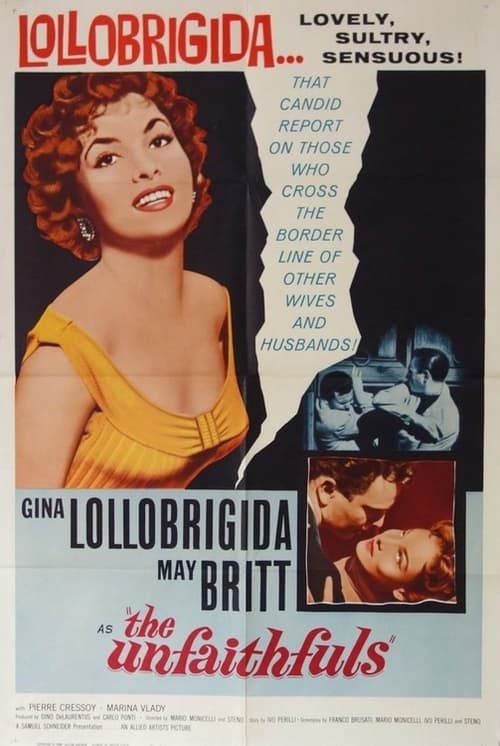
A group of "respectable" people are all partly responsible for the suicide of a servant girl. They are pounced upon by a wily blackmailer, who knows that these people will pay dearly rather than inform on themselves or others.
The Unfaithfuls
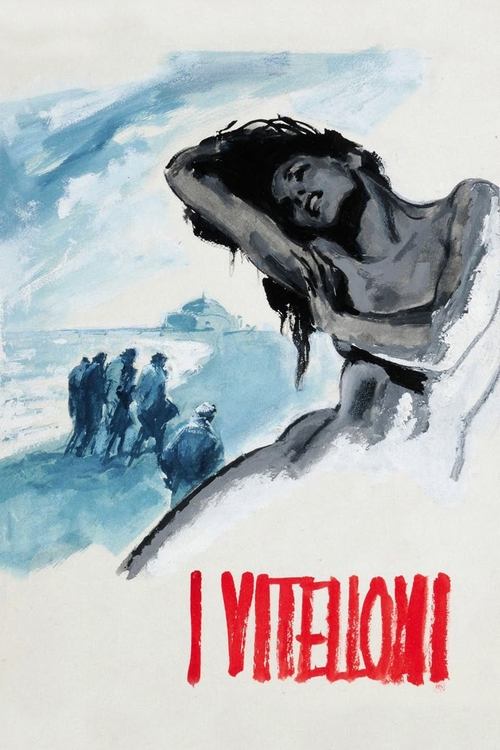
Five young men dream of success as they drift lazily through life in a small Italian village. Fausto, the group's leader, is a womanizer; Riccardo craves fame; Alberto is a hopeless dreamer; Moraldo fantasizes about life in the city; and Leopoldo is an aspiring playwright. As Fausto chases a string of women, to the horror of his pregnant wife, the other four blunder their way from one uneventful experience to the next.
I Vitelloni
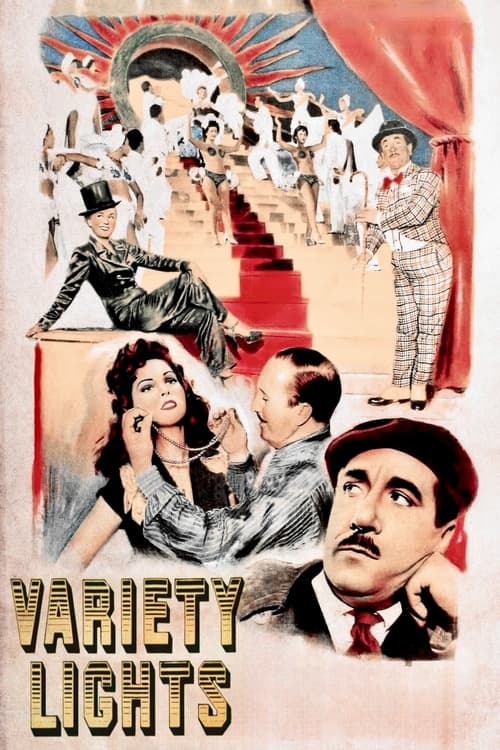
In Italy, Checco Dal Monte manages a troupe of traveling performers with plenty of heart but minimal talent. At a small town engagement, he encounters the starry-eyed, gorgeous Lily Antonelli, and hires her as a dancer on the show. Vivacious Lily quickly sells out crowds and earns the resentment of Checco's mistress, Melina Amour, but the fledgling performer has far bigger ambitions and soon sets her sights on a higher-profile role.
Variety Lights
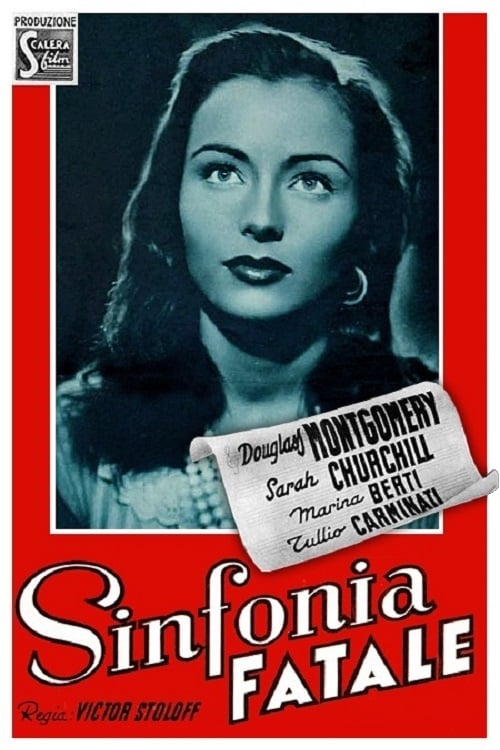
An American composer moves to Italy and falls for a local country girl right before the start of World War II.
Sinfonia fatale
Movie adaptation of the Leoncavalo's famous opera. A troupe of traveling actors is being welcomed by villagers in Calabria in the summer of 1866.
Laugh Pagliacci
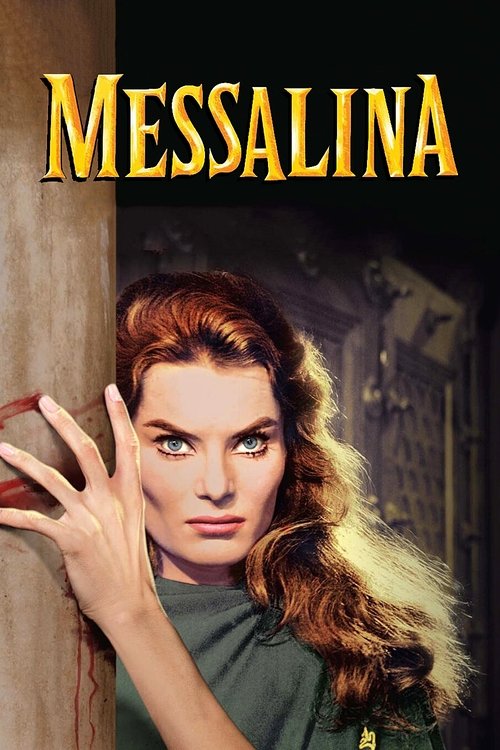
Messalina was the Roman noblewoman who inveigled ageing emperor Claudio into marriage. Once ensconced on the throne, Messalina launched a reign of terror that shook the empire to its very foundations. The subject of countless film treatments, Rome's most villified empress is herein played by British actress Belinda Lee.
Messalina
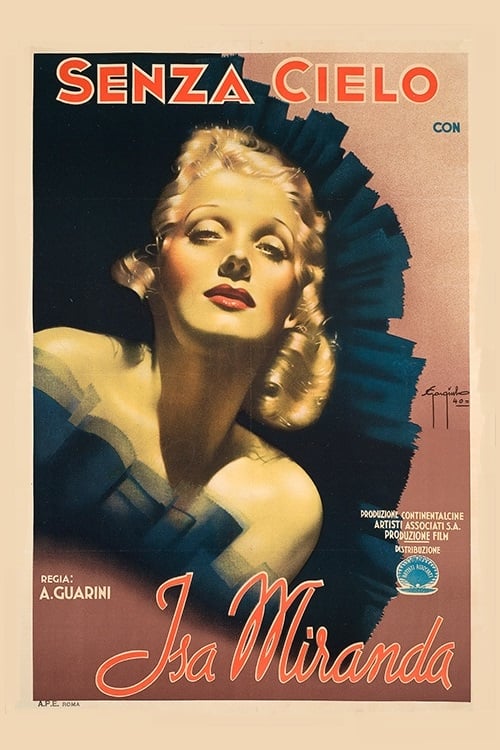
No description available.
Senza cielo
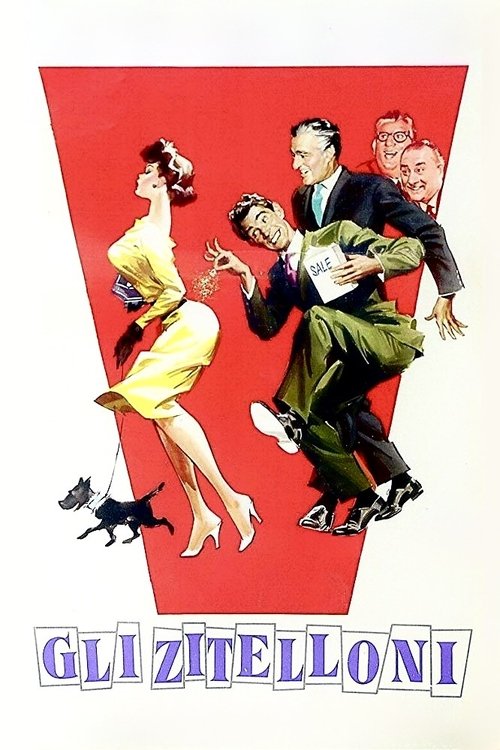
Marcello is engaged to Gina, the daughter of the boarding house where he lives, but he is undecided whether to marry her or not.
The Inveterate Bachelor
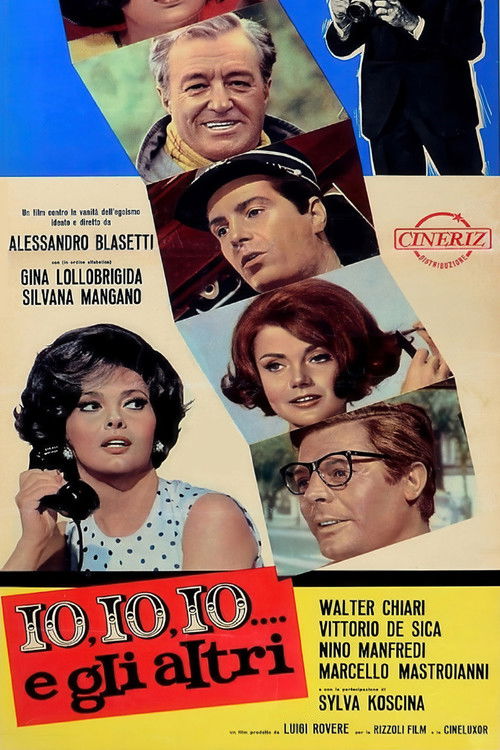
Sandro is a well-known journalist and he is conducting a survey on human selfishness. Every man and every woman he meets turns into a theme for his inquiry. Even his own wife, Titta.
Me, Me, Me... and the Others
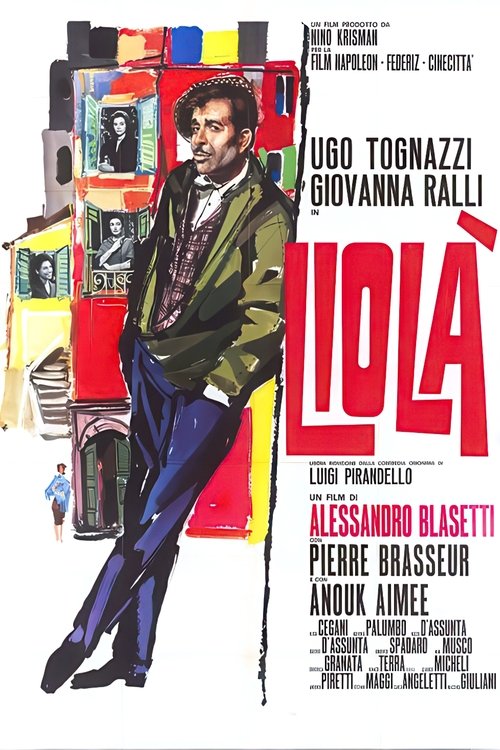
In late 19th century Sicily, handsome free-spirit Liolà wanders into town, where he encounters an old flame now married to a wealthy landowner.
A Very Handy Man
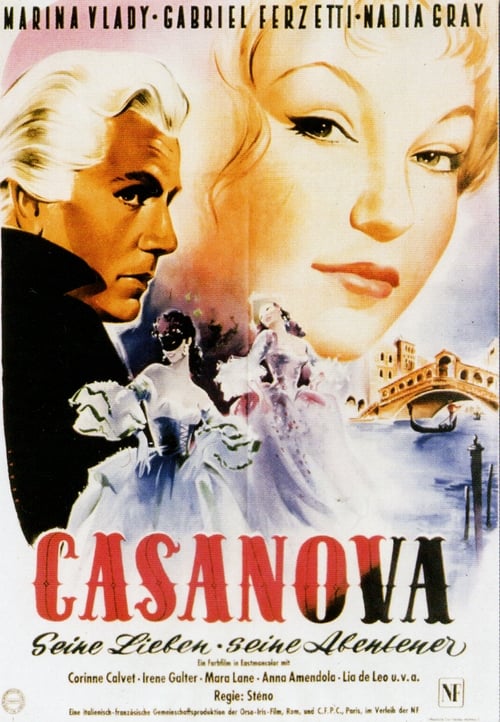
1760 Spain provides the setting for Giacomo Casanova's romantic escapades, every woman he encounters unable to resist his disarming charm, be they single, engaged, or even married.
Sins of Casanova
No description available.
Arriviamo noi!
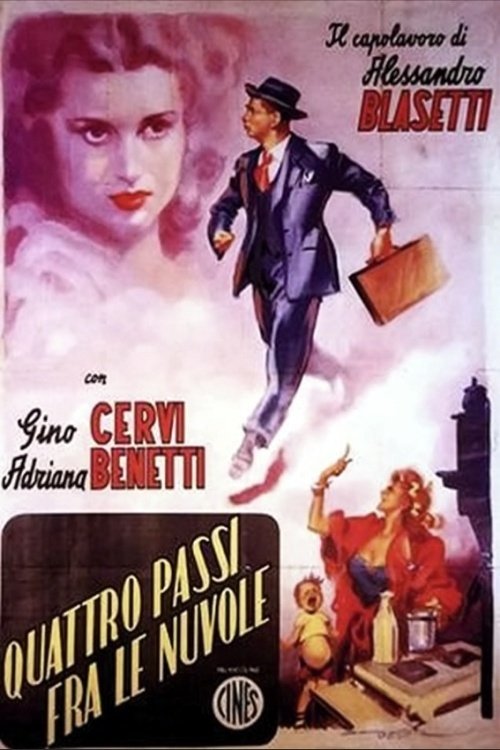
Travelling family man Paolo agrees to pose as husband to an unwed pregnant girl he meets on a train. However, once faced with her father, things do not go as planned.
Four Steps in the Clouds
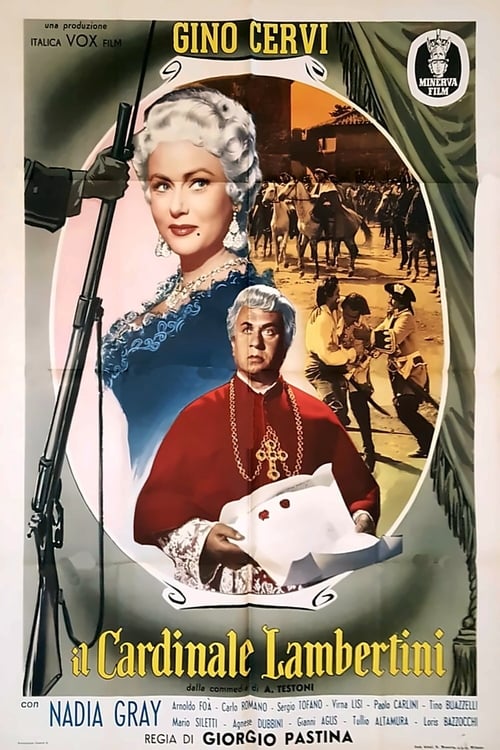
Papal aspirant "Cardinal Lamberti" has to tread a fine line between the powerful Duke of Montimar and doing the right thing by a young couple in love in late 1730s Bologna.
Il cardinale Lambertini
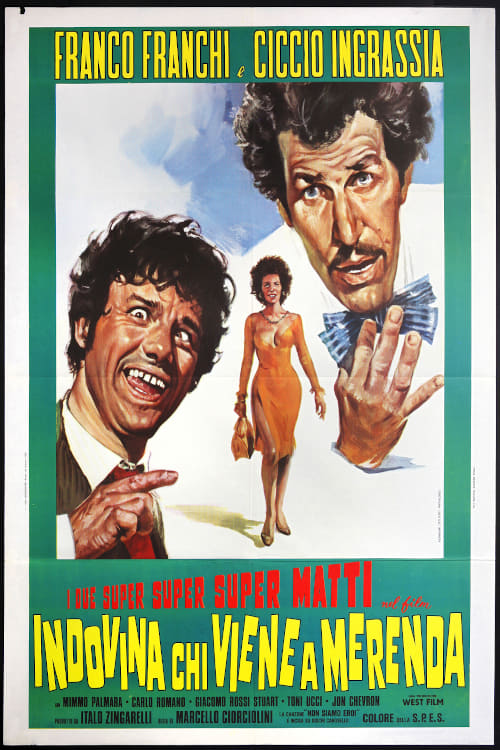
Sicily 1943 to avoid war, Franco and Ciccio are hiding in the mountains. Two American paratroopers steal their clothes leaving him in exchange uniforms, so our "heroes" are captured by the Germans and deported to Germany. Evade, take refuge on a farm and will be involved in mishaps chain. After the war, they thought dead, are safe and sound, up there in Germany.
Guess Who's Coming for a Snack?
No description available.
Il capitano degli ussari
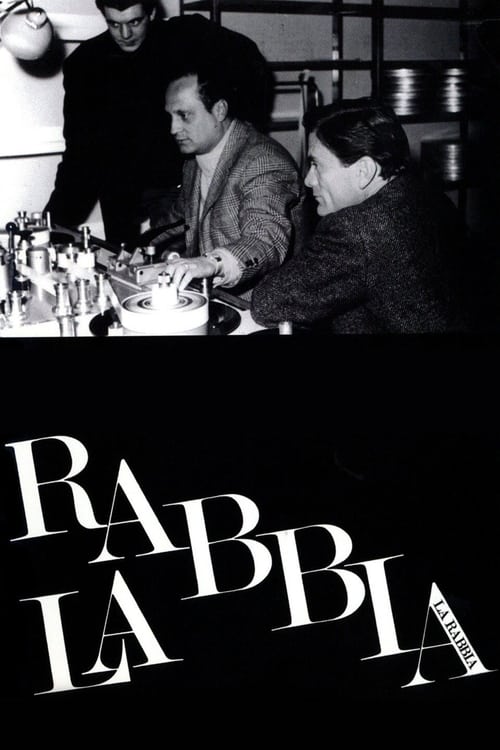
Documentary footage (from the 1950s) and accompanying commentary to attempt to answer the existential question, Why are our lives characterized by discontent, anguish, and fear? The film is in two completely separate parts, and the directors of these respective sections, left-wing Pier Paolo Pasolini and conservative Giovanni Guareschi, offer the viewer contrasting analyses of and prescriptions for modern society. Part I, by Pasolini, is a denunciation of the offenses of Western culture, particularly those against colonized Africa. It is at the same time a chronicle of the liberation and independence of the former African colonies, portraying these peoples as the new protagonists of the world stage, holding up Marxism as their "salvation", and suggesting that their "innocent ferocity" will be the new religion of the era. Guareschi's part, by contrast, constitutes a defense of Western civilization and a word of hope, couched in traditional Christian terms, for man's future.
La Rabbia
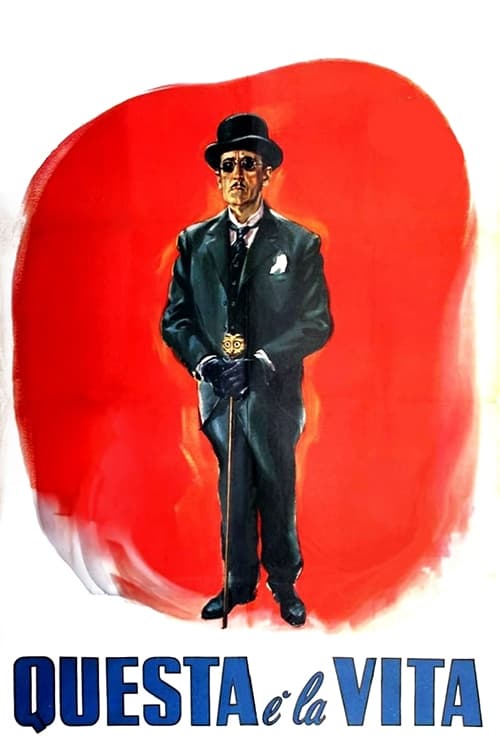
A film made up of four episodes: a jar repairer gets trapped in a vat because of his hunch; a young unmarried mother is forced to beg to buy herself a fan; Rosario Chiarchiaro appears before a law court for casting spells; the discomfort of an overtight jacket gives a wedding witness the strength to persuade the bridegroom's reluctant parents to bless his union.