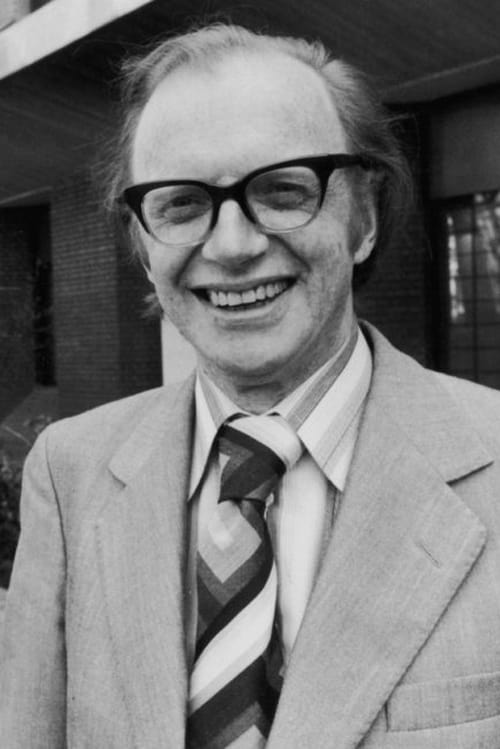
Dennis Potter
Writing
Biography
Dennis Christopher George Potter (17 May 1935 – 7 June 1994) was an English television dramatist, screenwriter and journalist. He is best known for his BBC TV serials Pennies from Heaven (1978), The Singing Detective (1986), and the television plays Blue Remembered Hills (1979) and Brimstone and Treacle (1976). His television dramas mixed fantasy and reality, the personal and the social, and often used themes and images from popular culture. Potter is widely regarded as one of the most influential and innovative dramatists to have worked in British television. Born in Gloucestershire and graduating from Oxford University, Potter initially worked in journalism. After standing for parliament as a Labour candidate at the 1964 general election, his health was affected by the onset of psoriatic arthropathy which necessitated Potter changing careers and led to him becoming a television dramatist. His new career began with contributions to the BBC's Wednesday Play anthology series in 1965, and he continued to work in the medium for the rest of his life. He also wrote screenplay adaptations for the Hollywood studios. He died of pancreatic cancer in 1994.
Known For

Play for Today is a British television anthology drama series, produced by the BBC and transmitted on BBC1 from 1970 to 1984. During the run, more than three hundred programmes, featuring original television plays, and adaptations of stage plays and novels, were transmitted. The individual episodes were between fifty and a hundred minutes in duration.
Play for Today

An anthology series of television plays which aired on BBC1 from October 1964 to May 1970. The plays were usually written for television, although adaptations from other sources also featured.
The Wednesday Play

ITV Playhouse is a British comedy-drama TV series that ran from 1967 to 1983, which featured contributions from playwrights such as Dennis Potter, Rhys Adrian and Alan Sharp. The series began in black and white, but was later shot in colour and was produced by various companies for the ITV network, a format that would inspire Dramarama. Actors appearing in the series included Leslie Anderson, Gwen Nelson, Ricky Alleyne, Pat Heywood, Michael Elphick, Ian Hendry, Edward Woodward, Margaret Lockwood, Jessie Matthews and Lloyd Peters.
ITV Playhouse

Series of single made-for-television dramas.
Screen Two

Anthology series of dramatic works.
ITV Saturday Night Theatre

An anthology series of various plays and dramatic performances.
Performance

An anthology of short plays shown on BBC Television between 1965 and 1973, used in part at least as a training ground for new writers, on account of its short length, and which therefore attracted many writers who later became well known.
Thirty-Minute Theatre

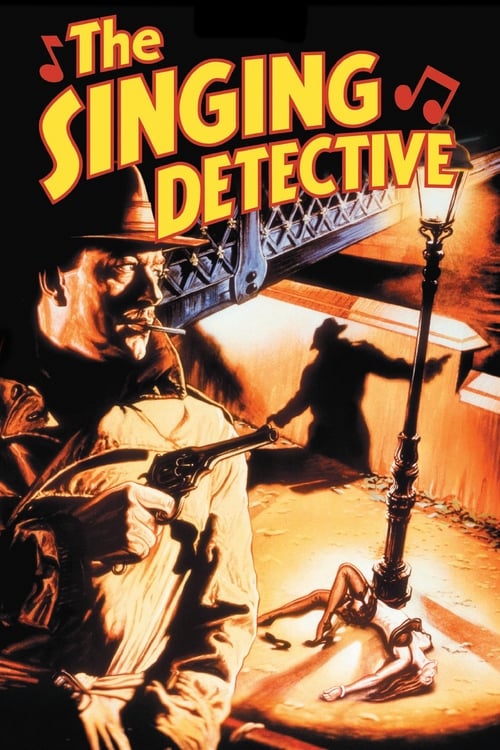
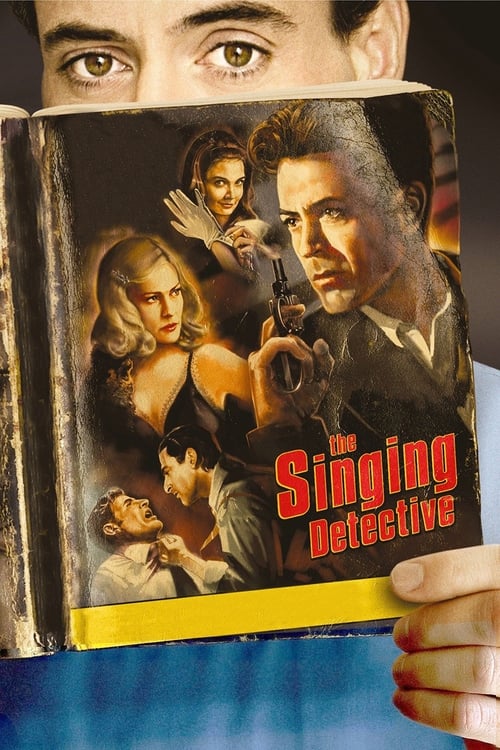
Tormented and bedridden by a debilitating disease, a mystery writer relives his detective stories through his imagination and hallucinations.
The Singing Detective

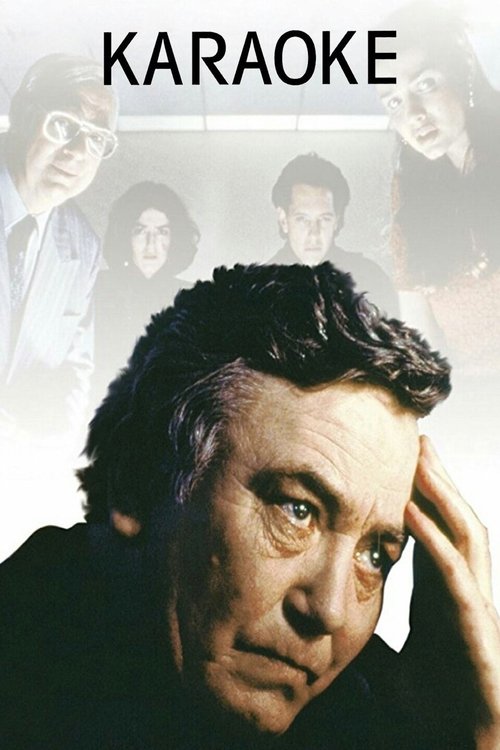
Screenwriter Daniel Feeld experiences bizarre coincidences as his screenplay—about a karaoke bar, an employee named Sandra, and her murder by Arthur 'Pig' Mallion—seems to mirror reality, with a karaoke bar, an employee named Sandra, and a shady owner named Mallion.
Karaoke

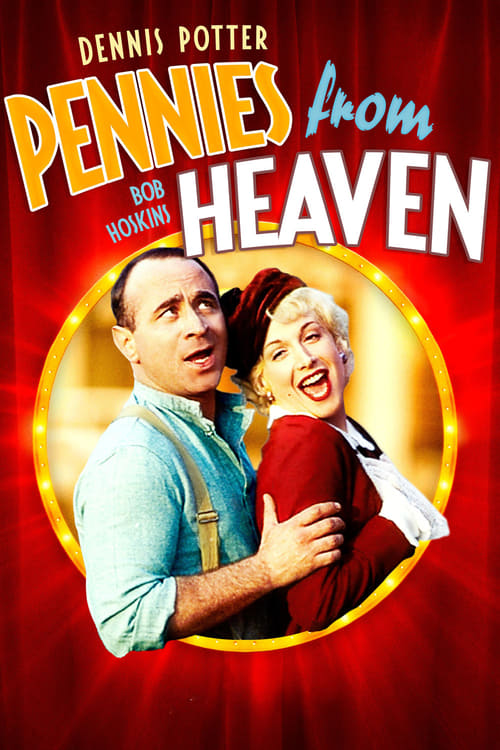
Pennies From Heaven is a 1978 BBC television drama serial written by Dennis Potter. The title is taken from a song of the same name written by Johnny Burke and Arthur Johnston. It was one of several Potter serials to mix the reality of the drama with a dark fantasy content, and the earliest of his works where the characters burst into miming to popular 1930s songs. During the Great Depression, a sheet music salesman seeks to escape his dreary life through popular music and a love affair with an innocent schoolteacher.
Pennies from Heaven

That Was the Week That Was, informally TWTWTW or TW3, is a satirical television comedy programme on BBC Television in 1962 and 1963. It was devised, produced and directed by Ned Sherrin and presented by David Frost. An American version by the same name aired on NBC from 1964 to 1965, also featuring Frost. The programme is considered a significant element of the satire boom in the United Kingdom in the early 1960s. It broke ground in comedy through lampooning the establishment and political figures. Its broadcast coincided with coverage of the politically charged Profumo affair and John Profumo, the politician at the centre of the affair, became a target for derision. TW3 was first broadcast on Saturday 24 November 1962.
That Was The Week That Was

In the French Riviera of the 1920s, wealthy expatriate Nicole Warren's mental illness strains her marriage to psychiatrist Dick Diver. A young American actress named Rosemary Hoyt arrives and is drawn into their circle, becoming romantically involved with the older Dick and disrupting the fragile balance of the group. The thought of Dick possibly being attracted to another sends Nicole on an emotional downward spiral that threatens to consume them all. Tender Is the Night is a 1985 television drama miniseries co-produced by Showtime, 20th Century Fox Television, BBC, and 7 Network. Based on F. Scott Fitzgerald's 1934 novel of the same name, the six-part series focuses on themes of love, ambition, mental illness, and the decline of the American Dream.
Tender Is the Night

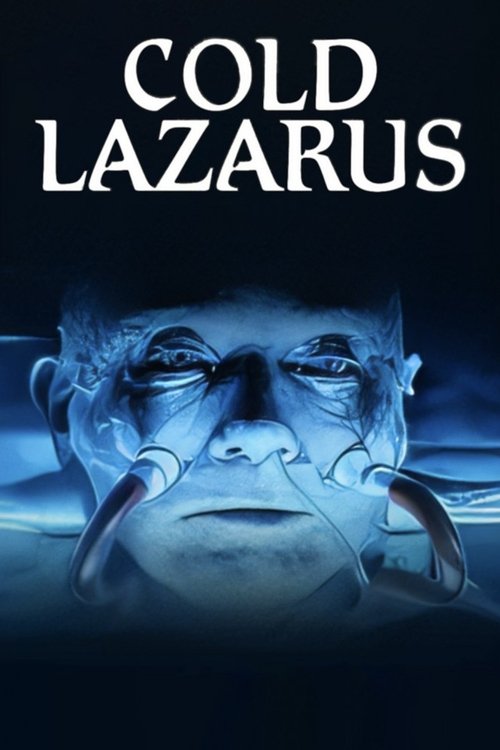
Cold Lazarus is a four-part British television drama written by Dennis Potter with the knowledge that he was dying of pancreatic cancer. Forming the second half of a pair with the television serial Karaoke, it is Potter's sole science fiction work. In a bleak, synthetic 24th-century dystopian Britain, scientists work on reviving the mind of 20th-century writer Daniel Feeld, whose head was frozen after Feeld's death shortly after the events of 'Karaoke'. Progress has not been made, so discontinuation is considered, but media mogul David Siltz, who has been spying on the project, envisages a fortune from broadcasting Feeld's memories on TV.
Cold Lazarus

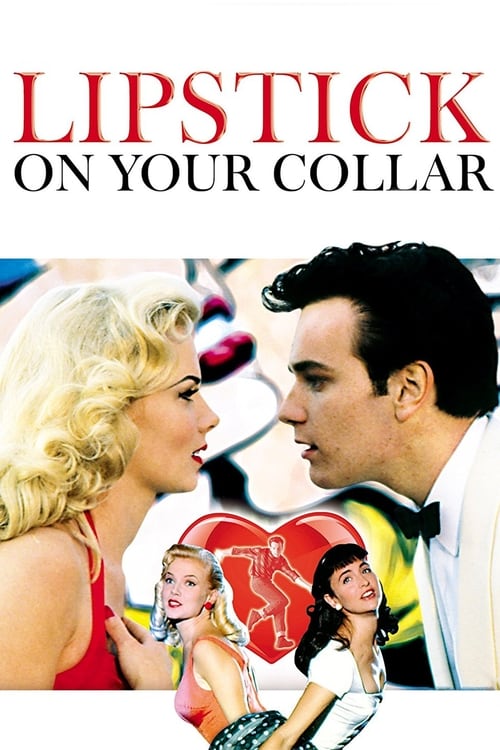
During the Suez Crisis of 1956, two young clerks at the stuffy Foreign Office in Whitehall display little interest in the decline of the British Empire. To their eyes, it can hardly compete with girls, rock music, and the intrigue of romantic entanglements.
Lipstick on Your Collar

The Company of Five is a 1968 British anthology drama series produced by London Weekend Television for ITV, featuring a repertory cast of five actors—John Neville, Gwen Watford, Ann Bell, Cyril Luckham, and Ray Smith—who appear in different roles each week.
The Company of Five

Blackeyes is a four-part BBC television miniseries written and directed by Dennis Potter, based on his novel of the same name. The complex, surreal drama follows novelist Maurice James Kingsley, who bases a successful book on his niece Jessica's modeling career, angering her as he turns her experiences into a story of a victimised woman named Blackeyes. Jessica in turn rewrites the novel to liberate the character.
Blackeyes

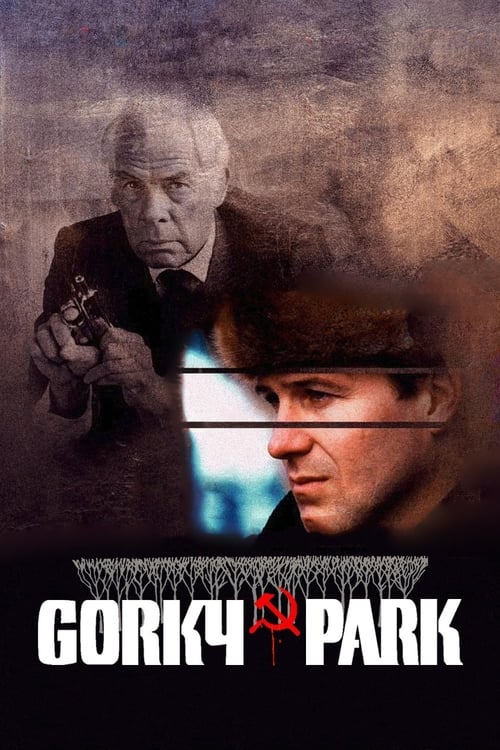
Police Inspector Renko tries to solve the case of three bodies found in Moscow's Gorky Park but finds his attempts to solve the crime impeded by his superiors. Working on his own, Renko seeks out more information and stumbles across a conspiracy involving the highest levels of the government.
Gorky Park
Not So Much a Programme, More a Way of Life is a BBC-TV satire programme produced by Ned Sherrin, which aired during the winter of 1964–1965, in an attempt to continue and improve on the successful formula of his That Was The Week That Was, which had been taken off by the BBC because of the coming General Election. It too featured David Frost as compère, with two others, William Rushton and the poet P. J. Kavanagh joining him in the role. In addition to Saturdays, there were also editions on Fridays and Sundays. It saw the first appearances on television of John Bird, Eleanor Bron, Roy Hudd, Patrick Campbell and John Fortune. Michael Crawford also featured as 'Byron'. Whereas TWTWTW had had a dark nightclub atmosphere, the new programme used predominantly white sets. The programme lacked the impact of TW3 and lasted only one season before being replaced by the Robert Robinson-fronted BBC-3.
Not So Much a Programme, More a Way of Life

An anthology series of BBC television dramas on sexual themes. The same cast are featured in each production.
The Sextet

An anthology series based on the Wessex Tales, a collection of short stories by novelist Thomas Hardy.