Writing
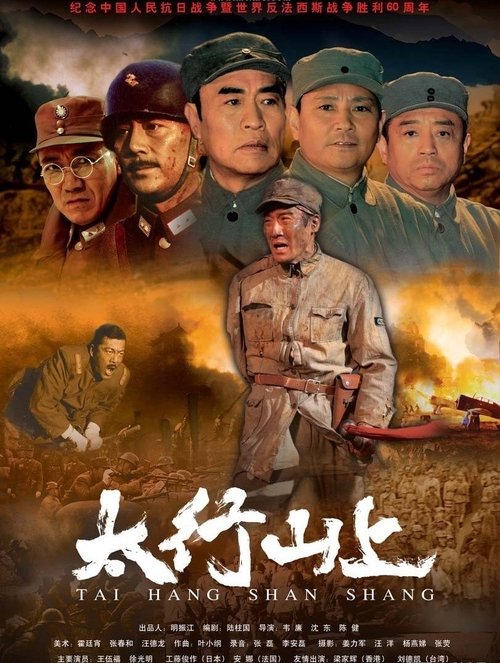
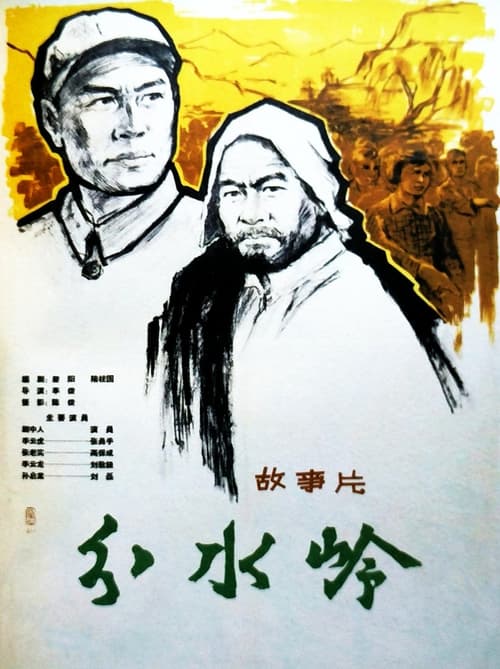
During the Sino-Japanese War, Commander-in-Chief Zhu De leads the Eighth Route Army in pivotal battles against the Japanese invaders.
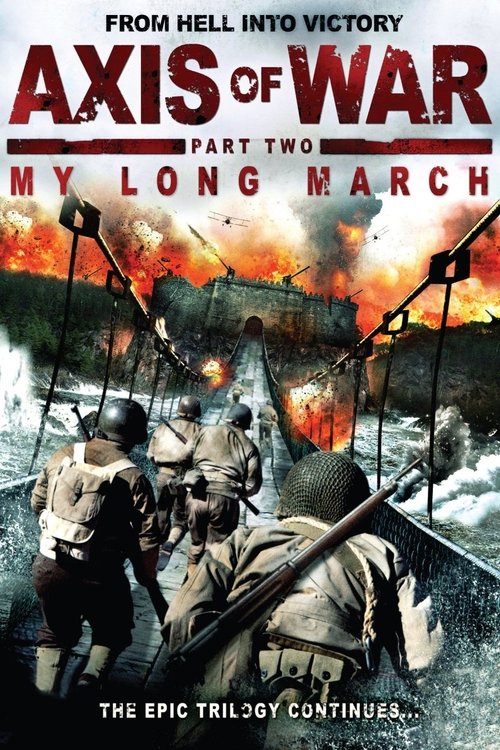
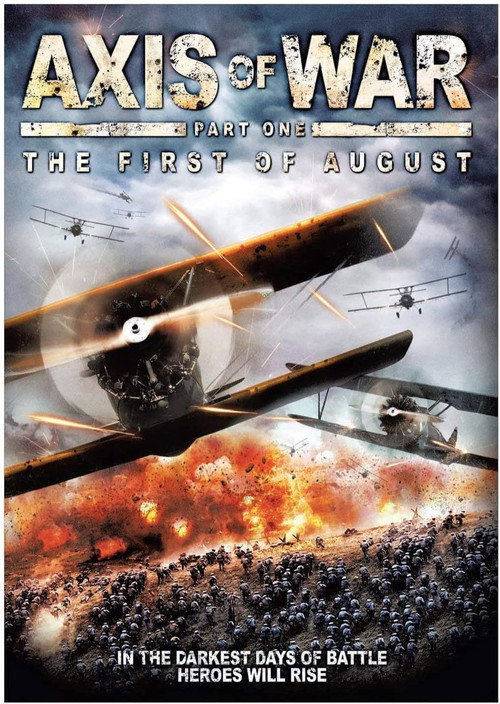
MY LONG MARCH is the second part in the thrilling AXIS OF WAR saga, set set during the Nanchang uprising of the Chinese Civil War in 1927.
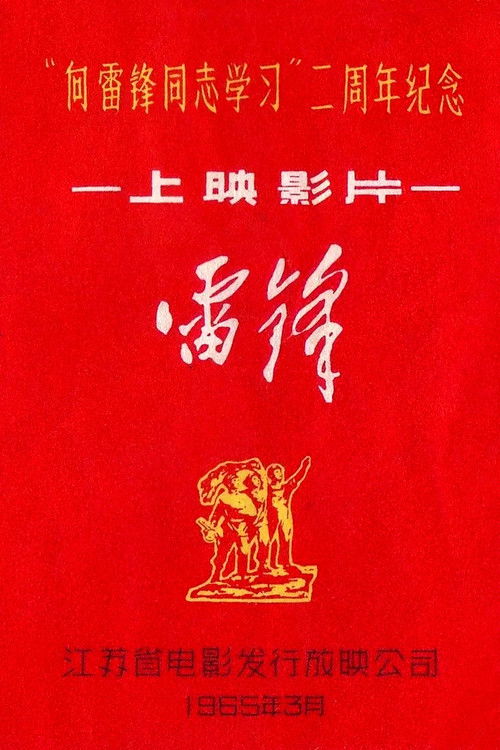
Lei Feng (December 18, 1940 – August 15, 1962) was a soldier of the People's Liberation Army in the People's Republic of China. After his death, Lei was characterised as a selfless and modest person who was devoted to the Communist Party, Chairman Mao Zedong, and the people of China. In the posthumous "Learn from Comrade Lei Feng" campaign, initiated by Mao in 1963, Lei became the symbol of nationwide propaganda; the youth of the country were encouraged to follow his example. After Mao's death, Lei Feng remained a cultural icon symbolizing selflessness, modesty, and dedication; his name entered daily speech and his imagery appeared on t-shirts and memorabilia.
No description available.
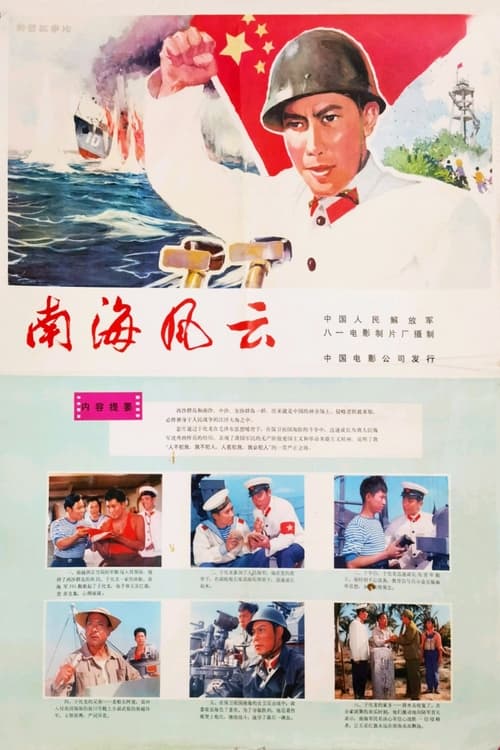
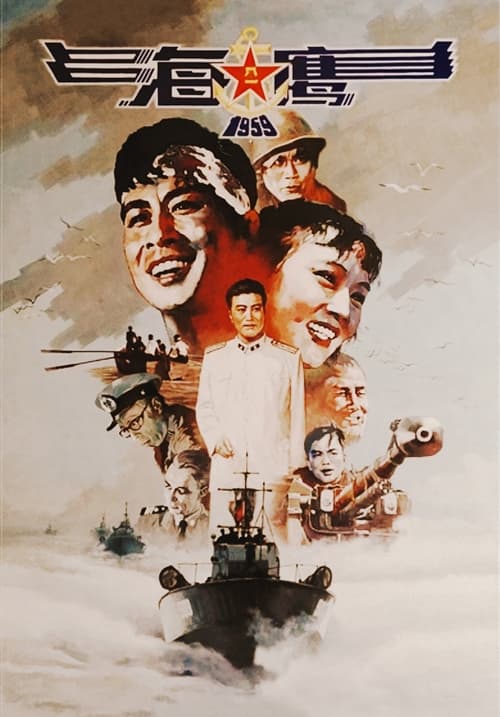
Dramatic representation of the Battle of the Paracel Islands (1974) between the China and South Vietnam.
The year is 1927 and the Alliance moves triumphantly from victory to victory in an epic and bloody civil war campaign against the uprisings of brutal warlords and feudal barons that has left the country on the brink of total collapse. With the nation's fate hanging in the balance, a rebel revolt in the stronghold city of Nanchang threatens to give the insurgents the upper hand and as the first day of August dawns the Alliance, led by some of the bravest soldiers and greatest tacticians the world has ever seen, face their deadliest and most monumental battle yet.
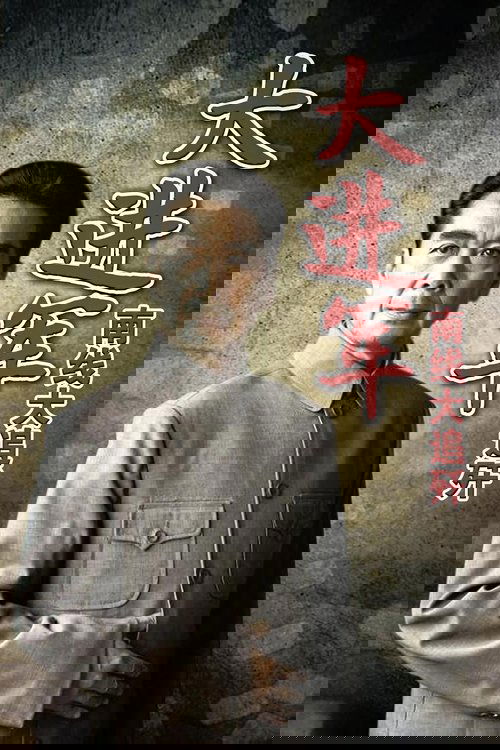
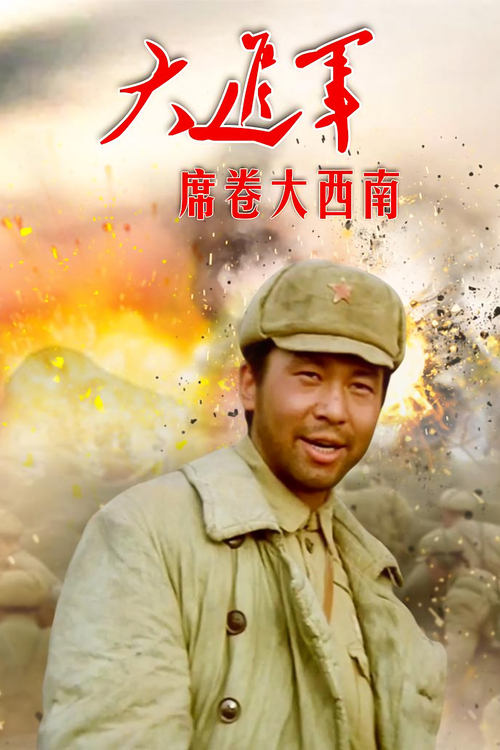
In the later stage of the Liberation War, with the victory of the three major battles over, the Central Committee of the Communist Party of China and Chairman Mao Zedong made strategic decisions, ordering Liu Bocheng (played by Fu Xuecheng) and Deng Xiaoping (played by Lu Qi) to lead a group of the Second Field and Fourth Field to advance towards Hunan, Hubei, Guizhou, and Sichuan, and annihilate the remaining enemies in the southwest. On his way south, Deng Xiaoping asked railway experts he met about the construction of the Chengdu Chongqing Railway and gave political education classes to the troops heading south in a timely manner, implementing Chairman Mao's great teachings of "carrying out the revolution to the end"...