
Ahmed Rachedi
Directing
Biography
Ahmed Rachedi (Arabic: أحمد راشدي), born in 1938 in Tébessa, is an Algerian filmmaker, screenwriter, producer and ministerial advisor. The war of independence is his school: Ahmed Rachedi belongs, with René Vautier and Mohamed Chanderli, to the first cinematographic unit of the FLN. He went to Tunis where his work focused on reporting, editing, as well as short films (he made several after independence). He participates in collective films and directs some of them. In 1962 he was one of the founding members, with the same René Vautier, of the CAV audiovisual center. He became known with "The Dawn of the Damned" (1965) and "The Opium and the Stick" (1971), adapted from the eponymous novel published in 1965 by Mouloud Mammeri, and presented at the directors' fortnight at the Cannes Film Festival. . In France, based on a screenplay by Rachid Boudjedra, he directed a story about emigrant workers, Le Doigt dans l'entreprises. In 1970, while he directed the National Office for Commerce and the Cinematographic Industry (ONCIC) from its creation and until 1971, he took part in the production of the famous film "Z" by director Costa Gavras which won the Oscar for best foreign language film for Algeria. Ahmed Rachedi becomes an independent producer. In 1986 he filmed a political comedy, Le Moulin de monsieur Fabre, a film starring Jacques Dufilho. In 1990, he adapted Amin Maalouf's novel Léon l'Africain for cinema and television. In 1993, his TV film C'tait La Guerre, co-directed with Maurice Falevic, won the FIPA d'or prize. Since 2009 he has devoted himself completely to historical films by directing several biopics dedicated to the life and journey of figures from the war of national liberation. He released the feature film "Mostefa Ben Boulaïd" in 2009 which will be followed in 2015 by "Krim Belkacem", a historical film on the journey of this figure of the revolution, and "Lotfi", dedicated to the journey of Colonel Lotfi. In 2018 he released his latest film "Les Sept Remparts De La Citadelle", adapted from the eponymous novel written by Mohamed Maarfia. In 2021, Ahmed Rachedi was appointed to the position of Advisor to the President of the Algerian Republic, responsible for culture and audiovisual.
Known For
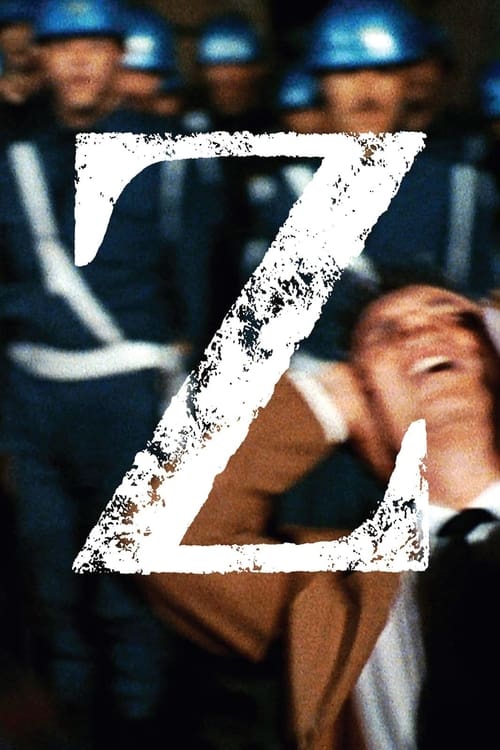
A prominent politician is murdered during a demonstration. The government and army are trying to suppress the truth, but a tenacious magistrate is determined to not to let them get away with it.
Z
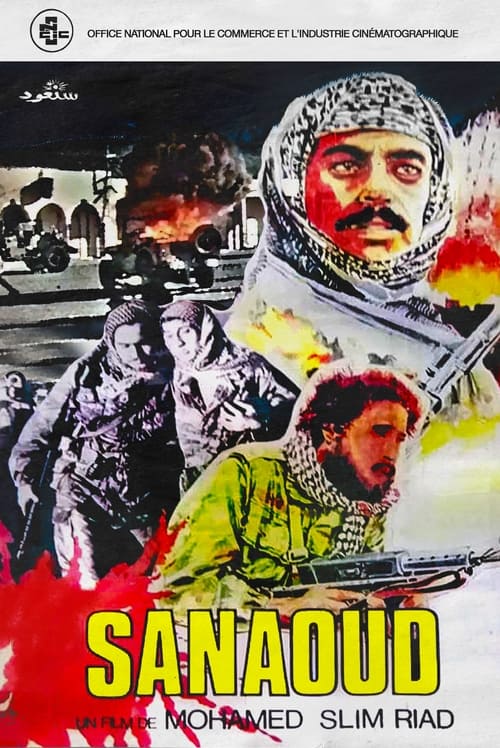
The story of a young Palestinian who left his refugee camp to become a resistance fighter in the Palestine Liberation Organization.
We Will Return
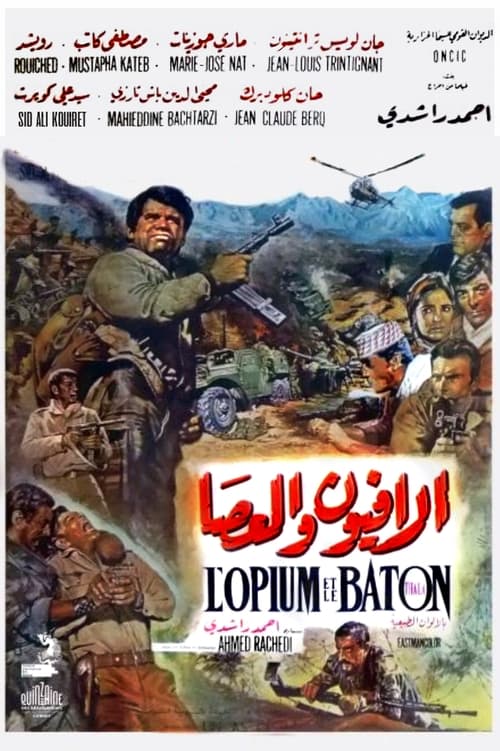
In 1950, in Algeria, in a village in Kabylia, Algerian resistance fighters resisted the French occupation army. Bachir returns to the village to escape the clashes ravaging Algiers. In Thala, he has two brothers, Ali and Belaïd. The first is engaged with the ALN (The National Liberation Army) and fights against the colonizer. His second brother, Belaïd, the eldest, is convinced of a French Algeria. His family torn apart, Bachir decides to join the war and takes sides against the repression of the French army. The French army is trying in vain to turn the population against the insurgents by using disinformation. The more time passes, the more the inhabitants of the village and surrounding areas, oppressed, rally to the cause of the FLN, their houses and their fields will be burned... Adaptation to the cinema of the eponymous novel Opium and the Stick, published in 1965, by Mouloud Mammeri, the film was dubbed into Tamazight (Berber), a first for Algerian cinema.
Opium and the Stick
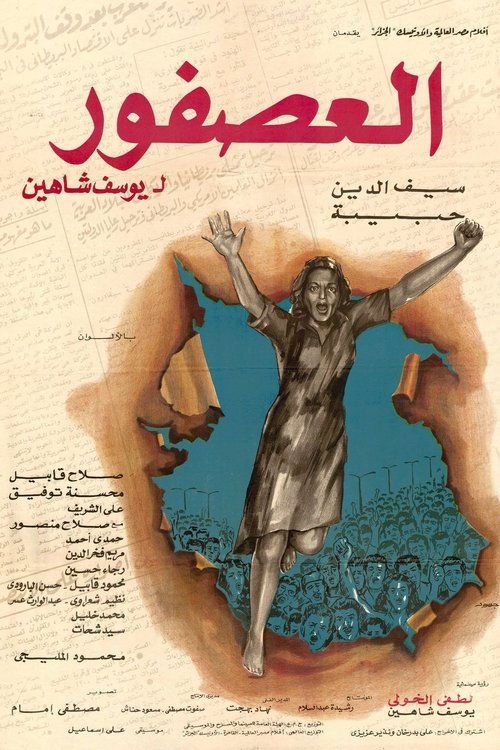
Set shortly before and during the Six Day War in June of 1967, The Sparrow follows a young police officer stationed in a small village in Upper Egypt whose inhabitants suffer from the harassment of a corrupt businessman.
The Sparrow
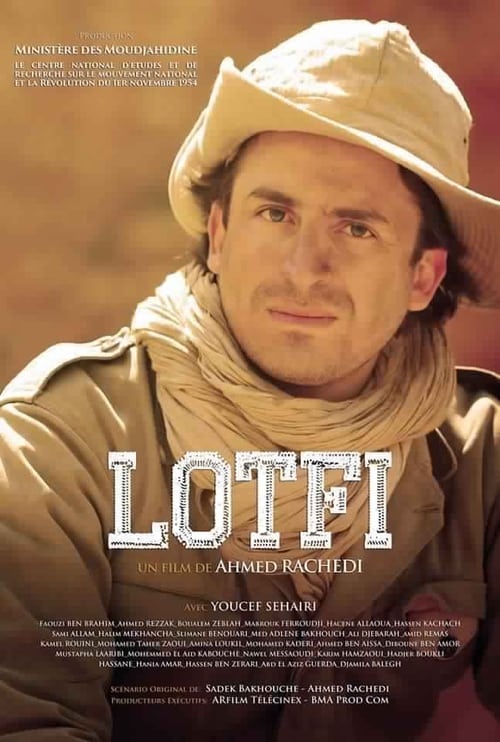
The film relates the career of Colonel Lotfi, whose real name is Benali Boudghene, since his beginnings as an activist in Tlemcen where, with his classmates from high school, he posted the call of 1 November 1954, addressed by National Liberation Front (FLN) to the Algerian people.
Lotfi
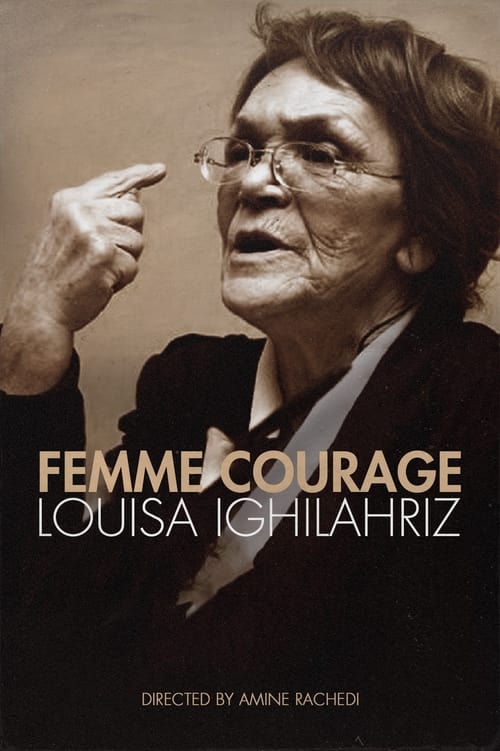
The autobiographical account of the tormented life of a witness of the century: Louisa Ighilahriz, activist and leading figure in Algerian independence. A student, she joined the independence struggle at the age of 20, joining the ranks of the FLN on the eve of the Battle of Algiers in late 1956 under the name Lila. She took part in the high school students' strike, then fled into the maquis when she was actively sought after. She was part of the French FLN support network of "suitcase carriers" during the Battle of Algiers. Seriously wounded alongside her network leader, Saïd Bakel, during an ambush in 1957, hospitalized and then imprisoned, she suffered numerous tortures in French prisons. She will be saved from certain death by an anonymous person, she will seek, for forty years, to find him just to show him her gratitude... Emblematic of the painful Franco-Algerian history, Louisa's story is poignant and imbued with humanism.
Woman of Courage - Louisa Ighilahriz
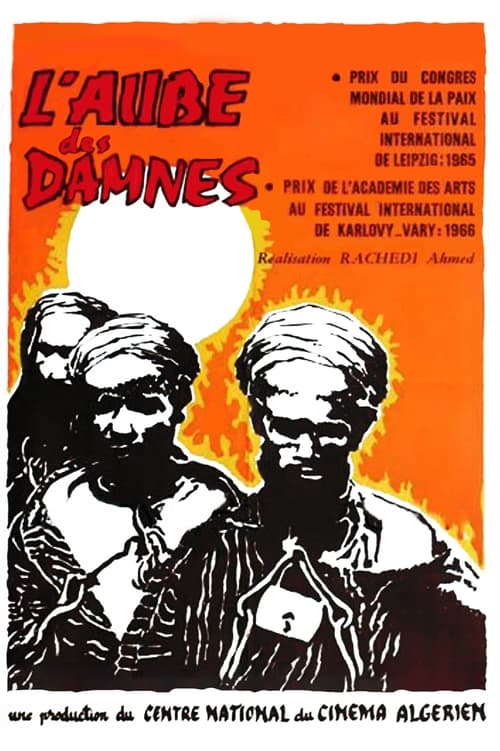
This excellent feature-length documentary - the story of the imperialist colonization of Africa - is a film about death. Its most shocking sequences derive from the captured French film archives in Algeria containing - unbelievably - masses of French-shot documentary footage of their tortures, massacres and executions of Algerians. The real death of children, passers-by, resistance fighters, one after the other, becomes unbearable. Rather than be blatant propaganda, the film convinces entirely by its visual evidence, constituting an object lesson for revolutionary cinema.
Dawn of the Damned
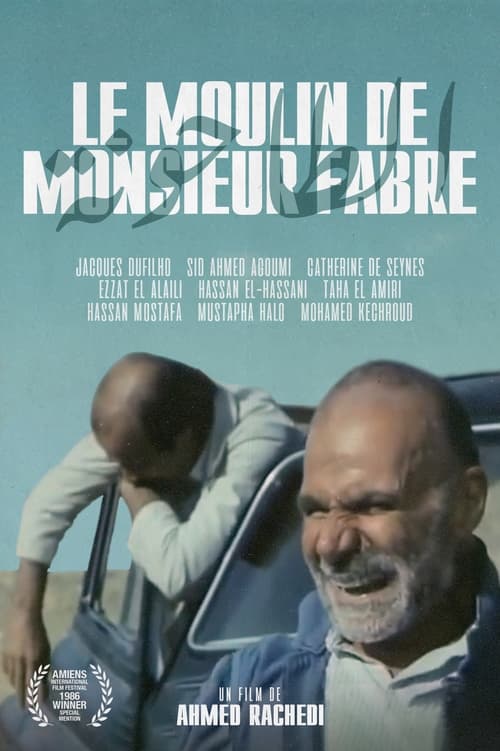
The story of the post-independence nationalization of the mill of Monsieur Fabre, an old man attached to the land of Algeria where he was born. In this small town in eastern Algeria, there was nothing else to nationalize and they were actively preparing for the arrival of high dignitaries who would elevate the mill to the rank of an industrial flour mill even though it was threatened with ruin. The comedy gets worse when the football player from the local team withdraws for love, the officials' visit is canceled and Mr. Fabre returns.
The Mill of M. Fabre
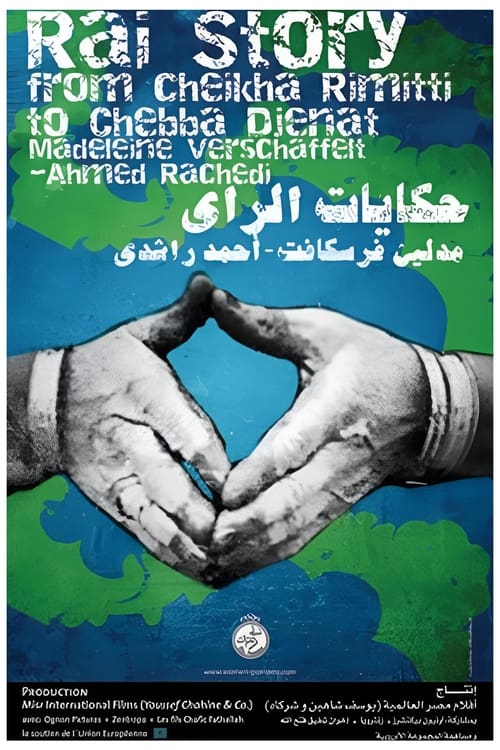
Raï Story is a musical journey in search of the Raï legend, Cheikha Remitti, in Oran, Algeria, where the Raï musical tradition began. In 1923, the first Raï singers performed behind screens during ceremonies to protect their identity. It was only when the music of singer Cheikha Remitti began to gain popularity among the general public that Raï music was made public, in the 1940s. Cheikha Remitti, who lives between Paris and Oran, is nowhere to be found, the filmmakers then decide to meet producers, musicians, singers like Cheba Dalila or Cheba Djenet, for whom Remitti created a wake. The opportunity, through these unique stories, illustrated with archive images, to retrace the important place of women in this musical tradition and the transformation of Raï music from the 1960s to 2000.
Raï Story: From Cheikha Rimitti to Cheba Djenet
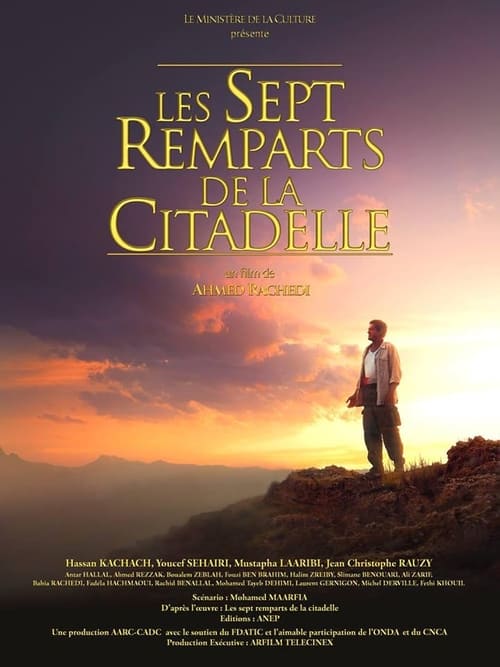
The feature film “The seven ramparts of the citadel”, a fiction recounting the conflict between an Algerian family expropriated from its land and a bloodthirsty settler; by director Ahmed Rachedi. Adapted from the eponymous novel by Mohamed Maarafia, the film, whose plot begins in 1954, tells the story of two characters, Thebti and Lucien, “the fellaga and the colonist”, a story of crossed destinies. “After having engaged in a fight to the death, after having both traveled a long path of embers, (they) finally find themselves face to face and above all each face to themselves”.
Les Sept Remparts De La Citadelle
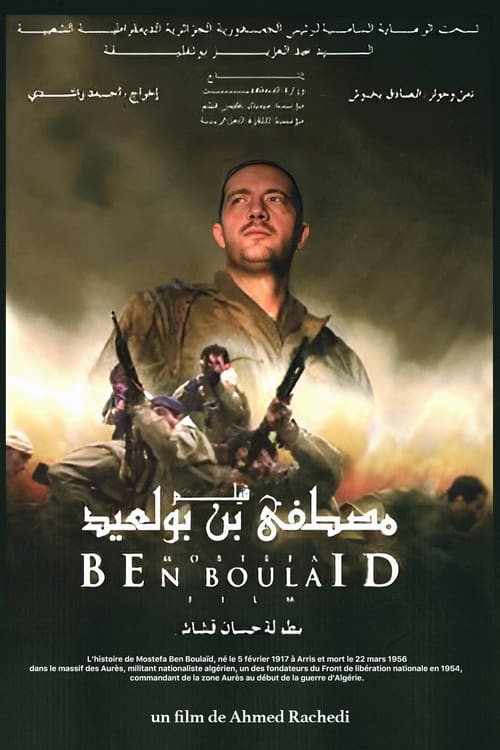
The film revolves around the life of the martyr Mustapha Ben Bouleid (1917-1956), who was a member of the Algerian National Movement, who worked with his comrades to explain the idea of the armed revolution in which he led in Aures region in 1954. The film depicts how Ben Bouleid traveled to a number of Arab countries Disguised to bring arms to Algeria for the revolution and how the French colonial forces arrested him in the Tunisian-Libyan border, and from there to Algeria to be sentenced to death.
Mostefa Ben Boulaïd
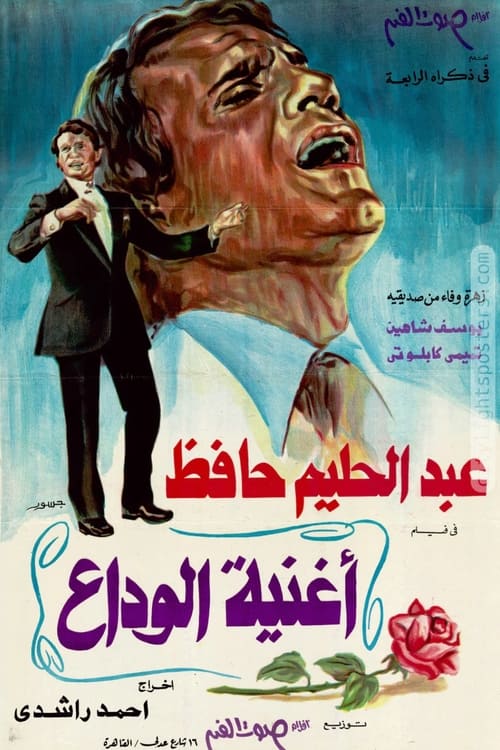
Documentary tribute to the Egyptian singer Abdel Halim Hafez produced in 1977 consisting of archive images of the singer during his visit to Paris in September 1974, joined by fictional scenes which take the form of a journalistic investigation. A little-known film in the filmography of Ahmed Rachedi who during this Parisian period will direct another feature film that we would very much like to see again: "A Finger in the Gear" (1973), on a screenplay by Rachid Boudjedra. The credits and some images of "La chanson de l'Adieu", released in France in December 1981 in the famous Luxor hall in Paris where more than 5,000 spectators came to see it.
The Farewell Song
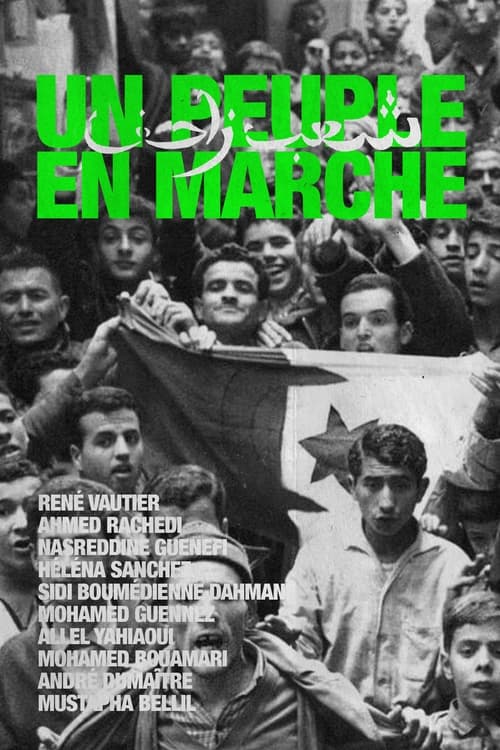
In 1962, René Vautier, together with some Algerian friends, organised the audio-visual formation centre Ben Aknoun to encourage a "dialogue in images" between the two factions. Together with his students he made a film that shows the history of the Algerian War and of the ALN (National Liberation Army), and life during the reconstruction.
A People on the March
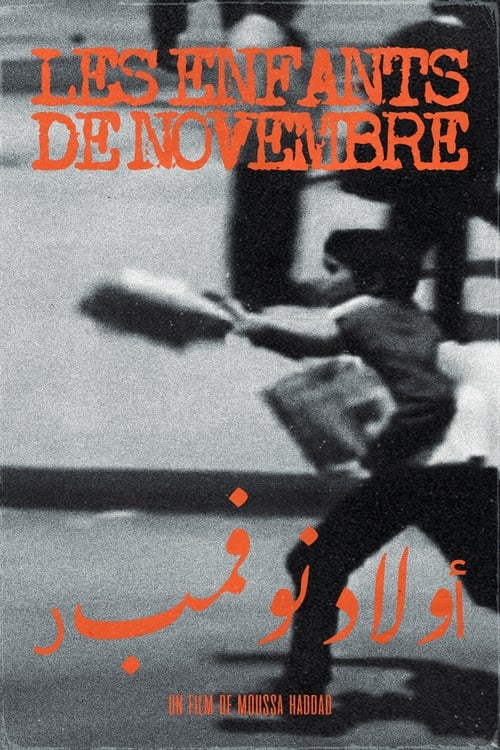
In the streets of the Casbah of Algiers, an FLN fighter pursued by the colonial police hands over confidential documents to Mourad, an Algerian child shouting newspapers who must at all costs pass them on to the resistance. But the police are on their trail and will do anything to get them back.
Les Enfants de Novembre
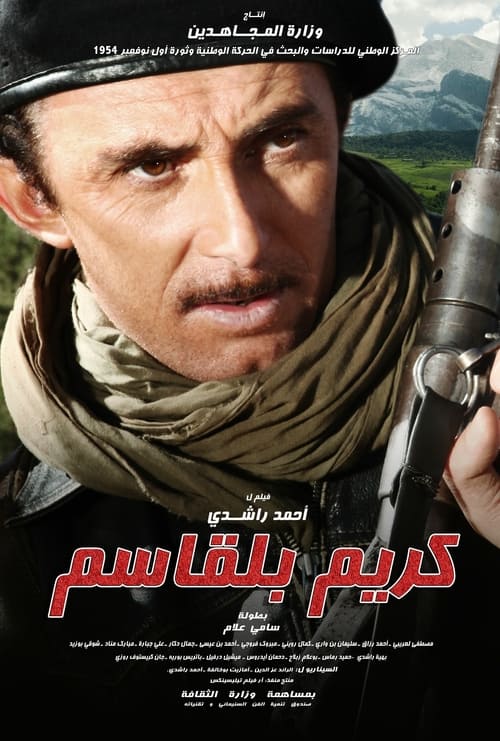
This film retraces the combat journey of Krim Belkacem, one of the leading figures of the Algerian War. When he left the Dellys barracks in October 1945, the day after the Second World War, Krim Belkacem was 23 years old. He is a man revolted by the May massacres in Sétif, Guelma, Kherrata and several other localities in the ravaged country. But it is also and above all a young Algerian who questions the future of Algeria. On March 21, 1947, Krim at the age of 25, he dug up his "Sten" submachine gun, he took action against the boss of his douar who was none other than his cousin. He goes into hiding with six companions. He meshes this entire part of Algeria with a dense and dense network with the sole objective of taking action which will lead to the outbreak of the armed struggle on November 1, 1954.
Krim Belkacem
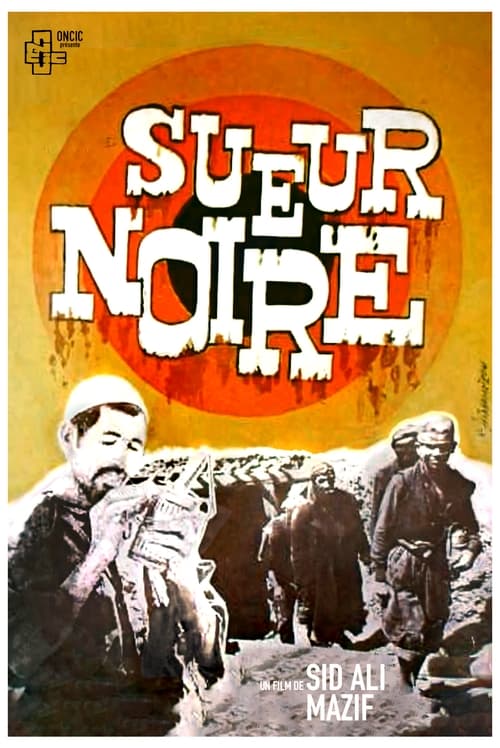
During French colonization, a young Algerian boy is expelled from the French high school where he is able to study thanks to his father's position in the village. For his father, whose dream is to see his son climb the social ladder, this is a disaster, and the young man decides to go to work in the mines. A general strike that is severely repressed makes him aware of the class struggle, and he joins the resistance against discrimination and colonial oppression.
Black Sweat
The film mixes fiction, filmed documents and interviews which recounts the arrival in Paris of an Algerian immigrant lost in the metro. On December 27, 1968, France and Algeria signed an agreement which admitted each year 35,000 Algerian workers to French territory in the France of the Trente Glorieuses where the annual growth rate reached 5% and where factories lacked workers. Candidates obtain a residence permit valid for 5 years for themselves and their families. Paris is committed to improving professional training and housing conditions for immigrants, too often confined to the most thankless jobs and often housed in slums. A testimony on the living conditions of emigrant workers "economic cannon fodder" of neocolonialism which simultaneously develops its alter ego, institutionalized racism, as a tool of social stagnation and division of the proletarian class.
A Finger in the Works
Ali, a young Algerian who carried out an attack in Algiers, hastily leaves the city to join the resistance. But he is disappointed to find that the National Liberation Army consists of only a few fighters scattered throughout the mountains. However, he is impressed by the authority of the leader, Si Tayeb, who gives him a weapon. Meanwhile, a young French sergeant, Gachon, arrives in Algeria with his contingent of conscripts. In civilian life, he is a schoolteacher, and he becomes the colonel's secretary. One night, the FLN group invades a village, the dechra of Beni Allel: waking the inhabitants, the leader gives them a propaganda speech to incite them to fight the French, then gives them weapons; He claims that all the other villages have rallied to their cause, which is false. When he finds himself in difficulty at one point, he is rescued by Ali, who saves the day with his authority and skill.
C'était la guerre
Ali, an Algerian crane operator, takes with philosophy the bullying suffered by immigrants like him. His existence changes radically the day he wins the lottery.
Ali in Wonderland

Collectively made Algerian film.