Acting
An opera singer hides an American soldier in his house in Nazi-occupied Rome.
Antonio is the humble servant of a rich family governed by the Marquis Gastone. He is a young man madly in love with Lulu, but she betrays him, and he desperately enlist in the foreign legion.
A woman takes her ill husband's place in a smuggling ring and steals the heart of his partner.
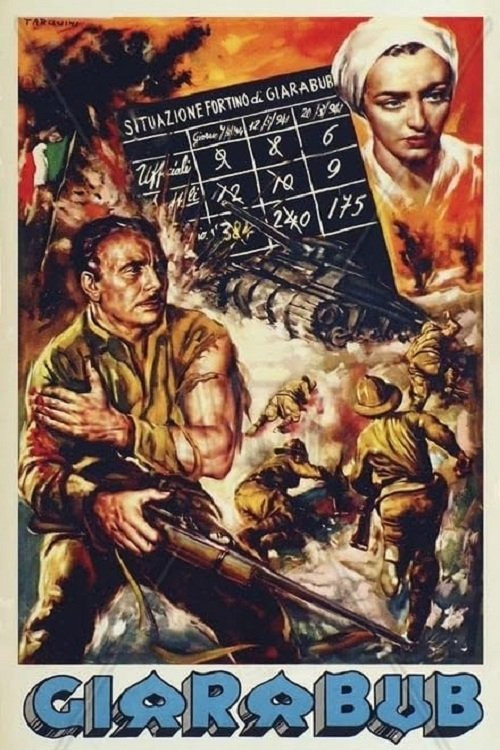
The Italian troops at Giarabub defend themselves against the British.
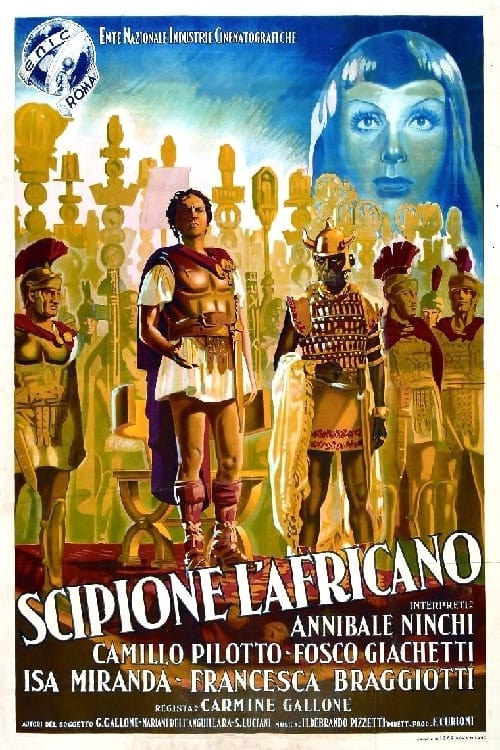
A story of the Second Punic Wars, beginning with Scipio's futile pleas to the Roman Senate to build an army to battle Hannibal, that climaxes with the battle of Zama.
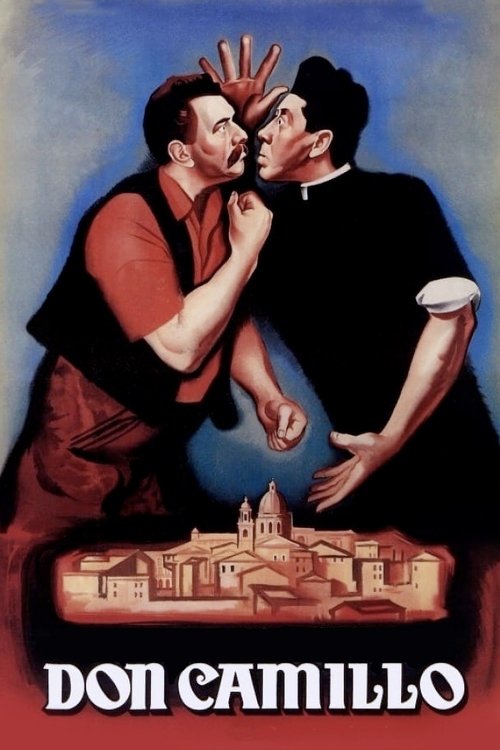
In a village of the Po valley where the earth is hard and life miserly, the priest and the communist mayor are always fighting to be the head of the community. If in secret, they admired and liked each other, politics still divided them as it is dividing the country. And when the mayor wants his "People's House"; the priest wants his "Garden City" for the poor. Division exist between the richest and the poorest, the pious and the atheists and even between lovers. But if the people are hard as the country, they are good in the bottom of there heart.
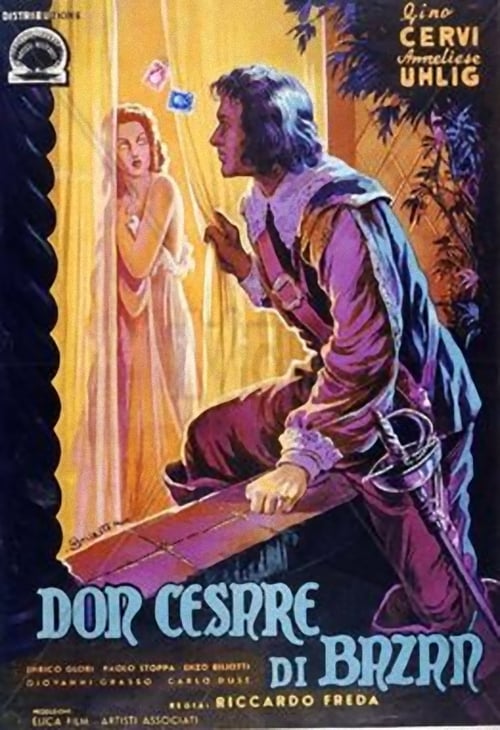
In Barcelona, in 1650, Count Don Cesare di Bazan tries to foil, with the help of an actress, a plot hatched against the king by the French ambassador.
No description available.
A young engineer with ambitious plans tries and fails to get support from his traditional industrialist father. Only when the industrialist's son is injured in an unsuccessful experiment does the father change his mind.
In Renaissance Florence, a Florentine trader meets a shipwrecked stranger, who introduces himself as Tito Melema, a young Italianate-Greek scholar. Tito becomes acquainted with several other Florentines, including Nello the barber and a young girl named Tessa. He is also introduced to a blind scholar named Bardo de' Bardi, and his daughter Romola. As Tito becomes settled in Florence, assisting Bardo with classical studies, he falls in love with Romola.
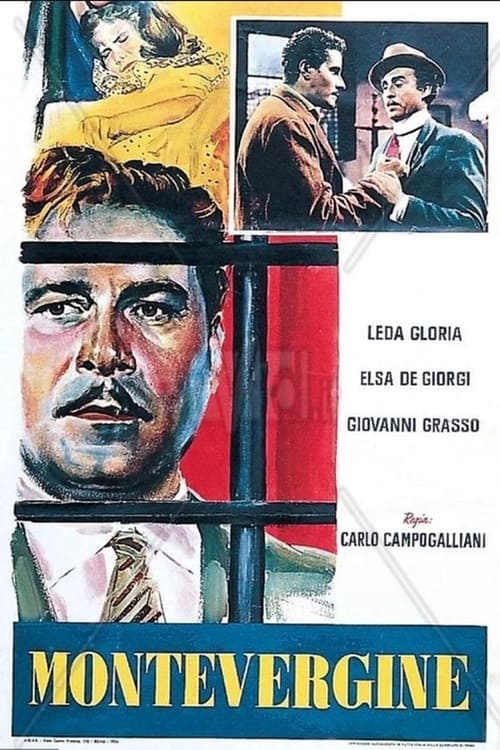
A blacksmith from Montevergine, accused of murder, flees to Argentina. Years later, a mute witness testifies to his innocence, leading to his acquittal. Just before returning home, an Argentine woman plants opium in his luggage, resulting in a ten-year prison sentence. After his release, he finds his daughter engaged to a wealthy landowner who had falsely accused him. Enraged, he plans to kill the man but is moved by grace at the Marian Shrine, lays down his weapon, and makes peace with his enemy.
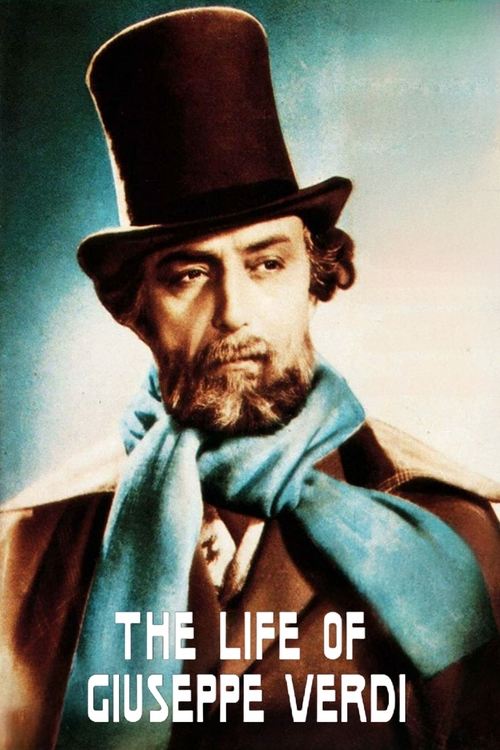
The great Italian opera composer recalls his eventful life on his deathbed: his childhood in Busseto, his studies in Milan, his first opera "Oberto, conte di San Bonifacio", the death of his wife and his children killed by smallpox.
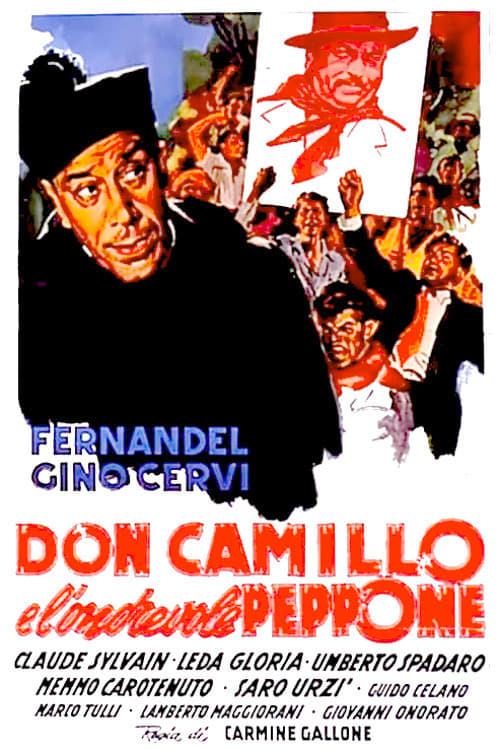
Bewildered, Don Camillo learns that Peppone intends to stand for parliament. Determined to thwart his ambitions, the good priest, ignoring the recommendations of the Lord, decides to campaign against him.
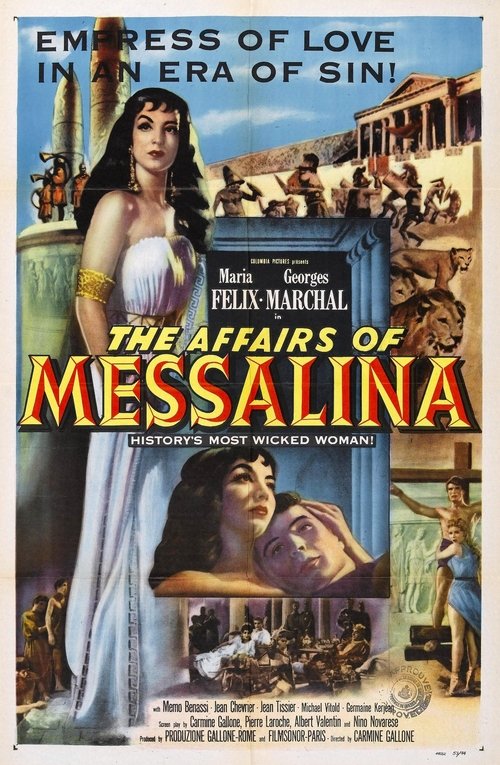
A story, set in Rome of 44 A.D., concerning the amorous and political intrigues of the evil Empress Messalina, the wife of the Roman Emperor Claudius, and her eventual hounding to death.
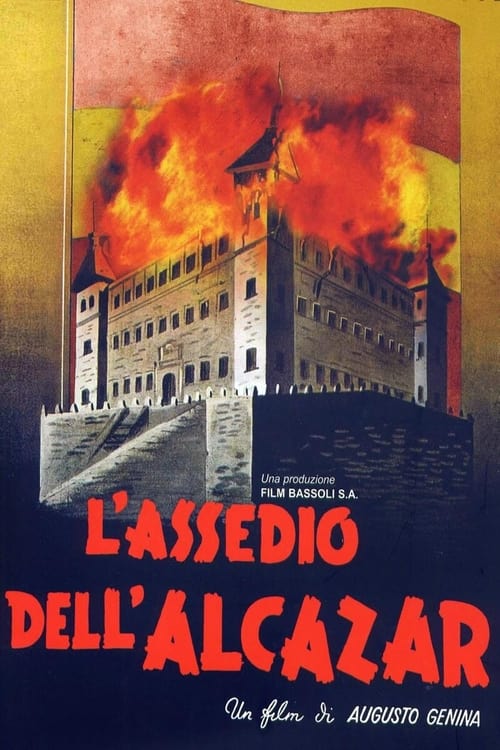
Set during the Spanish civil war, the story of a commander of a fort Alcazar in Toledo, faithful to general Franco.
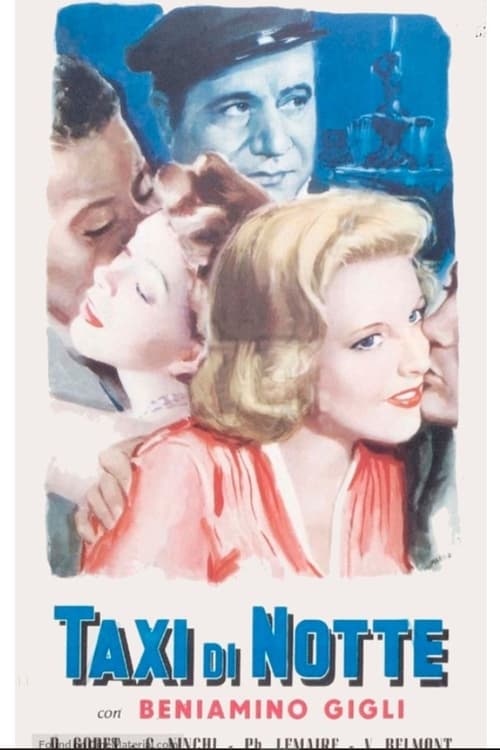
A taxi driver, with singing ambitions, finds an abandoned baby in his cab and begins to look for his mother. He doesn't find her but succeeds in finding two people who want to adopt the child.
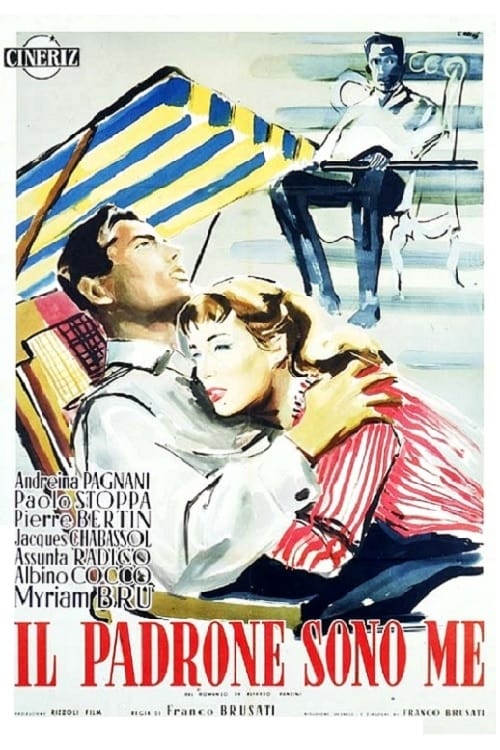
In Romagna, an Italian district, at the beginning of the twentieth century, the owners of an estate are the professor Edoardo, always lost in reveries, and his wife Maria. They have a son, Robertino, who has a friend: Zvanin. Zvanin is the son of Mingòn and Marianna, two peasants. Dolly is an american cousin and every summer she comes in Romagna. The movie narrates their stories over the years until the post I World War period.
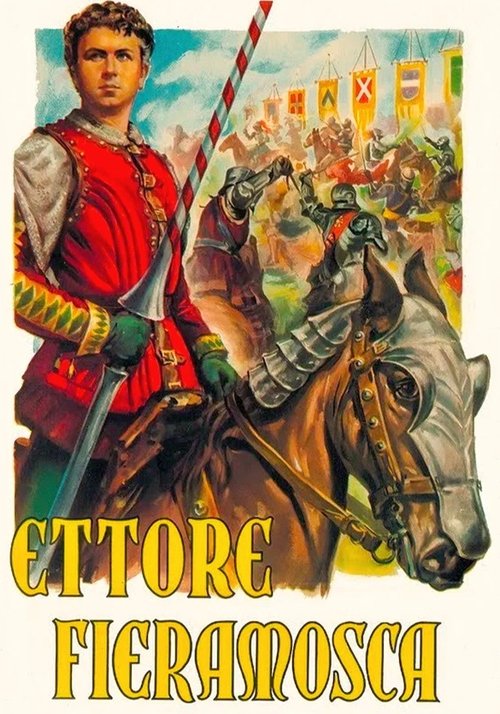
ETTORE FIERAMOSCA was based on a widely-read literary action epic by Massimo D'Azeglio, published in 1833. Translated to the screen in 1938 by the most important director of the Italian fascist period, Alessandro Blasetti, it was intended to boost current patriotic fervor and pride in the Italian nation, and it contributed to a revival of Italian nationalism.