Acting
No description available.
Anwalt Abel is a German television film series, broadcast on ZDF between 1988 and 2002. 20 television films were produced, based on the detective novels of Fred Breinersdorfer.
"The Century of the Theater" - From the "birth of the director" to the "heroes of modernity" - an overview of the world of theater - illuminates the interaction with the history of the past hundred years is also shown.
A young prosecutor in postwar West Germany investigates a massive conspiracy to cover up the Nazi pasts of prominent public figures.
Thomas and Hanna, a deliriously happy couple in their late 30s, buy an old house in the country with plans to fix it up over the summer. Hanna is looking forward to their time together – so when Thomas invites his older brother, Friedrich, who is deeply depressed over the failure of both his business and his marriage, to join them, she is disappointed by the intrusion. Easygoing, charming, and talkative, Thomas seeks to counterbalance the cloudier mood with an impetuous frenzy of activity, but Hanna retreats into sullenness and retaliates by bringing in her nubile young godchild Augustine until things smooth themselves out. Augustine’s youthful sexiness has anything but a soothing impact on Thomas, however, whose adolescent impulses linger just below the surface.
This sociocritical film series in 4 parts is a follow-up to the Alpensaga and depicts the economic and cultural development in Austria after the war. Individual films focus on the themes of individualization and the rise of consume culture as well as the political shift of the dominating social democratic forces from a blue-collar party to more market oriented policies.
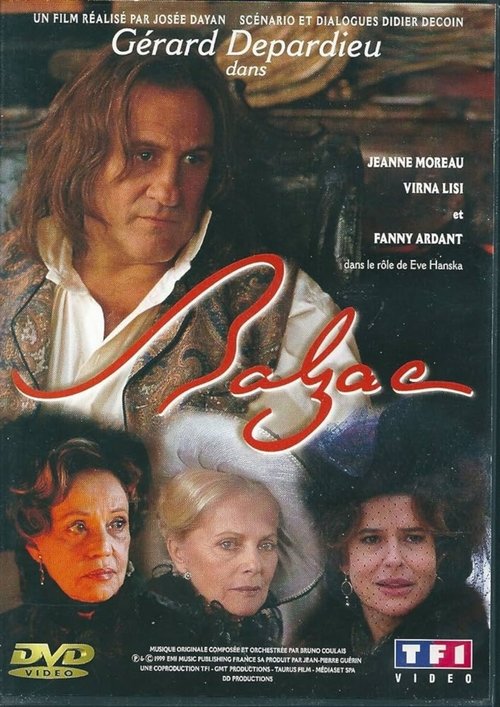
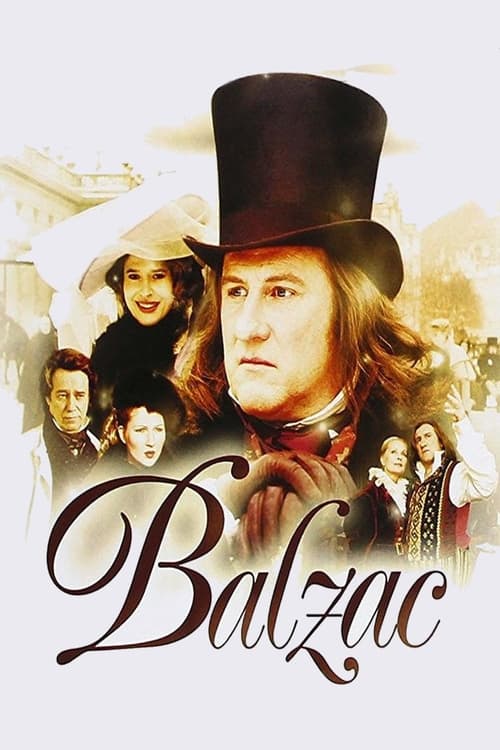
As Balzac prepares to die, his entire past flashes before his eyes. As a young writer, he was driven by the desire to achieve something great. With the support of Laure de Berny, he started printing and publishing without much success, but it was with his pen that he achieved fame, thanks to the constant support of Madame de Berny. Balzac became a writer that readers devoured.
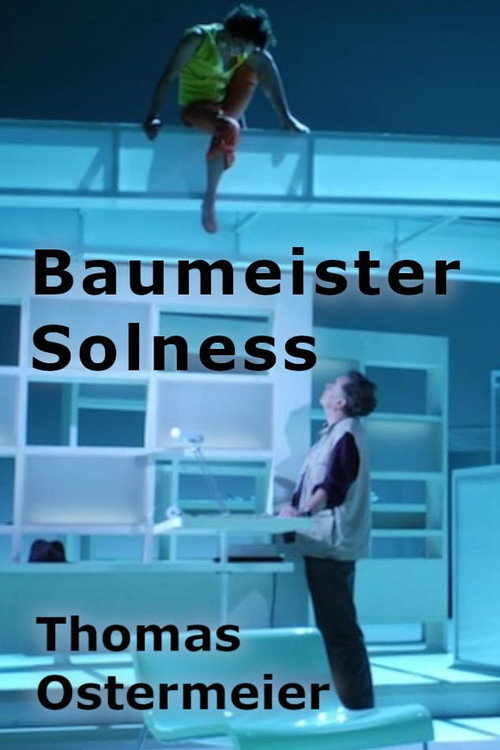
If you climb, you risk falling. For master builder Solness, this is doubly true. He had started out as a clerk in an architect's office, but soon got his own commissions and pushed his boss more and more to the side. Marrying a wealthy woman and her stately possessions came in handy for him. When the house he inherited fell victim to a fire, he subdivided the site and placed single-family homes on it. His boss became his employee, as did his son, and finally he made his fiancee his accountant. She adores him, which he only uses to keep the family dependent. Solness is considered a happy person. But he is driven by fear and feelings of guilt.
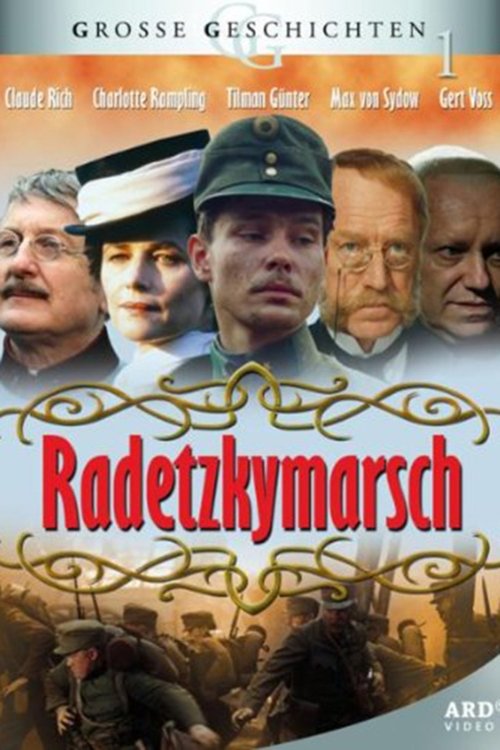
At the battle of Solferino Joseph von Trotta, a lieutenant in the Slovenian infantry, is wounded while saving the life of the young Austrian Emperor Franz-Joseph I. The Emperor rewards him by elevating him in society to a position quite out of keeping with his social rank, and which entirely alienates him from his farming background: Joseph gets promoted to the rank of captain, and is made a member of the nobility. Years later Joseph von Trotta accidentally finds a description of the battle that changed his life in a text-book belonging to his son Franz. Enraged at the over-emotional, patriotic and sentimental way in which the Emperor's rescue at the hands of "the Hero of Solferino" is depicted, he lodges a complaint at the Imperial Court.
This is the sprawling saga of Honoré de Balzac, a man who created a great literary oeuvre from the dramas and adventures of his own life - a life that he shaped into one spectacular and unforgettable blaze of passion. At the heart of the story are the women in Balzac's life. Although gruff, unsophisticated, and far from handsome, Balzac exerts an irresistible fascination on women.
Claus Peymann's production of Schiller's play about oppression, rebellion and human rights is less a flaming political appeal than a subtle exploration of human behavior in a social conflict.
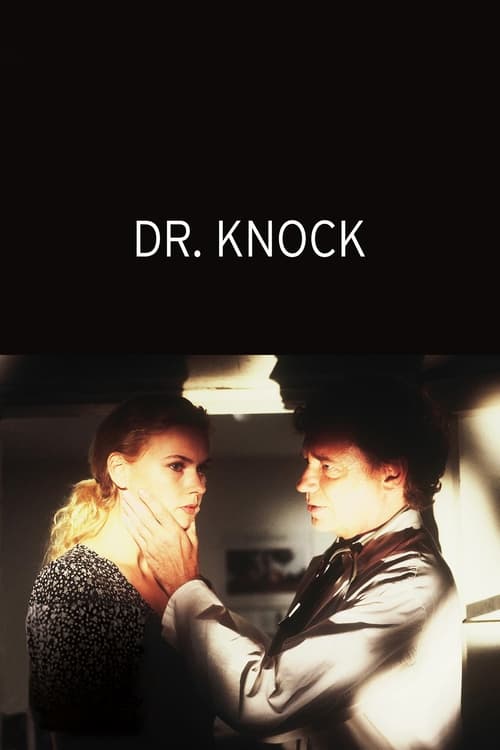
The diabolically brilliant doctor Dr. Knock from Karlsruhe takes over a rural doctor's practice in Bavaria. To achieve his goal of a lucrative sanatorium, he must overcome empty waiting rooms, empty coffers and gullible citizens. And so Dr. Knock intrigues ruthlessly. He succeeds in acquiring power, prestige and the desired property. But what is the deal with the blue letters with no sender that flutter into the practice?
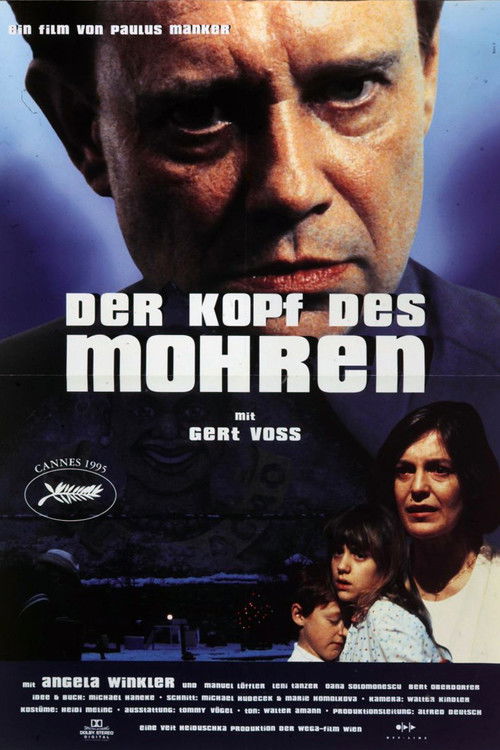
Georg, who is happy with his job as a scientist, with his loving wife and with his three children, hears one day that an accident has happened in a chemical plant nearby. All of a sudden, he finds himself face to face with one of the victims. The man, whose face has been eaten away by the sour gas that escaped from the plant, is staring at him in despair. Does Georg really see the man or is this a mere hallucination? Is he becoming insane or is he more alert to the dangers of the world than the common man?
A social satire in which a chauffeur accidentally becomes the editor of an online newspaper.
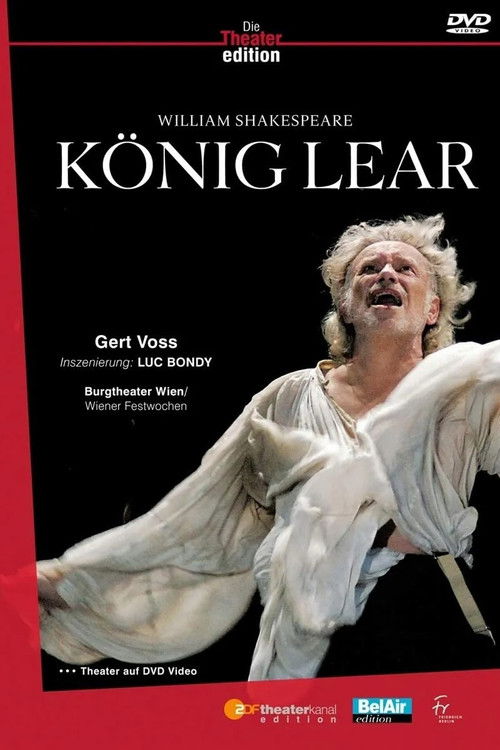
An aging King invites disaster when he abdicates to his corrupt, toadying daughters and rejects his one loving, but honest one.
This is the 2003 production of Thomas Bernhards play "Elisabeth II. - Keine Komödie", directed by Thomas Langhoff. It was the first time this play took place in Austria, at the famous Burgtheater Vienna.
A film based on the Battle of Teutoburg Forest in the year 9 AD between the Romans and a coalition of Germanic tribes.