FEEL IT.STREAM
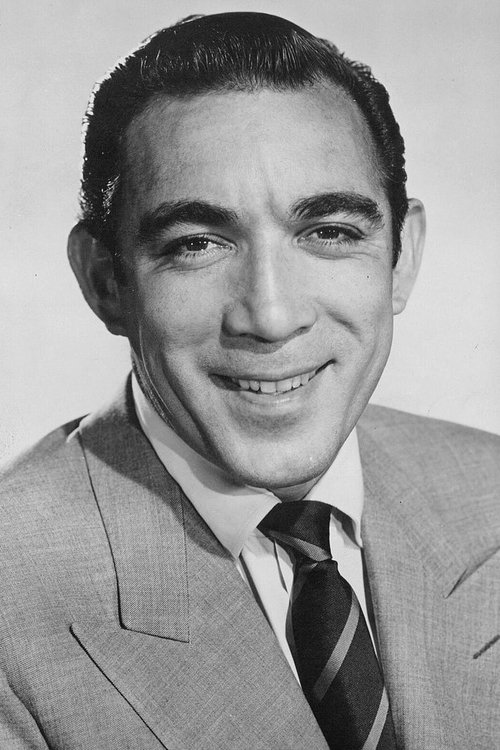
Anthony Quinn

Anthony Quinn

Acting

Biography

Manuel Antonio Rodolfo Quinn Oaxaca (April 21, 1915 – June 3, 2001), known professionally as Anthony Quinn, was a Mexican-American actor. He starred in numerous critically acclaimed and commercially successful films, including Zorba the Greek, Lawrence of Arabia, The Guns of Navarone, The Message, Lion of the Desert, and La Strada. He won the Academy Award for Best Supporting Actor twice; for Viva Zapata! in 1952 and Lust for Life in 1956. Outside of acting, Quinn was also a writer, painter, and civil rights activist.
Known For

Midi Première
9.0

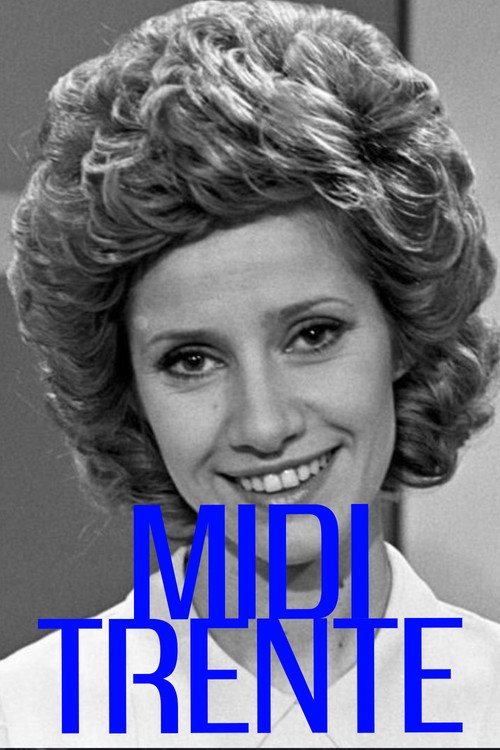
Midi Première is a French variety show presented by Danièle Gilbert, directed by Jacques Pierre and broadcast from January 6, 1975 until January 1, 1982 on TF1. The program was generally broadcast between 12:15 p.m. and 12:55 p.m., then giving way to the 1:00 p.m. TV news. However, the broadcast schedule could change, depending on the guests, and the setting where the recording of the program was shot. Certain performances by artists who have become cult like the one where Ringo jostles with a demonstrator in interpretation (1977), that of Dalida with the title There is always a song with the soundtrack that does not start, twice, at the right speed (1978), Claude François and his Clodettes, who, in the provinces, are unable to join "the set" in order to interpret his song, the latter being taken by the crowd of delirious fans (summer 1977) . The group Supertramp performed there with the title "Dreamer" on March 8, 1975.

Midi Première

1975Series
Lights Out
6.0

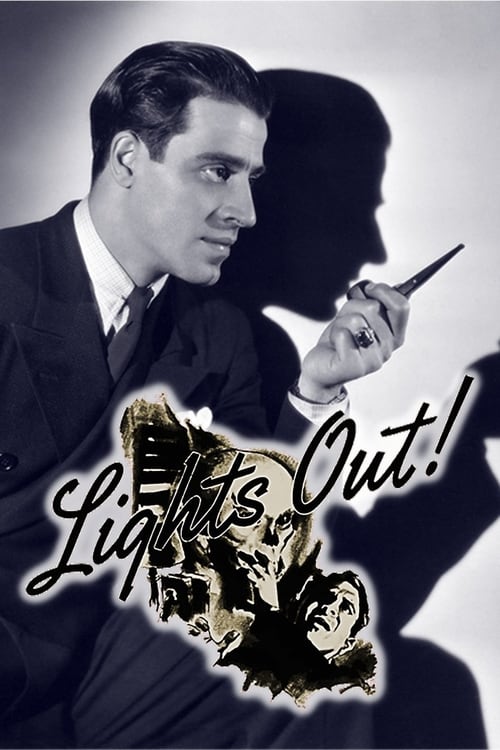
Lights Out was an extremely popular American old-time radio program, an early example of a network series devoted mostly to horror and the supernatural, predating Suspense and Inner Sanctum. Versions of Lights Out aired on different networks, at various times, from January 1934 to the summer of 1947 and the series eventually made the transition to television. In 1946, NBC Television brought Lights Out to TV in a series of four specials, broadcast live and produced by Fred Coe, who also contributed three of the scripts. NBC asked Cooper to write the script for the premiere, "First Person Singular", which is told entirely from the point of view of an unseen murderer who kills his obnoxious wife and winds up being executed. Variety gave this first episode a rave review ("undoubtedly one of the best dramatic shows yet seen on a television screen"), but Lights Out did not become a regular NBC-TV series until 1949.

Lights Out

1949Series