Acting
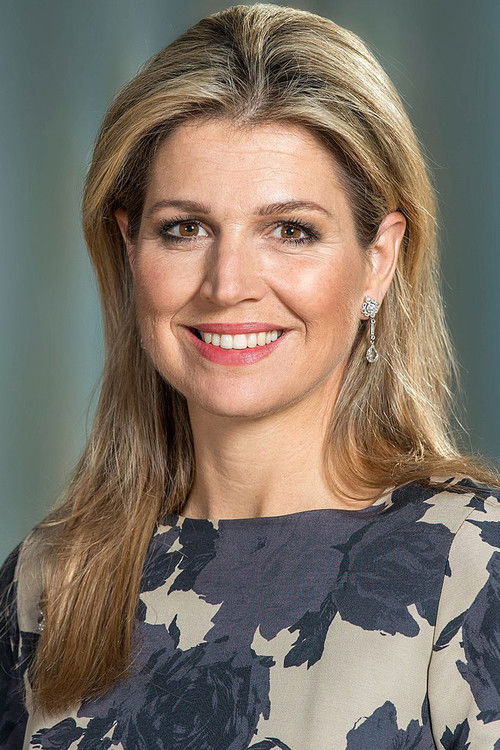
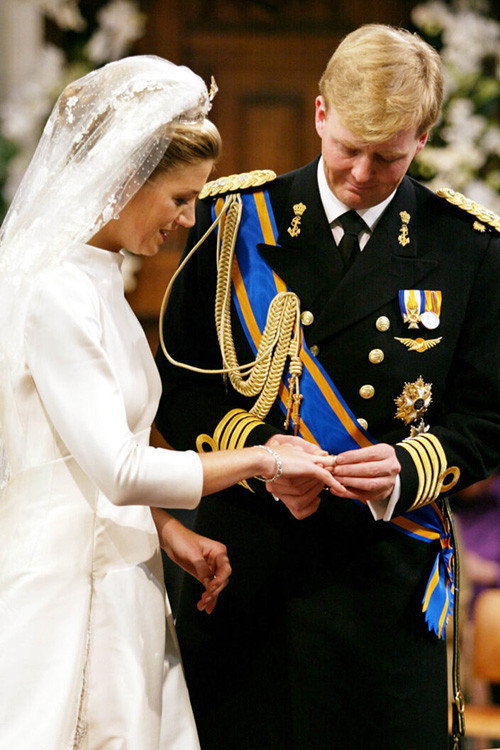
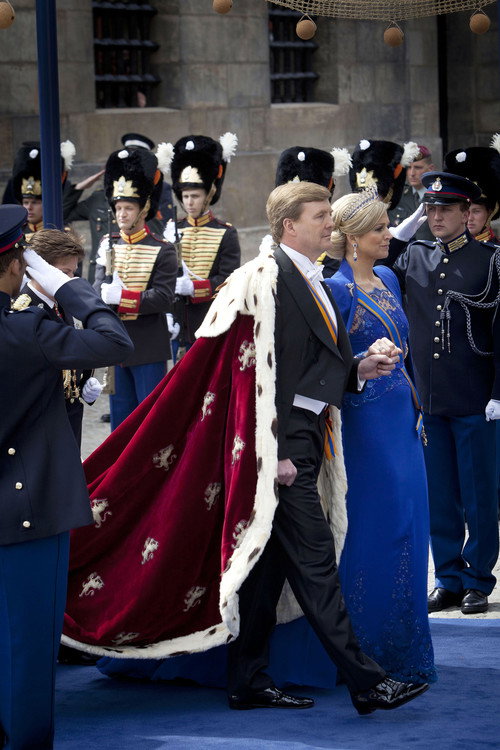
Máxima (born 17 May 1971) is Queen of the Netherlands as the wife of King Willem-Alexander.
No description available.
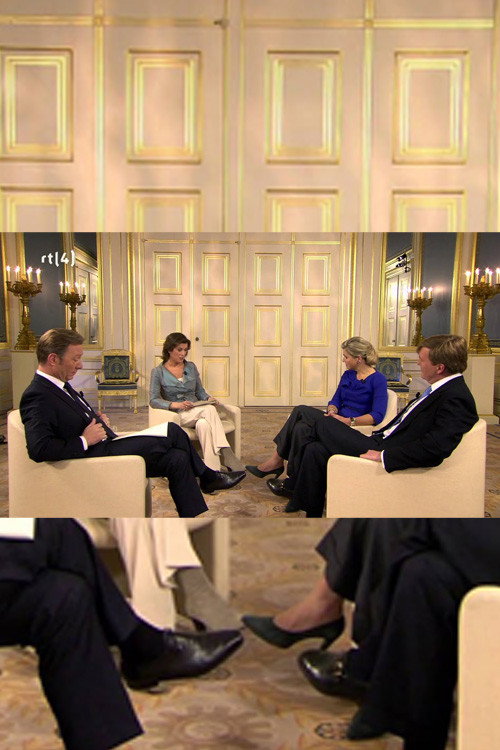
On the occasion of Queen Beatrix's twenty-fifth anniversary of her reign. In conversations with Professor of Legal Philosophy Dorien Pessers, the Queen reflects on her role in office and discusses the various aspects of her position. The conversations are interspersed with interviews by Pim van Galen with Dries van Agt, Ruud Lubbers, Wim Kok, and Jan Peter Balkenende, the four prime ministers with whom the Queen has worked since 1980, and with archival material from the past twenty-five years. The broadcast is produced by NOS Actueel and hosted by Maartje van Weegen.
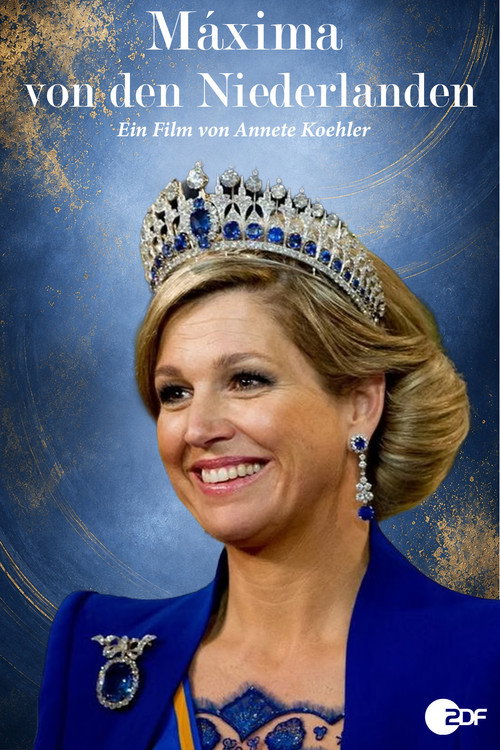
Since her husband Willem-Alexander became King of the Netherlands in 2013, Queen Máxima has become a prominent figure of the Dutch monarchy. Her role seems perfectly suited to her: as Queen of the Netherlands and a former economist, she combines her royal duties with a strong commitment to financial inclusion and development. As a United Nations Special Advocate for Inclusive Finance for Development, Máxima works to improve access to financial services, consumer protection and financial education for people around the world. Her schedule takes her from meetings with political and business leaders to official engagements and international events. The documentary follows Queen Máxima in her demanding role and offers an intimate look at her work, public responsibilities and life as a mother of three.
Live broadcast on the occasion of Queen Beatrix's twenty-fifth anniversary of her reign. In the Knight's Hall in The Hague, members of the First and Second Chambers and members of the Cabinet gather for a Special Joint Session of the States General. The Queen and her family are present at the meeting. Subsequently, an aubade is performed for the Queen at the Binnenhof. The presentation is hosted by Maartje van Weegen, who speaks in the studio with historian Jan Bank, interspersed with reports on the celebration of Queen's Day in various locations and well-known figures congratulating the Queen. The broadcast is provided by NOS Actueel.
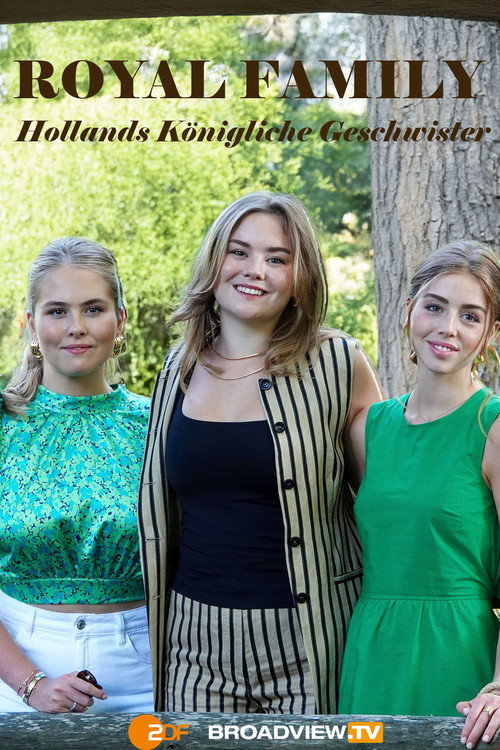
They are the most famous sisters in the Netherlands: the so-called “A-Team”—Amalia, Alexia, and Ariane, the daughters of King Willem-Alexander and Queen Máxima. As they come of age, the younger daughters are also drawing public attention. However, only the eldest, Princess Amalia, bears any responsibility. Her path is predetermined as the future Queen of the Netherlands. Princess Alexia and Princess Ariane, however, have a choice. Will they dedicate themselves to serving the royal family, like their great-aunt Margriet, for whom this has been a life’s work for more than 60 years? Or will they follow the example of King Willem-Alexander’s brothers, who went their own way as “freelance royals”?
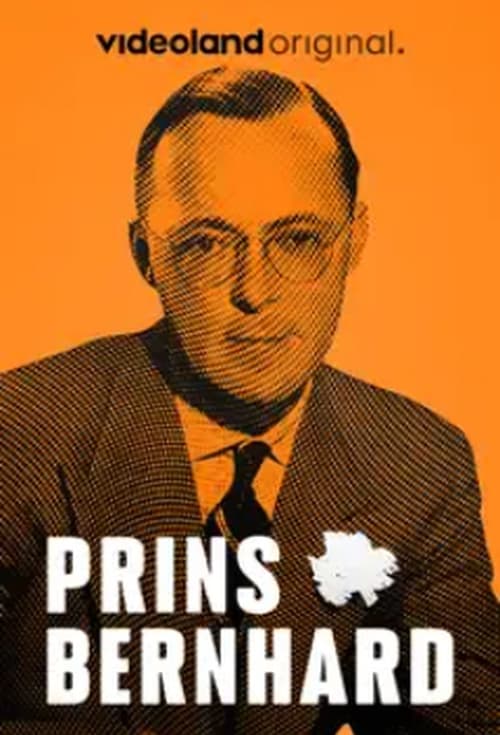
Experts and people who knew him attempt to get to the heart of his character. Their stories are visually supported by unique and never-before-seen footage from Bernhard's private collection.
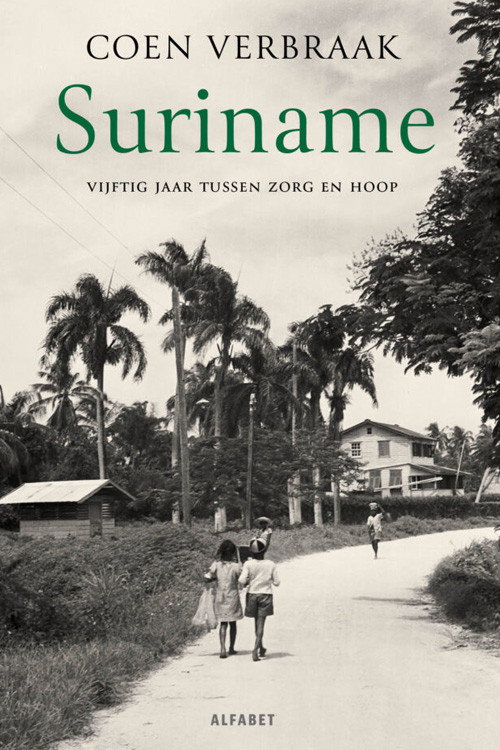
Fifty years after independence, Coen Verbraak examines the current state of Suriname and its future. With voices from Suriname and the Netherlands on brain drain, identity, fragile democracy, and the lasting impact of slavery. The role of the Netherlands, departure and return, care, and hope are also addressed.
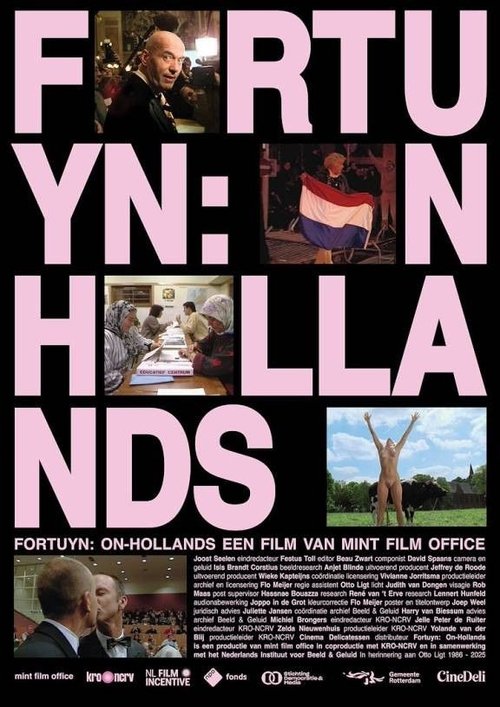
What does Pim Fortuyn's legacy mean for the Netherlands today? How have his rise and his assassination changed the political and societal debate on migration? And what does that say about Dutch views on tolerance and diversity? In the eight-part KRO-NCRV documentary series Fortuyn: Un-Hollands, producer mint film office gives a voice to people who were barely heard at the time, but who were right at the center of the Fortuyn debate. Critics, political allies and opponents, men and women, with a bicultural background and white, tell how they experienced the Fortuyn revolt and what influence Pim Fortuyn had – and still has – on their lives and positions in the Netherlands.
Mark Rutte is followed in his final months as prime minister. He looks back on more than 13 years of leadership and gives a rare glimpse behind the scenes. What do his busy days look like? How does he come to decisions? And what drives him? There are also conversations with (former) politicians and friends.
Insiders, close friends, and experts talk about the impressive life of Princess Beatrix: the powerful woman, friend, and mother behind the office.
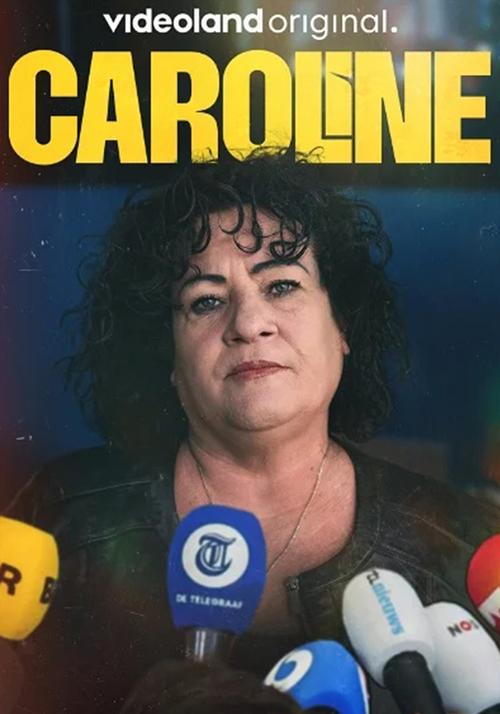
Political journalist Jaïr Ferwerda follows politician Caroline van der Plas closely during the most tense elections ever. A unique and personal insight into the life of a party leader fighting for seats, and the person behind the politician. Who is Caroline really, what drives her, and how does she bounce back during campaign time after being attacked in the media on both political and private matters?
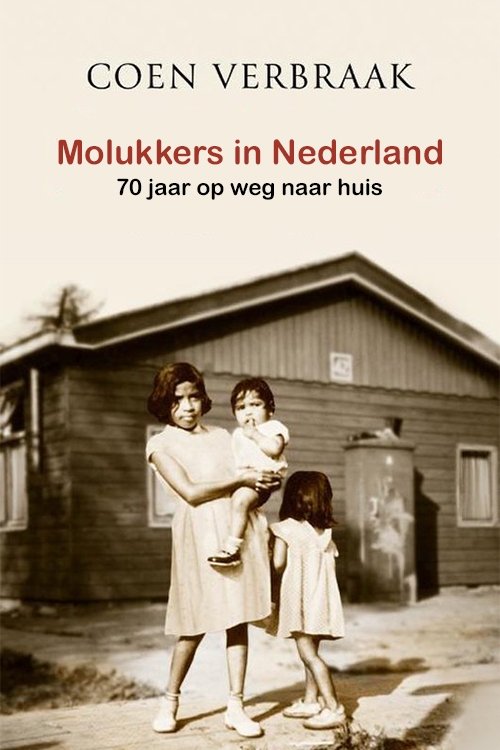
Moluccans in the Netherlands: 70 Years on the Way Home. In 1951, the first Moluccans came to the Netherlands. Through interviews, Coen Verbraak tells the stories of different generations of Moluccans about their involuntary exile.
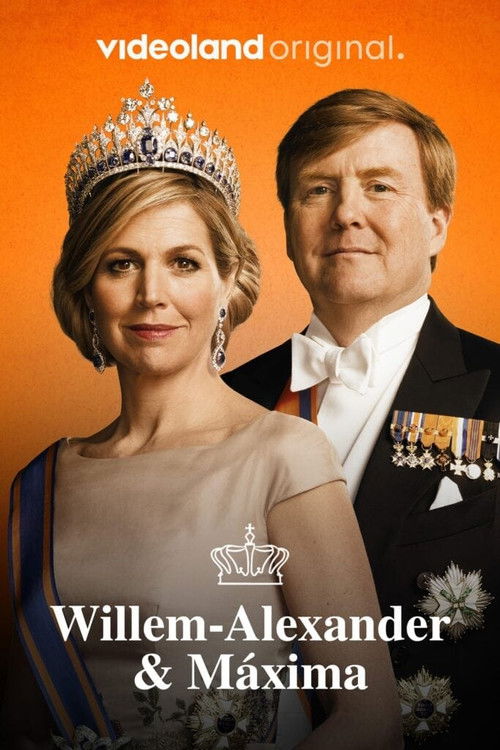
The marriage between Willem-Alexander and Máxima reads like a fairy tale, but one in which love, duty, and public opinion constantly clash. Insiders, close friends, and experts explain how the relationship comes under pressure as soon as private choices have public consequences.
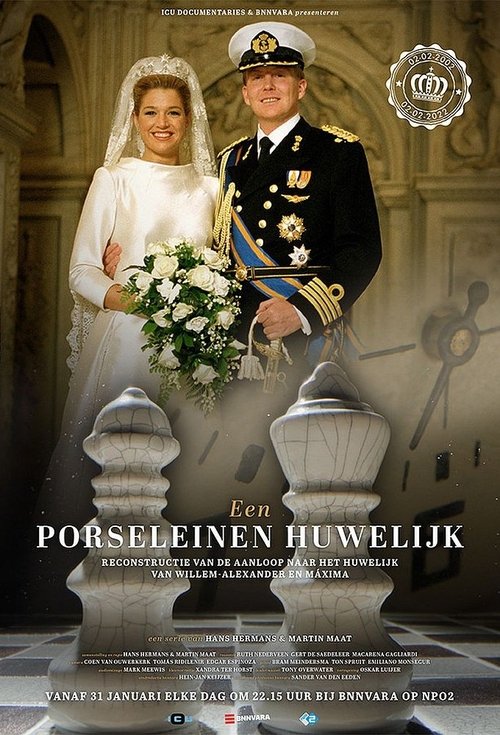
Crown Prince Willem-Alexander and Máxima Zorreguieta got married on February 2, 2002. In this documentary series, a revealing reconstruction of the run-up to the royal wedding is made on the basis of previously unpublished documents and conversations with those directly involved.
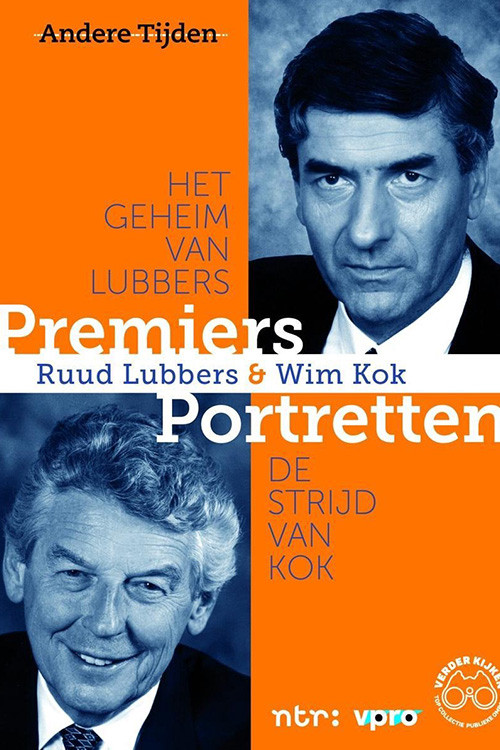
More than any other prime minister, Wim Kok has to deal with explosive dossiers. After the fall of Srebrenica during Kok I, thorny issues once again lie on his plate in the second term: the role of Jorge Zorreguieta and the assassination of Pim Fortuyn.
This documentary was shot in 2018 and 2019 within the walls of The Hague Binnenhof and examines how our democracy works and shows that it is under considerable pressure. The Binnenhof now looks different in the corona era. It has also become quieter there and people keep their distance, but the question whether and how our democracy will survive is just as important as before.