FEEL IT.STREAM
Jean Eustache

Jean Eustache

Directing

Biography

Jean Eustache was born on November 30, 1938 in Pessac, Gironde, France. He was a director and editor, known for The Mother and the Whore (1973), Mes Petites Amoureuses (1974) and Les photos d'Alix (1980). He died on November 3, 1981 in Paris, France.
Known For

No image
6.0

No description available.

Midi trente

1972
Weekend
6.9

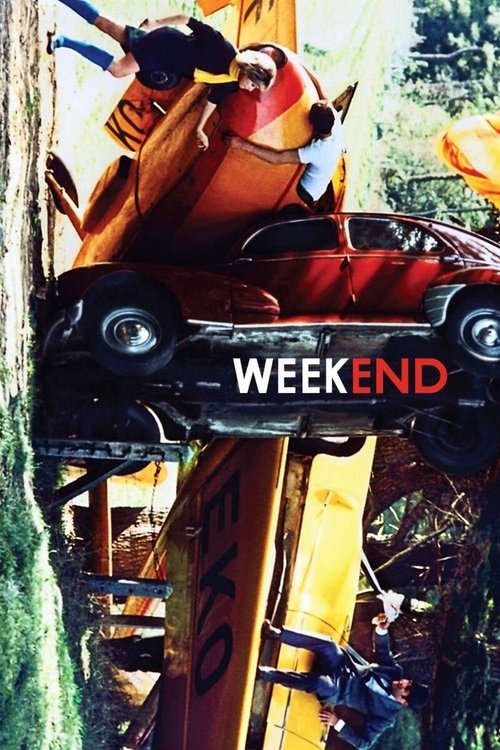
A supposedly idyllic weekend trip to the countryside turns into a never-ending nightmare of traffic jams, revolution, cannibalism and murder as French bourgeois society starts to collapse under the weight of its own consumer preoccupations.

Weekend

1967
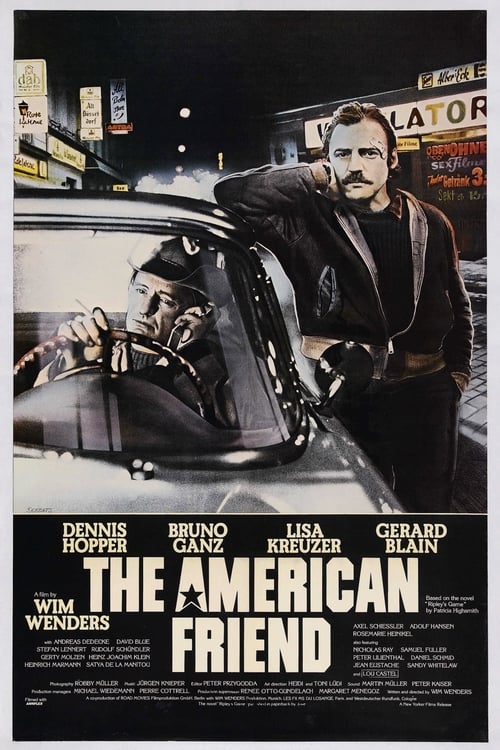
The American Friend
7.1

Tom Ripley, an American who deals in forged art, is slighted at an auction in Hamburg by picture framer Jonathan Zimmerman. When Ripley is asked by gangster Raoul Minot to kill a rival, he suggests Zimmerman, and the two, exploiting Zimmerman's terminal illness, coerce him into being a hitman.

The American Friend

1977
The Mother and the Whore
7.3

Aimless young Alexandre juggles his relationships with his girlfriend, Marie, and a casual lover named Veronika. Marie becomes increasingly jealous of Alexandre's fling with Veronika and as the trio continues their unsustainable affair, the emotional stakes get higher, leading to conflict and unhappiness.

The Mother and the Whore

1973
Céline and Julie Go Boating
6.8

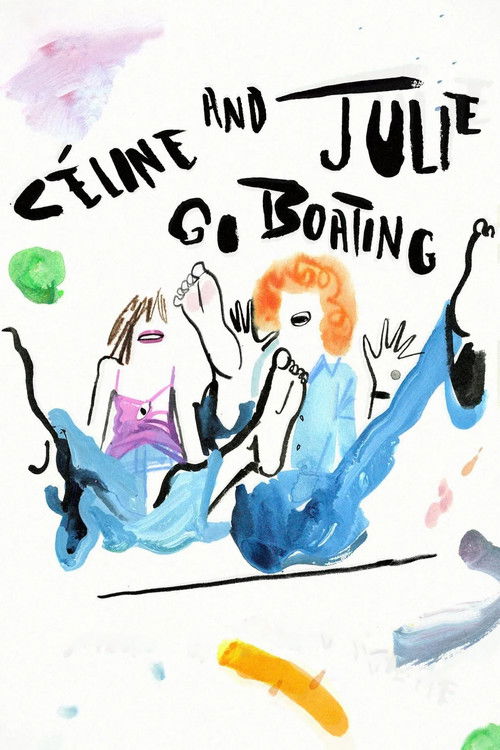
Julie, a daydreaming librarian, meets Céline, an enigmatic magician, and together they become the heroines of a time-warping adventure involving a haunted house, psychotropic candy, and a murder-mystery melodrama.

Céline and Julie Go Boating

1974
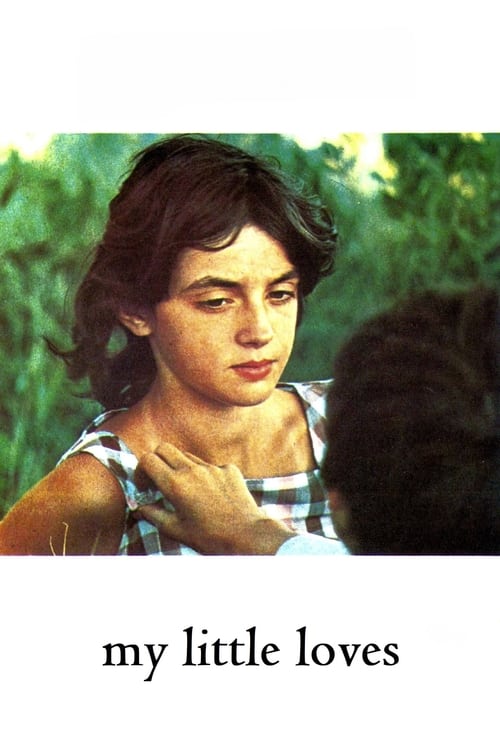
My Little Loves
6.8

Daniel lives with his grandmother and, after a year of high school, goes to live with his mother in the south of France; a harsher environment which rapidly changes his perception of friends, work, and women.

My Little Loves

1974
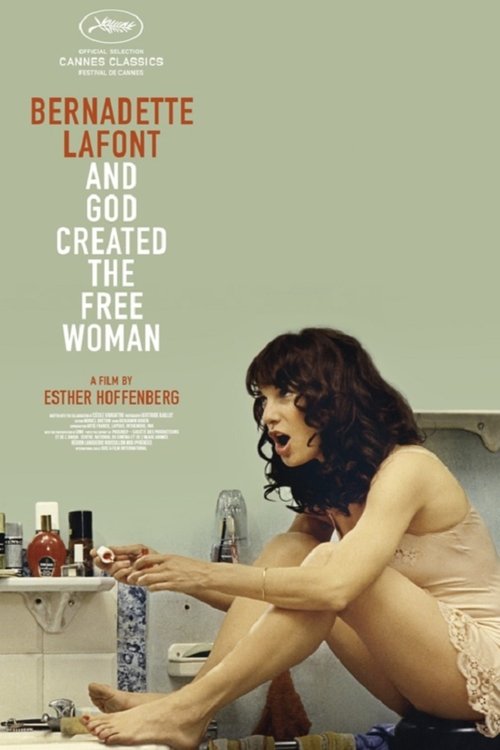
Bernadette Lafont: And God Created the Free Woman
6.9

A journey in the company of Bernadette Lafont, French Cinema’s most atypical actress. Tracing her career from pin-up girl, to New Wave model of sexual freedom, to drug-dealing granny in the film Paulette, by way of La Fiancée du Pirate and Les Stances à Sophie, this film pays tribute to her extraordinary life and artistic odyssey. Her grand-daughters, Anna, Juliette and Solène, revisit the dreams of Bernadette, in the family home in the Cevennes region where they, like her, grew up. Her close friends, Bulle Ogier and Jean-Pierre Kalfon, reminisce on their artistic and human complicity. Throughout the film, Bernadette Lafont in person, with her inimitable character actress voice, re-evokes a life in cinema marked with insolence, courage and freedom.

Bernadette Lafont: And God Created the Free Woman

2016
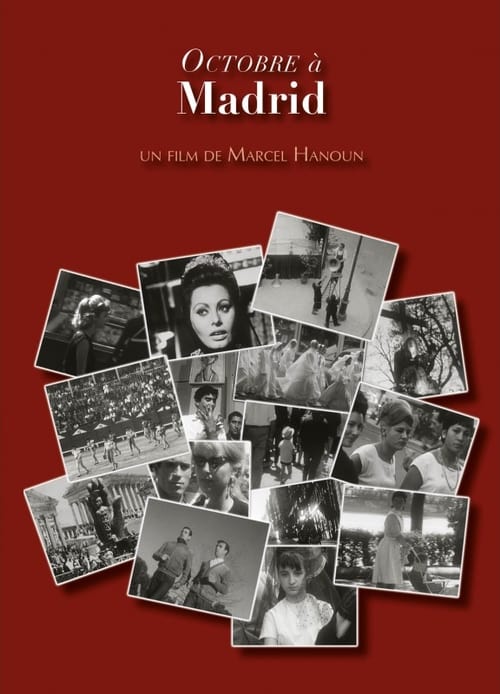
October in Madrid
6.3

Initially a made-to-order documentary on Spain, the film becomes an open-ended work-in-the-making about the creative process. “Settling in the Spanish capital to make a documentary, Hanoun sketches out for us the different steps involved in making a film. The author turns his hesitations, his doubts and difficult working conditions into the constituents of his work”. (Raphaël Bassan)

October in Madrid

1965
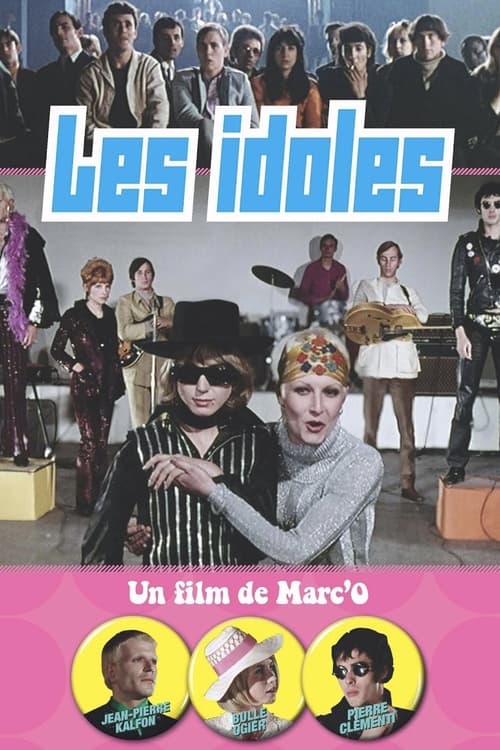
The Idols
6.3

This satire concerns three French singing idols and their attempt to stay in the public eye. A press conference, backstage hedonism, psychedelia, manipulative managers and disc jockeys are portrayed as the pop culture is thoroughly and effectively lampooned in this independent feature.

The Idols

1968
The Ministries of Art
7.3

Philippe Garrel’s documentary on France’s second wave of masterful filmmakers. Featuring Jean Eustache, Chantal Akerman, André Téchiné, Leos Carax, Jacques Doillon and Benoit Jacquot.

The Ministries of Art

1989
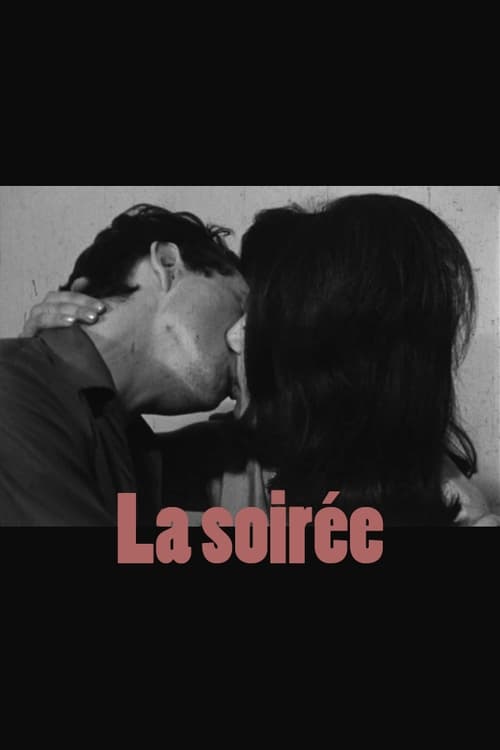
The Evening
4.3

Unfinished film by Jean Eustache . A couple kisses. A group of friends talk inside a room. One of them reads from a paper.

The Evening

1961
A Dirty Story
6.1

A group of friends listen as one man tells them a story about a time when, in a small cafe, he discovered a peephole into the ladies' bathroom and became addicted to looking through it at female genitals. They ask him questions and come to conclusions about sex. This is a filmed, scripted version. Then, the actual person who this happened to relates the same story; this time, however, it is an unscripted documentary, in which the same things occur as in the scripted one.

A Dirty Story

1977
Vincent Put the Donkey in a Meadow (And Went Into the Other)
5.2

This is the tale of a father-son duo who are unable to leave each other. The trouble begins when the son decides to destroy his father's image.

Vincent Put the Donkey in a Meadow (And Went Into the Other)

1976
Santa Claus Has Blue Eyes
7.2

Daniel needs some money to buy a duffle coat that is in fashion, so he agrees to work for a photographer by dressing up as Santa Claus. He discovers that it is much easier to meet girls when he is in his costume.

Santa Claus Has Blue Eyes

1966
Jean Renoir, le patron, 2e partie: La direction d'acteur
8.3

Second in the documentary trilogy from mastermind Jacques Rivette, featuring a conversation between Jean Renoir and Michel Simon, who celebrate their reunion by discussing, among other things, La Chienne (1931) and Boudu Saved from Drowning (1932).

Jean Renoir, le patron, 2e partie: La direction d'acteur

1967
Hieronymus Bosch's Garden of Delights
7.0

Filmed by Jean Eustache for the television program, Les Enthousiastes, Hieronymus Bosch's Garden of Delights presents a series of unstructured observations, free associations, and interpretations on the third panel of Bosch's well-known oil on wood triptych.

Hieronymus Bosch's Garden of Delights

1981
Jean Eustache's Wasted Breath
N/A

Ángel Díaz’s documentary The Lost Sorrows of Jean Eustache, concentrates on Eustache as cinematic thinker and archivist of his own life. Actors read texts written by Eustache, including the following reflection: “The role of the author in cinema should be one of non-intervention.” This sentence reminds us that he belongs to the greatest of film traditions (he cites Griffith, Renoir, Dreyer, and Lang as his models), the one that sees cinema as a matter of placing the camera in front of reality and capturing it ardently, precisely, and without tricks.

Jean Eustache's Wasted Breath

1997
The Virgin of Pessac 79
7.2

In 1979, under the presidency of the city mayor, the people of Pessac elect a virtuous and gracious maiden from amongst the residents, following a tradition that comes from times immemorial.

The Virgin of Pessac 79

1979
Numéro zéro
8.5

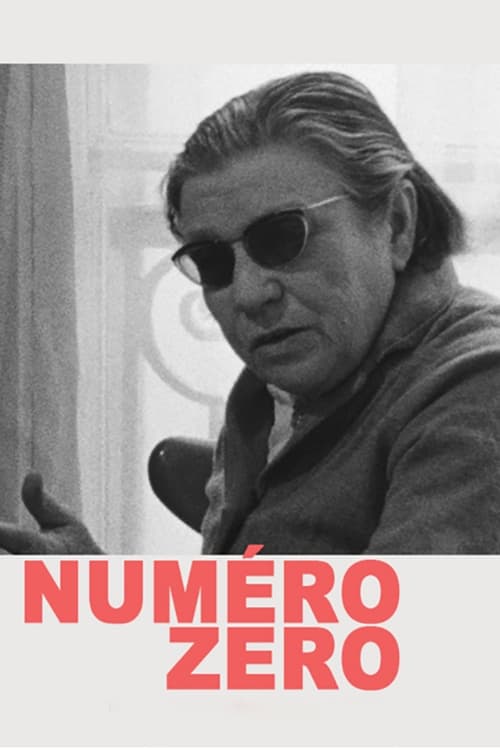
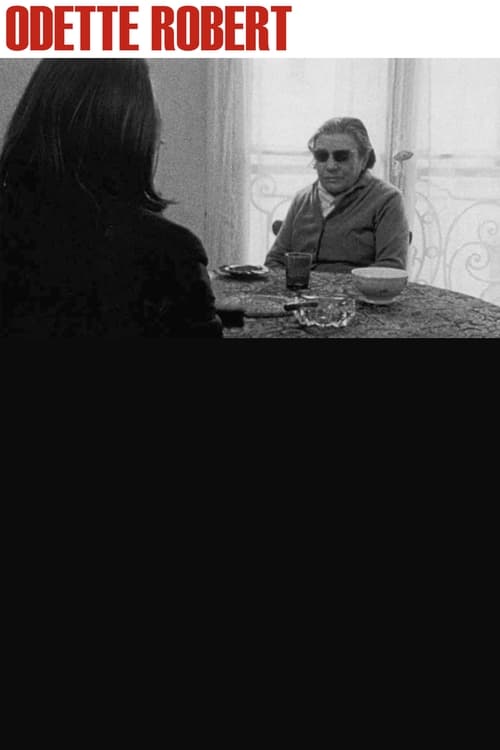
A family portrait in which the director profiles his grandmother, Odette Robert. Eustache includes in the film the conditions of its production — he is seated at the table with her, pours her some whiskey, speaks with the camera operator, manipulates the clapboard at the head and tail of the reels, and even takes a phone call. Robert, who was seventy-one, speaks rapidly and tells the story of her life, starting from her early childhood in villages in the Bordeaux region of France. A shorter version of the film ("Odette Robert") was edited in 1980 to be broadcast on television on TF1. The complete film only gained exposure in 2002, when it was salvaged by Boris Eustache, Thierry Lounas, João Bénard da Costa, Jean-Marie Straub, and Pedro Costa.

Numéro zéro

1971
Jean Renoir, le patron, 3e partie: La règle et l'exception
N/A

In the third part of a Cinéastes triptych on Jean Renoir, the director sits alone in a cinema analyzing scenes from La Marseillaise and The Rules of the Game, and discussing his editing and storytelling techniques.

Jean Renoir, le patron, 3e partie: La règle et l'exception

1967