Acting
No description available.
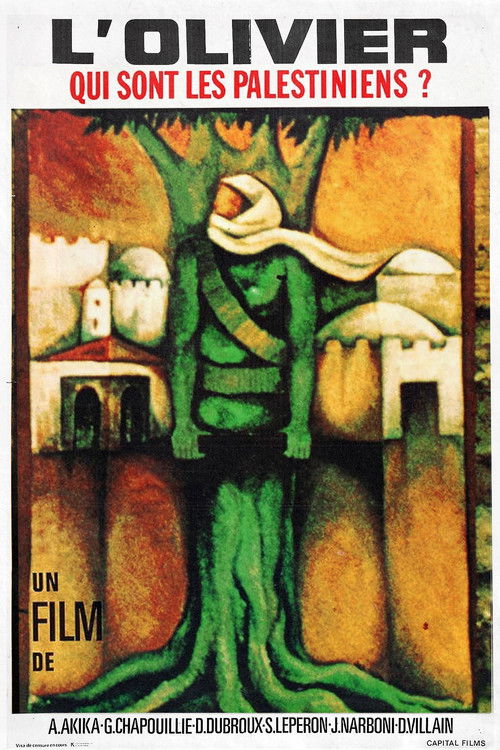
Filmed between 1973 and 1975, L’Olivier was produced by the Vincennes Cinema Group. This activist collective of teachers and filmmakers, formed on the occasion of this film, attempts to explain the Palestinian problem through interviews. The Olivier was one of the first films to attempt to give substance to what was still largely ignored in the West: the existence of the Palestinian people and their fight to recover their rights. L'Olivier responds to a concern: the already weak support of French public opinion for the Palestinian cause diminished following the Munich operation of 1972. Structured in such a way as to tell the Palestinian story and explain the state of the struggle at the time, the film appeals to global militant solidarity and, in particular, to European political commitments.
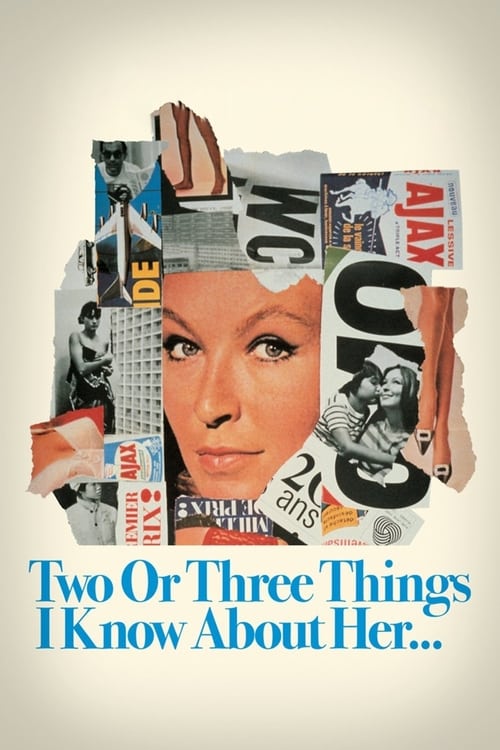
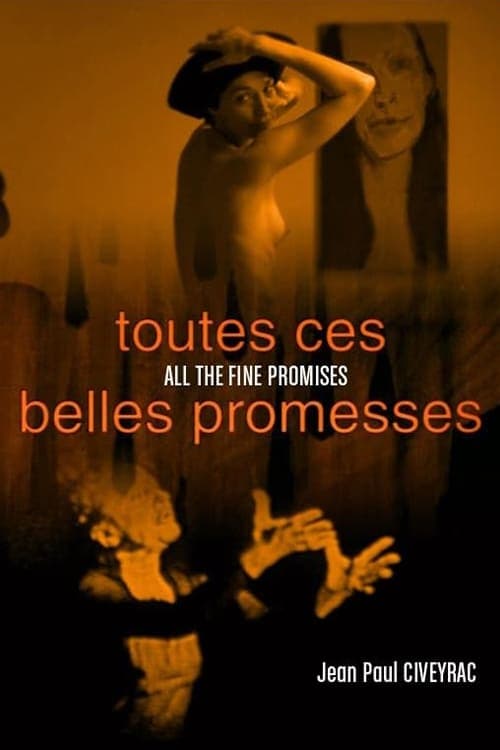
As the city of Paris and the French people grow in consumer culture, a housewife living in a high-rise apartment with her husband and two children takes to prostitution to help pay the bills.
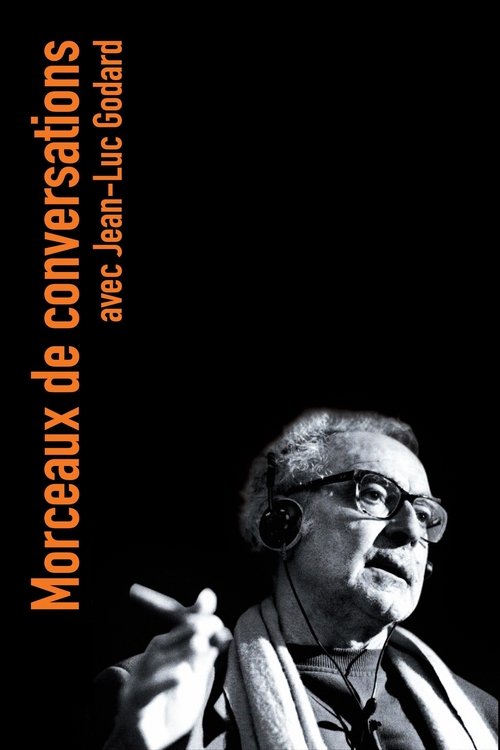
In his meetings with various different people, Jean-Luc Godard develops his thinking about history, politics, the cinema, images and time, and this will lead to his exhibition as an artist at the Pompidou Centre. Jean-Luc Godard’s conversations with Dominique Païni, Jean Narboni, André S. Labarthe, Jean-Marie Straub, Danielle Huillet and Christophe Kantcheff were filmed at his home in Rolle, in his study, at the Fresnoy National Studio for the Contemporary Arts (in front of students) and in the exhibition rooms of the Pompidou Centre.
Two narrators, one seen and one unseen, discuss possible connections between a series of paintings. The on-screen narrator walks through three-dimensional reproductions of each painting, featuring real people, sometimes moving, in an effort to explain the series' significance.
Reel 33 of Gérard Courant’s on-going Cinematon series.
Marianne, a young cellist discovers that her father had a mistress who is still alive. Her journey to find this mysterious woman takes her to places and people from her childhood that she thought she'd left behind forever.
From the first meeting with the critic Louis Marcorelles to his last interview in Cahiers du cinéma, a portrait of Glauber Rocha, a leading figure of Cinema Novo, enriched with testimonies from his close friends such as Juliet Berto and Christiana Tullio Altan.
A travelogue of abandoned strip mining sites in France extolling their potential for recreational use.
A short video by filmmaker Noel Simsolo discussing Jean Cocteau and Jean-Pierre Melville’s creative relationship and the production of the 1950 film LES ENFANTS TERRIBLES.
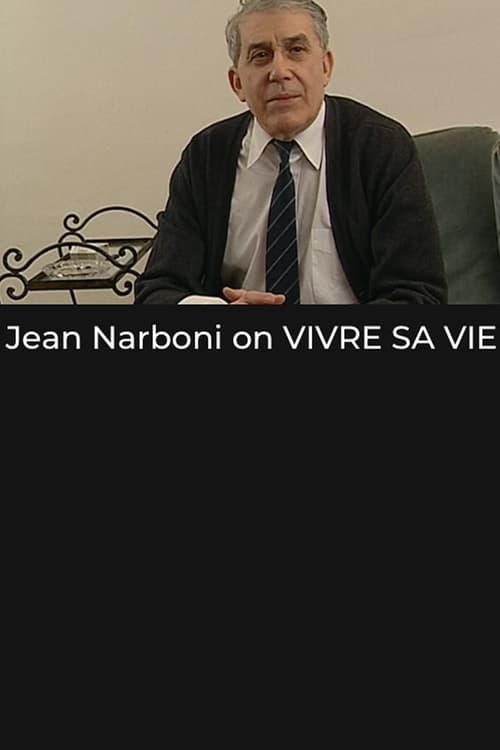
An interview with French film scholar Jean Narboni about Jean-Luc Godard's 1962 film VIVRE SA VIE.
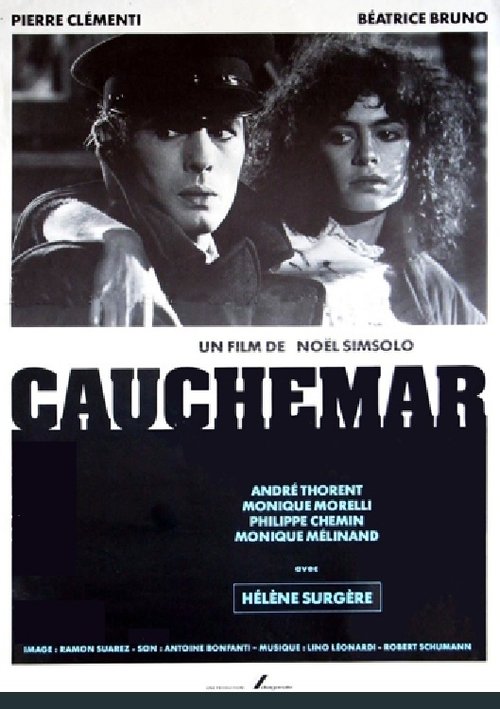
A troubled young woman who lives alone in a rundown house meanders around and one day reveals a hidden talent when she goes into a bar, plays magnificently at the piano, and leaves as mysteriously as she came. Meanwhile, an unidentified man is on her trail and eventually tracks her down to the bar she had visited. As the dragnet around her closes in, it becomes apparent that the young woman's stepmother is behind the effort to locate her. But questions over why she is hiding out and what she is hiding from begin to take on more importance as the history of the young woman starts to surface.
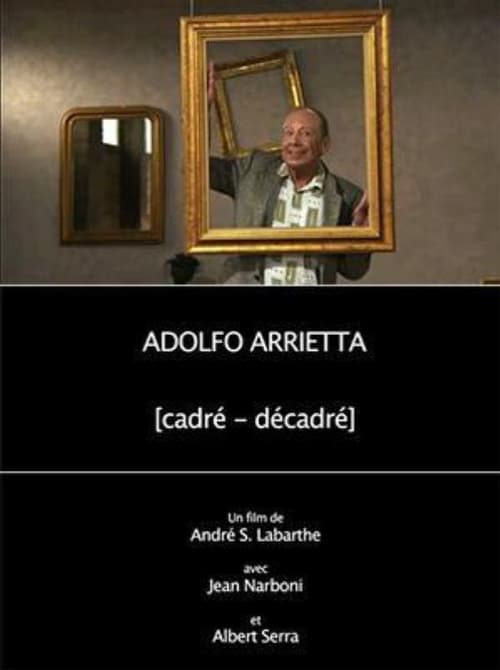
A “Cinéma, de notre temps” series episode directed by french film critic André S. Labarthe, originally aired sometime around 2015.
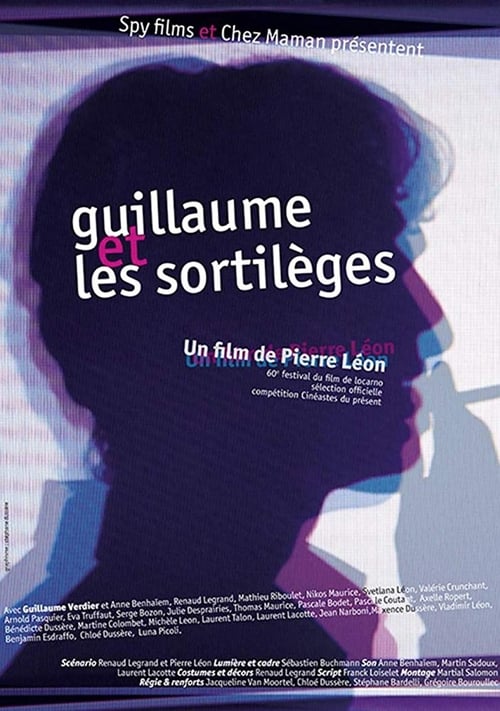
Contemporary Paris, mid-July. Guillaume arrives in the capital to caretake a large apartment until the end of the summer. Lucie, the apartment’s owner, and a friend of his mother’s, welcomes him… then suddenly disappears.
Jean-Louis Comolli and Jean Narboni, former editors at Cahiers du Cinema, interview their former colleagues and fellow travellers during the "Red Years" of the journal between 1968 and1973.