FEEL IT.STREAM
Jean-Pierre Gorin

Jean-Pierre Gorin

Directing

Biography

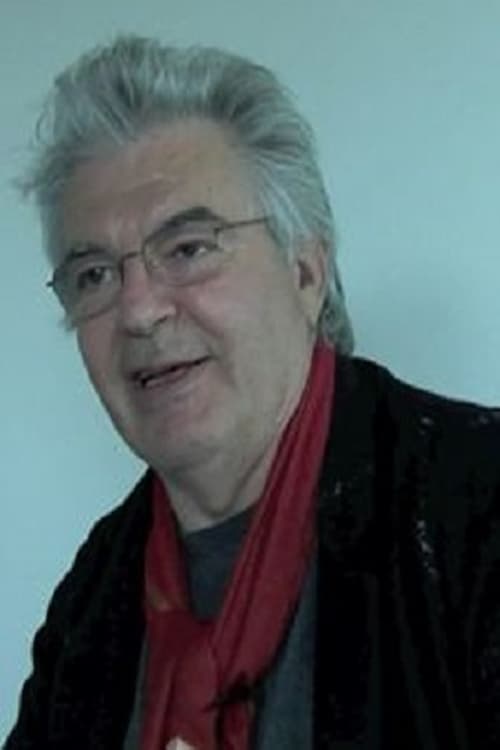
Jean-Pierre Gorin (born 17 April 1943) is a French filmmaker and professor, best known for his work with Nouvelle Vague luminary Jean-Luc Godard, during what is often referred to as Godard's "radical" period. Jean-Pierre Gorin was a student of Louis Althusser, Michel Foucault and Jacques Lacan. He was a radical leftist well before meeting Godard in 1966. Godard relied on some of his discussions with Gorin while writing the script of 1967's La Chinoise. Gorin played a role in making Le Gai Savoir, which was released in 1969. In 1968, Gorin and Godard founded the collective Dziga Vertov Group and together produced a series of overtly political films including Vent d'est (1970), Tout va bien (1972), and Letter to Jane (1972).
Known For

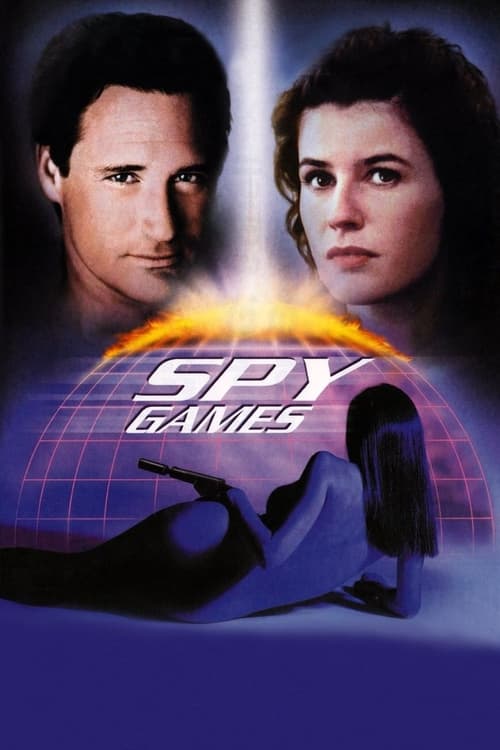
Spy Games
4.6

A romantic suspense-comedy about CIA agent Harry (Bill Pullman) and SVR agent Natasha (Irene Jacob) fighting to save the world, their lives and secret love in the post cold war Helsinki.

Spy Games

1999
Letter to Jane: An Investigation About a Still
7.2

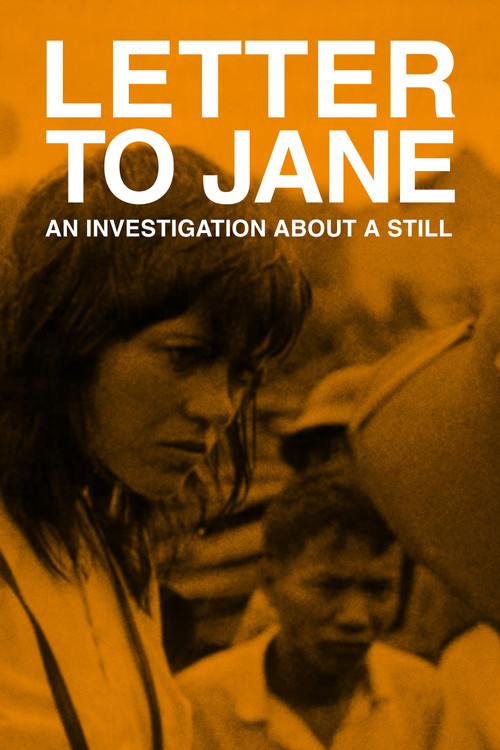
The film's subject is a photograph of Jane Fonda visiting Hanoi during the Vietnam War. It asks what the position of the intellectual should be in the class struggle and points out the irony of Jane Fonda's participation in the photo shoot, which was staged.

Letter to Jane: An Investigation About a Still

1974
Tout Va Bien
6.5

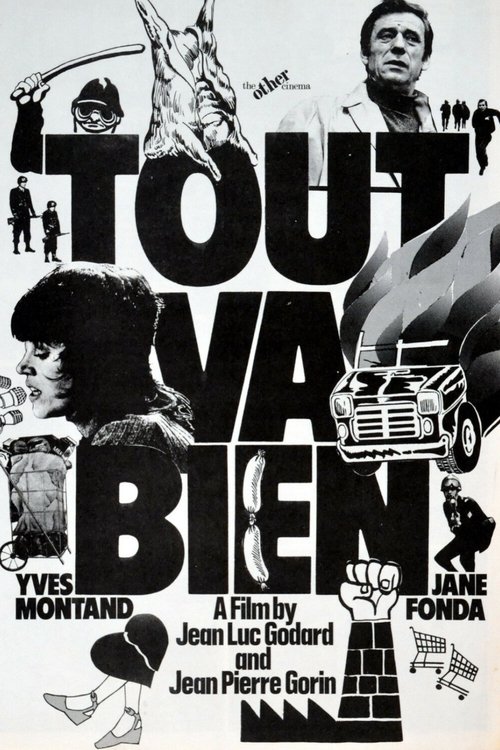
A strike at a French sausage factory contributes to the estrangement of a married filmmaker and his reporter wife.

Tout Va Bien

1972
Wind from the East
6.8

A politically oriented film in which images suggestive of a mock western are accompanied by an attack on all cinematic conventions to date and a debate on the nature and possibility of revolutionary cinema.

Wind from the East

1970
Milagrez
N/A

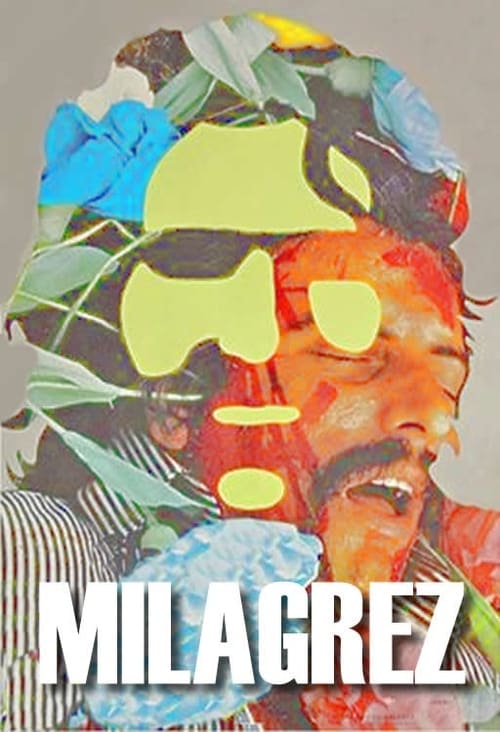
Documentary on "Antonio das Mortes", Glauber Rocha's 1969 film.

Milagrez

2008
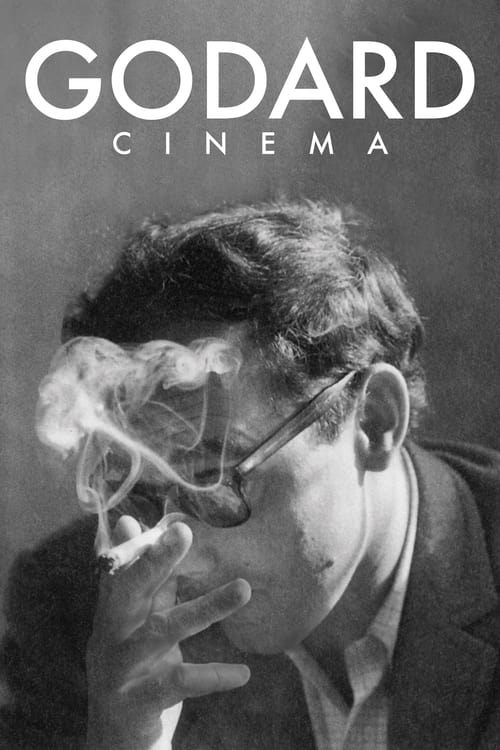
Godard Cinema
5.5

Jean-Luc Godard is synonymous with cinema. With the release of Breathless in 1960, he established himself overnight as a cinematic rebel and symbol for the era's progressive and anti-war youth. Sixty-two years and 140 films later, Godard is among the most renowned artists of all time, taught in every film school yet still shrouded in mystery. One of the founders of the French New Wave, political agitator, revolutionary misanthrope, film theorist and critic, the list of his descriptors goes on and on. Godard Cinema offers an opportunity for film lovers to look back at his career and the subjects and themes that obsessed him, while paying tribute to the ineffable essence of the most revered French director of all time.

Godard Cinema

2023
Here and Elsewhere
6.5

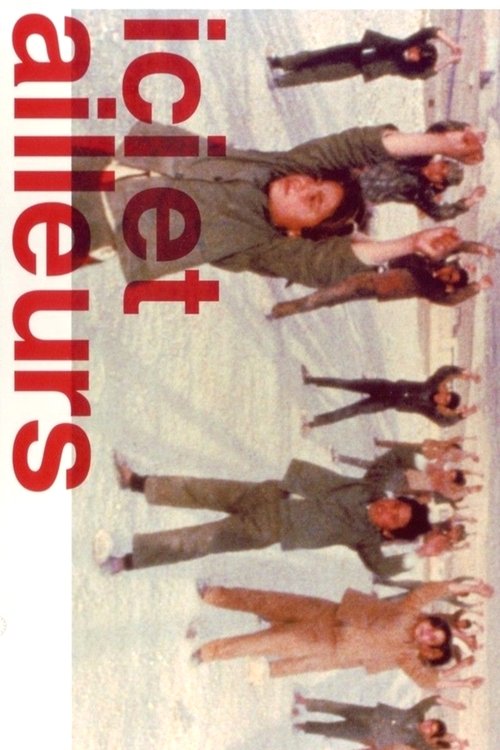
Here and Elsewhere takes its name from the contrasting footage it shows of the fedayeen and of a French family watching television at home. Originally shot by the Dziga Vertov Group as a film on Palestinian freedom fighters, Godard later reworked the material alongside Anne-Marie Miéville.

Here and Elsewhere

1976
Cinétracts
7.9

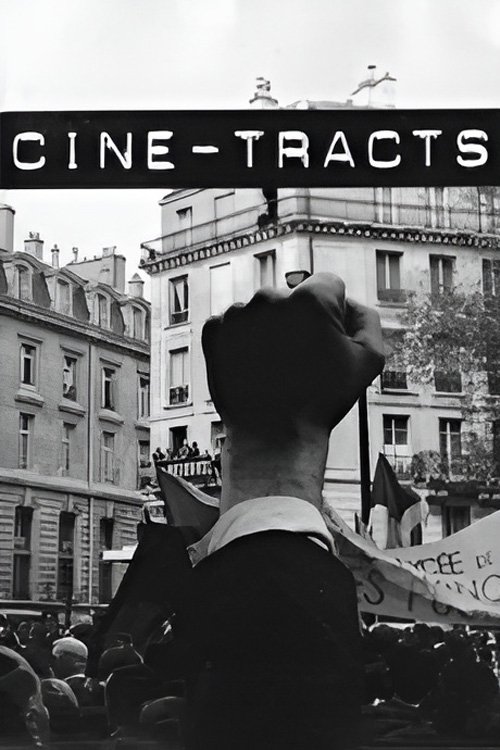
A series of 43 documentary shorts, directed (without credit) by several famous French filmmakers and each running between two and four minutes. Each "tract" espouses a leftist political viewpoint through the filmed depiction of real-life events, including workers' strikes and the events of Paris in May '68.

Cinétracts

1968
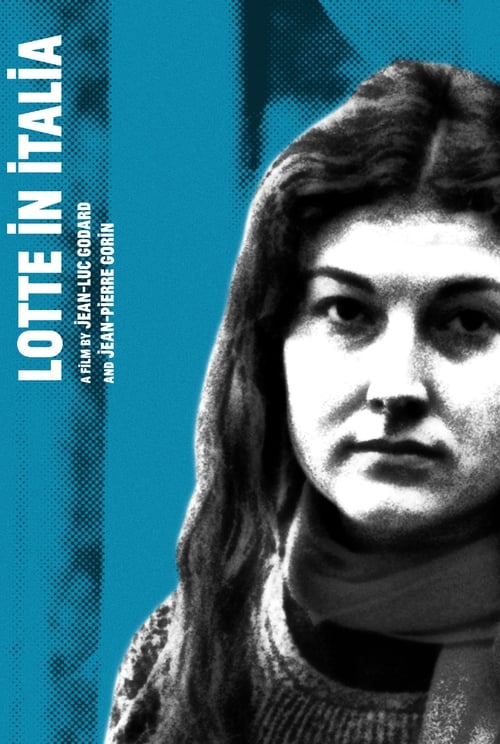
Struggle in Italy
7.2

The film reveals how and why a supposedly revolutionary Italian girl has in fact fallen prey to bourgeois ideology.

Struggle in Italy

1971
My Conversations on Film
3.2

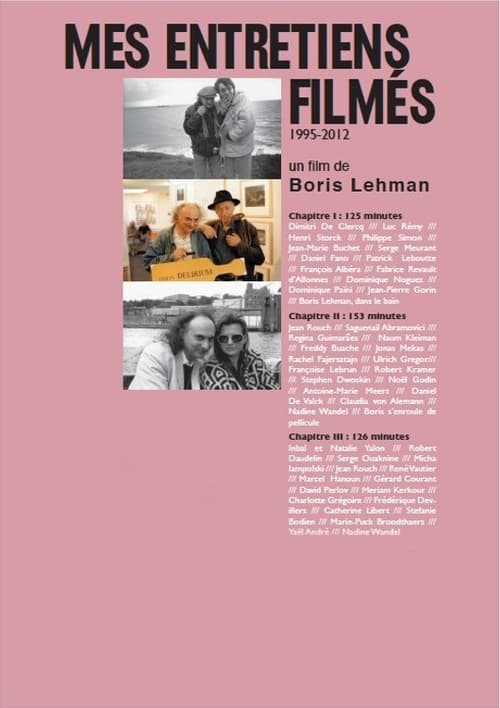
This distinctly personal journey into the artistic possibilities of independent film is not to be missed. Jonas Mekas, Jean-Pierre Gorin, Robert Kramer and many other visionaries and mavericks of the silver screen – as well as a book seller, a critic and a psychoanalyst – discuss what cinema has meant to them, what it is and what it could be and, implicitly, how it has changed over the 18 years in which this film was shot. Director Boris Lehman leads the charge, drawing in moments of absurdist humour and inventive camera work; he keeps things raw and spontaneous. His encounters with the now much-missed Jean Rouch and Stephen Dwoskin are particularly touching and stand testament to their personal playfulness and candour. An engaging, absorbing, epic odyssey of a movie.

My Conversations on Film

2013
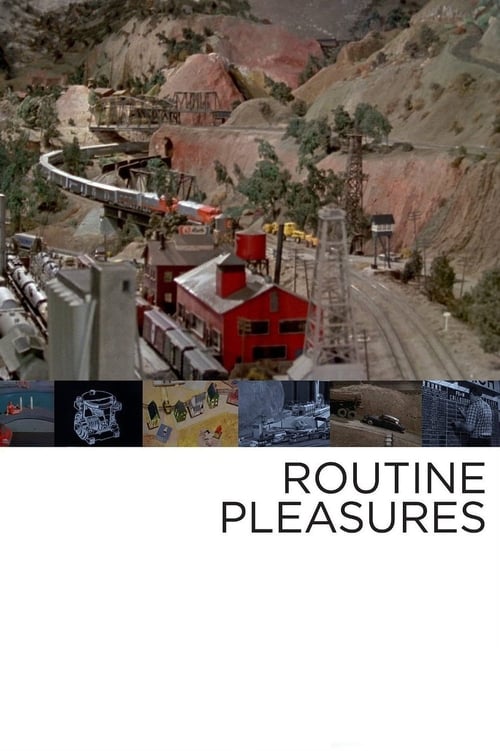
Routine Pleasures
6.8

Jean-Pierre Gorin interacts with a club of model railroad train enthusiasts and his mentor, artist/writer Manny Farber.

Routine Pleasures

1986
Vladimir and Rosa
6.8

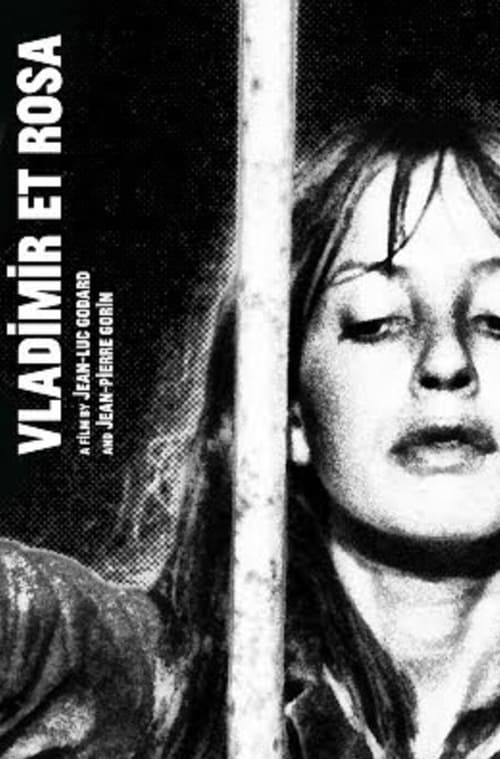
Jean-Luc Godard's and Jean-Pierre Gorin's interpretation of the Chicago Eight / Chicago Seven trial, which followed the 1968 Democratic National Convention protest activities. Judge Hoffman becomes the character Judge Himmler (played by Ernest Menzer) and the defendants become a microcosms of the French Revolution.

Vladimir and Rosa

1971
My Crasy Life
6.3

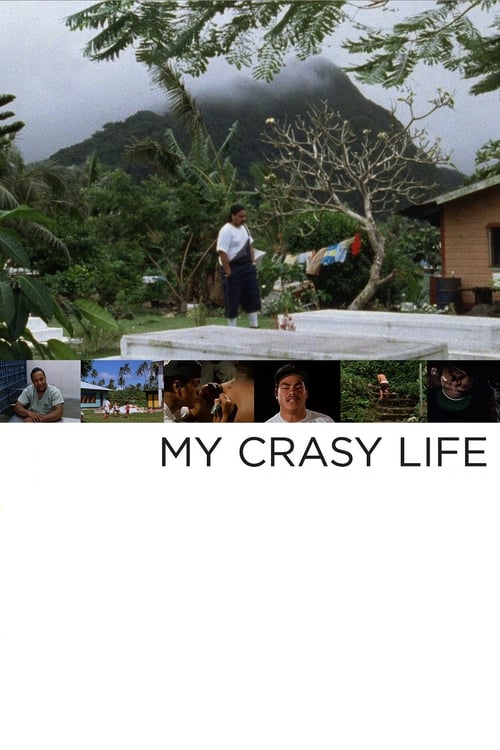
Jean-Pierre Gorin’s gripping and unique film about a Samoan street gang in Long Beach, California, is, like other works by the filmmaker, a probing look at a closed community with its own rules, rituals, and language. Part observational documentary, part fiction invisibly scripted and shaped by the director, My Crasy Life, which won a special jury prize at Sundance, is an enthralling and intensely focused contemplation of violence and dislocation.

My Crasy Life

1992
Poto and Cabengo
6.8

Documentary by Jean-Pierre Gorin about twin girls who spontaneously developed their own unique language as children.

Poto and Cabengo

1980
Godard in America
7.5

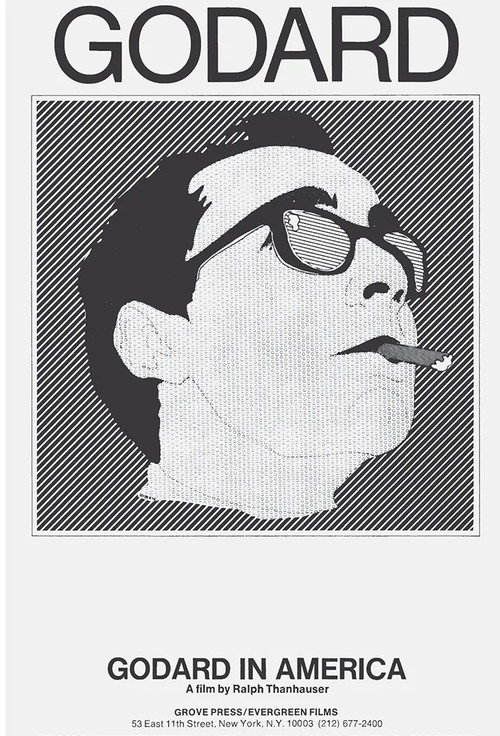
Spring 1970: Godard and Gorin, on the road, visiting colleges, speaking with Andrew Sarris, and explaining, through illustrated notebooks, their newest Dziga Vertov Group project, a film on Palestine.

Godard in America

1970
A Weekend at the Beach
N/A

Godard to come to the University California, San Diego to give a lecture. He stayed at our house at the beach. Some filmmakers and creatives came to visit him. They all stayed at our house on the beach. Guests were Heiner Müller, Wim Wenders, Martin Milner, Jim Mc Bride, Tom Luddy and other.

A Weekend at the Beach

2015
No image
7.0

In 1992, Olivier Messiaen's epic opera "Saint François d'Assise" was brought to the Salzburg Festival in a staging by Peter Sellars. The distinct visual appearance that Sellars lent to the opera, where video monitors with powerful images are used as a sort of high-tech metaphor for a cathedral's stained glass, drew critical acclaim and is still talked about as a watershed moment in opera to this day. This film here is a 75-minute documentary on the 1992 staging. Jean-Pierre Gorin filmed Sellars, baritone José van Dam (St. Francis) soprano Dawn Upshaw (The Angel), and the LA Philharmonic and conductor Esa-Pekka Salonen as they rehearsed for the big day. There are interviews with these artists, though Sellars gets most of the screen time. The documentary is very much about Sellars' vision for Messiaen's theatrical drama. Very little is said about Messiaen's music.

Letter to Peter, on Saint François d'Assise by Olivier Messiaen

1992
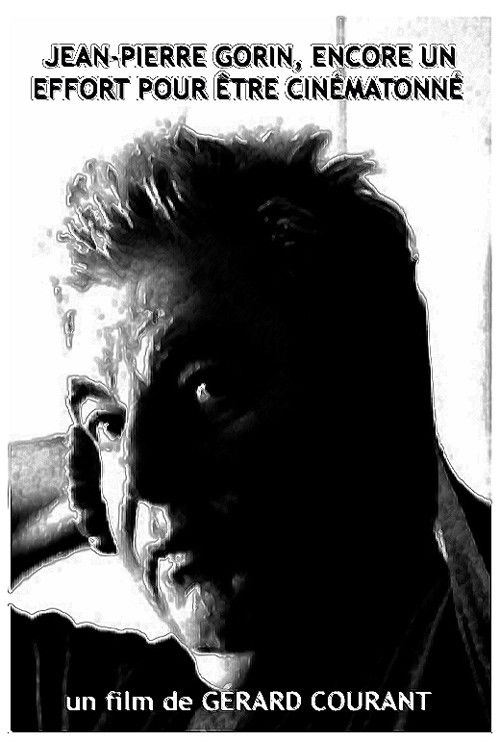
Jean-Pierre Gorin, encore un effort pour être cinématonné
N/A

Jean-Pierre Gorin, encore un effort pour être cinématonné is a fake Cinématon. It is not part of the Cinématon anthology and is therefore relegated to the category of Cinématons outside the collection.

Jean-Pierre Gorin, encore un effort pour être cinématonné

2014