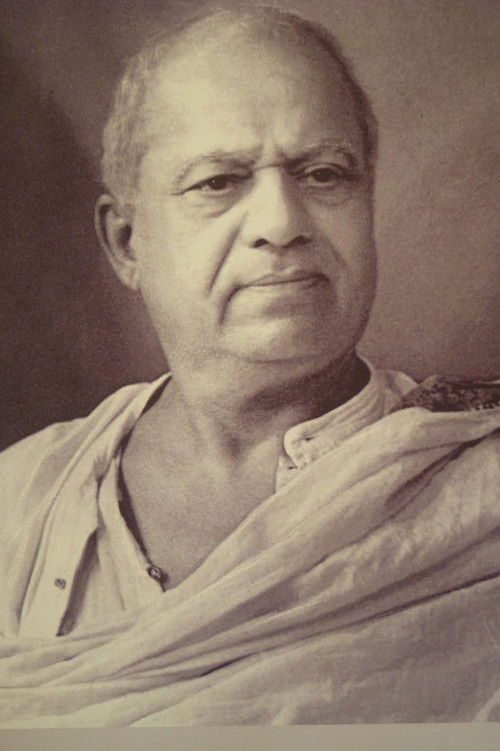
Dhundiraj Govind Phalke
Directing
Biography
Shri.Dhundiraj Govind Phalke popularlyknwon as Dadasaheb Phalke was born in Nashik,Maharashtra,india. and is revered as "the Father of Indian Cinema," The era of studios dawned in the early 20th century, after Dadasaheb Phalke made India's first film, Raja Harishchandra, under the banner "Phalke Films" In 1913. India's first full-length feature. Spanning a 19-year career, he directed 95 features and 27 shorts, including classics like Mohini Bhasmasur and Kaliya Mardan. Notably, he transitioned from photography to filmmaking, even incorporating magic tricks for visual effects. The prestigious Dadasaheb Phalke Award honors his immense contribution to Indian cinema.Film City is officially knwon as Dadasaheb Phalke Chitranagari and is an integrated film studio complex situated in Goregaon East, Mumbai in India.He hasmade outstanding contribution to Indian Cinema. The Dadasaheb Phalke Award, instituted by the Government of India in 1969, is the highest official recognition for lifetime contribution to Indian cinema. It remains one of the most prestigious honors in the Indian film industry. The first recipient of this award was legendary actress Devika Rani, who was honored at the 17th National Film Awards. In recognition of Dadasaheb Phalke’s invaluable contribution to cinema, India Post issued a commemorative postage stamp featuring his portrait in 1971. Additionally, in 2001, the Dadasaheb Phalke Academy in Mumbai introduced a separate honorary award for lifetime achievement in Indian cinema. TMDB mini biography by: Ashvin Borad
Known For
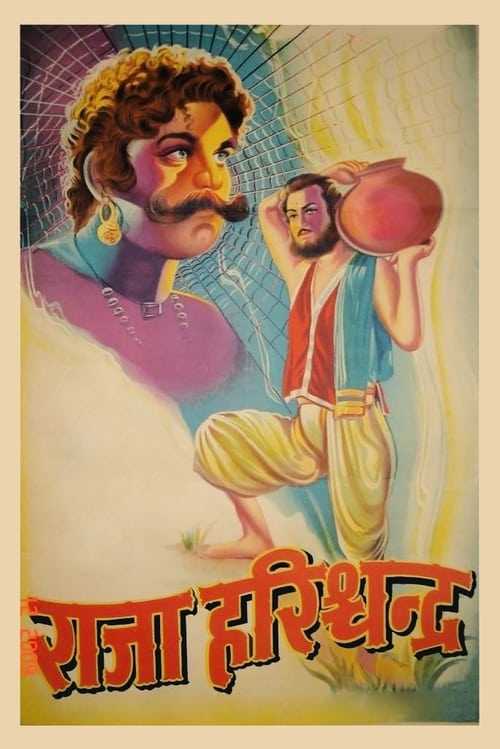
Revolves around the noble and righteous king, Harishchandra, who first sacrifices his kingdom, followed by his wife and eventually his children to honor his promise to the sage Vishwamitra.
Raja Harishchandra
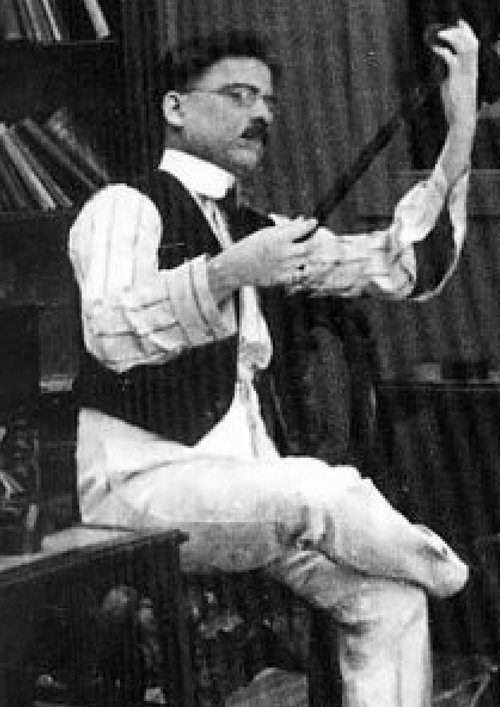
'How Films Are Made' (1917), a Satish Bahadur's documentary. All of these shots appear to have been taken during the shooting of the 1917 remake.
Chitrapat Kase Tayar Kartat

Lanka Dahan (Lanka Aflame) is a 1917 Indian silent film directed by Dhundiraj Govind Phalke (Dadasaheb Phalke). Phalke also wrote the film based on an episode of the Hindu epic Ramayana, credited to Valmiki. A retelling of the familiar 'Ramayana' story of Rama's wife Sita being abducted by Ravana, the demon king of Lanka, and Rama's triumph with the aid of men, monkeys and bears. From the trees Hanuman the brave monkey observes Sita held captive in the tulasi garden where Ravana comes to intimidate her. The main part of the film covers Hanuman's rage while in Lanka when he set the whole island afire with his burning tail.
The Burning of Lanka
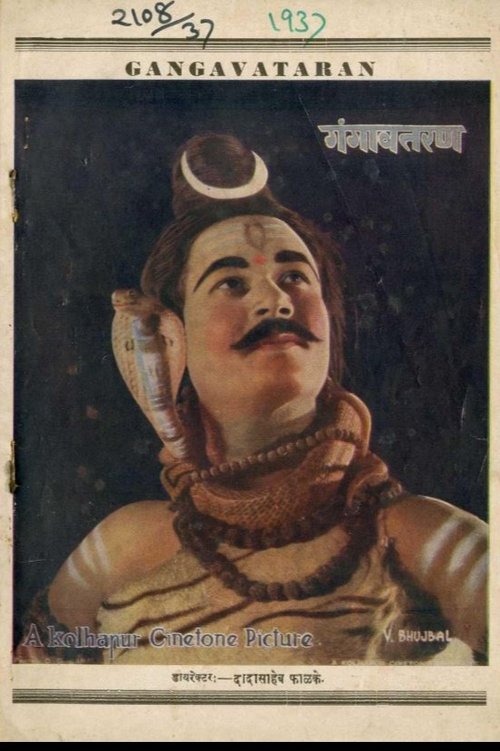
This is a Puranic tale, which, by all accounts, was a grand mythological spectacle full of miracles and fantasy scenes with special effects. Chitnis played the god Shanker, and Suresh played the sage Narada.
The Descent of the Ganges
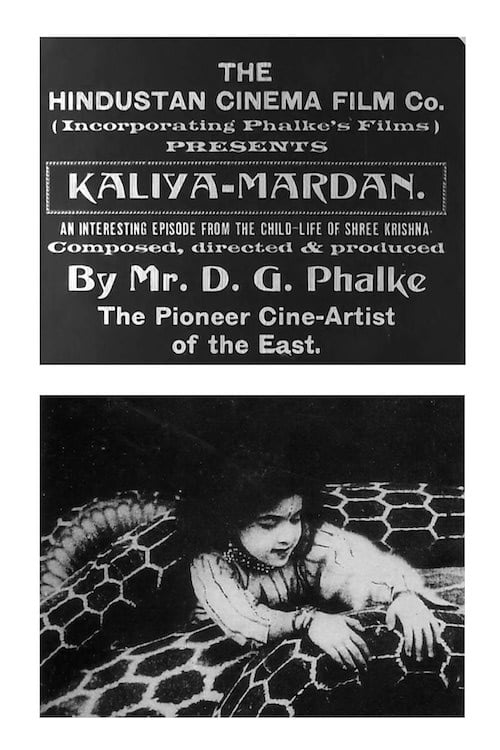
The playmates of Krishna are insulted by a female villager who splashes water on them. They take revenge by stealing butter from her house. When they are beaten up by the woman, they again take revenge with the aid of Krishna. He receives a gift of fruit for his help but gives it away. Krishna then enters the room of a wealthy merchant and his wife at night and ties the man's beard to his wife's hair. These exploits lead to a large crowd complaining of Krishna's antics to his foster parents.
The Childhood of Krishna
The plot of the film revolves around the Hindu mythological story of Mohini and Bhasmasur. At over five hours, it inaugurated the tradition of Indian cinematic epics and was the first Indian film to feature actresses.
Mohini Bhasmasur
This film begins with the invocation of 'almighty god' at a river where several people are gathered. The child god Krishna rises out of the water astride the demon snake Kaliya. Then we see Yashoda as she rocks the sleeping Krishna's crib and imagines the god as Gopala. The next scene shows Kamsa fantasizing about Krishna threateningly duplicated many times around him. Kamsa then imagines himself dead as his severed head rises up and descends again. People of all castes pay obeisance to the deity with the title-card: 'may this humble offering be accepted by the Lord'.
Birth of Shri Krishna
Drawn from the Vishnu Purana, this legend tells of Prahlad, the son of the demon tyrant Hiranyakshapu. Prahlad disobeys his father by worshipping the latter's hated enemy, Vishnu. He undergoes tortures, including being burnt in oil, trampled beneath an elephant and poisoning, until, finally, Vishnu appears from a pillar in his Narasimha guise to overwhelm the demon.
Bhakta Pralhad
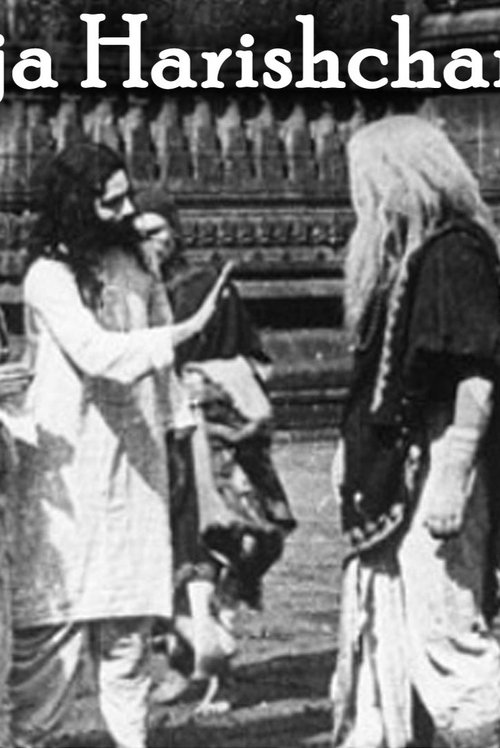
No description available.
Satyavadi Raja Harishchandra
First Motion short film in india created by Dadasaheb Phalke
Growth of a Pea Plant
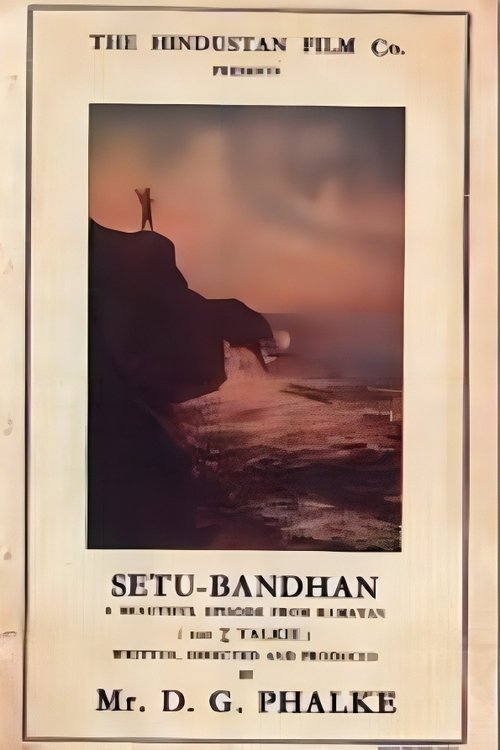
The first cinematic portrayal of the Hindu epic Ramayana tale featuring villagers constructing a giant bridge.
Setu Bandhan
Footage of bricklayers shot by film pioneer DB Phalke
Bricklaying
Short silent film produced and directed by Dhundiraj Govind Phalke
Animated Coins
Princess Savitri marries Satyavan, an exiled prince. However, their blissful married life is threatened when she learns of his prophesied death.
Satyavan Savitri
No description available.
Tilak's Week
Fragments of actuality coverage of the great Hindu festival of the Kumbh Mela held in Nasik.
Sinahsta Parvani
By Dadasaheb Phalke
The Dreamland of Ganjandrao
Two ladies dress to go out and then check over a crop of rice.