Acting
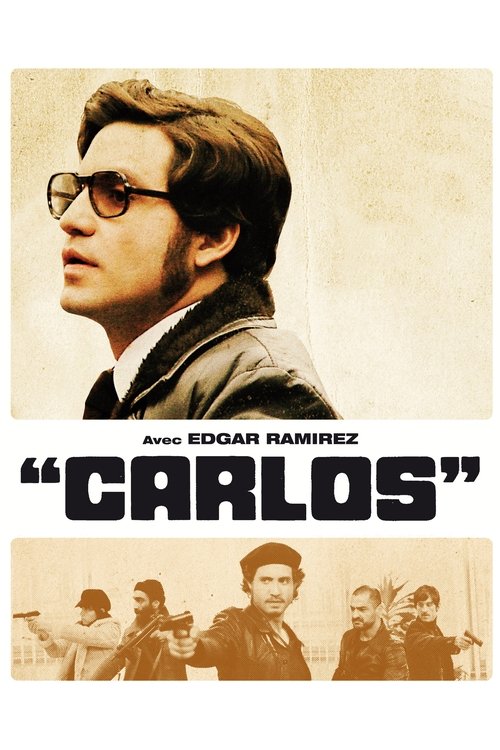
Carlos le Chacal est un terroriste vénézuélien à l'origine de nombreux meurtres, enlèvements et attentats à la bombe en Europe et au Moyen-Orient.
Véritable mythe, Carlos est au cœur de l’histoire du terrorisme international des années 1970 et 1980, de l’activisme propalestinien à l’Armée rouge japonaise. A la fois figure de l’extrême gauche et mercenaire opportuniste à la solde des services secrets de puissances du Moyen-Orient, il a constitué sa propre organisation, basée de l’autre côté du rideau de fer, active durant les dernières années de la guerre froide. Le film est l’histoire d’un révolutionnaire internationaliste, manipulateur et manipulé, porté par les flux de l’histoire de son époque et de ses dérives. Nous le suivrons jusqu’au bout de son chemin, relégué au Soudan où la dictature islamiste, après l’avoir un temps couvert, l’a livré à la police française. Personnage contradictoire, aussi violent que l‘époque dont il est une incarnation, Carlos est aussi une énigme.
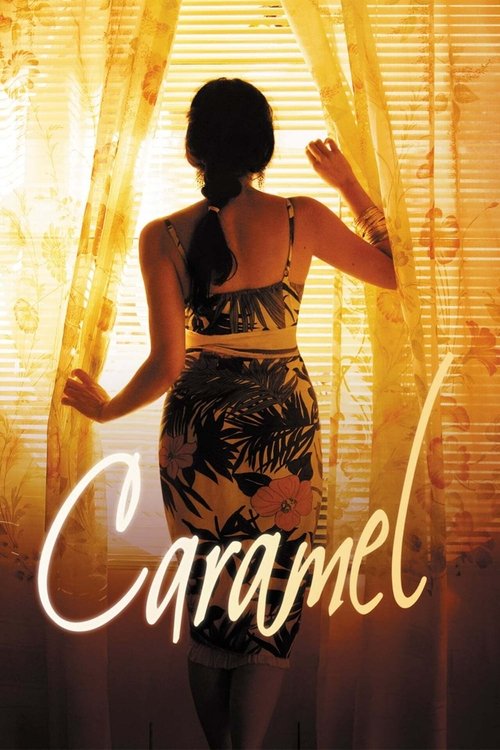
À Beyrouth, 5 femmes se croisent régulièrement dans un institut de beauté, microcosme coloré où plusieurs générations se rencontrent, se parlent et se confient. Layale est la maîtresse d'un homme marié. Elle espère encore qu'il va quitter sa femme. Nisrine est musulmane et va bientôt se marier. Mais elle n'est plus vierge et s'inquiète de la réaction de son fiancé. Rima est tourmentée par son attirance pour les femmes, en particulier cette cliente qui revient souvent se faire coiffer. Jamale est obsédée par son âge et son physique. Rose a sacrifié sa vie pour s'occuper de sa sœur âgée. Au salon, les hommes, le sexe et la maternité sont au cœur de leurs conversations intimes et libérées.
Une anthologie de films courts dédiés à la ville brésilienne de Rio de Janeiro. Chacun des récits, en véritable déclaration d'amour, révèle un quartier et une caractéristique de la cité à travers le drame social, le conte spirituel, la chronique de moeurs, la comédie sentimentale ou la satire.
Aucune description disponible.
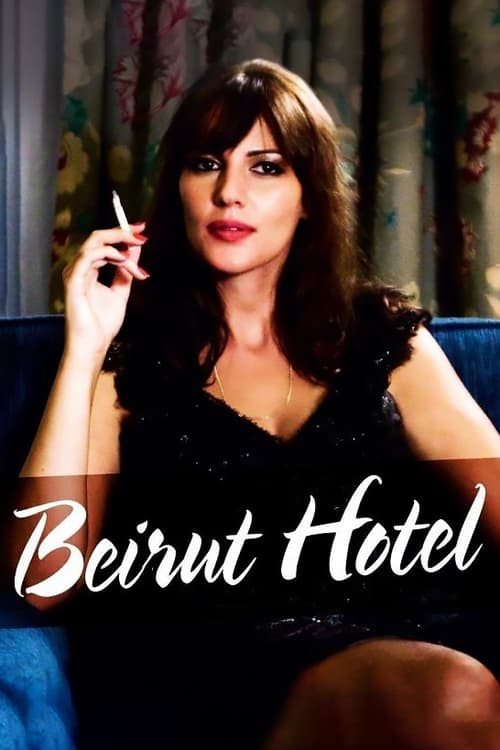
Elle, c'est une jeune chanteuse libanaise, Zoha, qui se produit le soir dans un hôtel de luxe, fume beaucoup et conduit trop vite. Elle vit chez sa mère depuis qu'elle a quitté un mari cavaleur et possessif. Lui, c'est un Français quadragénaire nommé Mathieu, qui se dit avocat d'affaires et doit se rendre en Syrie pour signer un mystérieux contrat. Quand ils se rencontrent dans un bar, cela ressemble à un coup de foudre, mais de troubles soupçons d'espionnage viennent empoisonner leur relation. Leur passion va vivre au rythme de Beyrouth avec sa fièvre, ses non-dits, sa violence qui affleure à tout instant, sa paranoïa.
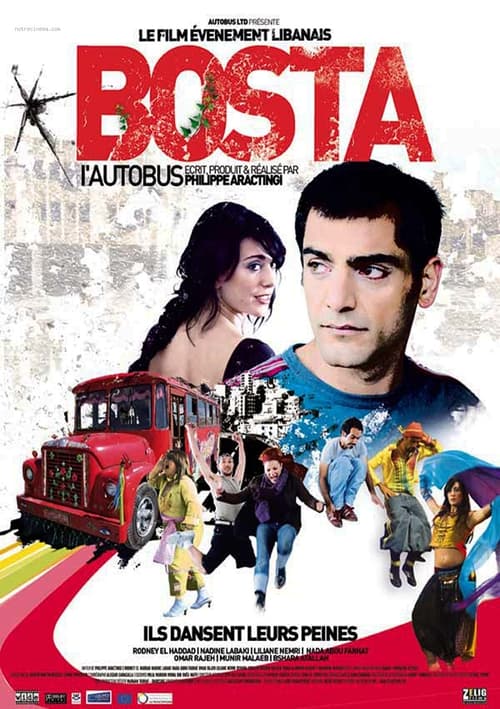
À son retour de France après 15 ans d'absence, Kamal veut reconstituer la troupe de danse qu'il avait formée avec ses amis d'enfance. Mélangeant la danse traditionnelle libanaise, la dabkeh et la musique électronique, la troupe crée une nouvelle forme de dabké mais se voit refuser de participer au Festival de danse traditionnelle d'Anjar. Elle décide alors de partir à bord d’un vieil autobus pour présenter sa nouvelle danse directement au public, dans les villages libanais. L'autobus traverse ainsi le Liban, au cours d'une tournée mouvementée où les uns et les autres vont se rapprocher, se séparer, se retrouver. Les membres de la troupe apprivoisent leur pays et renouent avec les particularités, les habitants, leur enfance et leurs interrogations…
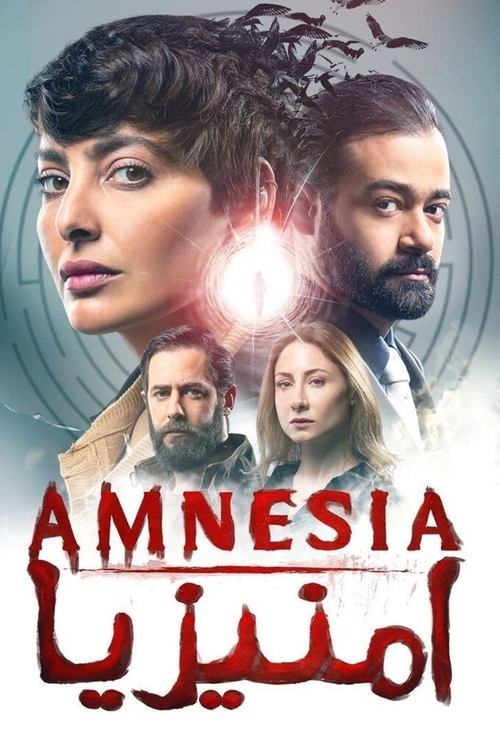
En hiver, à Beyrouth, Lili et Michel se rencontrent, ou peut-être se retrouvent… Leur relation se précise et se délite. Couple improbable entre deux époques, entre un passé et un futur qui semblent pouvoir s’intervertir, ils sont en quête d’un souvenir incertain.