
Uroš Živanović
Directing
Known For
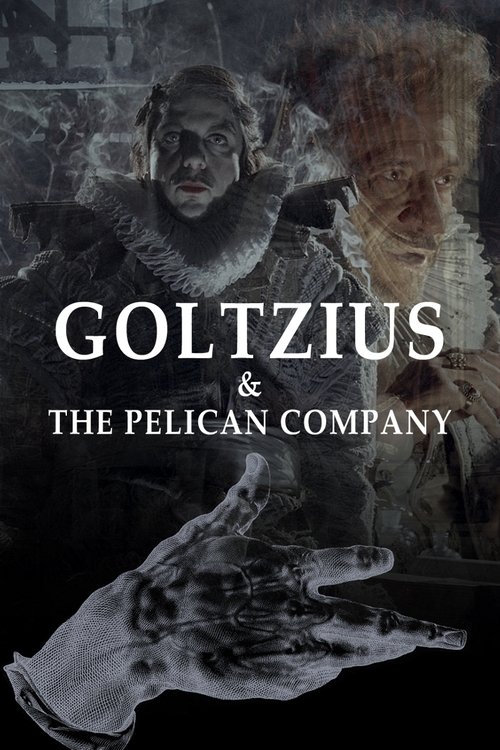
Goltzius and the Pelican Company tells the story of Hendrik Goltzius, a late 16th century Dutch printer and engraver of erotic prints. A contemporary of Rembrandt and, indeed, more celebrated during his life, Goltzius seduces the Margrave of Alsace into paying for a printing press to make and publish illustrated books. In return, he promises him an extraordinary book of pictures of illustrating the Old Testament’s biblical stories. Erotic tales of Lot and his daughters, David and Bathsheba, Samson and Deliah and John the Baptist and Salome. To tempt the Margrave further, Goltzius and his printing company will offer to perform dramatisations of these erotic stories for his court.
Goltzius & the Pelican Company
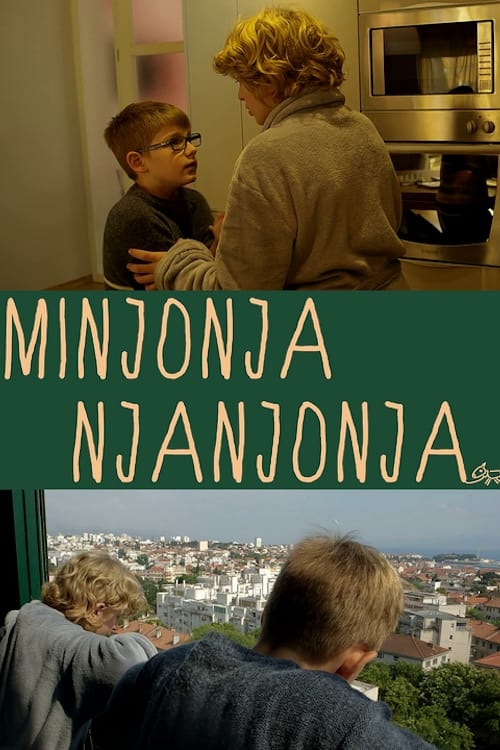
Just like any other 13-year-old, Antun is irritated by his younger brother.
Boo-boo Boo Hoo Hoo

Marina complains to Tomica for TV being too loud because “the baby’s just fallen asleep”. But he has a good reason for turning the volume up.
Sunday Night Special

While parquet floors are drying out in the apartment they've just moved in a couple of days ago, her and him are spending the night on the rooftop of their building. It's the end of summer, and their whole life together is in front of them. Premiered at Zagreb Film Festival in 2009 in Checkers programme (Croatian shorts), where it won the Golden Pram, the best film award.
Cold Front
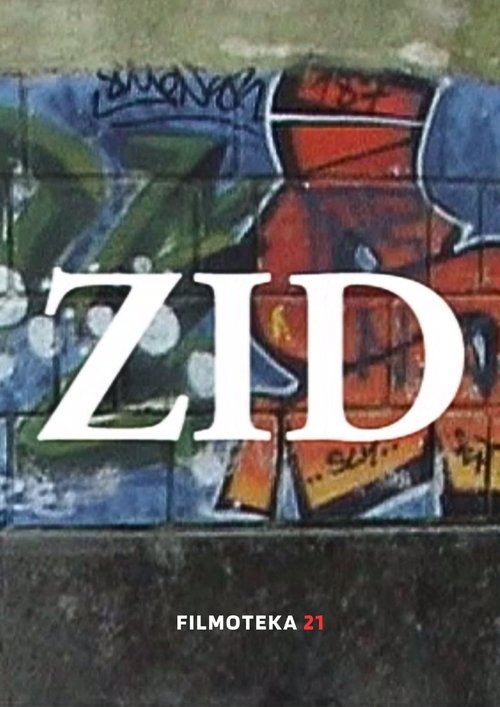
A young graffiti artist and applied arts graduate paints a 50-meter wall in Opatija, Croatia. The film follows her throughout this lengthy process and records locals’ and tourists’ reactions to it.
A Wall
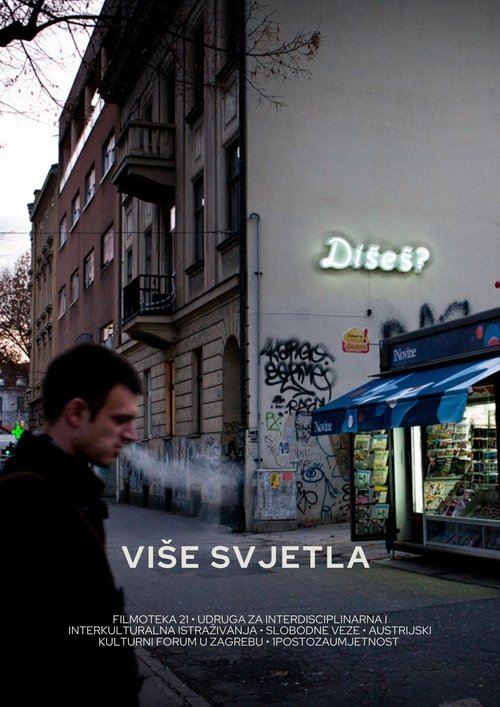
Made by artist, sculptor and art restorer Ana Elizabet, “Are you breathing?” (“Dišeš?”) was a public space intervention placed in 2011–2012 on a building wall along one of the more frequent streets in downtown of Zagreb, Croatia. The film explores building tenants’ and passengers’ reactions, and contextualizes this piece within the tradition of Yugoslavian and Croatian light art in the 1960s and ‘70s, as well as contemporary international trends in conceptual art.