Mark Brydon
Acting
Biography
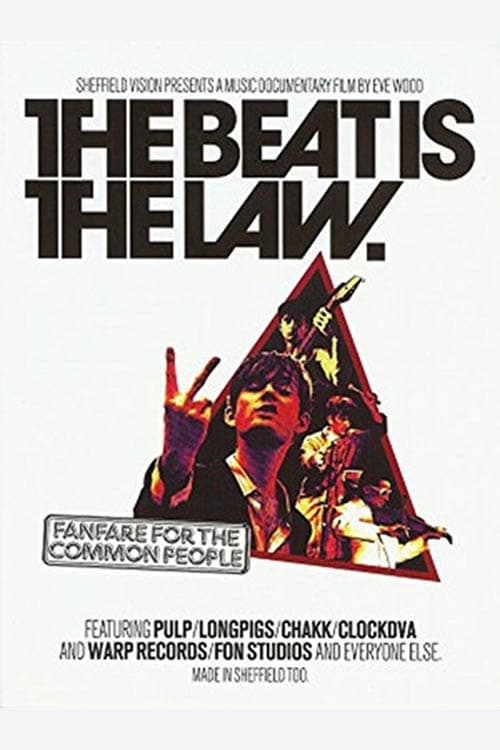
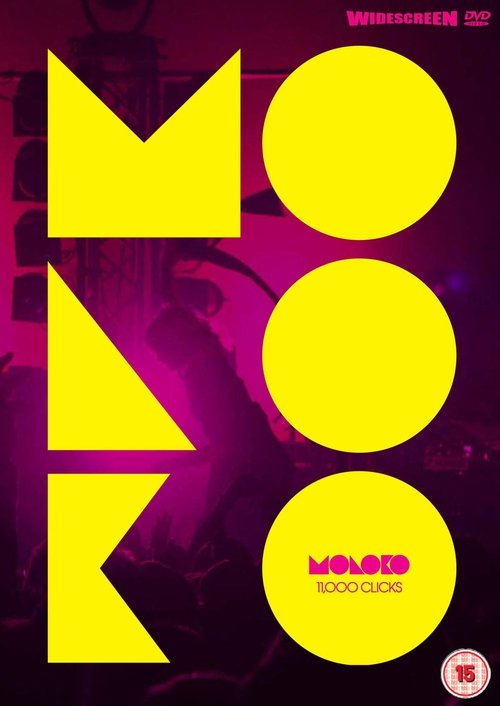
Mark Errington Brydon (b. 22 Dec 1960, in Sunderland, England), is a bassist, producer, composer, arranger, sound engineer and remixer, best known as a member of the group Moloko. He established himself in the Sheffield music scene, where he helped to build Fon Studios. Brydon made significant contributions producing Krush's 1987 British pop hit "House Arrest". He furthered his career with contributions to records and remixes such as "The Funky Worm" and efforts by The Human League, Psychic TV, Boy George, Art of Noise and other groups. As a bass player and producer he was a member of Chakk and Cloud Nine. His biggest contribution to British art pop, to date, resulted from his meeting Róisín Murphy at a cocktail party, with whom he formed Moloko. The two hit off immediately, and began working together first as a duo for two albums, then bringing in a full line-up to tour and record the last two Moloko albums. Moloko went on indefinite hiatus, after the promotion of "Statues" (2003), followed by a successful tour and the release of the full length concert video "11,000 Clicks" (2004), filmed at their final performance in Brixton, at the end of the "Statues" tour. Before the legendary Fon Studios' bankruptcy, Brydon had divested himself of his interests in it, for which he had done everything from designing studio architecture to hand-selecting equipment. He has continued a side career as a remixer, under such aliases as DJ Plankton. During Moloko's hiatus, Brydon is focusing his energies on the design of a new studio.