Camera
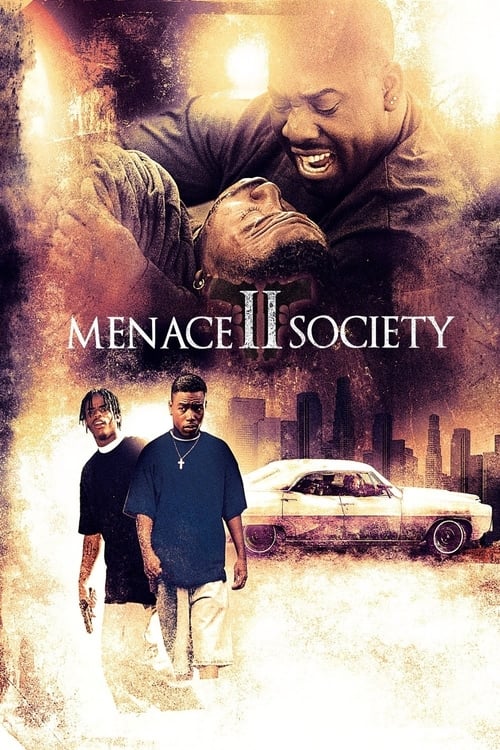
A young street hustler attempts to escape the rigors and temptations of the ghetto in a quest for a better life.
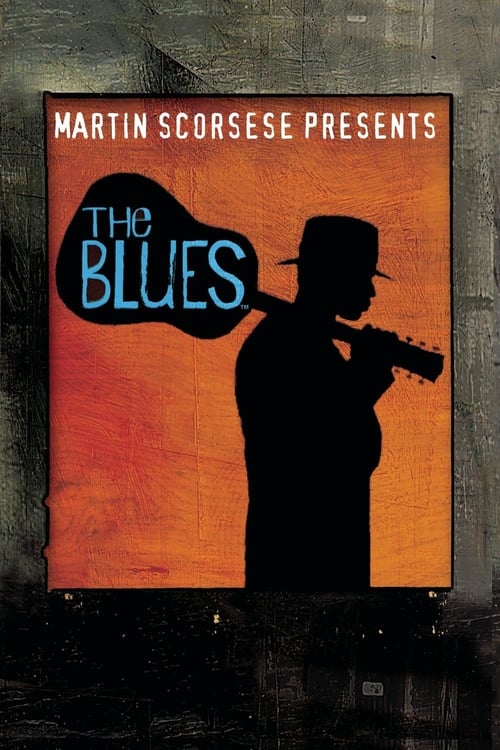
The Blues (2003) is a seven-part documentary series produced by Martin Scorsese that explores the history and influence of blues music. Each episode, directed by a different filmmaker, traces a unique aspect of the genre’s evolution—from its African roots to its global impact. Originally airing on PBS, the series includes Scorsese’s Feel Like Going Home, Wim Wenders’ The Soul of a Man, Richard Pearce’s The Road to Memphis, Charles Burnett’s Warming by the Devil’s Fire, Marc Levin’s Godfathers and Sons, Mike Figgis’ Red, White and Blues, and Clint Eastwood’s Piano Blues.
He was part of the most famous rock-'n'-roll quartet in history. But George Harrison was much more than just a member of The Beatles.
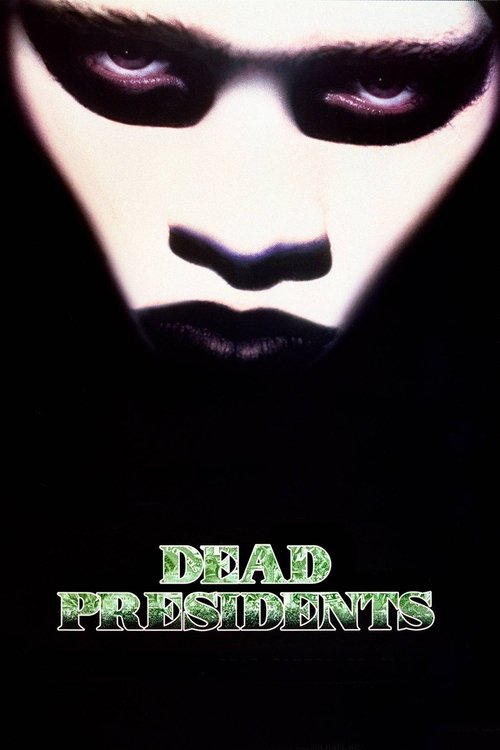
On the streets they call cash dead presidents. And that's just what a Vietnam veteran is after when he returns home from the war only to find himself drawn into a life of crime. With the aid of his fellow vets he plans the ultimate heist -- a daring robbery of an armored car filled with unmarked U.S. currency!
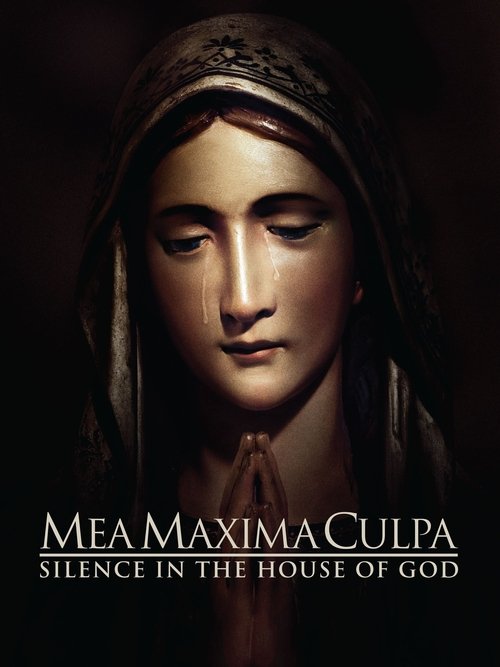
Alex Gibney explores the charged issue of pedophilia in the Catholic Church, following a trail from the first known protest against clerical sexual abuse in the United States and all way to the Vatican.
Five hapless inner-city low-lifes attempt to burgle a pawnbroker's safe, but end up being plagued by bad luck.
Tommy has lost his job, his love and his life. He lives in a small apartment above the Trees Lounge, a bar which he frequents along with a few other regulars without lives. He gets a job driving an ice cream truck and ends up getting involved with the seventeen-year-old niece of his ex-girlfriend. This gets him into serious trouble with her father.
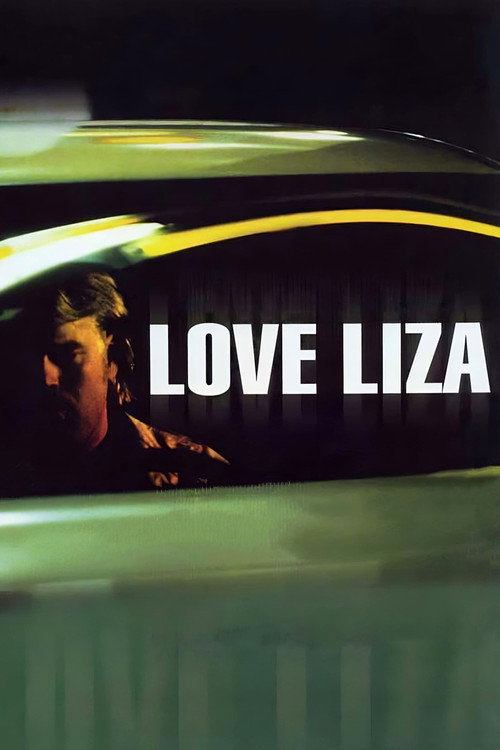
Following the unexplained suicide of his wife Liza, website designer Wilson Joel turns to huffing gasoline fumes and remote control gaming while avoiding an inevitable conflict with his mother-in-law.
California teen Anita Minteer struggles in the face of an absentee mother, her mom's abusive boyfriend, Rooney, and a lack of respect from her classmates. This all changes when a pen-pal school project connects her with convict Howard. Anita secures Howard's parole and violently squares off against Rooney after he rapes her. Soon enough, the gun-crazy teen is on the run with Howard, with his parole officer in pursuit.
Initially, there's that moment of happiness: an African-American celebrating in Harlem cheers "We're free!" as if Barack Obama's victory meant the ultimate end of slavery. AMERICAN PASSAGES is an associative journey through the United States: a disillusioned Iraq veteran, gay adoptive fathers, black judges, white party animals and a pimp at a casino table in Las Vegas. The extreme contrasts of black and white, rich and poor, winners and losers are often as surprising as the meaning of the constitutional right to the pursuit of happiness in these times of crisis. An epic panorama of America.
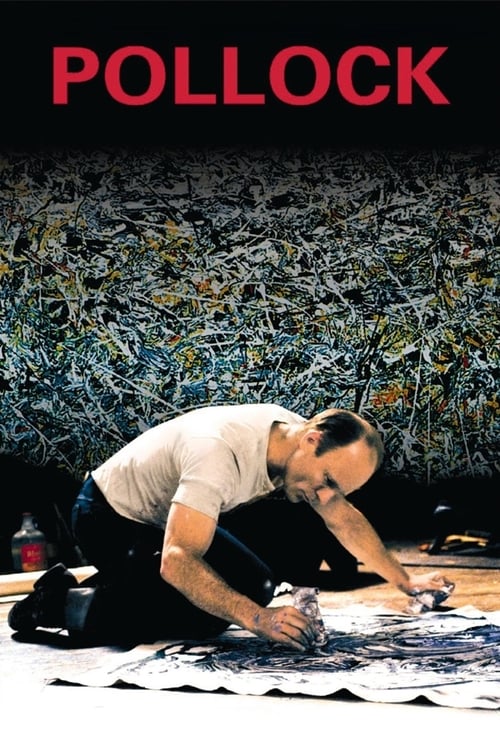
In August of 1949, Life Magazine ran a banner headline that begged the question: "Jackson Pollock: Is he the greatest living painter in the United States?" The film is a look back into the life of an extraordinary man, a man who has fittingly been called "an artist dedicated to concealment, a celebrity who nobody knew." As he struggled with self-doubt, engaging in a lonely tug-of-war between needing to express himself and wanting to shut the world out, Pollock began a downward spiral.
In the midst of his crumbling relationship, a radio show host begins speaking to his biggest fan—a young boy—via the telephone. But when questions about the boy's identity come up, the host's life is thrown into chaos.
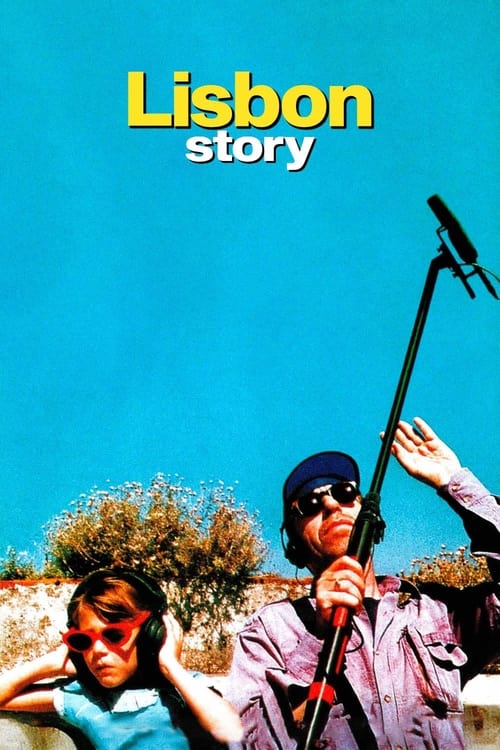
Wim Wenders' homage to Lisbon and films. A sound engineer obtains a mysterious postcard from a friend who at the moment is filming a film in Lisbon. He sets out across Europe to find him and help him.
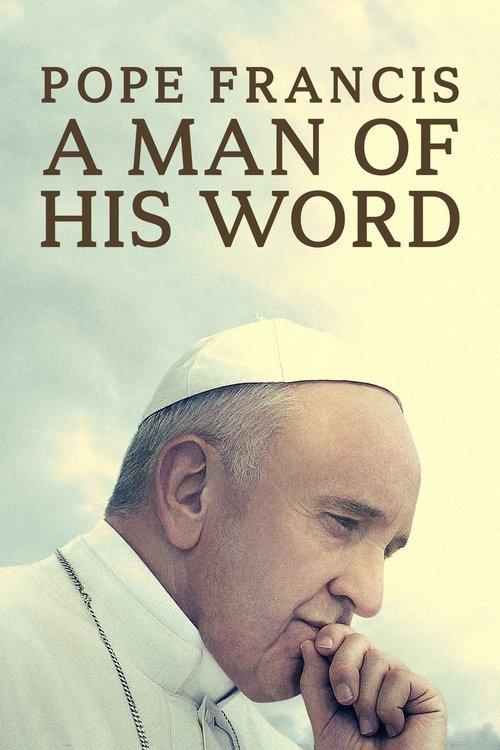
Pope Francis responds to questions from around the world, discussing topics including ecology, immigration, consumerism and social justice.
A summer heat wave and a series of sexual encounters connect a group of New Yorkers.
Based on 1992 journals of Bosnian visual artist Alma Hajric who was forced into a basement shelter to survive the siege of Sarajevo, Black Kites skillfully merges the reality-based content of her journal with interpretive visual material to reveal the simple, sometimes beautiful, yet brutal truth of her existence. Non-linear, dreamlike and spectral, Black Kites is a testament to artistry, imagination and the resiliency of the human psyche. Features sensitive performances by Steve Buscemi, Mimi Goese and Mira Furlan, a prominent actress from the former Yugoslavia, as the narrator.
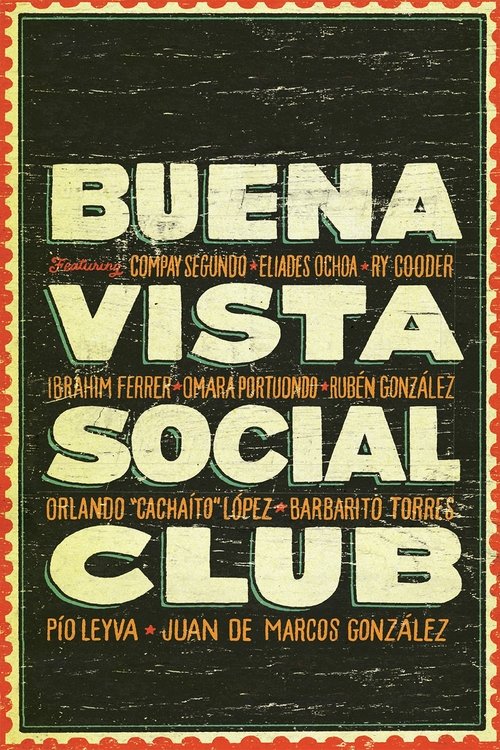
In this fascinating Oscar-nominated documentary, American guitarist Ry Cooder brings together a group of legendary Cuban folk musicians (some in their 90s) to record a Grammy-winning CD in their native city of Havana. The result is a spectacular compilation of concert footage from the group's gigs in Amsterdam and New York City's famed Carnegie Hall, with director Wim Wenders capturing not only the music -- but also the musicians' life stories.
Mona Gray is a 20-year-old loner who, as a child, turned to math for salvation after her father became ill. As an adult, Mona now teaches the subject and must help her students through their own crises.
In the future, surgeons practice their skill on androids designed to imitate patients, but Dr. Garrett sees this as pointless since she cares little about fake robotic patients. However, her latest patient Teach 109 changes her mind.
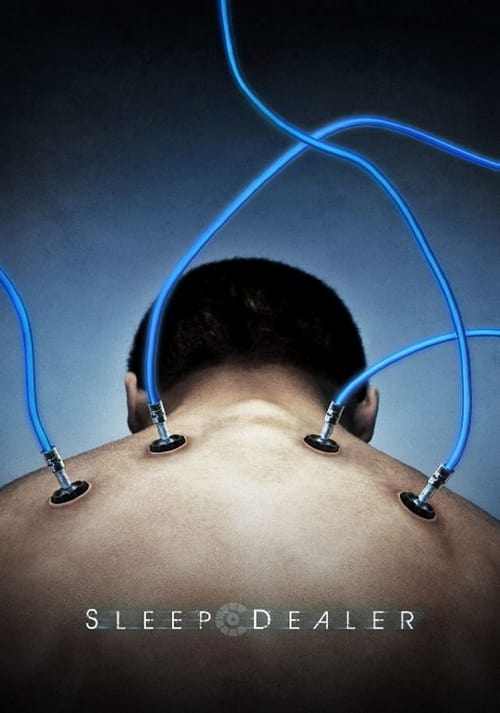
Set in a near-future, militarized world marked by closed borders, virtual labor and a global digital network that joins minds and experiences, three strangers risk their lives to connect with each other and break the barriers of technology.