Acting
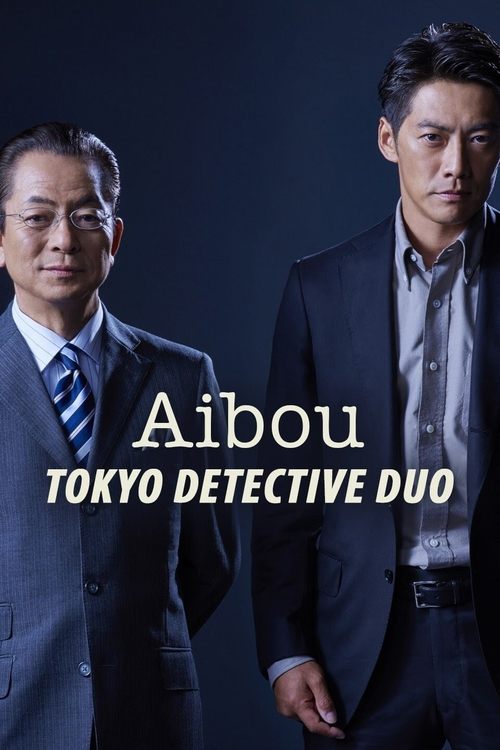
Detective Ukyo Sugishita confronts crime on the basis of his own convictions. He has a partner that works for him in the Special Task Unit. For the first 7 seasons, Ukyo’s first partner is Kaoru Kameyama. He is a good-natured, hot-tempered, straightforward and somewhat scattered detective. Beginning in Season 8, Takeru Kanbe replaces Kameyama. Contrary to his predecessor, Takeru is a lanky, cool, conceited and confident detective. From Season 11 to Season 13, Ukyo’s partner is a young detective Toru Kai. Toru is a son of Deputy Director-General of The National Police Agency. But he became a detective by his own effort. And starting with Season 14, Ukyo’s current partner is Wataru Kaburagi, an elite bureaucrat who came to the Metropolitan Police Department on temporary assignment. As the first partner without any career of a police officer, he will face challenging cases together with Ukyo.
Izumi Sakuragi is a new police sergeant with the Special Investigations Office, which was set up within the Metropolitan Police in November last year. The new investigation team uses DNA analysis and the latest in forensics science to investigate cold cases as well as cases suspected to involve missing persons.
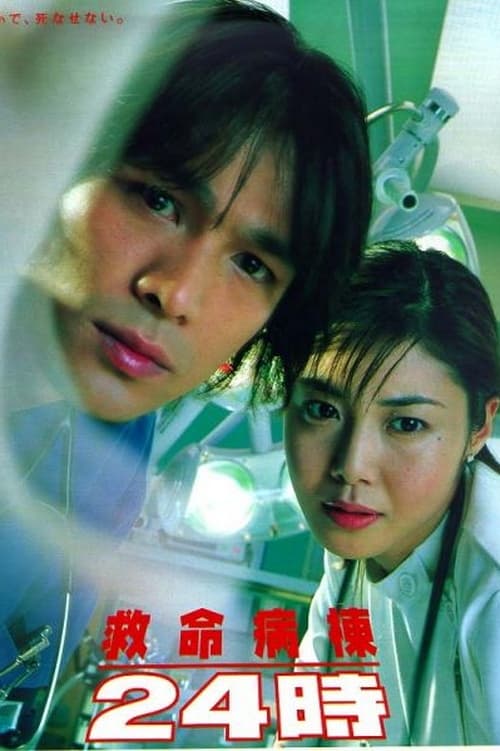
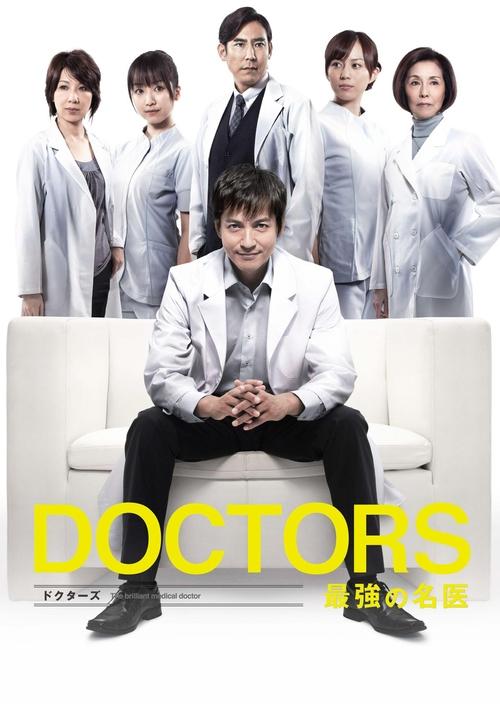
Dr. Shindo seems cold, but is a competent surgeon. He is also an ER doctor capable of accurate decisions and treatment, who always tries to see things from the patient’s side. Although once retired from his profession, he one day discovers someone in need of help, who he treats and rushes to the Kohoku Medical University Emergency Center. This incident encourages him to once again work as an ER doctor. Confrontation erupts between female doctor Tamaki, and Shindo, now a just-arrived ER doctor. While this human drama depicts the relationships among doctors and nurses, it appeals emotionally to viewers on the subject of life.
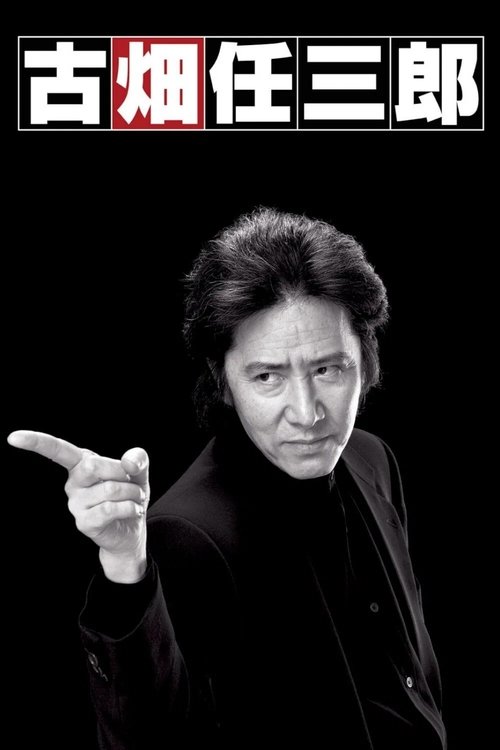
Furuhata Ninzaburō is a Japanese television series that ran periodically on Fuji Television from 1994 until its final episodes in 2006. It was written by Japanese playwright Kōki Mitani and is often referred to as the Japanese version of Columbo. The series is a police detective drama starring actor Masakazu Tamura as Furuhata Ninzaburo and Masahiko Nishimura as his stereotypically bumbling sidekick, Shintaro Imaizumi. The program aired weekly and featured a guest villain each time, usually a famous talent in Japan. Pop-stars like SMAP, television hosts like Sanma Akashiya and even sports figures like Ichiro Suzuki have been featured on this program. It was one of the most popular television dramas in the history of Japanese television, having spawned several seasons and TV specials.
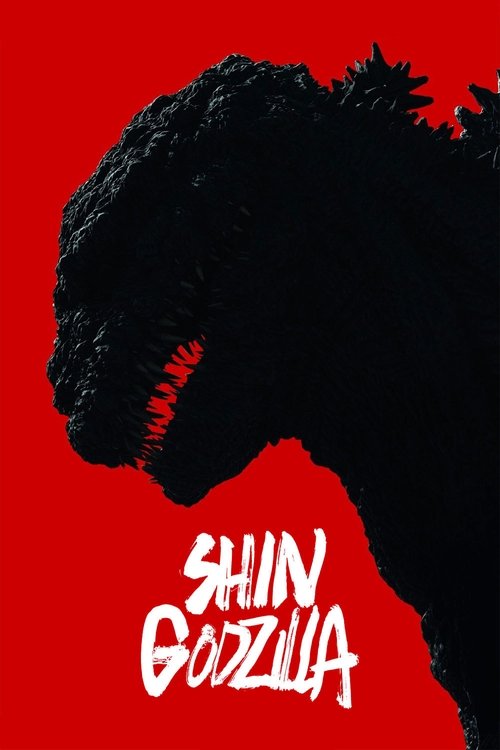
When a massive, gilled monster emerges from the deep and tears through the city, the government scrambles to save its citizens. A rag-tag team of volunteers cuts through a web of red tape to uncover the monster's weakness and its mysterious ties to a foreign superpower. But time is not on their side - the greatest catastrophe to ever befall the world is about to evolve right before their very eyes.
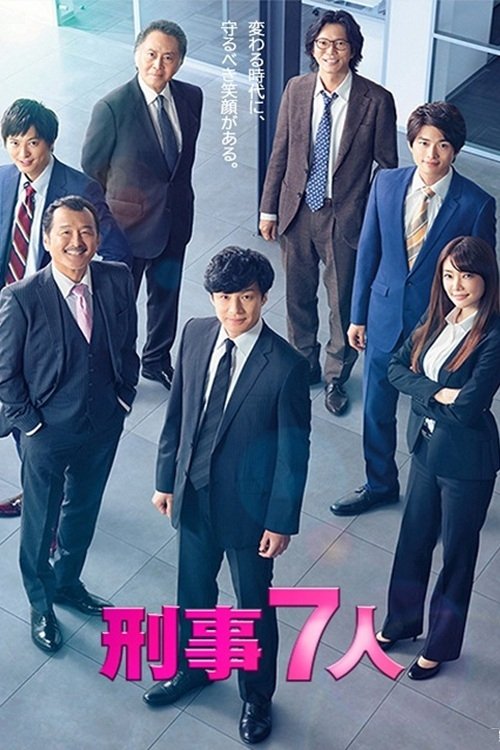
Yū Amagi is a slightly eccentric detective who has been assigned to the Twelfth Section of the Tokyo Metropolitan Police Department's First Investigative Division from the Lost and Found Centre. The Twelfth Section is called the "graveyard of detectives" and ridiculed as the "banishment room where hardened detectives who cannot be fired are sent." Its assembled detectives Kōsuke Samura, Takumi Yamashita, Keita Nagasawa, Tamaki Mizuta, and Masatoshi Katagiri are elite and yet oddballs. Amagi appears fixated with time which seems to have no relation with a case. Raising questions about the timelines of the perpetrator and victim derived from the estimated time of death, time of crime, time of alibi, and time limit, he searches for the meaning of "blank time" which arises from this. He obsesses over the weight of every minute and second of time because of some incident.
Based on true story of the wife of Ando Momofuku, the businessman who founded Nissin Food Products Co. Ltd. and the inventor of instant ramen, the 99th Asadora follows the life of Tachibana Fukuko, a young woman who tries to survive tough times in Osaka with her husband from before WWII to the rapid economic development era. Together they overcome various setbacks before they succeed in creating instant noodles. (Source: MDL)
Shomuni, that's the common name given to General Affairs Section 2 of a trading company. Here are six women who have ended up in this department known as "the dump" for office ladies. But Chinatsu Tsuboi (Makiko Esumi) declares that the value of woman is equal to the number of men. With her as the central focus they create a totally new type of office lady drama that does away with those heartless men still caught up in worn-out social ideas and the class system within the company.
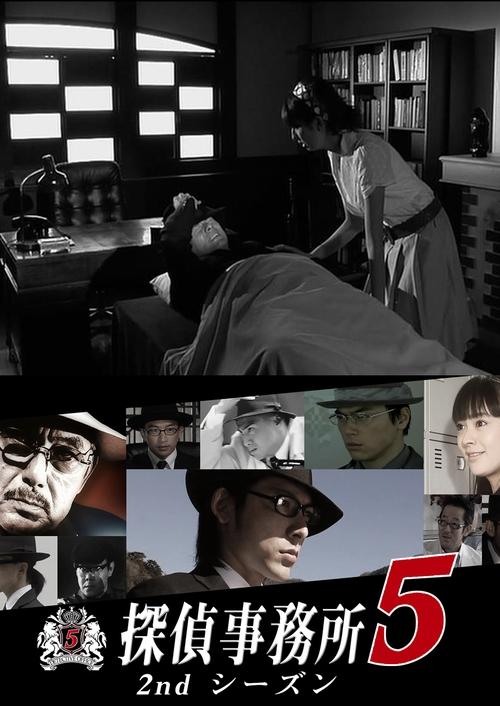
This anthology-style mystery series is part of the D‑5 PROJECT, centered around Detective Office 5 - a long-running private detective agency in Kawasaki. Each detective is known only by a number rather than a name (e.g., Detective 596, 532), with standalone stories featuring different characters and surreal, quirky cases.
Donoue General Hospital runs into a budget deficit, even though the doctors drive expensive imported cars and live an outlandish lifestyle. Office manager Momoi finds surgeon Kosuke Sagara through a medical website. Kosuke Sagara arrives at the hospital and tells the director of the general hospital to decide on his pay after watching his work. Kosuke Sagara informs the hospital that he had previously quit his job at a university hospital and taken a year sabbatical.
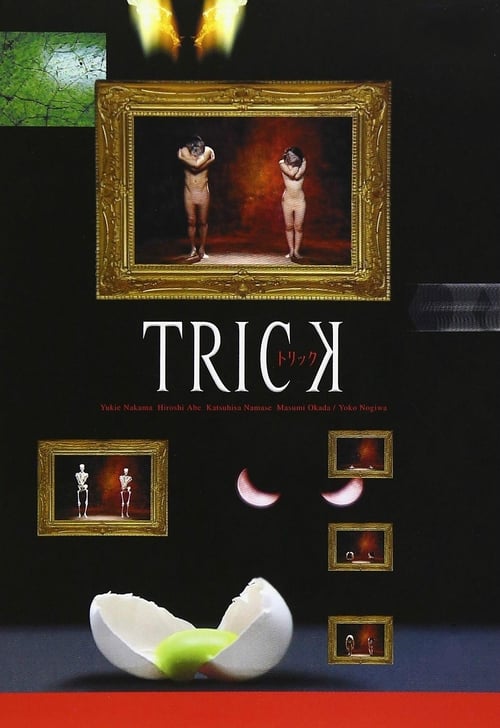
Although 23 year old Yamada Naoko is a "super" magician, she is continously fired and constantly hounded by her landlady for the rent being late. After being fired once again, her boss shows her an ad of a physics professor, a non-believer of all things magical, offering money to anyone who can prove to him that magic is real. Desperately needing the money, Naoko accepts the challenge, which is how she comes to meet Professor Ueda. Falling prey to her simple magic tricks, Ueda is impressed, and enlists Naoko to help him uncover the tricks behind a local cult. Their hilarious antics, along with those of police officer Yabe, leads them onto further mysteries, all with tricks needing to be solved in sort of an "X-Files" meets "Scooby-Doo"...
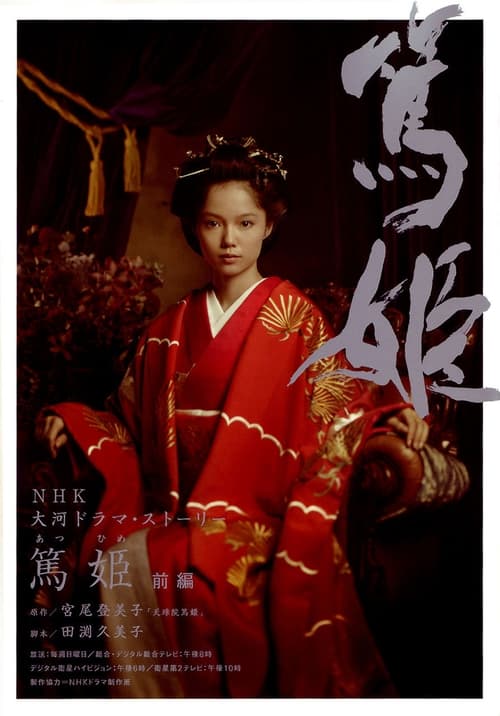
The 47th NHK Taiga Drama is a life story of Princess Atsu, who was born in Kagoshima Prefecture, then called Satsuma, and became the wife of Tokugawa Iesada, the 13th shogun of the Tokugawa shogunate. She accedes to the highest rank in Ooku, the inner palace of the Edo castle where women related to the reigning shogun resided. Iesada dies soon after their marriage and Atsuhime assumes the name Tenshoin at the age of 23. She exerts herself for the Tokugawa clan and for the nation during the upheaval in the Meiji Restoration, headed by those from Satsuma.
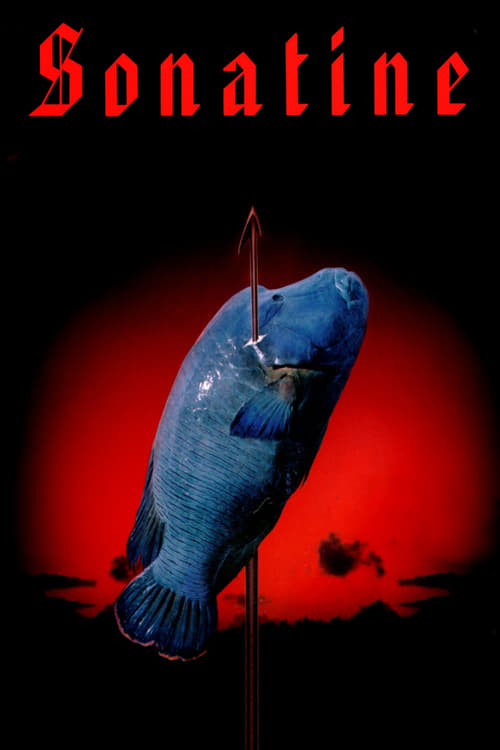
Beleaguered police detective Nishi takes desperate measures to try and set things right in a world gone wrong. With his wife suffering from leukemia and his business partner paralyzed from a brutal gangster attack, Nishi borrows from a yakuza loan shark and then robs a bank to clear his debt.
Sky High is a live-action, supernatural Japanese television drama series, starring actress and model, Yumiko Shaku. It aired in Japan, first run, from 2003 to 2004, and was popular enough to spawn the 2003 feature film of the same name. Both are based on the Japanese manga, Skyhigh. Shaku stars as Izuko, the Guardian of the Gate to the afterlife. The basic premise of the television series is somewhat similar in concept to the American series, Ghost Whisperer, in which the protagonist must use her powers to guide the dead on their journey to the afterlife by helping them determine the meaning or circumstance of their death. However, in Izuko's case, no matter how hard she tries, her guidance does not always result in a happy ending.
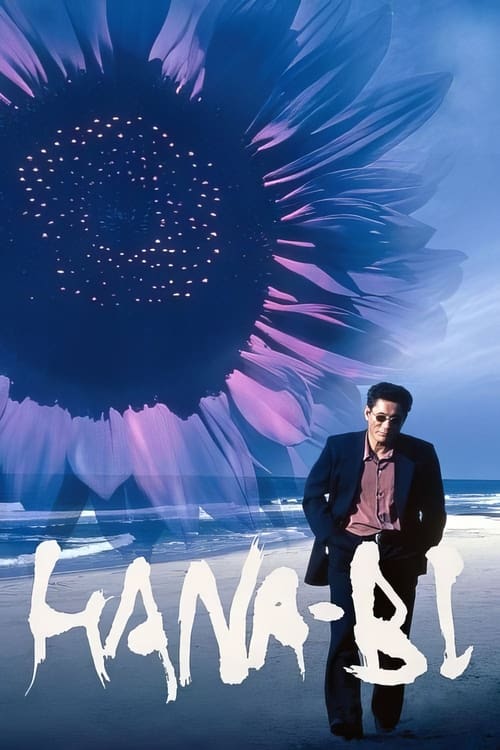
Murakawa, an aging Tokyo yakuza tiring of gangster life, is sent by his boss to Okinawa along with a few of his henchmen to help end a gang war, supposedly as mediators between two warring clans. He finds that the dispute between the clans is insignificant and whilst wondering why he was sent to Okinawa at all, his group is attacked in an ambush. The survivors flee and make a decision to lay low at the beach while they await further instructions.
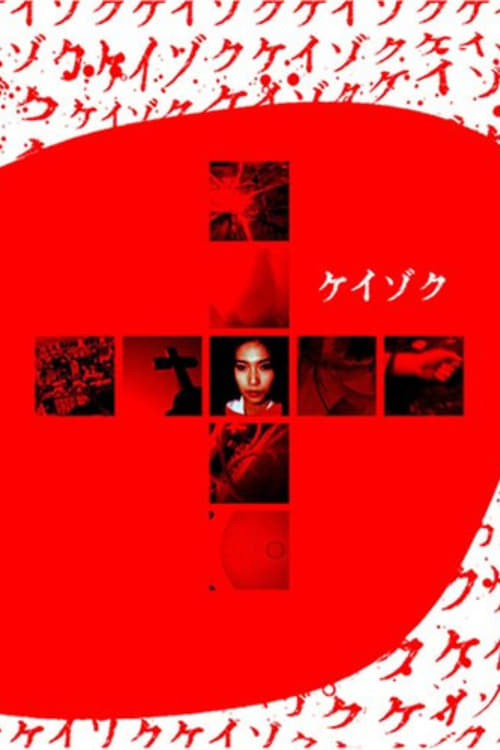
Keizoku is a Japanese mystery thriller created first as a TV drama and later as a film. It is about Detective Jun Shibata, who handles unsolved cases with her hardened partner Tōru Mayama. The television series was broadcast in eleven episodes between 8 January and 19 March 1999. A two-hour "special drama" was then broadcast on 24 December 1999. The series has been called "epoch-making" in the police procedural genre on Japanese television.
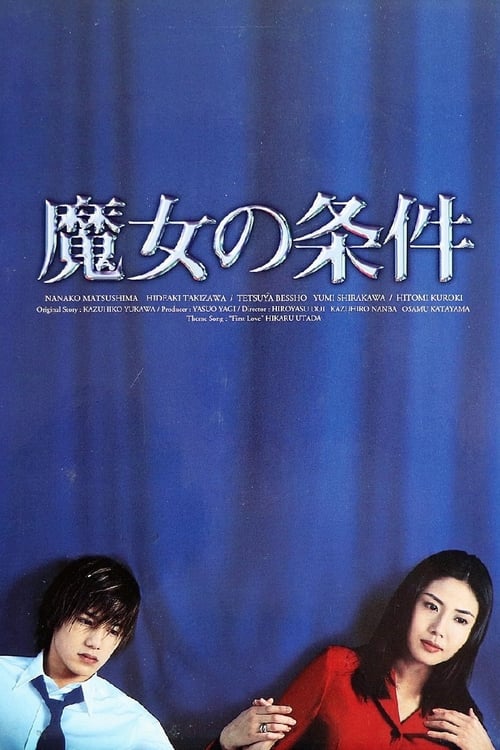
Michi, a 26 year old high school math teacher, tentatively accepts her boyfriend’s proposal of marriage, uncertain of her love for him but feeling pressure from her father and society to do what is expected of her. Hikaru, a 17 year old boy frustrated by his home life with his single mother and having been expelled from many high schools for bad behavior, enters Michi’s class as a new transfer student. As their relationship grows they realize that they both feel that they have lost themselves to the pressures of those around them, and it is this common bond that draws them dangerously close. What follows is a heart-wrenching story of forbidden love where Michi must face society’s judgement for corrupting a minor, abandoning her fiance, and disappointing her parents and co-workers.
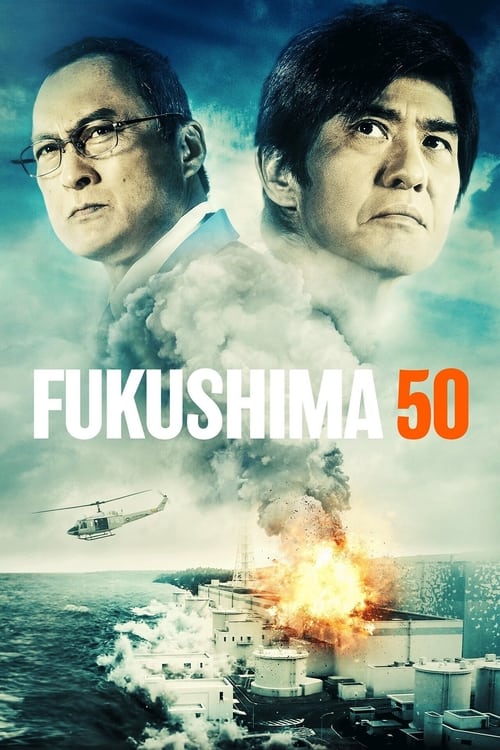
Workers at the Fukushima Daiichi facility in Japan risk their lives and stay at the nuclear power plant to prevent total destruction after the region is devastated by an earthquake and tsunami in 2011.
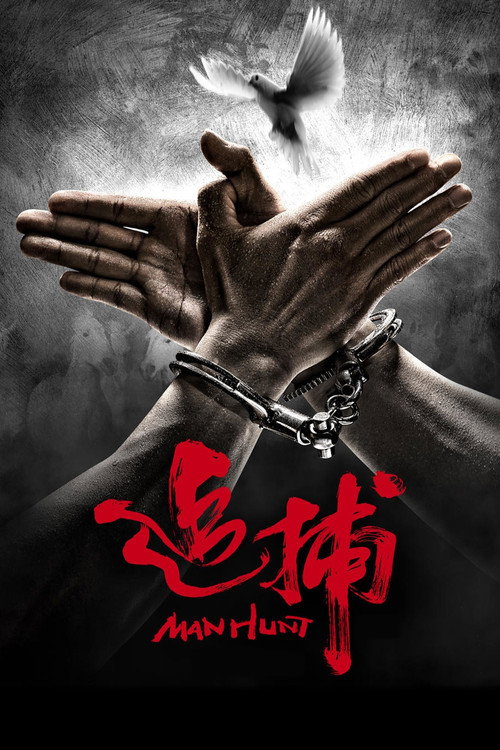
Accused of a murder he didn't commit, a prosecutor sets out on a mission to clear his name.
Freelance programmer Sakagami is paralyzed in the lower half of his body and confined to a wheelchair. He sets up a company called dele.LIFE in partnership with a law firm established by his late father. At the request of clients, Sakagami works together with a freelance jack-of-all-trades Mashiba to delete all unfavorable digital records of their clients left in their computers and smartphones after they die. They are not supposed to see inside the files but when they feel something strange in the client’s death, they cannot help getting involved.