Camera
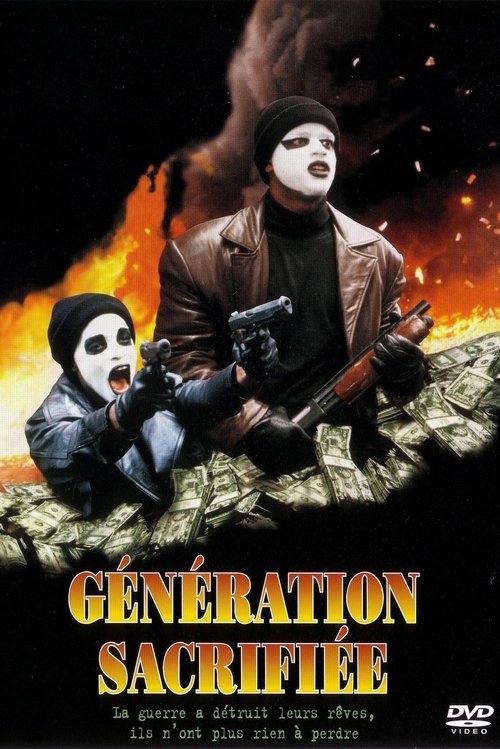
La vie d'une bande dans le Watts, quartier noir-américain de Los Angeles, un an après les émeutes. Aux États-Unis, les adolescents représentent 42 % des délinquants juvéniles en état d'arrestation, alors qu'ils ne représentent que 16 % de la population âgée de moins de 18 ans.
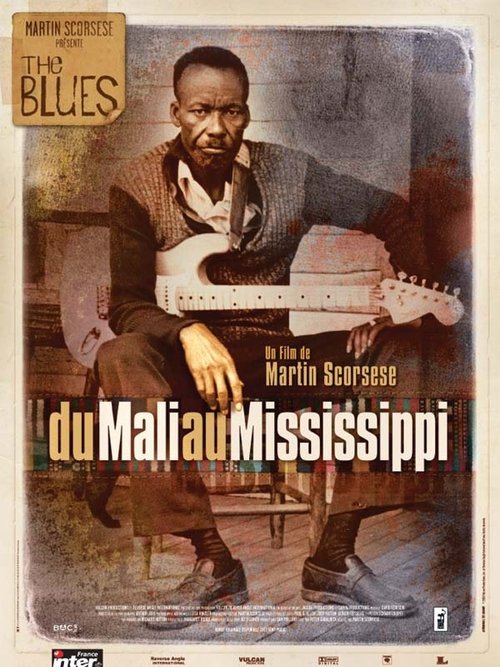
Martin Scorsese nous offre un voyage depuis les rives du fleuve Niger, au Mali, jusqu'aux champs de coton et aux arrière-salles bricolées du delta du Mississippi afin de retracer les origines du blues. Il nous livre un cocktail lyrique de performances originales (dont celles d'Ali Farka Touré, Salif Keita, Habib Koité, Taj Mahal, Corey Harris, Othar Turner) et d'images d'archives rarissimes.
Un jeune vétéran de la guerre du Vietnam est contraint de participer à un hold-up pour tirer sa famille de la misère.
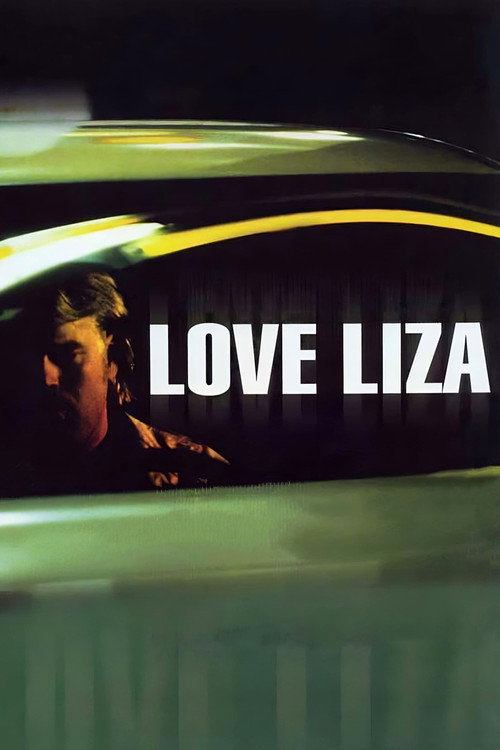
Philip Seymour Hoffman est en pleine déprime : sa femme vient de se suicider. Elle lui a laissé une lettre, mais il n'a pas la force de la lire. Il la garde néanmoins toujours sur lui, hésitant parfois à ouvrir l’enveloppe. En attendant, pour oublier son mal-être, il se réfugie dans la drogue et se shoote à l'essence...
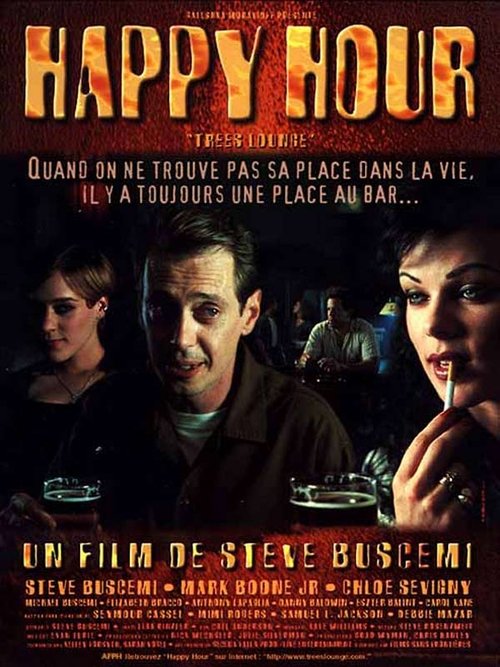
Renvoyé de son poste de mécanicien, quitté par sa femme lui préférant son… ancien patron, le malheureux Tommy Basilio sombre dans la spirale infernale de l'alcoolisme. Il passe alors le plus clair de son temps au « Trees Lounge », un bar de Long Island aux clients atypiques : un vieil ivrogne, une mère de famille qu'il tente en vain de draguer et un père de famille abandonnant son foyer… Jusqu'au jour ou le marchand de glace ambulant meurt d'une crise cardiaque. Tommy reprend alors le commerce, et au fil de ses tournées, fait de nouvelles rencontres…
Le film, plus qu’une biographie ou un documentaire, est un voyage initiatique dans l’univers du Pape François. Fait assez exceptionnel, le film est co-réalisé par le Vatican et s’articule autour des idées et du message du Pape, afin de présenter son travail, aussi bien que les réformes et les réponses qu’il propose face à des questions aussi universelles que la mort, la justice sociale, l’immigration, l’écologie, l’inégalité de revenus, le matérialisme ou le rôle de la famille.
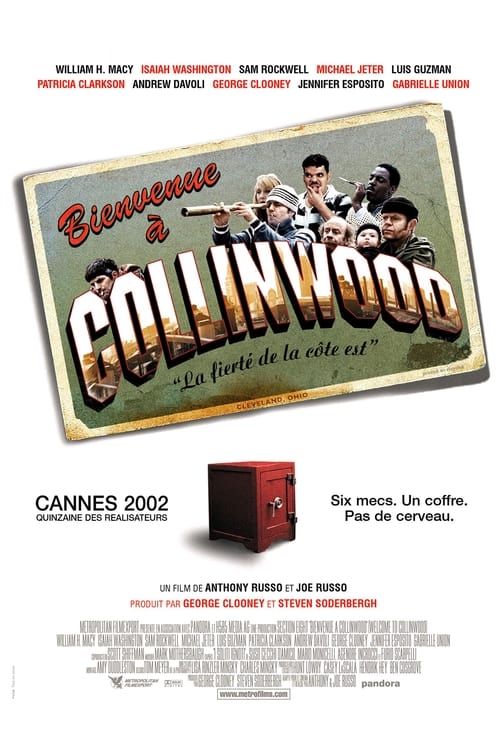
Lorsque Cosimo, un voyou à la petite semaine, parvient à soutirer à son compagnon de cellule, condamné à perpétuité, des informations concernant ce qui pourrait être son casse ultime, il n'a plus qu'une seule idée en tête : sortir de prison pour rafler la mise. C'est une occasion unique, la fin des petits vols foireux et la fortune assurée. Nombreux sont ceux qui se portent volontaires pour s'associer à ce cambriolage si facile et si juteux. Riley, un artiste raté, en a besoin pour nourrir son bébé, Leon y voit le moyen de garantir l'avenir de sa soeur, Basil le gigolo et Toto y voient la chance de leur vie. Pero, un boxeur amateur, entre dans la danse, mais sa véritable intention est de doubler Cosimo.
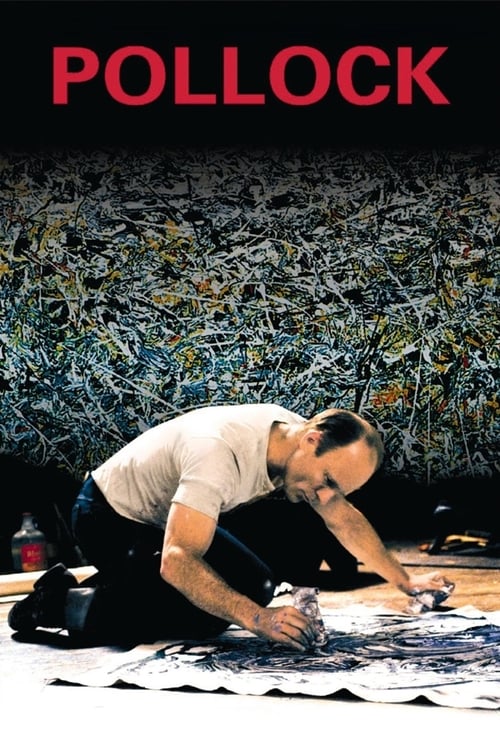
La vie de l'artiste new-yorkais d'après-guerre Jackson Pollock qui s'est fait connaître du grand public par sa peinture abstraite.
Il appartenait au quatuor de rock le plus célèbre de l'histoire. Mais George Harrison était bien plus qu'un membre des Beatles.
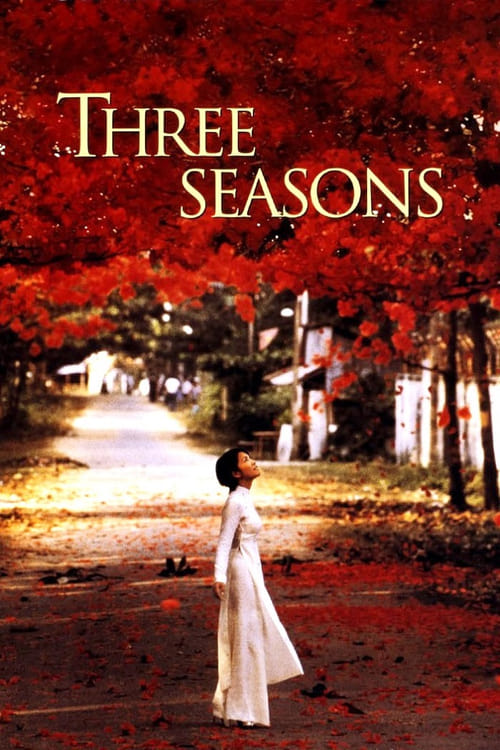
A travers trois destins qui s’entremêlent, celui du jeune Kien An qui réveille l'inspiration d'un vieux poète, celui de Hai, conducteur de pousse-pousse, amoureux d'une prostituée et enfin celui de Woody qui erre dans les hôtels et les bars pour vendre des montres, "Trois saisons" est le portrait du nouveau visage du Vietnam ou les derniers moments d'une culture irrévocablement condamnée à évoluer.
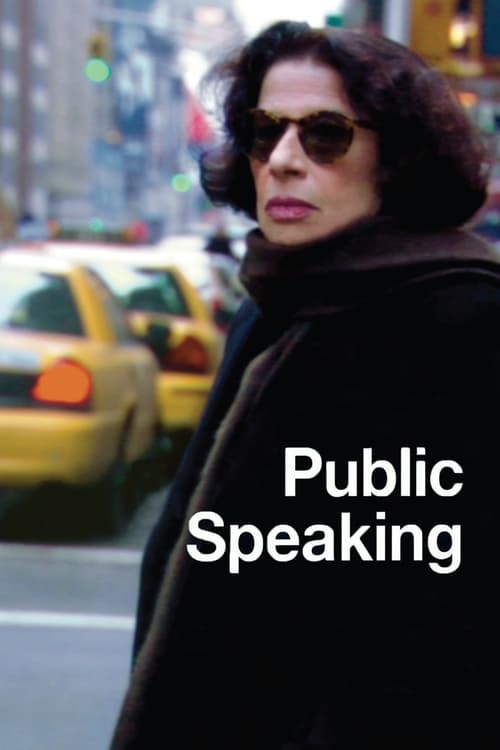
Aucune description disponible.
Lorsqu'un jeune commis de comptoir de charcuterie et fainéant général du New Jersey sauve accidentellement une jeune femme d'un violeur en série, il devient convaincu que son nouveau rôle dans la vie est de devenir un justicier.
Après avoir tué son beau-père qui la violait régulièrement, Anita, une jeune fille "facile", entre dans la spirale de violence gratuite et meurtrière avec son petit ami un ancien prisonnier fasciné par la violence et les armes à feu...
Christopher Rocket consacre sa vie à son travail et est incapable de s'engager sentimentalement. A la suite du décès de son père, qu'il n'a pas vraiment connu, il retourne dans sa ville natale et doit faire face à sa mère, la source de beaucoup de maux de son passé...
Ecrivain renommé et animateur d'une émission de radio nocturne très populaire, Gabriel Noone se lie d'amitié avec un auditeur adolescent et la mère adoptive de celui-ci. Alors qu'il traverse une période de crise dans sa vie privée, Gabriel voit peu à peu son existence bouleversée par sa relation avec ce jeune garçon.
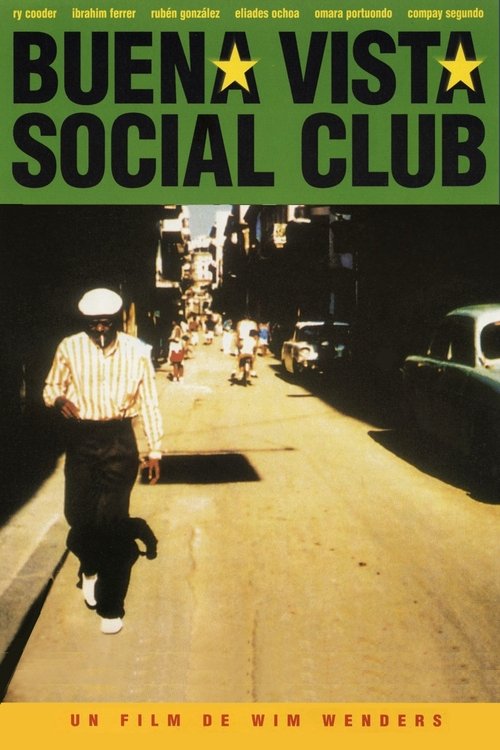
Bienvenue au club ! Wim Wenders nous offre là un véritable bain de jouvence musical et cinématographique en nous entraînant à La Havane, à la découverte de ces fameux musiciens cubains légendaires, les "Super Abuelos" d'environ 90 ans. L'initiateur du projet, c'est le guitariste Ry Cooder (compositeur de Paris Texas, du même Wenders) parti en 1996 à la recherche des vieilles gloires de la musique cubaine. Enthousiasmé par l'aventure, le réalisateur l'accompagne lors d'un second voyage.