Directing
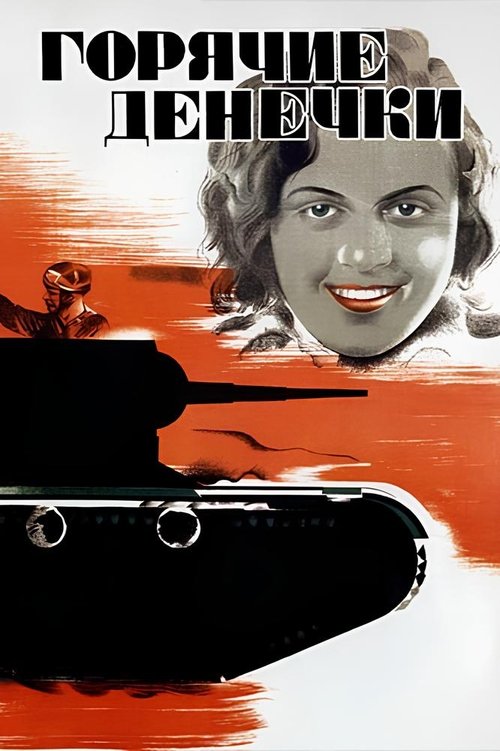
A Soviet comedy about a charming womanizer.
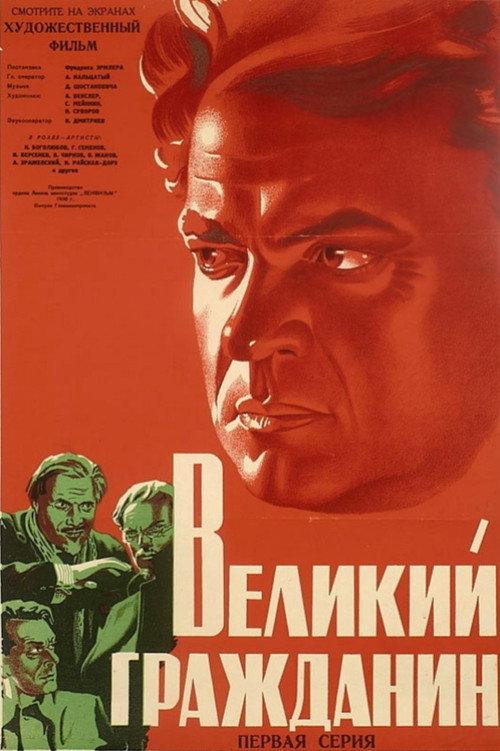
A biography drama about Sergey Kirov, a prominent early Bolshevik leader in the Soviet Union.
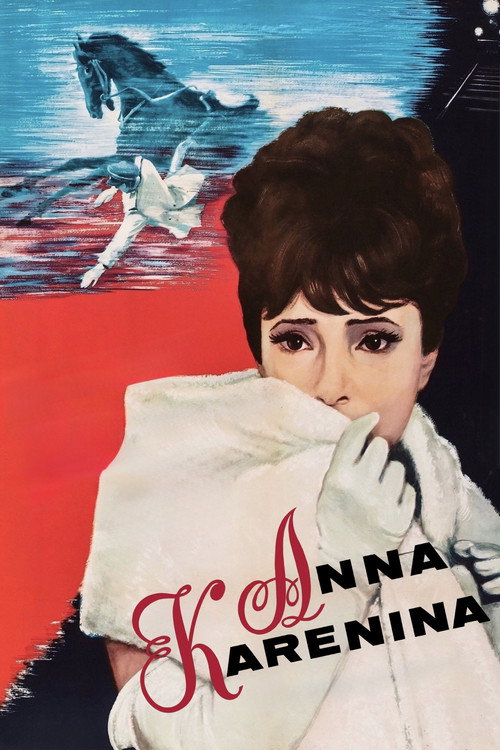
In Imperial Russia, Anna, wife of the officer Karenin, goes to Moscow to visit her brother. On the way, she meets charming cavalry officer Vronsky, to whom she's immediately attracted. But in St. Petersburg’s high society, a relationship like this could destroy a woman’s reputation.
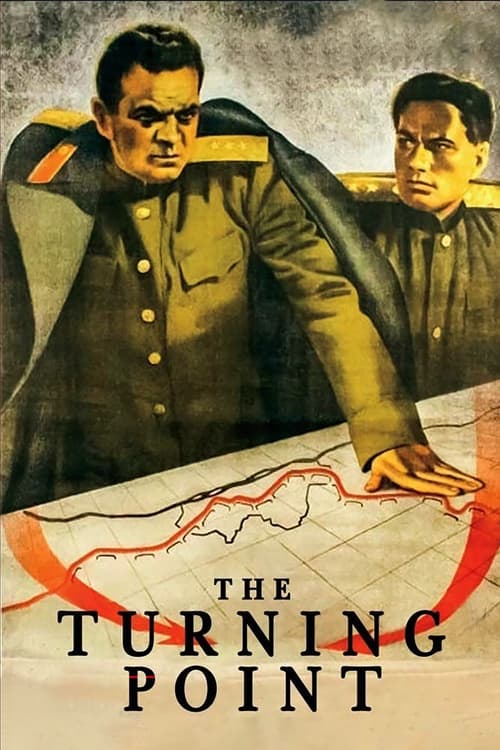
The film tells the story of those who took part in the Battle of Stalingrad in 1942, which became a turning point in the Great Patriotic War. For five months, the city resisted the Nazi offensive. Surrendering Stalingrad to the enemy would have meant losing the war, but holding on to the city seemed almost impossible.
After a shy bank employee helps to catch two robbers he becomes a totally different person.
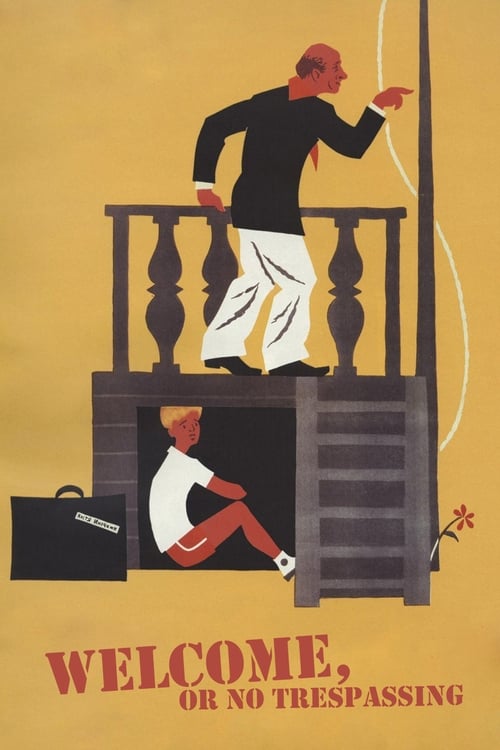
Children rebel against the strict rules and regulations they face during their time in a Communist Young Pioneer camp.
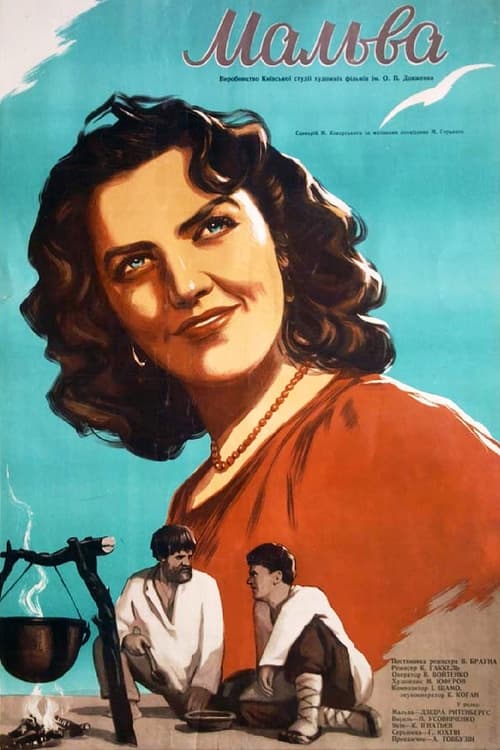
Unwilling to dedicate herself to her husband, the restless wife of a provincial village fisherman seeks out love from every man she meets. This results in a romantic triangle that is at once disarmingly simplistic and intensely dramatic.
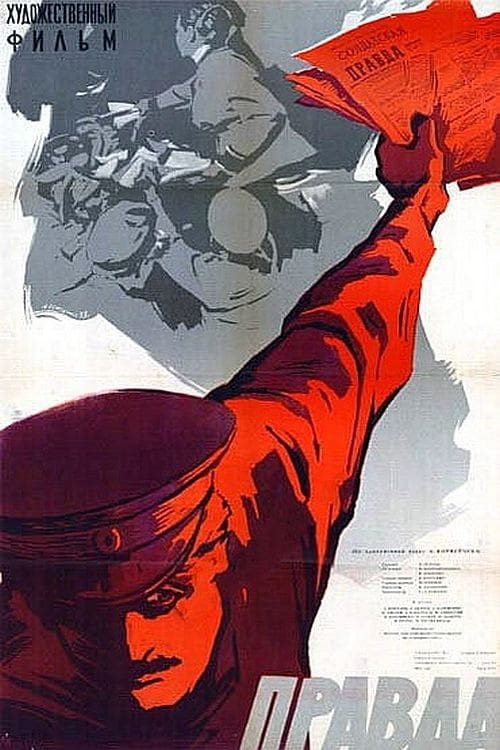
The February Revolution did not bring the desired peace to the trenches. Russian and Ukrainian soldiers, deceived by Kerensky's government, are dying on the slopes of the Carpathians. But the words of Bolshevik truth penetrate the trenches, and the soldiers refuse to go to the slaughter. Among the front-line soldiers returning home is a young Ukrainian named Taras Holota. He dreams of joyful reunions, but instead attends the funeral of his mother, who was killed by the Haidamaks. The landless peasantry is starving, and Golota rallies his fellow villagers to divide up the landowners' fields...
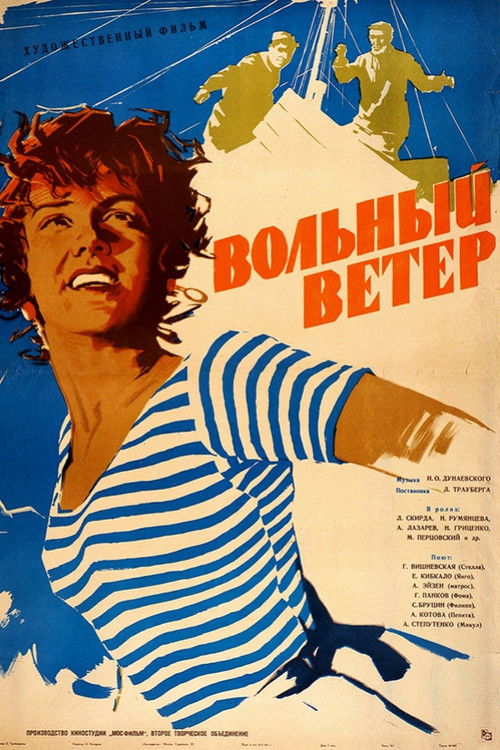
The port town of one of the small southern countries. After the Nazi occupiers left, the port's berths were empty, the steamers did not smoke, cargo cranes stood. Fearing retaliation for collaborating with enemies, port owner Georg Stan fled the city. After waiting a while and securing the support of local authorities, Stan nonetheless returns - and loading operations begin in the port. While loading oranges, the sailor Yango and the beautiful Stella are preparing for the wedding. Suddenly, Stan makes a proposal to the girl and tricks her into agreeing. Upon learning of the deception, the girl runs away to Yango. Having discovered weapons intended to support fascism in the drawer of the hold, the heroes do everything possible to make the boxes fall to the bottom of the sea.
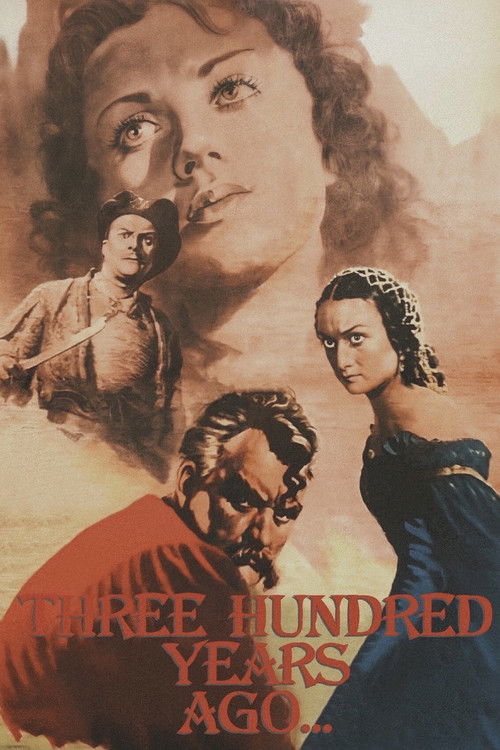
In the middle of the 17th century, Ukrainian peasants and Cossacks rose up to fight against the Polish gentry rule. About the events of the National Liberation War in Ukraine under the leadership of Bohdan Khmelnitsky, who with a firm hand led the insurgent masses to an alliance with Russia.
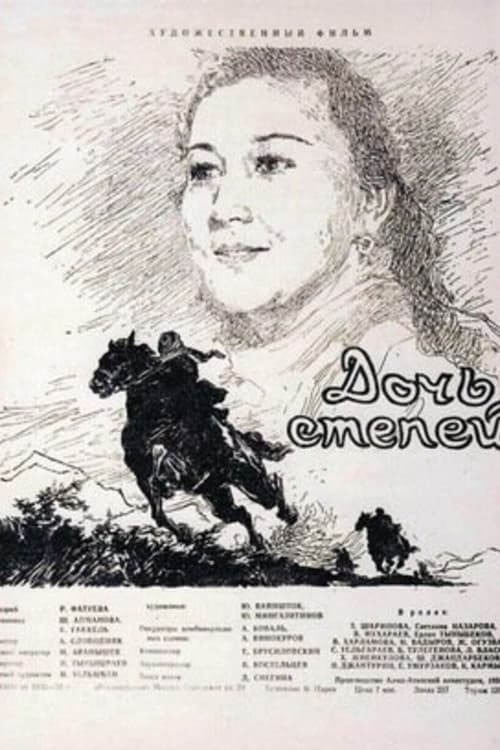
The first years of Soviet power. The rich Aktanbai decides to steal his flocks abroad. However, only the shepherd Malbagar knows the secret paths in the mountains. Therefore, Aktanbai, giving the orphan girl Nurzhamal to Malbagar as a wife, demands to indicate the way through the mountains for this. On the way to the border, Malbagar, heeding the requests of Nurzhamal, who did not want to be his wife, helps the girl escape from the camp of Aktanbai. Years pass. Nurzhamal, after graduating from medical school, returns to his native village...
No description available.
Lost film.
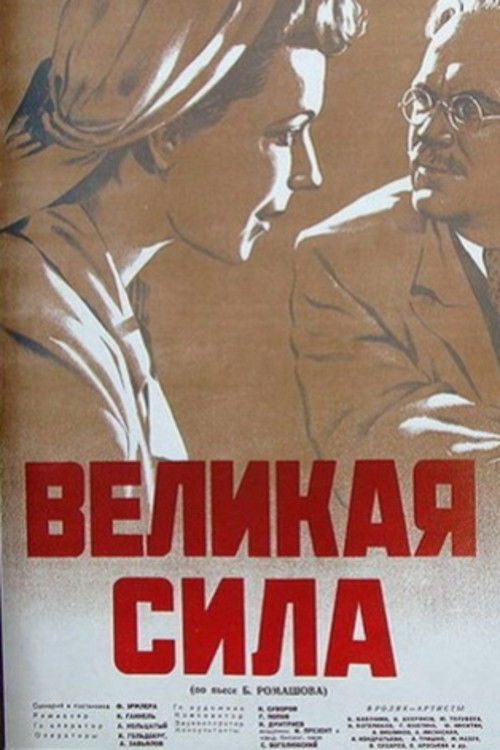
Professor Lavrov, a student and follower of Michurin, is trying to refute the discoveries of the theory of heredity and is successfully working on developing a new breed of chickens with high egg production and productivity. The brave experimenter is supported by the Central Committee of the CPSU in the person of Comrade, who arrived at the experimental poultry farm.
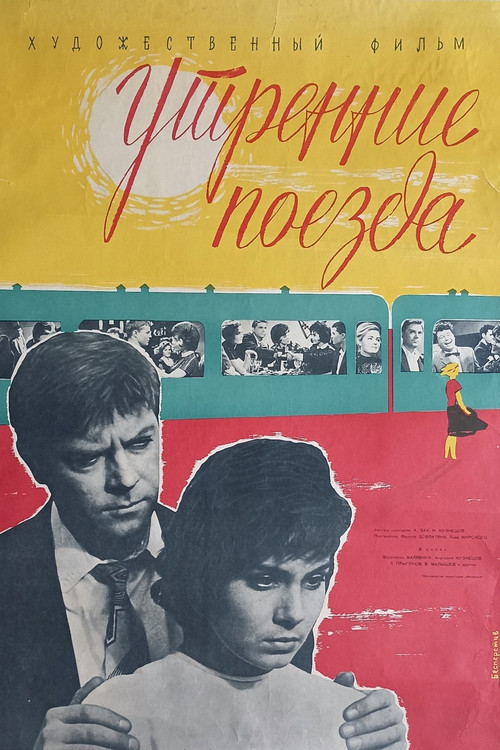
The film is about the working youth of a giant factory in Moscow - the story of a young girl Asya, who had to endure a lot of disappointments before she found true friends
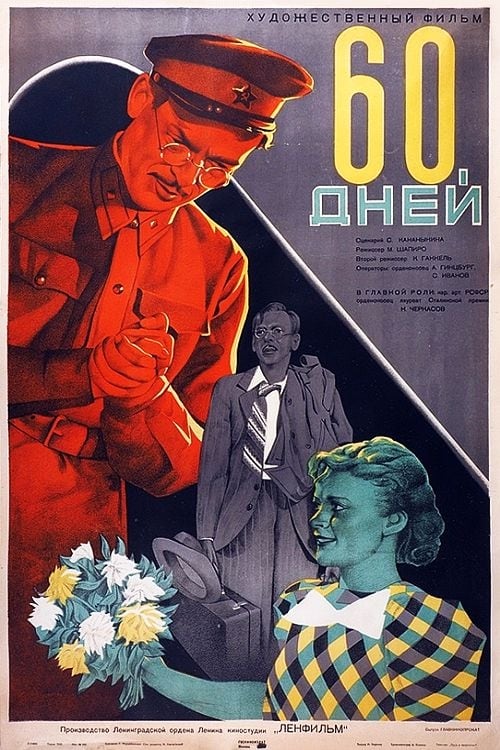
Adventures of the medicine professor during reserve duty.
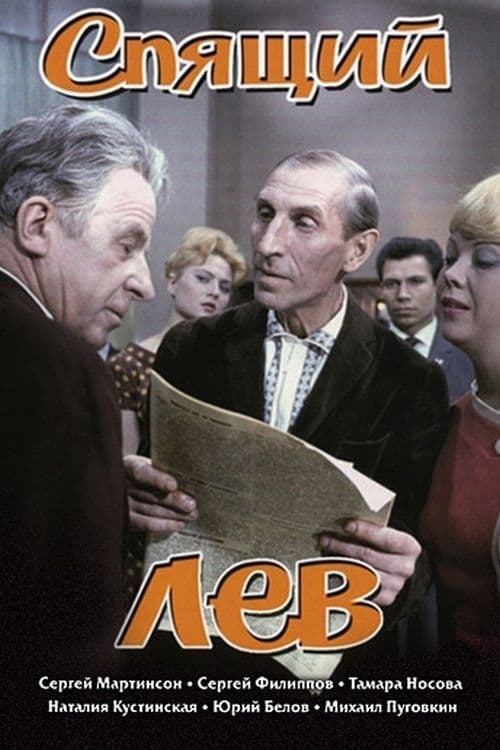
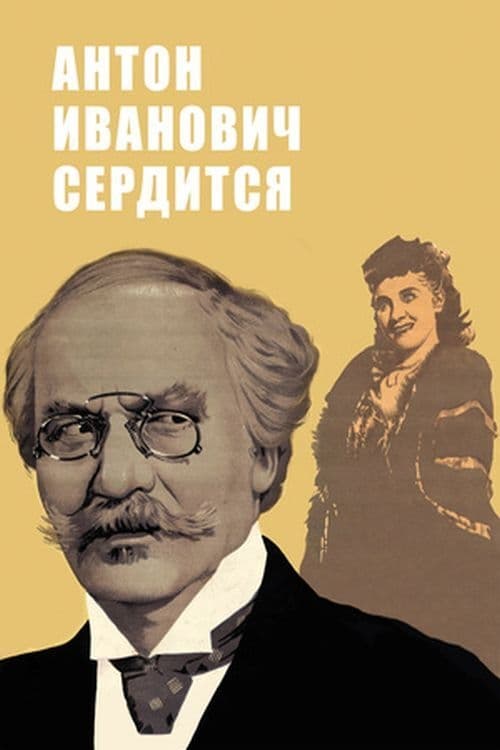
Anton Ivanovich Voronov is a highly respected professor at the Moscow Conservatoire, who places the music of Bach above everything else and regards it as the ultimate yardstick by which other musical accomplishments must be measured. His daughter, Serafima, is an aspiring singer with great potential, and her father’s anger is aroused when she begins singing in the operetta composed by Aleksei Mukhin, thus abandoning what he considers the higher calling of opera. Mukhin’s work, however, demands a high level of ability from his soloist, and Anton Ivanovich is persuaded of the legitimacy of operetta as a musical genre when, in a dream, he is visited by Johann Sebastian Bach himself, who tells him that ‘people need all kinds of music’.
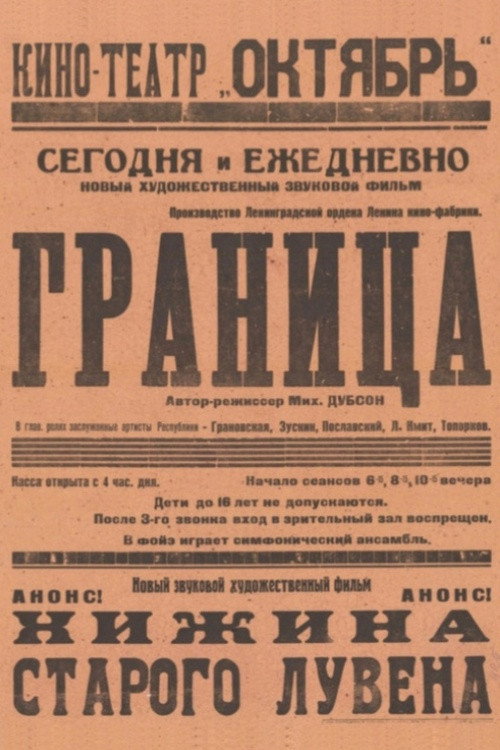
The residents of the village of Staroje Dudino, located four kilometers west of the Soviet border, are completely dependent on the wealthy Novik, whose interests are protected by the local police and clergy. Novik is actively stirring up ethnic strife between the Jewish poor and Polish workers. During the traditional "black crown" ceremony (a wedding ceremony for an old man and an old woman), a group of factory workers led by the communist Haidul, together with the Jewish poor, attack the police and free Boris Bernstein, who had been sentenced to death.
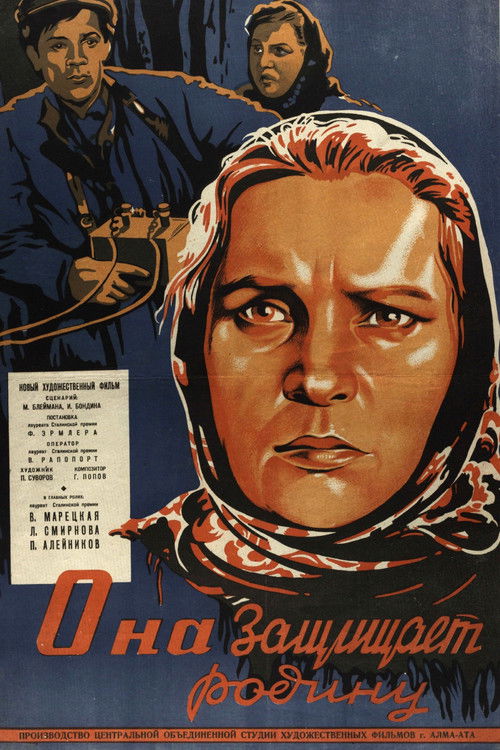
The first day of the war brings tragedy to a peasant woman, Pasha. Her husband and her toddler son die before her eyes. She and the other villagers leave to go into the woods. Pasha leads the villagers to fight some German troops. Coming out victories, the partisans become a feared opponent of the Germans, with the leadership of Comrade P.
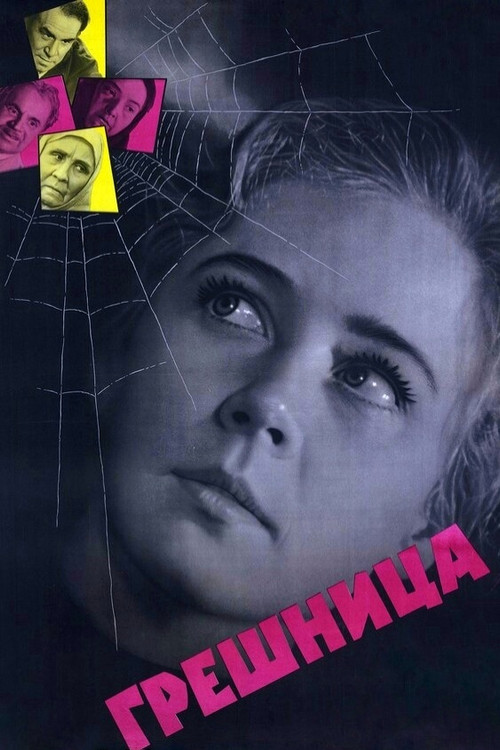
About the fate of a young girl who, under the influence of great love, left a religious sect where her parents brought her.