FEEL IT.STREAM
Lee J. Cobb

Lee J. Cobb

Acting

Biography

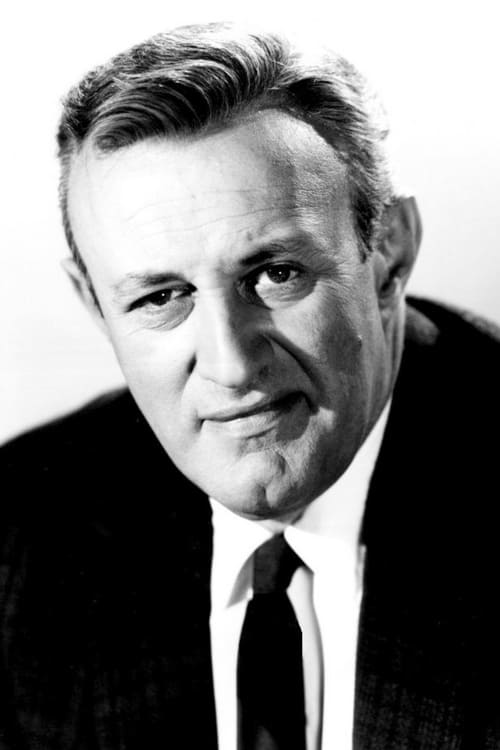
Lee J. Cobb (December 8, 1911 — February 11, 1976) was an American actor. He was best known for his performances in On the Waterfront (1954), for which he was nominated for an Academy Award, 12 Angry Men (1957), and The Exorcist (1973). He also played the role of Willy Loman in the original Broadway production of Arthur Miller's 1949 play Death of a Salesman under the direction of Elia Kazan. On television, Cobb costarred in the first four seasons of the popular, long-running western series The Virginian. He typically played arrogant, intimidating, and abrasive characters, but often had roles as respectable figures such as judges. Born Leo Jacob in New York City, he grew up in The Bronx,  before studying at New York University and making his film debut in The Vanishing Shadow (1934).  Cobb performed in numerous theater productions and companies, including Group Theatre (New York) before serving in the First Motion Picture Unit of the Army Air Force during World War II.   Following the war, Cobb returned to film, television and theater before being accused of being a Communist in 1951 testimony before the House Un-American Activities Committee by Larry Parks, himself a former Communist Party member. Cobb was called to testify before HUAC but refused to do so for two years until, with his career threatened by the blacklist, he relented in 1953 and gave testimony in which he named 20 people as former members of the Communist Party USA. Following the hearing he resumed his career and worked with Elia Kazan and Budd Schulberg, two other HUAC "friendly witnesses", on the 1954 film On the Waterfront, which is widely seen as an allegory and apologia for testifying.  His 1968 performance as King Lear achieved the longest run (72 performances) for the play in Broadway history.  One of his final film roles was that of police detective Lt. Kinderman in the 1973 horror film The Exorcist. Cobb died of a heart attack in February 1976 in Woodland Hills, California, and was buried in Mount Sinai Memorial Park Cemetery in Los Angeles. He was survived by his second wife, Mary Hirsch, and daughter, also an accomplished actress, Julie Cobb.

Known For

The Virginian
6.5

The Shiloh Ranch in Wyoming Territory of the 1890s is owned in sequence by Judge Henry Garth, the Grainger brothers, and Colonel Alan MacKenzie. It is the setting for a variety of stories, many more based on character and relationships than the usual western.

The Virginian

1962
Naked City
5.7

Naked City is a police drama series which aired from 1958 to 1963 on the ABC television network. It was inspired by the 1948 motion picture of the same name, and mimics its dramatic “semi-documentary” format. In 1997, the episode “Sweet Prince of Delancey Street” was ranked #93 on TV Guide’s “100 Greatest Episodes of All Time”.

Naked City

1958
Dick Powell's Zane Grey Theatre
6.2

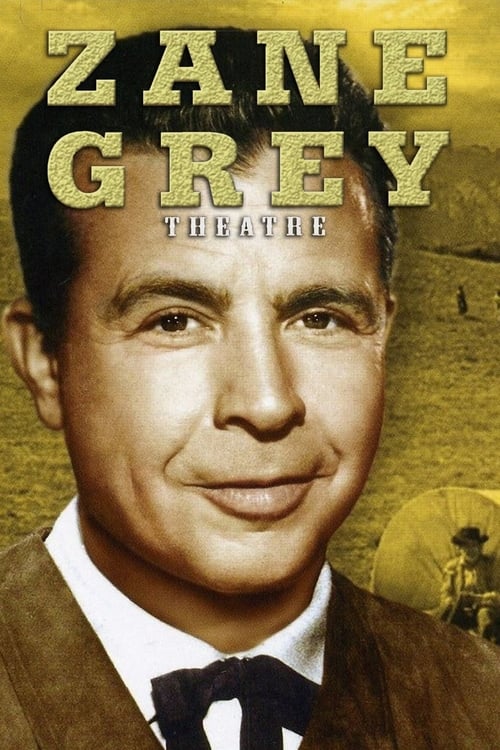
Dick Powell's Zane Grey Theatre, sometimes simply called Zane Grey Theatre, is an American Western anthology series which ran on CBS from 1956 to 1961.

Dick Powell's Zane Grey Theatre

1956
12 Angry Men
8.6

The defense and the prosecution have rested and the jury is filing into the jury room to decide if a young Spanish-American is guilty or innocent of murdering his father. What begins as an open and shut case soon becomes a mini-drama of each of the jurors' prejudices and preconceptions about the trial, the accused, and each other.

12 Angry Men

1957
Tony Awards
N/A

The Antoinette Perry Award for Excellence in Theatre, more commonly known as a Tony Award, recognizes achievement in live Broadway theatre. The awards are presented by the American Theatre Wing and The Broadway League at an annual ceremony in New York City. The awards are given for Broadway productions and performances, and an award is given for regional theatre.

Tony Awards

1956
No image
5.9

No description available.

Bob Hope Presents the Chrysler Theatre

1963
The Oscars
7.0

An annual American awards ceremony honoring cinematic achievements in the film industry. The various category winners are awarded a copy of a statuette, officially the Academy Award of Merit, that is better known by its nickname Oscar.

The Oscars

1953
Studio One
5.4

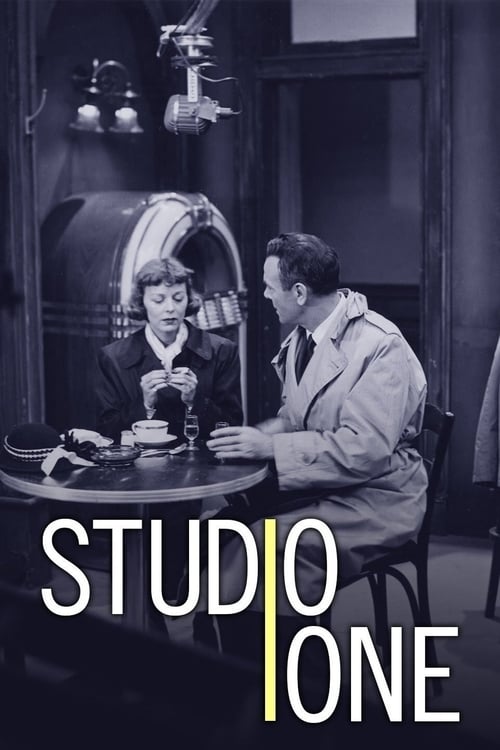
An American radio–television anthology series, created in 1947 by Canadian director Fletcher Markle, who came to CBS from the CBC. Studio One, presented by Westinghouse, was one of the first of the anthology TV programs. The episodes were often abridged remakes of movies from years gone by and many future well-known television and movie actors appeared in the productions.

Studio One

1948
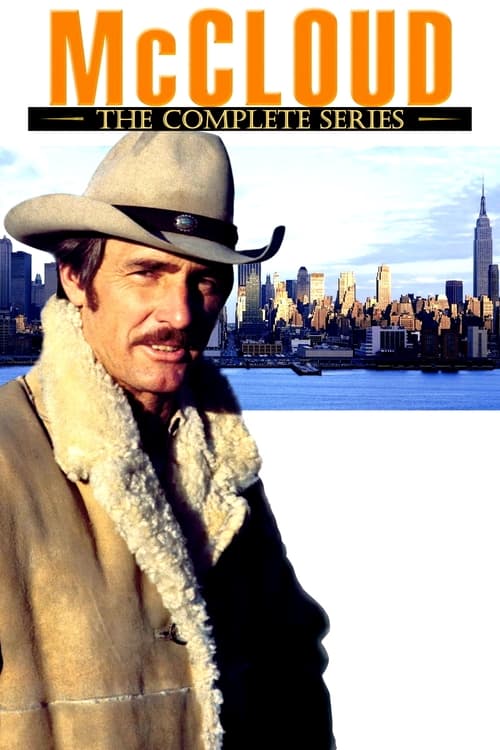
McCloud
7.2

Deputy Marshal Sam McCloud of the small western town of Taos, New Mexico is assigned to the metropolitan New York City Police Department (NYPD) as a special investigator.

McCloud

1970
Gunsmoke
6.7

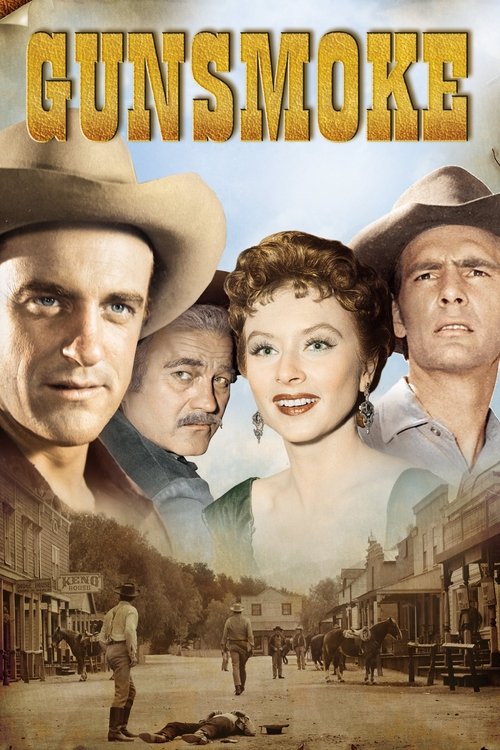
Gunsmoke is an American radio and television Western drama series created by director Norman MacDonnell and writer John Meston. The stories take place in and around Dodge City, Kansas, during the settlement of the American West. The central character is lawman Marshal Matt Dillon, played by William Conrad on radio and James Arness on television.

Gunsmoke

1955
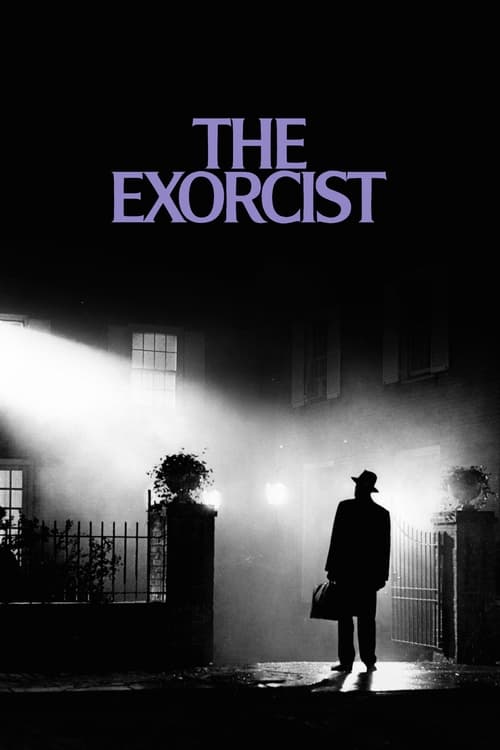
The Exorcist
7.7

When a mysterious entity possesses a young girl, her mother seeks the help of two Catholic priests to save her life.

The Exorcist

1973
The Ford Television Theatre
7.8

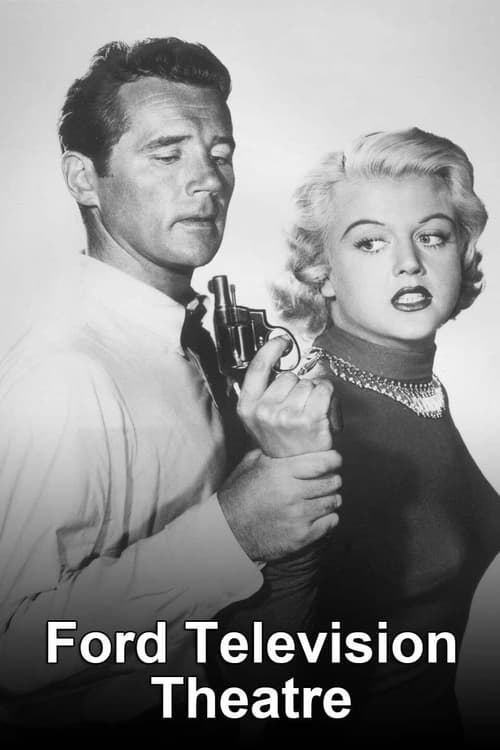
This show started in New York City, with Broadway actors and actresses. It then moved to Hollywood, California, where Hollywood actors and actresses headed the cast.

The Ford Television Theatre

1952
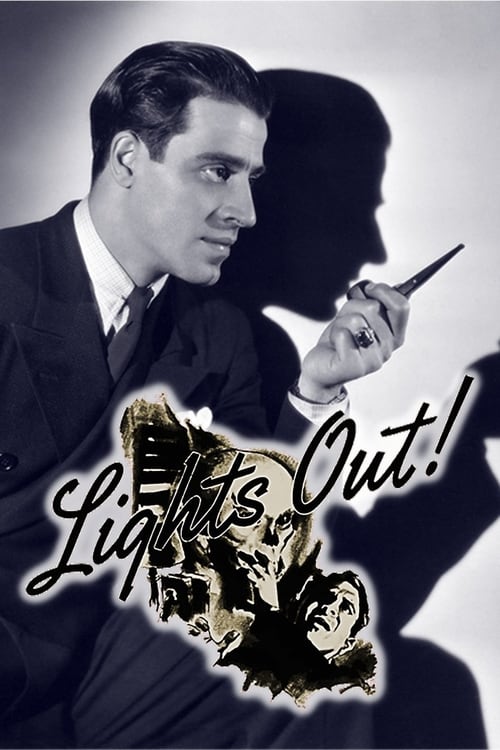
Lights Out
6.0

Lights Out was an extremely popular American old-time radio program, an early example of a network series devoted mostly to horror and the supernatural, predating Suspense and Inner Sanctum. Versions of Lights Out aired on different networks, at various times, from January 1934 to the summer of 1947 and the series eventually made the transition to television. In 1946, NBC Television brought Lights Out to TV in a series of four specials, broadcast live and produced by Fred Coe, who also contributed three of the scripts. NBC asked Cooper to write the script for the premiere, "First Person Singular", which is told entirely from the point of view of an unseen murderer who kills his obnoxious wife and winds up being executed. Variety gave this first episode a rave review ("undoubtedly one of the best dramatic shows yet seen on a television screen"), but Lights Out did not become a regular NBC-TV series until 1949.

Lights Out

1949
Startime
6.8

Startime, an anthology of drama, comedy and variety, was one of the first American television shows broadcast in color.

Startime

1959
Tales of Tomorrow
6.4

Tales of Tomorrow is an American anthology science fiction series that was performed and broadcast live on ABC from 1951 to 1953. The series covered such stories as Frankenstein, starring Lon Chaney, Jr., 20,000 Leagues Under the Sea starring Thomas Mitchell as Captain Nemo, and many others featuring such performers as Boris Karloff, Brian Keith, Lee J. Cobb, Rod Steiger, Bruce Cabot, Franchot Tone, Gene Lockhart, Walter Abel, Leslie Nielsen, and Paul Newman. The series had many similarities to the later Twilight Zone which also covered one of the same stories, "What You Need". In total it ran for eighty-five 30-minute episodes.

Tales of Tomorrow

1951
The DuPont Show with June Allyson
6.8

The DuPont Show with June Allyson is an American anthology drama series which aired on CBS from September 21, 1959 to April 3, 1961 with rebroadcasts continuing until June 12, 1961. The series was hosted by actress June Allyson.

The DuPont Show with June Allyson

1959
Westinghouse Desilu Playhouse
6.3

Westinghouse Desilu Playhouse is an American television anthology series produced by Desilu Productions. The show ran on CBS television between 1958 and 1960. Two of its 48 episodes served as pilots for the 1950s television series The Twilight Zone and The Untouchables.

Westinghouse Desilu Playhouse

1958
No image
6.7

Lux Video Theatre is an American anthology series that was produced from 1950 until 1959. The series presented both comedy and drama in original teleplays, as well as abridged adaptations of films and plays.

Lux Video Theatre

1950
Medic
6.3

Medic is an American medical drama that aired on NBC beginning in 1954. Medic was television's first doctor drama to focus attention on medical procedures. Created by its principal writer James E. Moser, Medic tried to create realism which would typify medical shows from then on. Moser had previously written for the radio shows Dragnet and Dr. Kildare. He went on to write the television series Ben Casey.

Medic

1954
How the West Was Won
7.0

The epic tale of the development of the American West from the 1830s through the Civil War to the end of the century, as seen through the eyes of one pioneer family.

How the West Was Won

1962