Editing
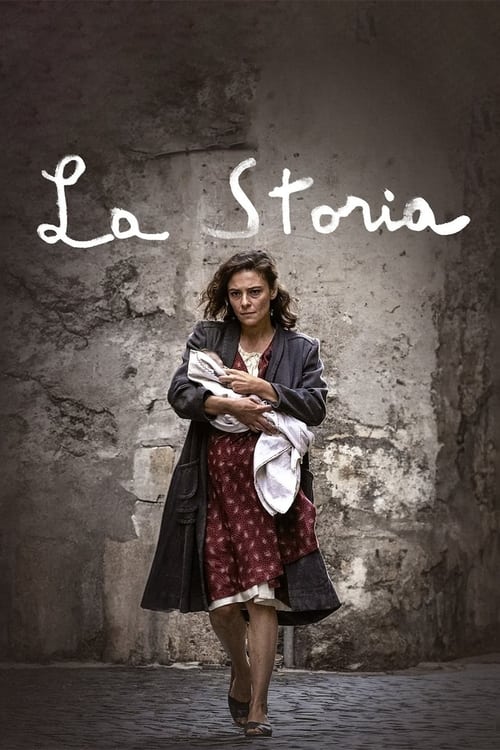
Ida, a single mother of two sons, hides her Jewish heritage and fights against poverty and persecution during the end of World War II and post-war Rome.
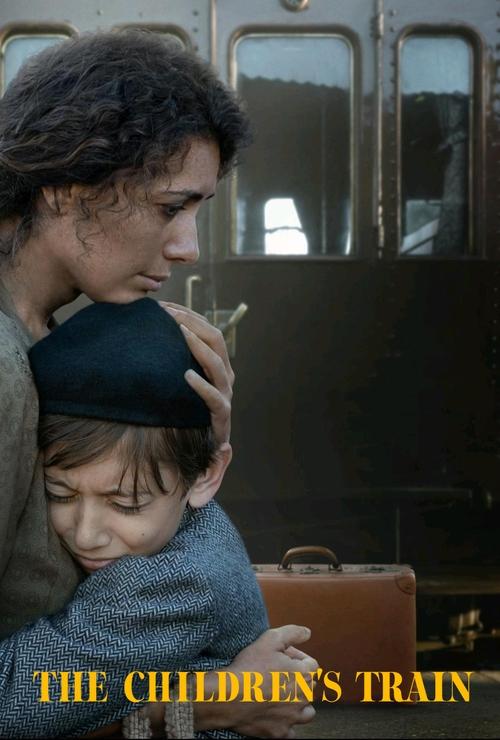
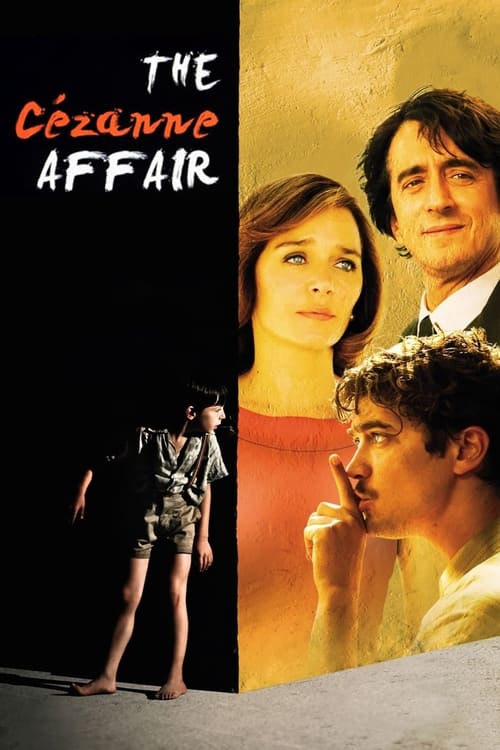
In late 1940s Italy, a mother makes the difficult decision to send her son to the north, where he catches glimpses of a new life away from poverty.
Everyone in Marco's life seems constantly restless, from his brilliant but unhappily married parents to his own wife Marina, or even Luisa, the real love of his life, a girl he met during a fateful summer in the '70s and always stayed in touch with. Tragedy and fate seem to haunt him, yet he somehow manages never to get ensnared in the chaos—like his namesake, “the hummingbird”, he focuses all his energy at standing still.
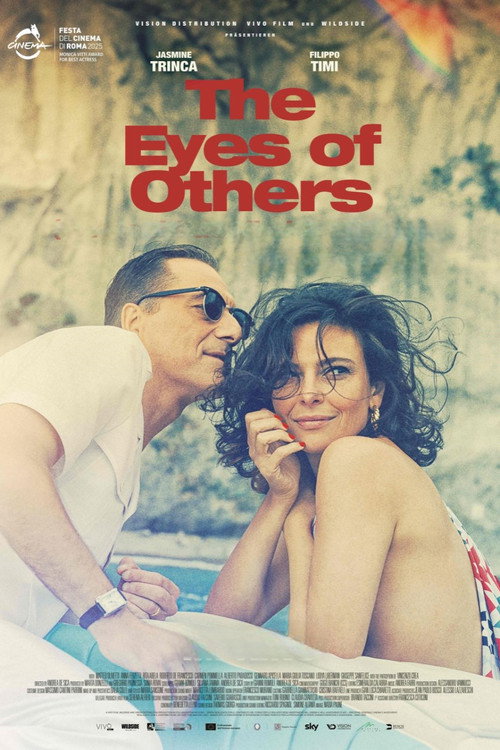
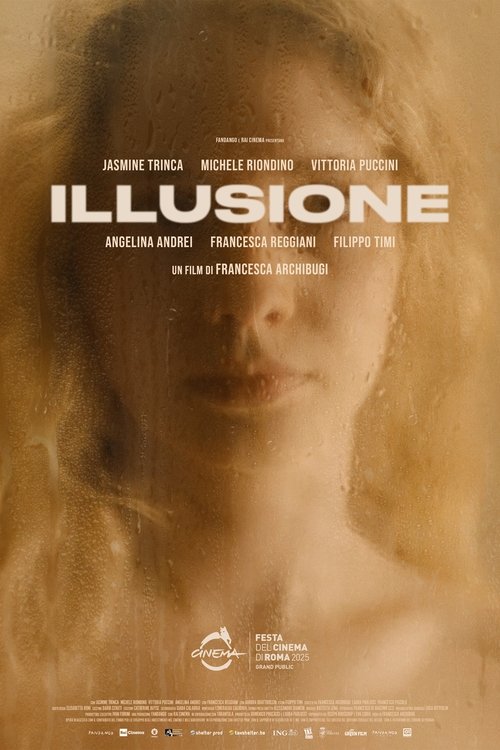
In the untamed beauty of the island owned by an extraordinarily wealthy Marquis, Elena's arrival marks the beginning of a passionate love affair. Complicity and transgression, sex and power, in a film inspired by 1960s Italian true crime, where erotic play unfolds into obsession.
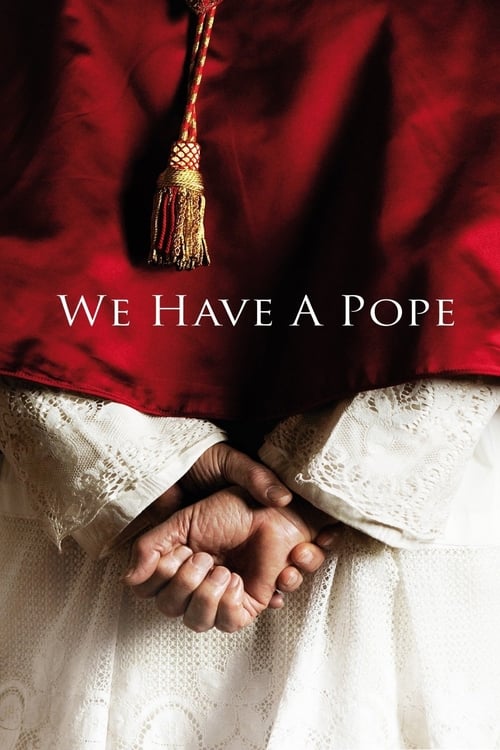
The newly elected Pope suffers a panic attack just as he is about to greet the faithful who have gathered to see him. His advisors, unable to convince him he is the right man for the job, call on a renowned therapist who also happens to be an atheist. But the Pope's fear of his newfound responsibility is one he must face alone. Winner Best Film at the Italian Golden Globes.
Daniela struggles with the traumas of a troubled past, while Massimo conceals unspeakable secrets behind his talent as a pianist, which has earned him the nickname Golden Hands. Their chance meeting at Pachanga on a Lazio beach in winter will change the direction of their lives. Their stolen glances, awkward silences, and attraction to one another will spark a relationship that rekindles hope that they can turn their lives around. While they take refuge in each other, however, the ghosts from the past are waiting to pounce. And when they do, nothing will go the way they expected. An existential noir about guilt and innocence, fate, and a desperate will to live.
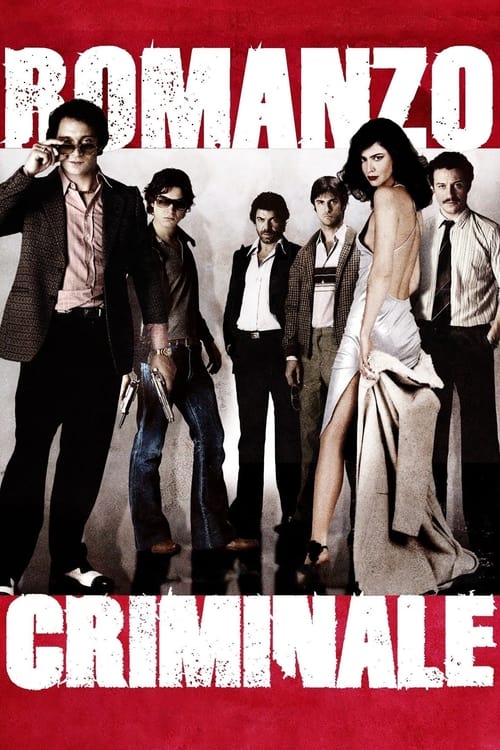
After serving prison time for a juvenile offense, Freddo gathers his old buddies Libano and Dandi and embarks on a crime spree that makes the trio the most powerful gangsters in Rome. Libano loves their new status, and seeks to spread their influence throughout the underworld, while the other two pursue more fleshly desires. For decades, their gang perpetrates extravagant crimes, until paranoia threatens to split the friends apart.
No description available.
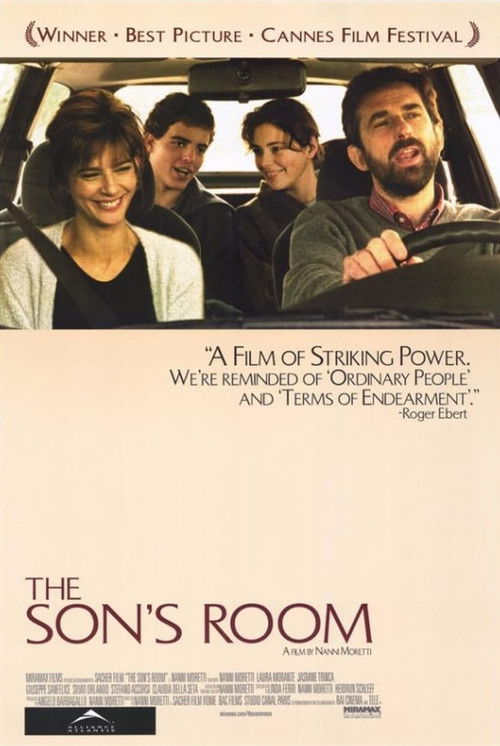
A psychoanalyst and his family go through profound emotional trauma when their son dies in a scuba diving accident.
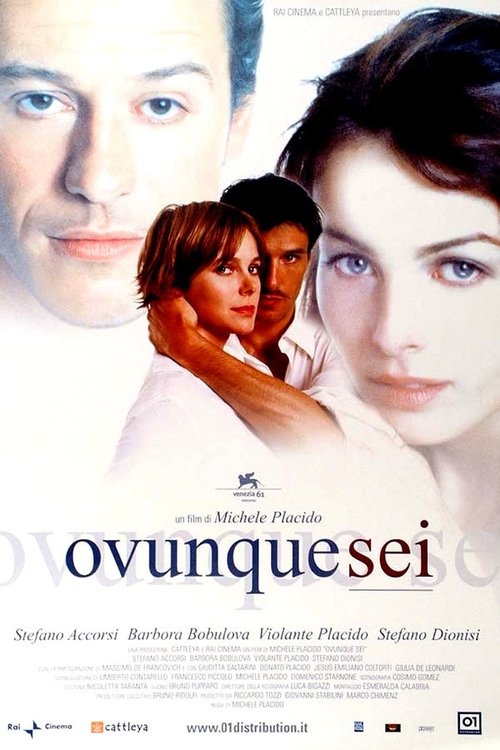
Perugia. The police are carrying away the body of a young woman when they hear a sigh: Rosa Lazar is still alive. The assistant district attorney Cristina Camponeschi and psychologist Stefano Mangiaboschi investigate, but Rosa seems unaware of the attack she has endured and hides the truth. For Cristina, the girl is the key to an international crime ring; for Stefano, the start of an inner journey that will lead him to reveal the true enigma of Rosa Lazar.
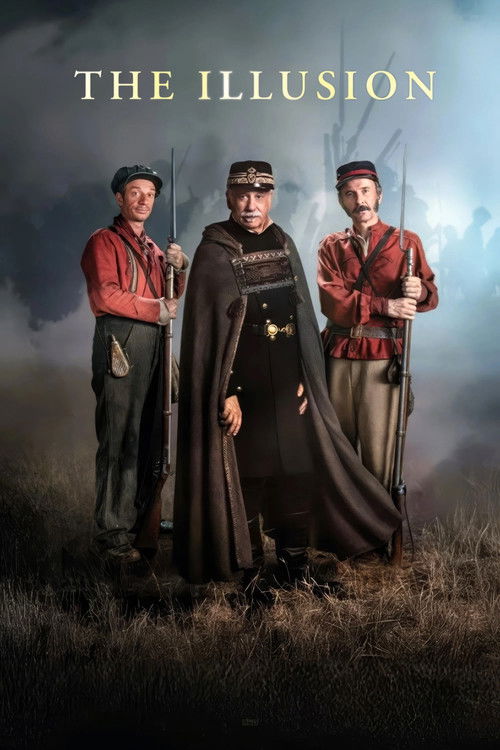
1860. Giuseppe Garibaldi began from Quarto the adventure of the Thousand surrounded by the enthusiasm of the young idealists who had come from all regions of Italy, and with his loyal group of officers, among whom a new profile stands out. Having landed in Sicily, at Marsala, the Thousand begin fighting with the Bourbon army, whose numerical preponderance is immediately evident. Under these conditions, it appears almost impossible for the general to breach the enemy defense and penetrate Palermo. But when he is almost forced to retreat, Garibaldi devises an ingenious plan.
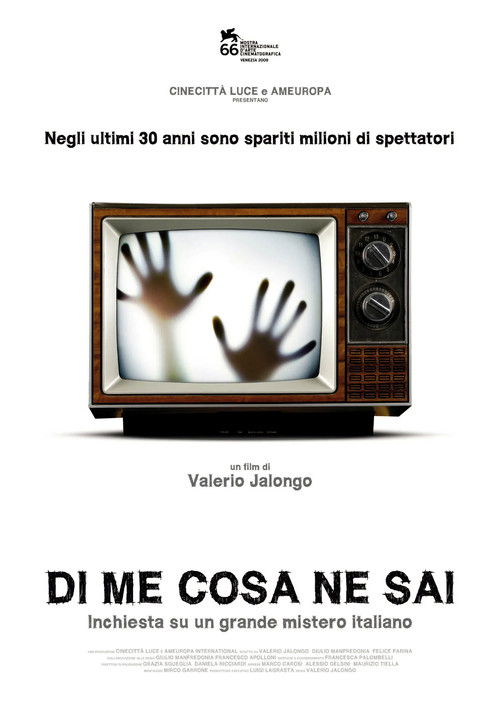
Until the 1970s, Italian cinema dominated the international scene, even competing with Hollywood. Then, in just a few years, came its rapid decline, the flight of our greatest producers, a crisis among the best writer-directors, the collapse of production. But what are the true causes and circumstances of this decline? In an attempt to provide an answer to this question, Di Me Cosa Ne Sai strives to depict this great cultural change. Begun as a loving examination of Italian cinema, the film transformed into a docu-drama that alternates between interviews with the great names of the past and fragments of cultural and political life of the last 30 years. It is a travel diary that shows Italy from north to south, through movie theatres; television-addicted kids; Berlusconi and Fellini; shopping centers; TV news editors; stories of impassioned film exhibitors and directors who fight for their films; and interviews with itinerant projectionists and great European directors.
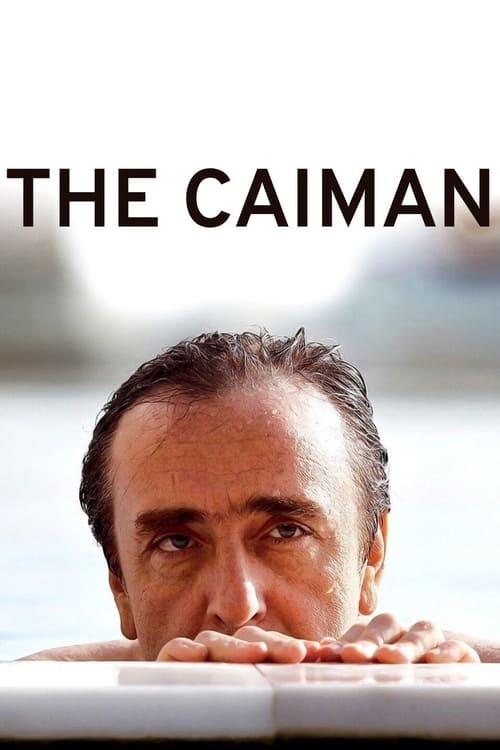
Bruno Bonomo was a famous producer of B-movies in the ‘70s. After a long hiatus, Bonomo offers a screenplay to RAI centered on the figure of Italy’s prime minister and media tycoon Silvio Berlusconi, a subject so controversial that even the public television broadcaster refuses to produce it
A Donatello award nominated short feature about two six year old children in a world of their own.
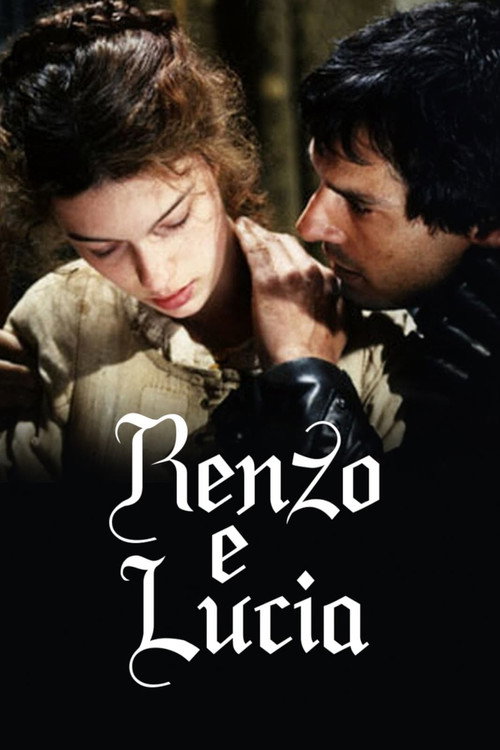
Loose adaptation of Italy's national epic, Alessandro Manzoni's “The Betrothed”. In war-torn 17th century Italy, shady feudal lord Don Rodrigo eyes young and beautiful Lucia, who loves—and is reciprocated by—commoner Renzo. The two lovers plan to marry in secret, but Rodrigo discovers it and they are forced to flee their village, becoming separated and each facing many dangers, including the Plague.
A doctor's life takes a mysterious turn when his ambulance plunges into a river.
Gabriele returns home in southern Italy to bid farewell to his father Ernesto, a former stationmaster in a small town not far from Bari. The old man reawakens in Gabriele memories of his childhood, of his loving mother, his uncle, his friends... but also of his father's rage and bitterness over his failure in achieving his artistic ambitions: Ernesto was convinced he was destined to be a famous painter, and was willing to sacrifice everything for this belief, even his own dignity – and this made his son swear that he wouldn't turn out like him. Only now, many years later, through chance and circumstances, Gabriele begins to understand Ernesto and to see what sort of person his father really was.
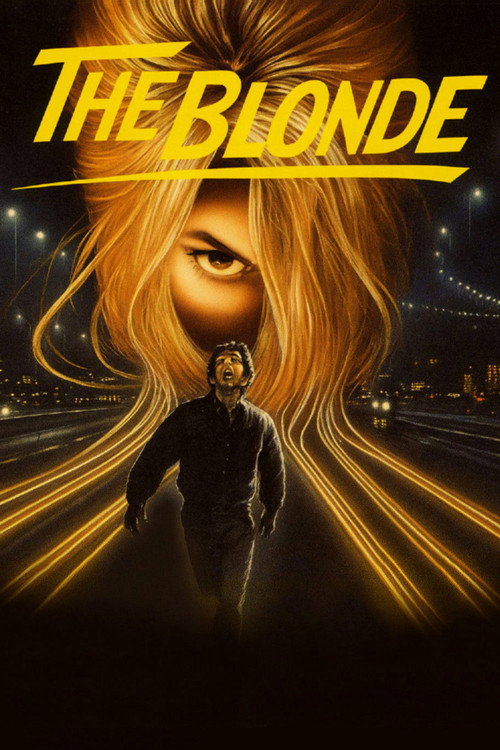
Coming back from work by night, shy watchmaker Tommaso runs over a girl with his car, luckily without serious consequences. Next day he finds her waiting for him at his door. She asks him for help, as she can't remember anything prior to the incident.
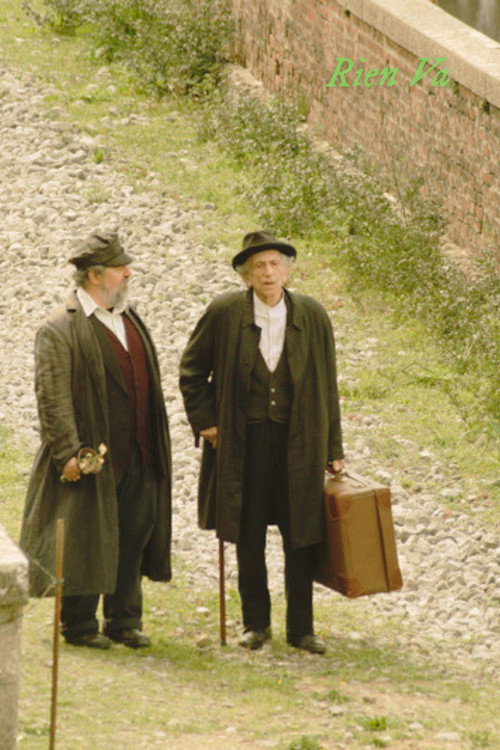
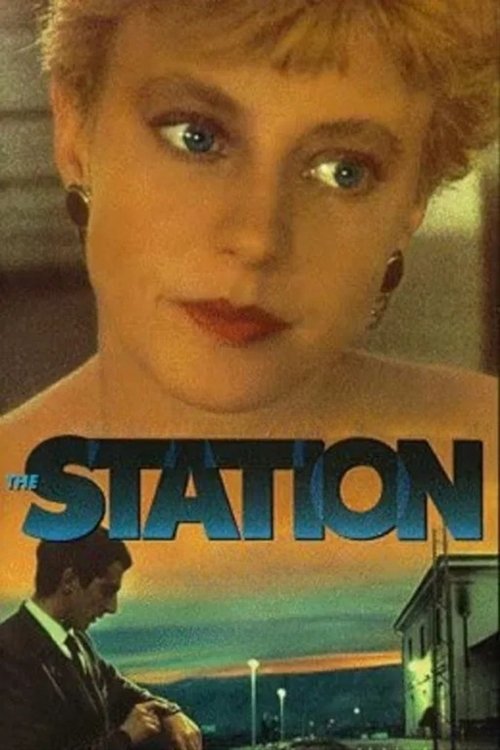
In a forgotten railway outpost, a humble stationmaster meets a glamorous society woman. Their brief wait for her train turns unexpectedly intimate—until her fiancé arrives, and the night erupts into a desperate struggle as he tries to drag her back by force.