Utpal Dutt
Acting
Biography
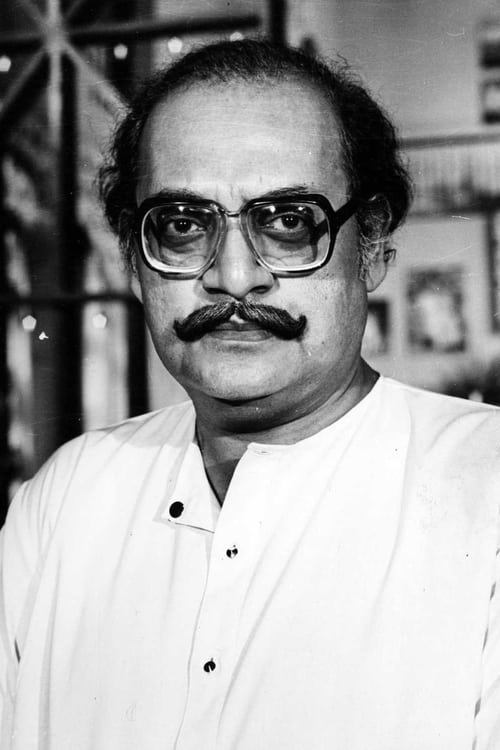
(29 March 1929 – 19 August 1993) was an Indian actor, director, and writer-playwright. He was primarily an actor in Bengali theatre, where he became a pioneering figure in Modern Indian theatre, when he founded the "Little Theatre Group" in 1949. This group enacted many English, Shakespearean and Brecht plays, in a period now known as the "Epic theatre" period, before it immersed itself completely in highly political and radical theatre. His plays became an apt vehicle for the expression of his Marxist ideologies, visible in socio-political plays such as Kallol (1965), Manusher Adhikar, Louha Manob (1964), Tiner Toloar and Maha-Bidroha. He also acted in over 100 Bengali and Hindi films in a career spanning 40 years, and remains most known for his roles in films such as Mrinal Sen’s Bhuvan Shome (1969), Satyajit Ray’s Agantuk (1991), Gautam Ghose’s Padma Nadir Majhi (1992) and Hrishikesh Mukherjee's breezy Hindi comedies such as Gol Maal (1979) and Rang Birangi (1983).[1][2][3][4] He also did the role of a sculptor, Sir Digindra Narayan, in the episode Seemant Heera of Byomkesh Bakshi (TV series) on Doordarshan in 1993, shortly before his death.
Known For

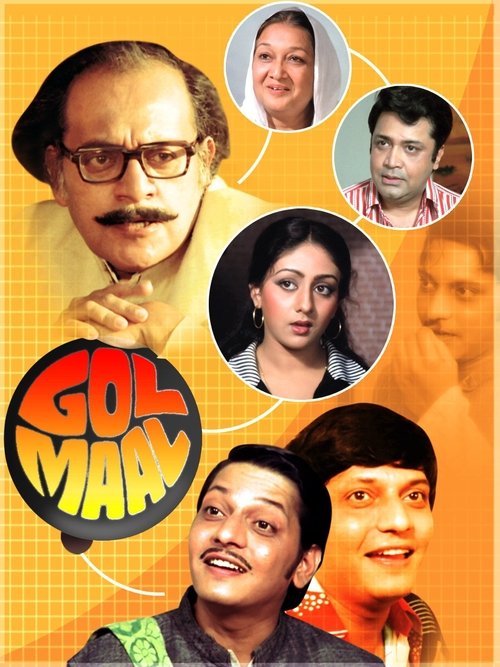
A man's simple lie to secure his job escalates into more complex lies when his orthodox boss becomes suspicious.
Gol Maal

A teenage girl will not accept her family's attempt to arrange a marriage for her, as her heart is currently too full of love for the movies and heartthrob actor "Dharmendra."
Guddi

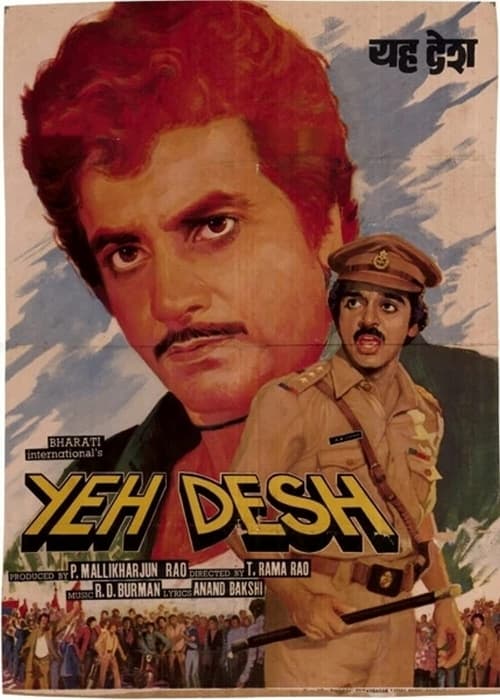
Vijay Kumar, a forest officer returns to the forest where his dad met an untimely end. Will his secret plan to snare poachers succeed? Sandalwood, ivory,animal hides and raw power is at the nexus of money and corruption.
Kartavya

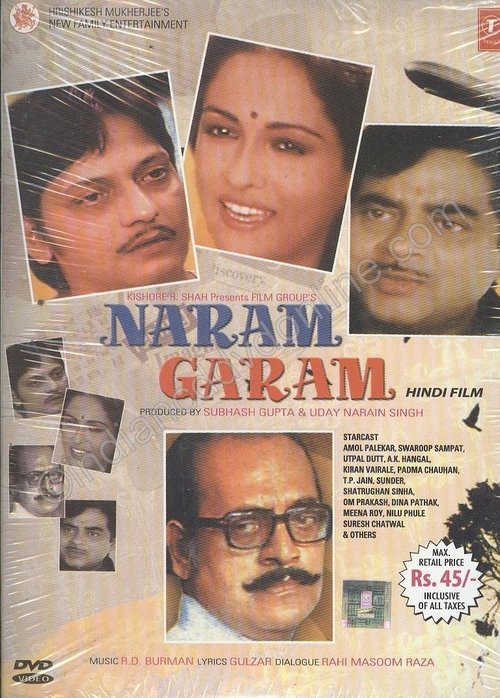
An impoverished employee tries to prevent his superiors and employers from marrying his sweetheart.
Naram Garam

Allan is an engineer working in 1930s Calcutta. He is invited to stay with the family of his boss, Narendra Sen which includes his wife, Indira and daughter Gayatri. Gayatri and Allan become romantically involved leading to tragedy.
The Bengali Night

'Albert Pinto Ko Gussa Kyun Ata Hai' revolves around the Pintos and the people connected to them. There's Albert who's pretty much angry at everybody. His brother Dominic who thinks it's better to be jobless than to work an underpaid job, his patient sister Joan who works at a sari shop, his independent girlfriend Stella who feels under-appreciated by her boyfriend, his father and his colleagues, client and Stella's family. The film is very much a social commentary about Middle-class life in Bombay during the late ’70s and the conflicts arising in the labour force because workers were getting severely underpaid.
Albert Pinto Ko Gussa Kyoon Aata Hai

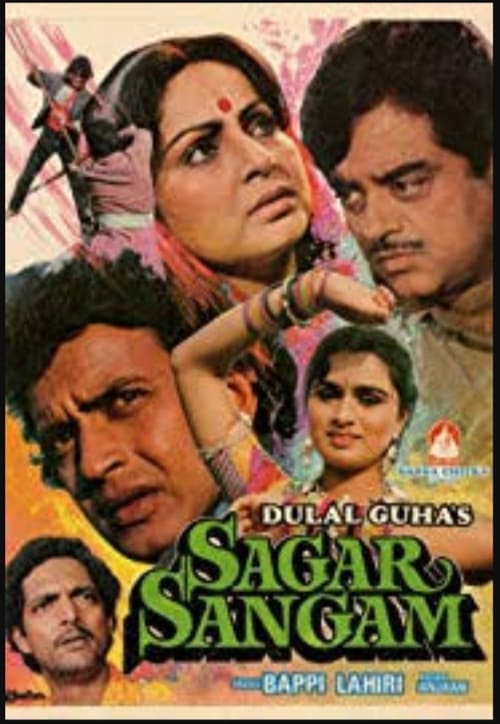
Sagar Sangam is a 1988 Hindi film. A family drama, it had a very long delayed release. The film was announced in 1985, had its records released in 1986. The film stars Mithun Chakraborty, Shatrughan Sinha, Raakhee, Padmini Kolhapure, Anita Raj and Asha Parekh.
Sagar Sangam

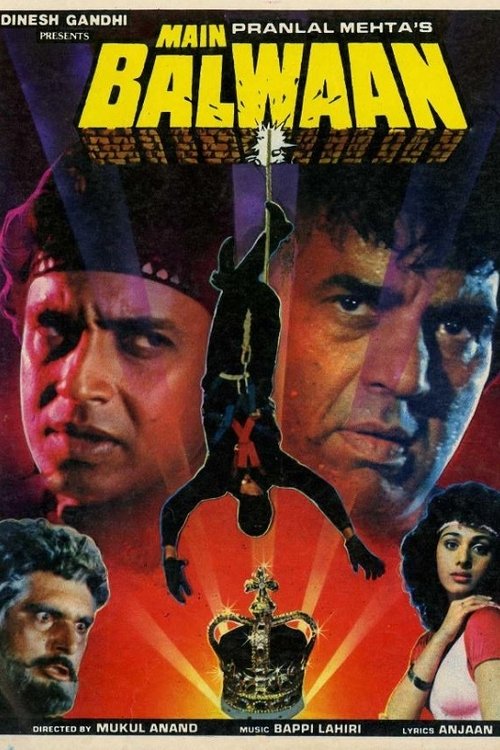
Ram and Balram are 2 young boys who live with their loving parents. Their scheming uncle, Jagatpal, however kills the boy's father and mother. Jagatpal lies to the boys that their parents have been killed in an accident and promises to raise them himself. He enrolls the younger brother Balram, in school and eventually sends him off to join the police force. The older becomes a mechanic. Jagatpal has a tight hold on the boys, even when Ram is an adult, he still gives all his wages to his uncle and is only allowed to keep a few rupees for pocket money.
Ram Balram

Ashok and Vimal are two grandsons of K.k. Vimal is womanizer. Ashok and Ganga are in love but when Ashok was about to propose Ganga for marriage, he finds that Ganga has complained against him in police station for sexual molestation. Ashok pays some money to Ganga and hope never to see her. K K bring home a girl named Deepa as K K want Deepa and Ashok to marry. But Deepa falls in love with Vimal. Vimal frequently visit a courtesan. When Ashok goes to courtesan to bring home Vimal, Ashok finds that courtesan is none other than Ganga.
Aap Ke Saath

When a Dalit wins the elections for mayor in his small village in northeastern India, deadly rioting forces an impoverished couple to escape to Calcutta where they can hopefully find work. Instead, they end up sleeping on the streets until they have a chance at earning a little income -- a man has asked them to take his herd of pigs across a fast-moving river. The current is dangerous, and worse, the wife is pregnant and this would not be an easy task even if she were not. Undaunted and desperate, the couple accept the job and enter the river to face their destiny.
Paar

The story of a family troupe of English actors who travel around the towns and villages in India giving performances of Shakespearean plays. Through their travels we see the changing face of India as the old is replaced by the new, Maharajas become hotel owners, sports become more important than culture and the theater is replaced by Bollywood movies. Based on the travels of Geoffrey Kendal with his daughter Felicity Kendal.
Shakespeare-Wallah

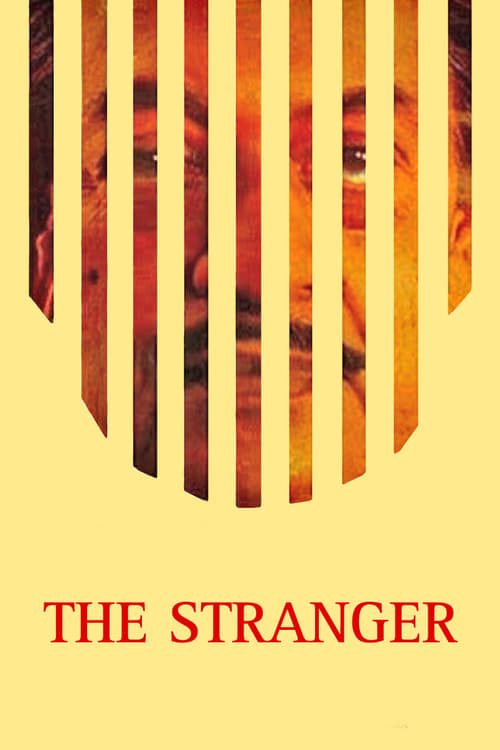
A well-off family is paid an unexpected, and rather unwanted, visit by a man claiming to be the woman's long lost uncle. The initial suspicion with which they greet the man slowly dissolves as he regales them with stories of his travels, tales that are at odds with their conventional middle class perspective on the world.
The Stranger

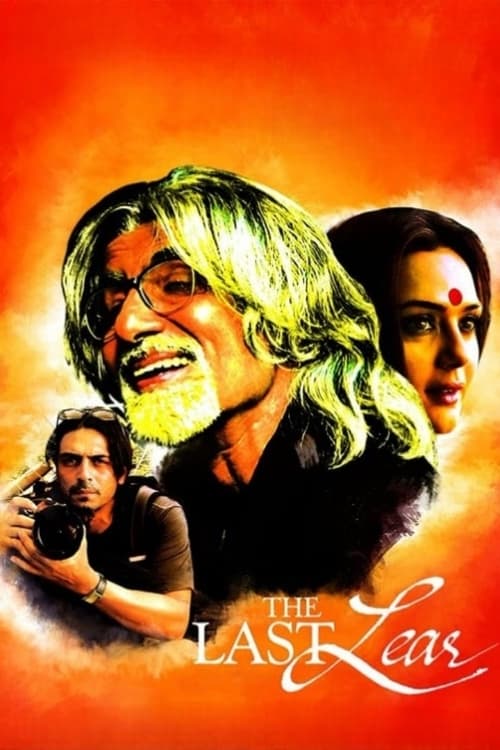
The film starts with the veteran thespian Harish Mishra, he is gravely ill. The punishments of a film shoot have left the old man in a coma. His co-star, Shabnam, is wracked with worry, but their director, Siddharth, keeps strangely distant and refuses to visit his ailing star. In flashbacks, their story emerges.
The Last Lear

Britain's top pop artiste, Tom Pickle, travels to Bombay, India, circa 1960s to learn to play the sitar from renowned maestro Ustad Zafar Khan.
The Guru

No description available.
A Tribute To Ismail Merchant

A convicted murderer saves the lives of the passengers who meet with a train accident in a desert and protects them from a gang of criminals.
Farishta Ya Qatil

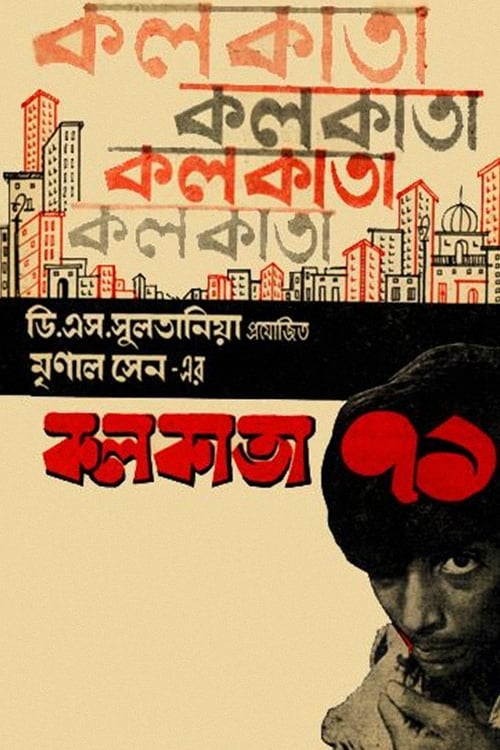
A small company advertises for 100 vacancies and 30,000 apply. The applicants are all from the ranks of the poor and there is a virtual riot. Everyone around is seeking for opportunities. Among them are the applicants who desperately need the job, the photographer who is busy seeking a scoop, the village moneylender who is busy exploiting the poor, the ineffective police, the employers who are advertising posts even while a six month old strike has nearly caused the workmen to become destitute. It is a story of society captured in a tiny framework of a small business. Ultimately, the workmen, the unemployed and the farmers all get to gether to protest against this exploitation.
Chorus

Saaheb is the youngest of the four brothers and son of Badri Prasad Sharma. The film shows the problems faced by a middle-class Sharma family and how Saaheb (Sunil Sharma), although unemployed, gives the biggest sacrifice for his family and donates his kidneys to raise money for his sister's wedding.
Saaheb

Two pairs of identical twins are separated following an unfortunate incident. However, years later, their lives intertwine, leading to confusion and misunderstandings. Based on William Shakespeare's 'A Comedy Of Errors'.
Angoor

Bright students Ravi, Adi and Surya are angry when they find out that their high school marks are just below the cutoff mark to get an entrance to the college of their choice. Out of frustration, Ravi twangs his guitar during his grandfather's classical music lesson. The old man, instead of getting angry at this behavior, challenges the boys first to a musical contest and then to a cycle tour to Kanyakumari. These challenges test the young kid's minds, characters and endurance.