Acting
Daniel Valenzuela is an Argentinian film and television actor and writer.
Argentine re-make of American television series Married... with Children. It follows the Argento family and their lives.
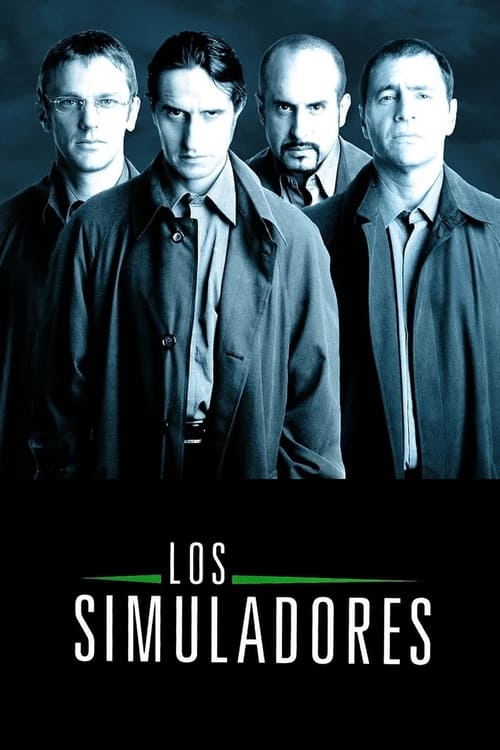
A small team of con artists for hire use their skills to solve common people's life problems.
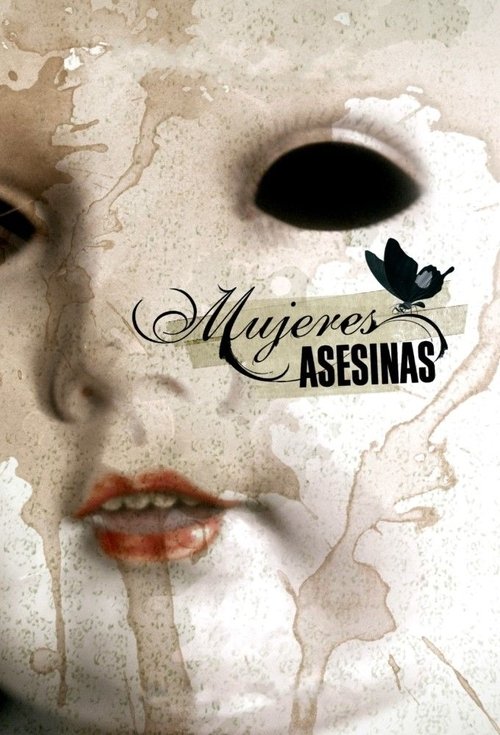
Anthology series, in which every episode introduces fictionalized versions of real cases about women who, for different reasons, ended up committing murder.
Nafta Súper was born as a spin-off of the argentinian cult film "Kryptonita" (Kryptonite) from 2015. Eight suburban episodes, eight mocking, engaging, and ferocious hunts. Nights of drinking that are nights of shooting, lived with adrenaline, dark humor, and glistening sweat.
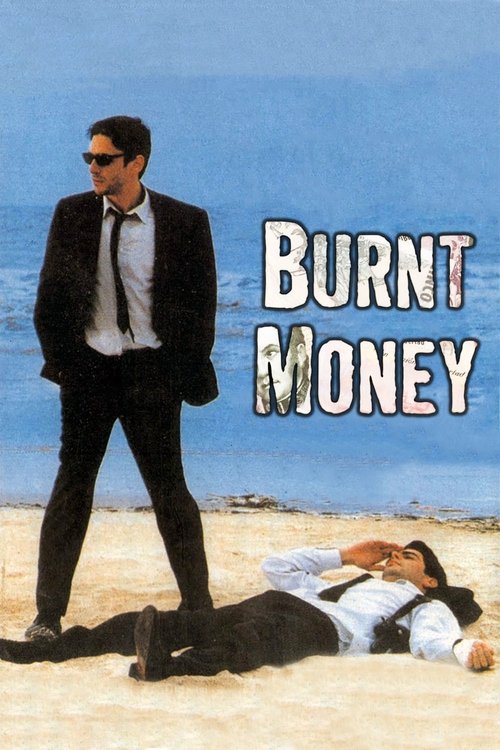
Set in Argentina in 1965, the story follows the tumultuous relationship between two men who became lovers and ultimately ruthless bank robbers in a notoriously famous footnote in the annals of crime history. After a large-scale hold-up that turns bloody, the two men must flee. It is not long before the police are surrounding the building they are in and they must confront their demons to survive.
Four independent short stories but they have in common that they happen in Buenos Aires during legislative elections. A candidate for deputy, Carlos Celestini floods the city with his image and can be seen in each of the stories.
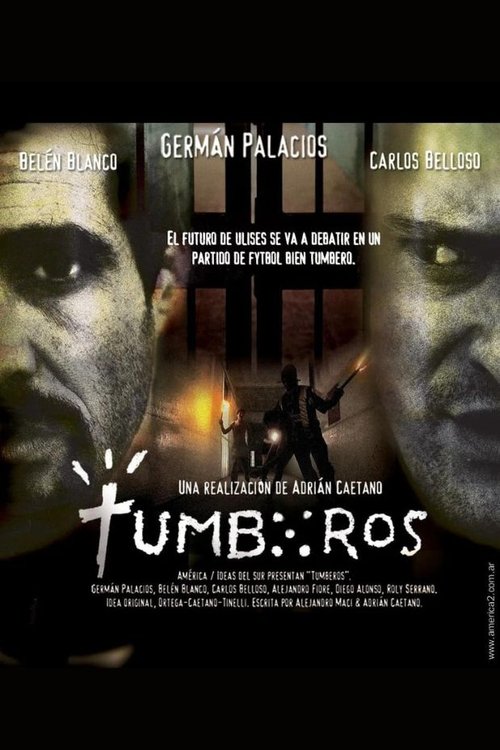
Follows a lawyer sentenced to prison and his life inside an Argentinian jail.
Tells the story of four prostitutes and their madama (pimp). Each with a different story.
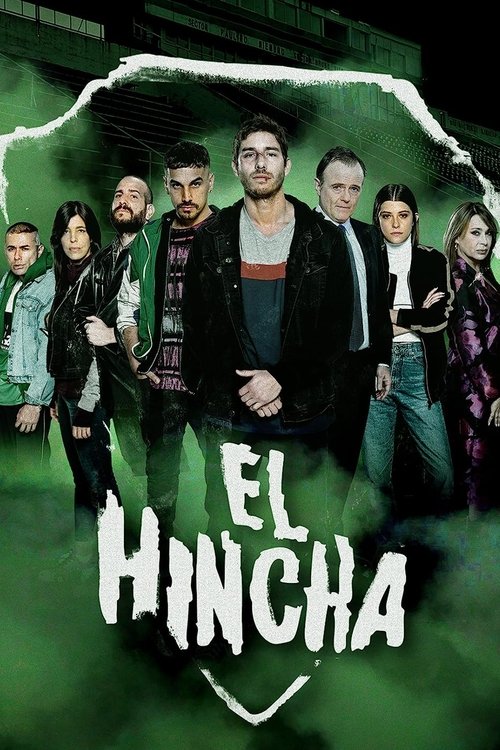
A middle-class young man joins the "brava bar" of a soccer club in the Buenos Aires suburbs, Argentina, and manages to ascend within the criminal structure until he reaches a place of leadership that he could never find in his own environment.
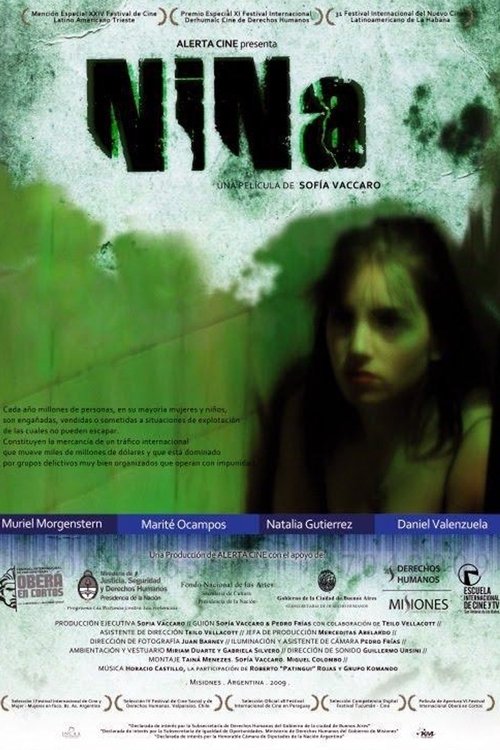
Nina is a 16-year-old girl who lives in a rural neighborhood of Oberá (Misiones, Argentina). She works on the farm and in the village to support her family, which prevents her from attending school. One day, she is enticed to travel to the capital by a job offer as a nanny, offering a good salary and the opportunity to study. She shares this dream with Lourdes, her Paraguayan cousin from a marginalized neighborhood in the city of Encarnación, who receives a similar offer.
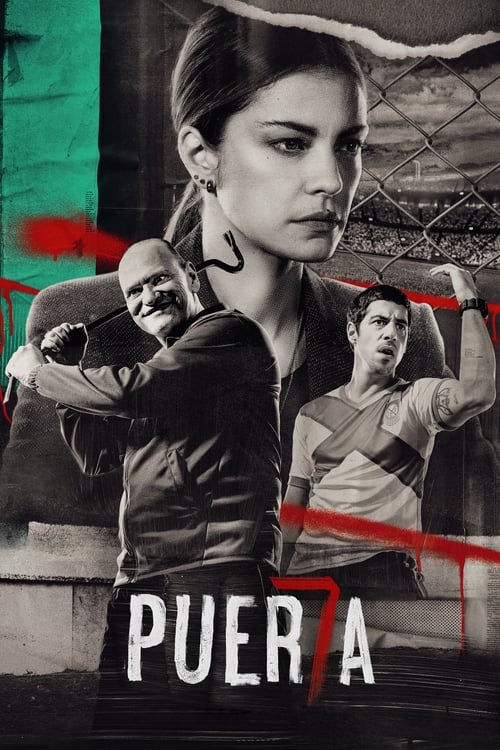
A determined woman works to rid an Argentine soccer club of the violent crime and corruption surrounding its intense fanbase.
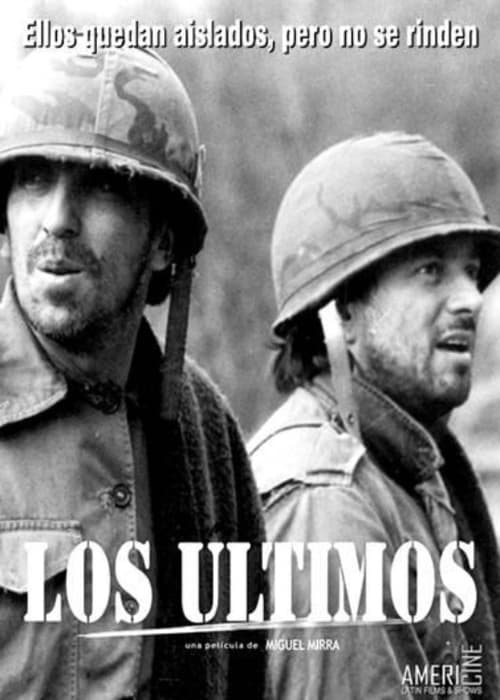
Los Últimos is the remake of the frustrated Pozo de Zorro, by Miguel Mirra himself. A group of soldiers is isolated after a bloody battle, but they refuse to surrender. The Malvinas war is approached by Miguel Mirra from a different perspective than that known until now. The Last Ones is a war drama where there is no room for guilt and commiseration.
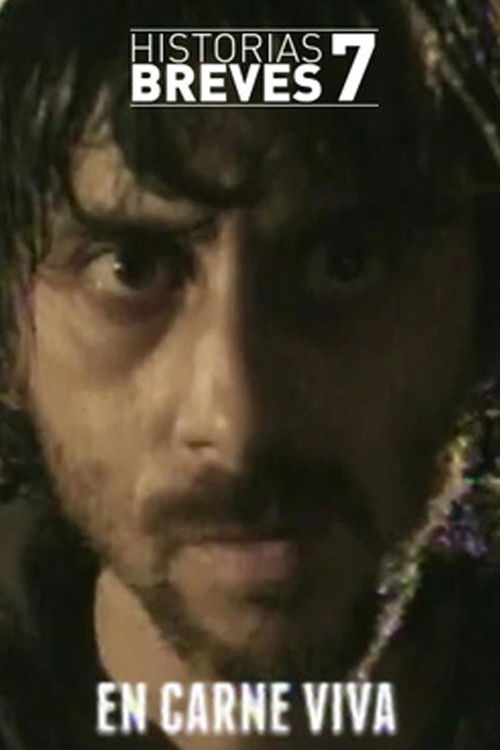
An actor's journey playing an assassin on the set of a film that takes place in a Buenos Aires' butcher shop. Short novella from the anthology "Historias breves 7". The Almanac is part of the Argentine National Film Board's (INCAA) Short Film Project Competition and Filmmakers Support Program. This novella was shown as part of an almanac and had separate festival distribution and screenings.
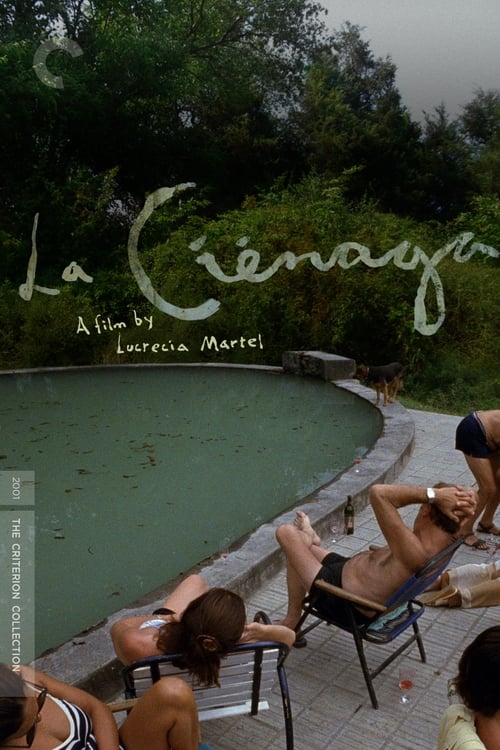
Amid the sweltering summer heat in northern Argentina, two middle-class families retreat to a crumbling country estate and a modest townhouse, where strained relationships, simmering tensions, and the presence of children and servants quietly expose the fractures of family life. Between idle days, gossip, and unspoken desires, the boundaries of class, tradition, and faith are reflected in their everyday interactions.
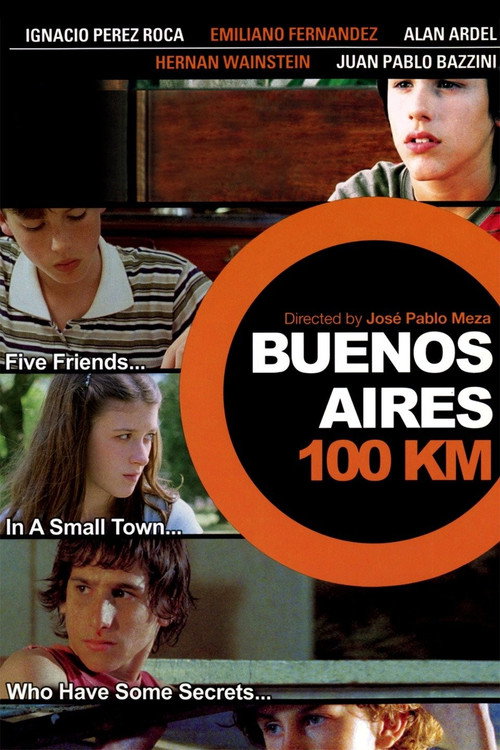
A remote village 100 kilometers from the city of Buenos Aires. Stephen, Matías, Alejo, Damián and Guido were born 13 years ago in this small town. They have always been friends and together they share the monotonous summer afternoons sitting on the stoop of a women's hairdresser. Anxious, restless, impatient for a change, they go through the most confusing period of experiment -- the transition from childhood to adolescence.
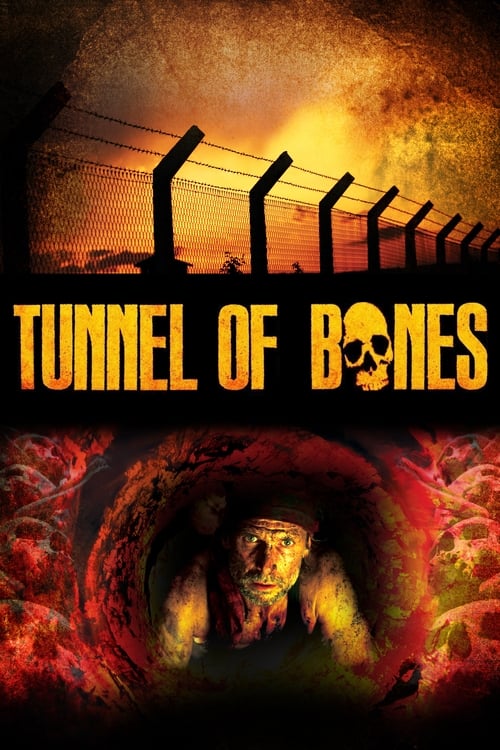
Based on a real event, this is the spectacular escape of seven prisoners in 1991 from the Villa Devoto prison in Buenos Aires, Argentina. In the process of digging a tunnel to escape, they make a bizarre and frightening discovery just as they are about to break through to freedom. One escapee promises to report their findings when they are all free and once out, he pays his debt to "the tunnel of bones,"sharing their macabre story with a local journalist, and ultimately the world.
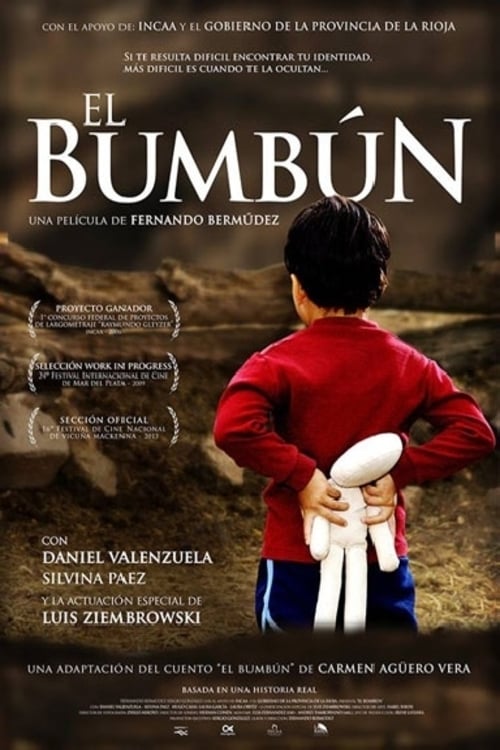
In an inhospitable rural area in North-East Argentina, machismo, destitution and the repression meted out under the military dictatorship sees the birth of the latest daughter born to Antonio, alcoholic woodcutter who anxiously wanted his first son. After the three daughters are farmed out to families in better financial position, he christens the latest one with the name of José, nicknamed Bumbún, and forces her to take on the identity of a boy. Mercedes, hurt by having lost her other daughters, protects the girl and keeps up the lie, constantly threatened by Antonio. Having been forced to act as a boy since childbirth, Bumbún will struggle between whether to accept her fate or to fight to change it.
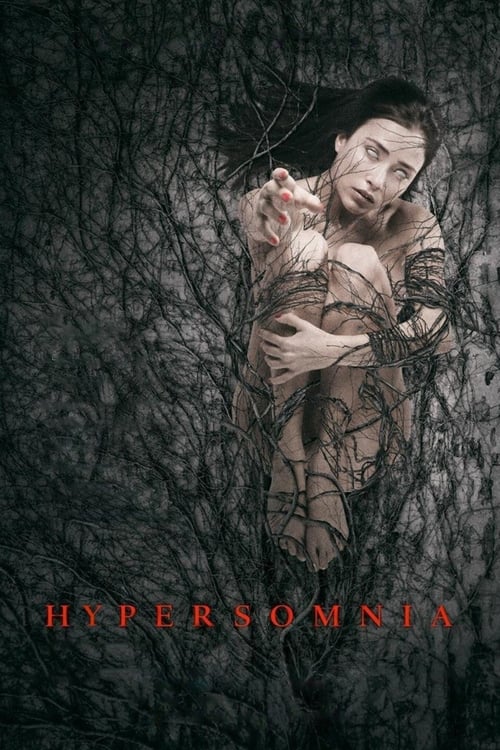
A young actress rehearsing for a play about human trafficking begins to relive terrifying scenes that may be dreams -- or an alternate reality.
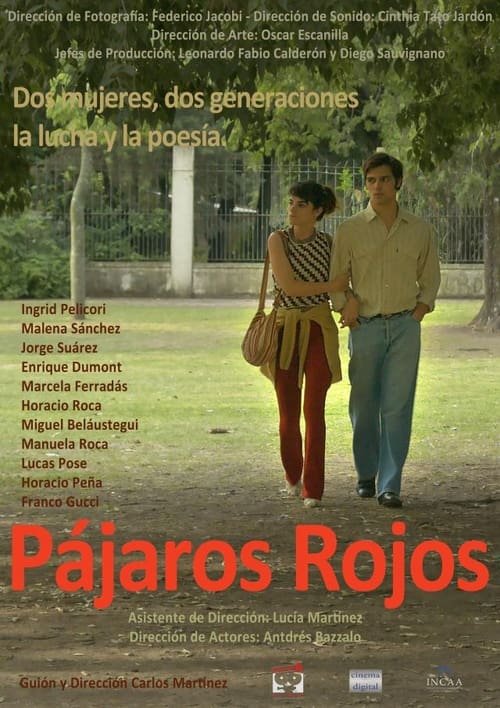
In the revolted 70's in Argentina, teenage Graciela is an artist and a poet. She and Julio, a charismatic student leader, are brought together by their ideals for social justice. Her poems reach young musician Flecha, who dreams of singing them for a roaring crowd. As the times grow harder and more dangerous, friends are persecuted, Graciela and Julio protect each other, but the dictatorship kidnaps them. Graciela's mother desperate search for her daughter brings her together with the Mothers of the Plaza de Mayo, who's relentless clamor for their missing children is only met with more terror and death from the bloody dictatorship. 35 years later, that mother publishes a book of Graciela's poems, and brings it to Flecha, now an accomplished musician. He turns them into songs that let her words live and fly.
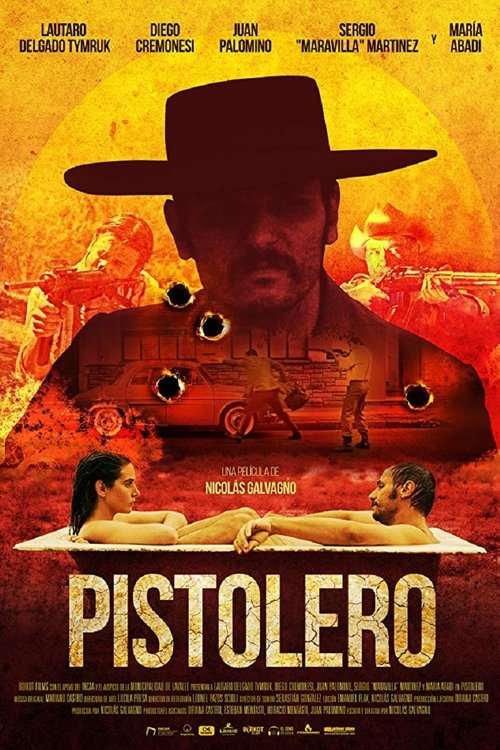
Pistolero is a fiction that in a certain way is an essay on violence. The story follows the criminal raid of Isidoro Mendoza and his brother Claudio in the rural Argentina during Ongania’s dictatorship, and how the violence of his criminal deeds begins to leave a mark in them. A teacher from Buenos Aires arrives to Isidoro’s life, and love is the possibility to open himself to a new life, but even as he tries, he can not escape the entropy generated by his own drives and actions.