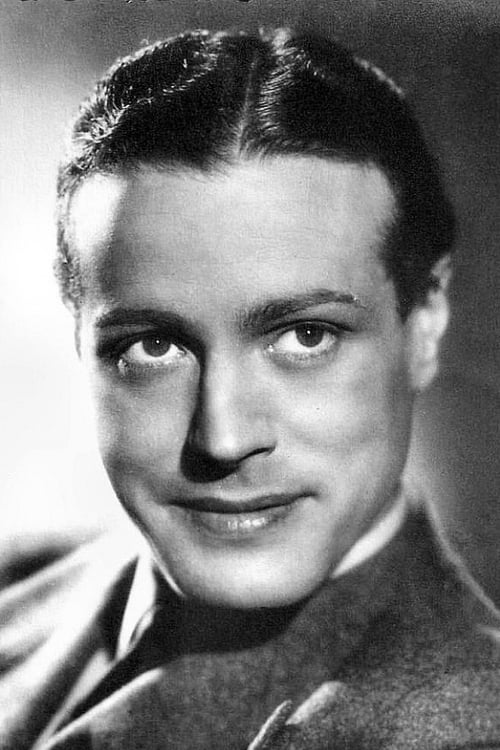
Wolf Albach-Retty
Acting
Known For
This Hungarian musical comedy (English title: Spring Parade) was produced by Joseph Pasternak, who later remade the picture in Hollywood as a Deanna Durbin vehicle. The original 1934 version stars Franciska Gaal as a Hungarian serving girl who heads to Vienna to visit a relative. Stopping over at an outdoor carnival, Gaal is told by a fortune teller that she will enjoy a happy marriage with a handsome and wealthy stranger. Later on, she finds herself at a fancy dress ball, where a good-looking aristocrat, assuming that our heroine is a countess masquerading as a peasant, falls in love with her. Delighted that the fortune-teller's prophecy seems to be coming true, Gaal finds herself in a dilemma when she falls in love with poverty-stricken soldier Wolf Albach Retty. But things turn out OK when Retty, the regimental drummer, composes a hit song which brings him fame and fortune, thereby neatly fulfilling that prophecy.
Frühjahrsparade
No description available.
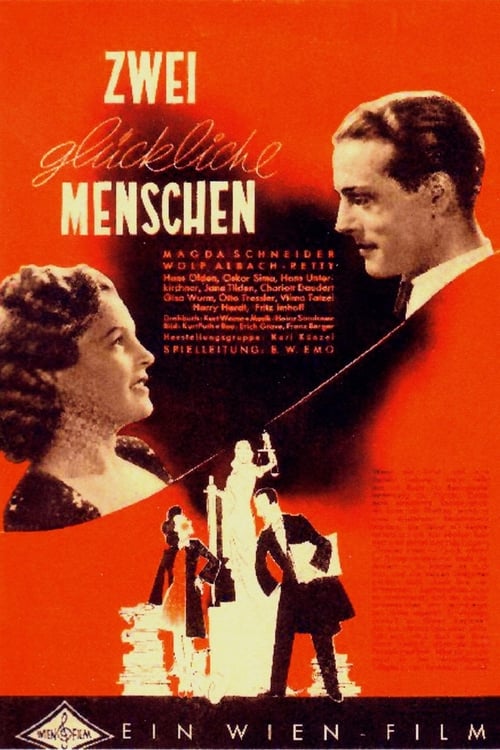
Zwei glückliche Menschen
At the behest of the financially strapped Duke, his nephew, Crown Prince Rudolf, is to marry someone of suitable rank. But Rudolf has no interest whatsoever in his uncle's plans and works under his commoner's name as an engineer in a car factory. Then a certain Count Rasumirski appears before the Duke and explains that the famous operetta diva Vera Naldi is actually a Russian princess who knows nothing of her origins. They hatch a plan to marry Rudolf off to her. But at the theater, Rudolf falls not for the singer, but for the secretary. Instead, Rudolf's other uncle begins to take an interest in Vera. Then, however, it turns out that Rasumirski is an imposter and Vera is not a princess at all...
Frühlingsluft
No description available.
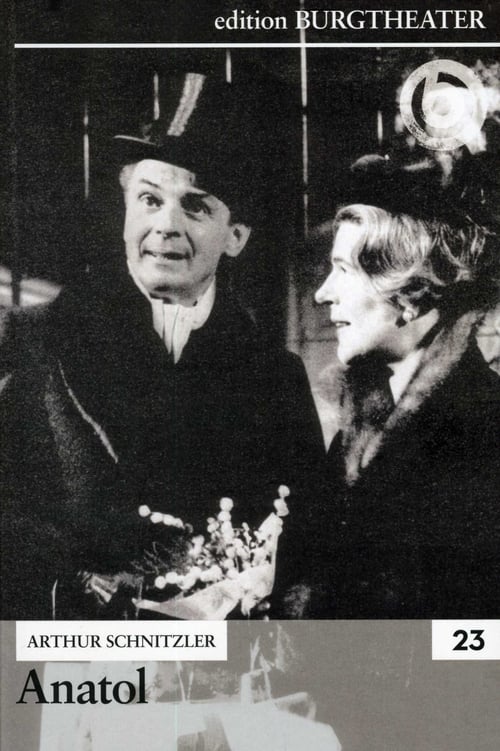
Anatol
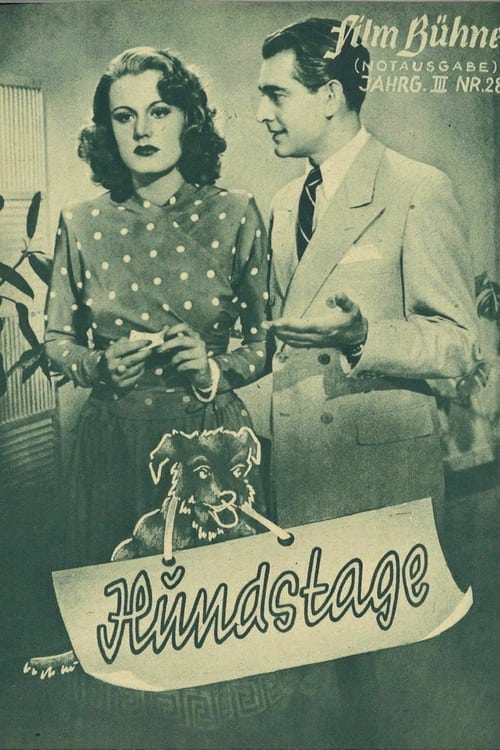
Peter and Paul are old friends who happen to meet again. Both are dentists and both want to get married the next day.
Dog Days
No description available.
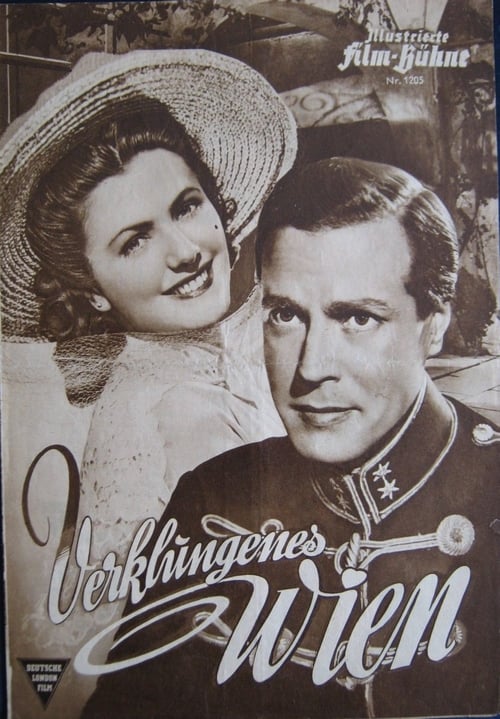
Verklungenes Wien
No description available.
Großstadtnacht
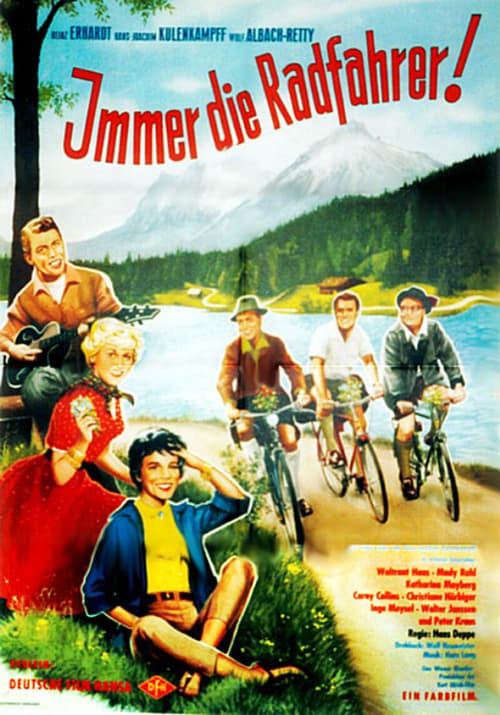
Three childhood friends go on another bike tour after 20 years of no contact.
Immer die Radfahrer
No description available.
Zwei in einem Anzug
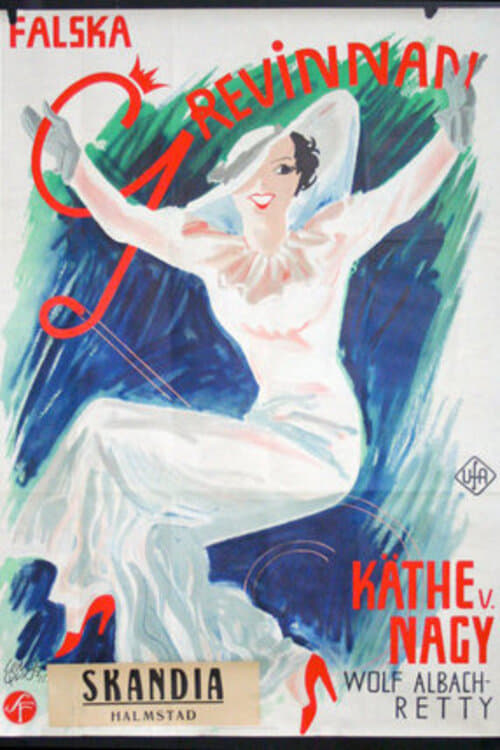
A young woman working as a secretary for a Berlin car business tries to impress a rich Australian visitor by pretending she is a foreign countess.
Once a Great Lady
No description available.
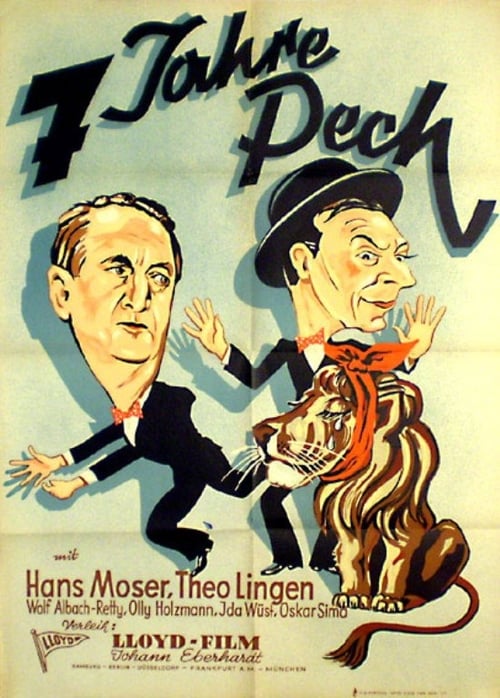
Sieben Jahre Pech
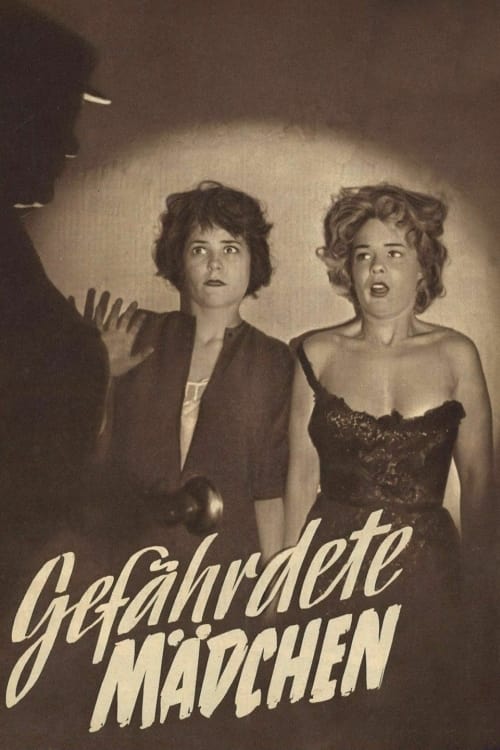
At a beauty contest, a saleswoman falls into the hands of brutal traffickers. A policewoman poses as a barmaid to infiltrate the gang.
Gefährdete Mädchen

The impoverished Count Lerchenau works under the name Rudi Lindt as a chauffeur. Because he is so well-loved by women, he lost his last position. His former servant Franz has not abandoned him in his time of need and the servant keeps trying to find a rich bride for the former Count. In the Grand Hotel, where the Count is supposed to be finding a suitable mate, he instead flirts with the attractive Alice. In order to get a job with the employer Ottokar Frühwirt, Rudi uses Count Lerchenau as a reference. But then the employer wants to speak with Lerchenau and Franz has to play the role of the Count. Alice, it turns out, is the employer's niece. When she finds out that Rudi is only a chauffeur, she wants nothing to do with him.
Adventure in the Grand Hotel
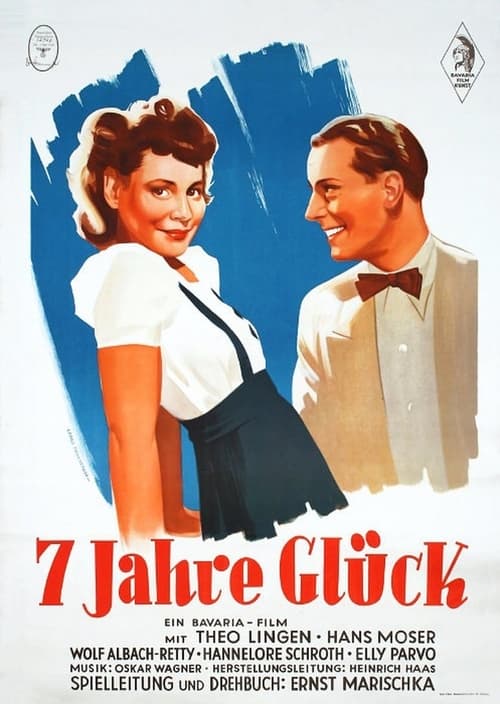
After all the mess, Kersten takes his loyal servant back in. Paul's first job is to deposit a large sum of money. But instead of taking the money to the bank straight away, Paul goes fishing with Gertie's father. When the two of them finally go to deposit the money, they are caught up in a robbery and promptly arrested as bank robbers.
Sieben Jahre Glück

In 1812, during the French period, large parts of Germany are occupied by the troops of Napoleon. Several paramilitary Freikorps units battle the French forces, among them the Black Brunswickers led by the 'Black Duke' Frederick William of Brunswick-Wolfenbüttel. After the War of the Fifth Coalition, the Black Hussars are pursued by Napoleon throughout the country, but frequently take refuge with the noble-minded German people.
The Black Hussar
No description available.
Geheimnis eines alten Hauses
No description available.
Falstaff in Wien
No description available.
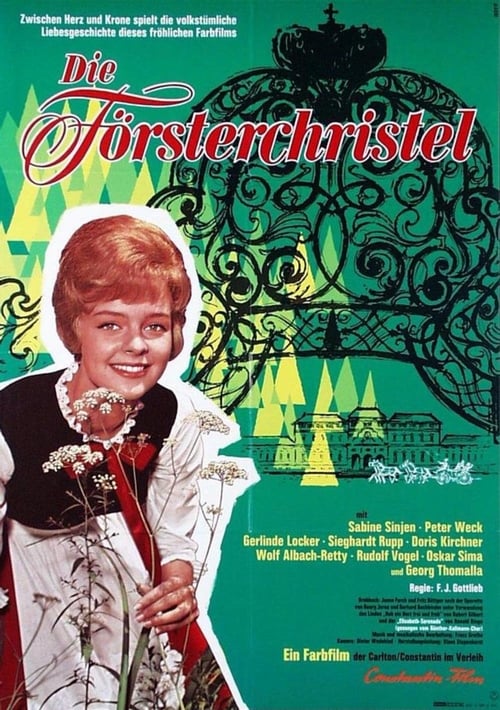
Die Försterchristel
There’s excitement in St. Johann, when the lawyer and notary Dr. Junhnickel from Vienna arrives and brings an offer from a mysterious Brazillian: On the cover of a magazine is a young girl, obviously from the country, and in the background is the village landscape of St. Johann. The Brazilian has fallen in love with the picture and wants to marry the girl. In return for finding her, the village will receive a donation of RM 5,000. Oh boy! The mayor, the shoemaker and the district clerk go off on the search for the girl! They have absolutely no luck in the photo shop, because the photographer is boiling over what he considers unfair intentions and tells them to take a hike. Nevertheless, they find the girl’s address. The model, Christl Wallner is no country girl but rather a ballet dancer, who posed for the photo to earn a litle extra money.
So gefällst Du mir
No description available.