Acting
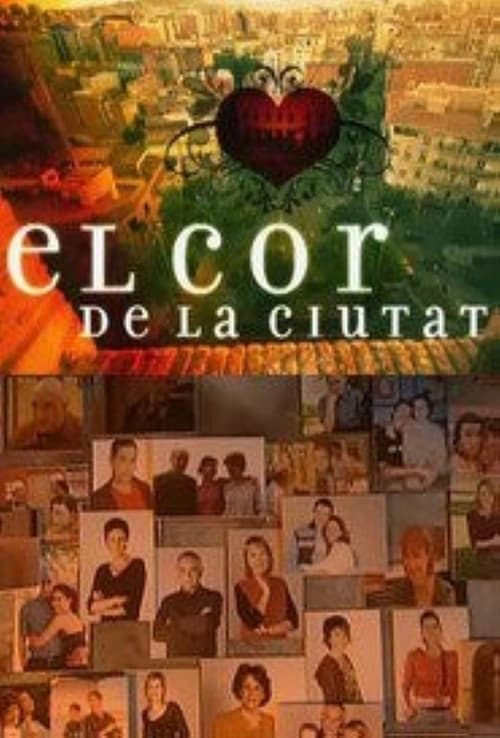
El cor de la ciutat is a TVC television soap opera first broadcast on TV3 on 11 September 2000 and last broadcast on 23 December 2009. The show is the most watched fiction program in Catalonia, Spain, especially among female audiences, drawing around 28-33% of the audience with as much as 40% during season finales. El cor de la ciutat follows the lives of the people who live and work in the neighbourhood of Sants and Sant Andreu in Barcelona, Catalonia, Spain.
No description available.
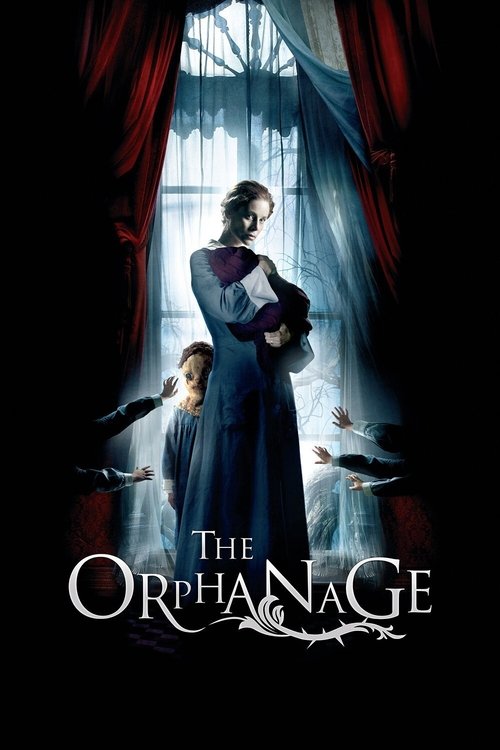
A woman brings her family back to her childhood home, which used to be an orphanage, intent on reopening it. Before long, her son starts to communicate with a new invisible friend.
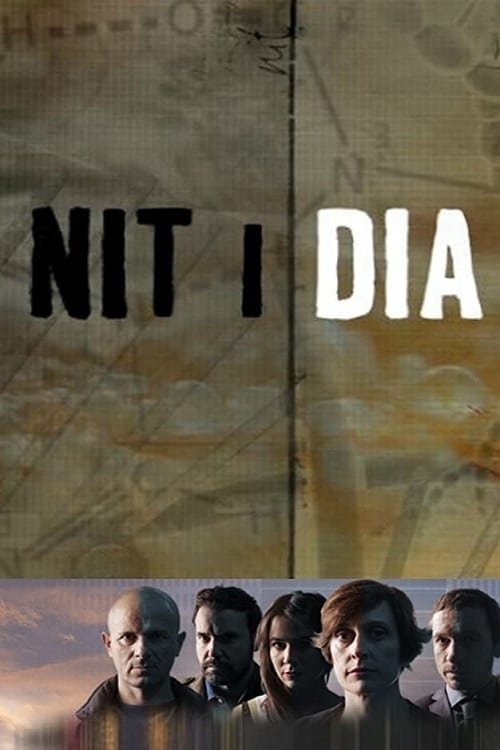
Working on a series of harrowing cases, forensic pathologist, Sara Grau, finds the key to a case in which she has unwittingly become a prime target. Sophisticated Spanish crime thriller.
A Peruvian schoolteacher conspires with a journalist to assassinate the official responsible for her fiancé's murder.
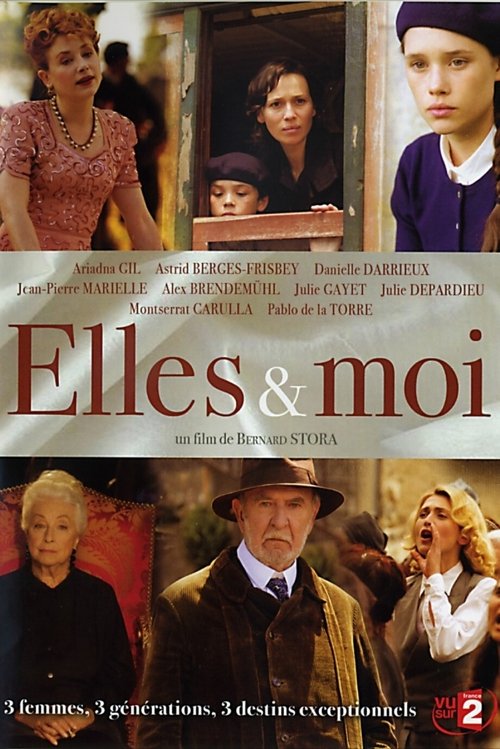
January 1939. The fall of Barcelona seals the defeat of the Spanish Republicans. Five hundred thousand of them choose exile. Upon arriving in France, the men are disarmed and interned in camps. As for the families, the administration distributes them among makeshift centers, several of which are in Ardèche. Elles et moi chooses to follow the fate of the Esteva family during these terrible months and the five years of war that follow. Lluis, the father, lives in hope of reconquest. Pilar, his courageous and energetic wife, feels that this new country will become her home for a long time to come. She thus leads her two children, Isabel and Ignacio, into this new life...
Young José María goes through a painful journey until he discovers that he is a transsexual.
"Laia" is located in the imaginary village of Sinera, a fishing village inhabited by a series of extreme characters, indiscriminately diverted to the adversities of destiny. There, Laia lives, a woman marked by a miserable and unhappy childhood, that is debated between her cruel husband and lover who is his best friend and faces the hatred of a whole town while dreaming of a freedom that only the sea can grant.
1939: The remains of the Spanish Republican Army crossed the French border. Among the exiles are Lluís Companys, President of the Generalitat de Catalunya, and also Aguirre, President of the Basque Government. After the invasion of France by Nazi troops, Companys will be arrested by the Gestapo and handed over to the Francoist authorities. Led by the Count of Mayalde, he is transferred to Madrid and later to Barcelona. After a summary trial, Companys is condemned to death and shot.
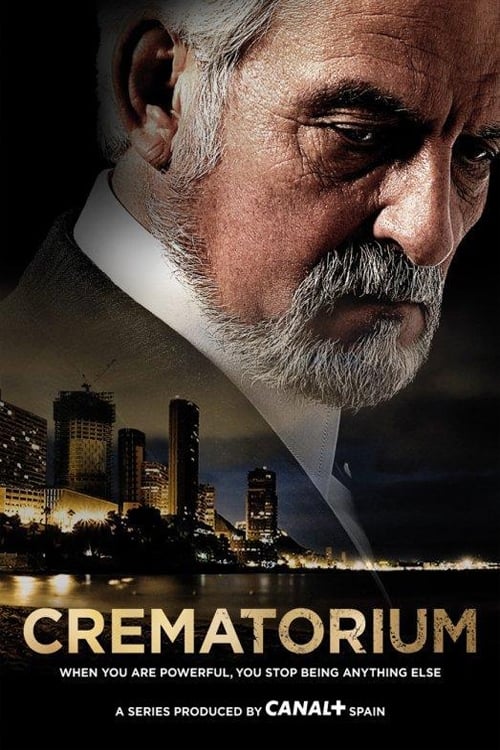
In the 1990s, an unscrupulous builder, who has amassed a large fortune with agricultural companies, goes into business on the Spanish coast. After the death of his brother, he creates a large business and urban development network that makes him the most powerful man in Misent, an imaginary city in the Spanish Levant.
Multiple love stories unfold in Barcelona during Christmas's Eve.
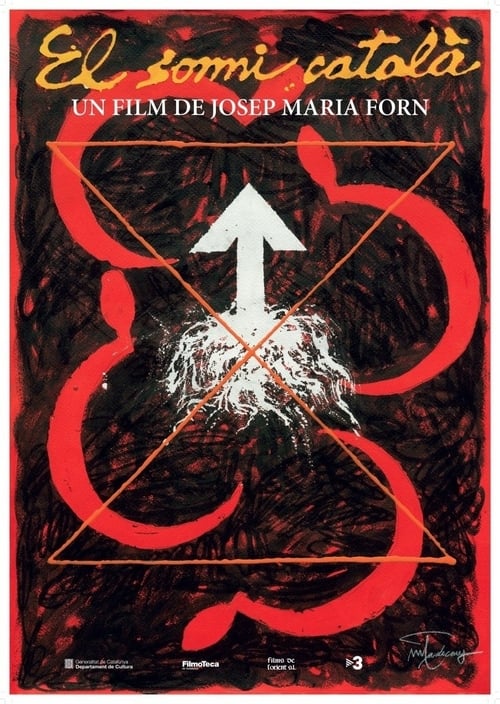
In a small Catalan village take advantage of the visit of an ecclesiastical authority of Rome, during vacations, to organize a conference on the topic of religion and sex. This causes the people to divide into two camps, those who favor and those against the "Congress", until finally after a series of negotiations between both sides, we arrive at consensus. A large mosaic of characters carry the story to end happily, through critical situations with the conservative church.
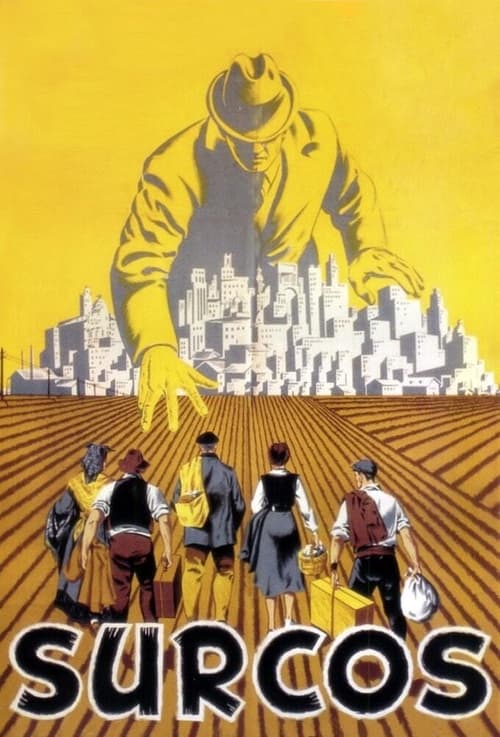
A farm family moves into a city maybe at the end of the Spanish Civil War. They move in with the sister of the farmers wife. In the city everything is illegal or immoral or both.
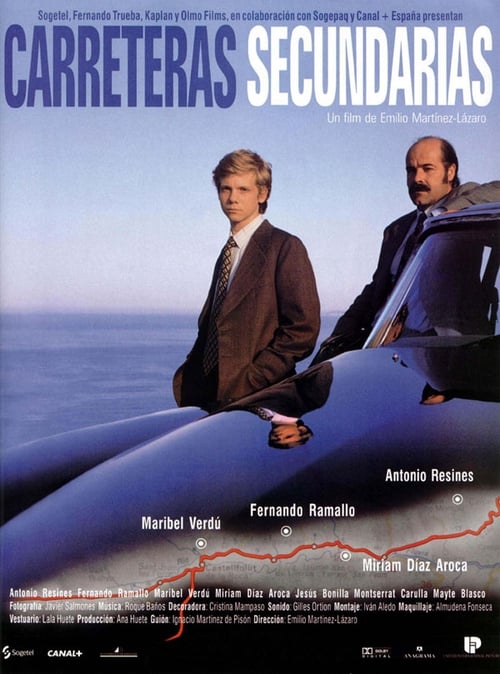
Spain, 1974. A teenager and his father are traveling in a car that is the only property they have. Their life is a continuous move by desolate coastal apartments in the tourism low season. When forced to change route and get away from sea, their lives will change dramatically.